Source Excavator Glow Plug for Cars, Trucks, and Engines
Explore 30 available options for the Excavator Glow Plug designed for various engines and vehicles. Buyers can compare specifications like voltage, heating time, and material to find the right fit for their needs.
Key considerations
Products List


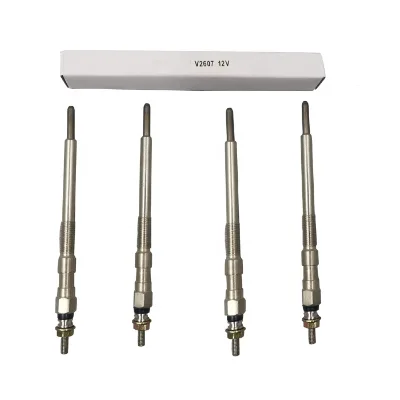
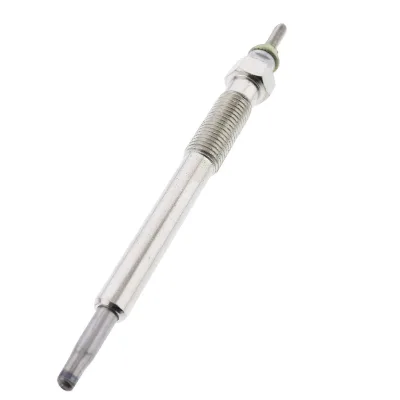
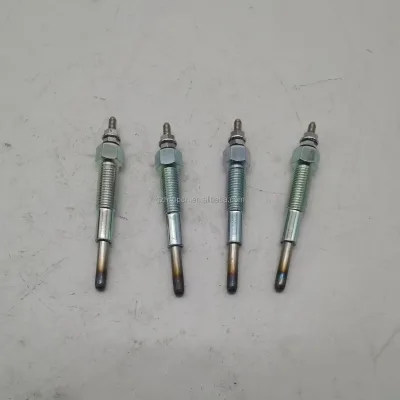


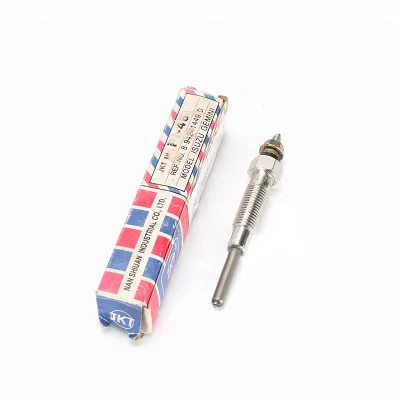
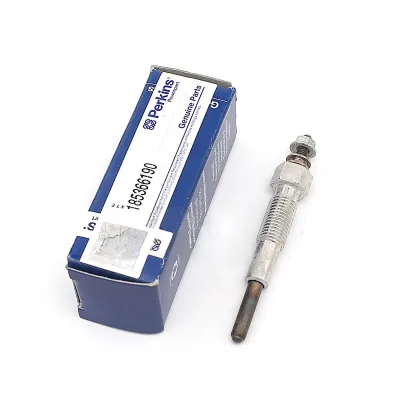

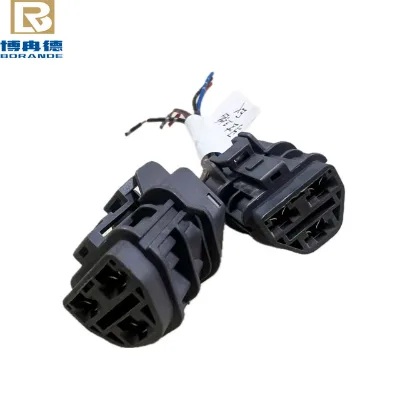
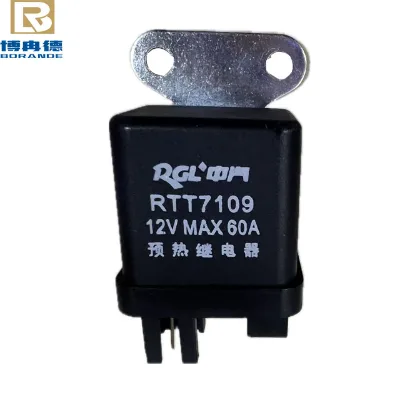

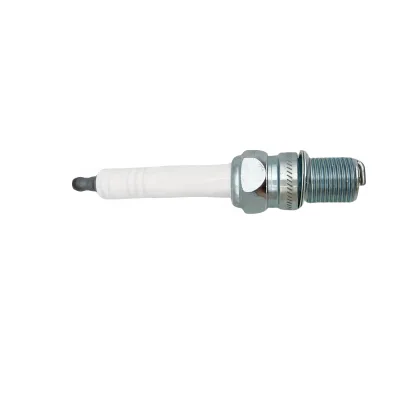
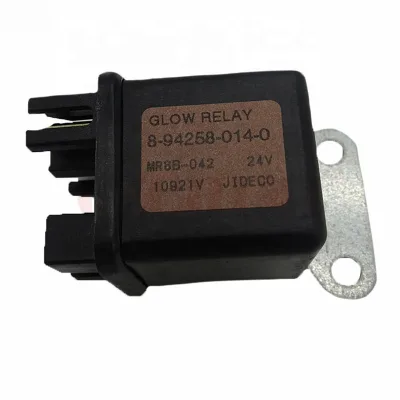
RC Car Glow Plug for Diesel Engines
$5.00 - $8.00
MOQ: 10 Pieces
Dezhou Chuangtao Mechanical and Electrical Equipment Co., Ltd.

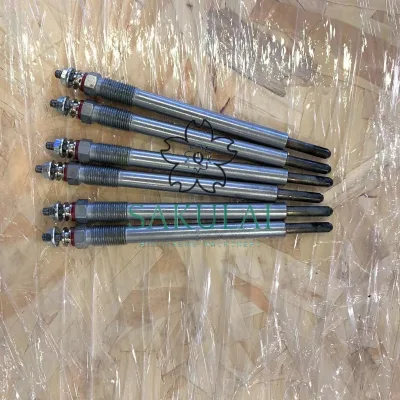
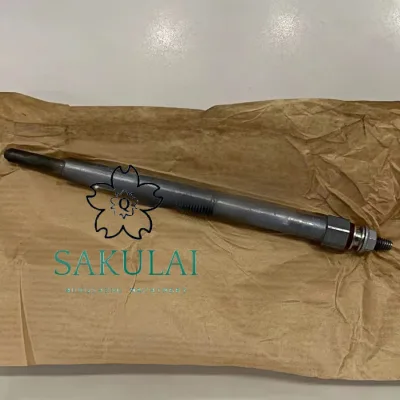

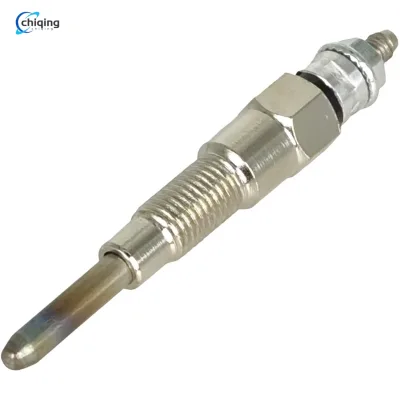
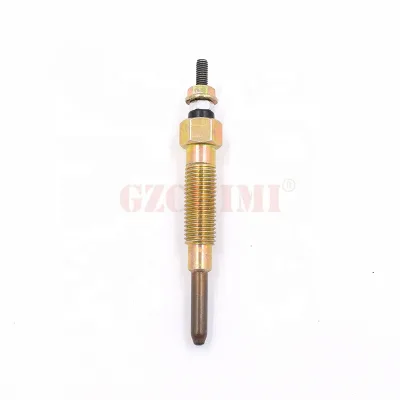
Comprehensive Sourcing Guide
Strategic Sourcing Guide for Excavator Glow Plugs
Understanding Technical Specifications and Variability
When sourcing excavator glow plugs, buyers must first recognize that this component is not a monolithic product with a single set of universal attributes. The market presents a wide spectrum of technical configurations tailored to specific engine architectures and operational environments. The core function remains consistent: to pre-heat the combustion chamber to facilitate cold starts in diesel engines. However, the physical and electrical parameters vary significantly across different manufacturers and model years.
A critical observation in the current supply landscape is the diversity in voltage ratings and heating durations. While standard automotive applications often operate at 12V, specific industrial and heavy-duty contexts may utilize different electrical requirements. For instance, observed listings indicate a voltage rating of 11V for certain units, suggesting that buyers cannot assume a standard 12V rating without verifying the specific engine compatibility. Similarly, the heating time is a variable parameter that can range from 3 seconds to 10 seconds, or be customized entirely based on the buyer's request. This variability implies that a "one-size-fits-all" approach to procurement is ineffective.
The physical construction of the glow plug is equally critical. Materials typically cited include metal and steel, which are essential for withstanding the extreme thermal cycling and high-pressure environment within the cylinder head. The size is generally described as "Standard" or "Standard Size," yet this terminology requires precise verification against the specific engine block dimensions. Model numbers serve as the primary identifier for compatibility, with examples ranging from 270215409901 and 4714294 to 8s3970 and 600-815-2180. Each of these part numbers corresponds to a distinct engine application, such as the Kubota truck model or specific Tata car variants, highlighting the necessity of cross-referencing the part number with the machinery's service manual before placing an order.
Compliance, Certification, and Quality Standards
In the B2B procurement of heavy machinery components, compliance with international standards is not merely a formality but a prerequisite for operational safety and longevity. The supply chain for excavator glow plugs often references ISO and TS (Technical Specification) standards. Specifically, the designation ISO9001: 2000 appears in product attributes, indicating that the manufacturing facility adheres to quality management systems. Additionally, some listings mention TSISO9001 in the context of distributorless ignition systems, suggesting a specialized subset of quality control protocols.
Buyers must exercise caution when interpreting certification claims. While ISO9001 is a widely recognized standard for quality management, the specific version (e.g., 2000) may be outdated compared to current revisions. Therefore, the presence of a certification label should trigger a verification process to ensure the supplier holds a valid, up-to-date certificate rather than relying on historical data. The "ISO&TS" standard mentioned in product specifications further reinforces the need for rigorous due diligence.
Beyond formal certifications, the condition of the product is a vital compliance metric. The market predominantly offers "New" condition items, which is the expected standard for replacement parts. However, buyers should verify that the "New" designation is not merely a marketing term but is backed by a warranty. Warranty periods observed in the market, such as 3 months, provide a baseline for risk assessment. A supplier offering a warranty demonstrates confidence in their product's durability, whereas a lack of warranty coverage may indicate higher risk of premature failure.
Cost Drivers and Pricing Dynamics
The pricing structure for excavator glow plugs is influenced by a complex interplay of factors, including material costs, customization requirements, and supply chain logistics. The observed price range in the market is extensive, spanning from $0.30 to $81.76 USD. This wide disparity is not indicative of quality variance alone but reflects differences in part complexity, brand positioning, and order volume.
The lowest price points, often around $0.30, typically correspond to standard, off-the-shelf components with minimal customization and high production volumes. These items are likely mass-produced for common engine models where economies of scale drive costs down. Conversely, the upper end of the price spectrum, reaching over $80, may involve specialized parts, proprietary technology, or custom configurations that require unique tooling or materials.
Minimum Order Quantity (MOQ) is another significant cost driver. The observed MOQ range extends from 1 unit to 1,000 units. For small-scale repairs or emergency procurement, buyers may be forced to pay a premium per unit due to the low MOQ, which increases the administrative and logistical overhead for the supplier. In contrast, bulk purchasing at the higher end of the MOQ range can significantly reduce the unit cost, making it a viable strategy for fleet maintenance or large-scale refurbishment projects.
Customization is a key factor that can elevate costs. Attributes such as "Customization: Available" suggest that buyers can request specific heating times or voltage ratings. While this flexibility is valuable for optimizing engine performance, it inevitably introduces non-standard production runs, which can increase the unit price. Additionally, packaging requirements, such as the transition from simple plastic bags to export wooden cases or pallets, add to the overall cost. The choice between "Neutral Packing" and branded packaging also influences the final price, as branded packaging often commands a higher margin.
Typical Applications and Compatibility Verification
The application of excavator glow plugs extends beyond the excavator itself, encompassing a broader range of heavy machinery and commercial vehicles. The supply data indicates compatibility with specific vehicle brands and models, such as the Tata Car and Kubota truck models. This diversity underscores the importance of precise compatibility verification. A glow plug designed for a specific engine model may not function correctly in a different engine, even if the physical dimensions appear similar.
The "Part No." is the most reliable method for ensuring compatibility. For example, the part number 270215409901 is explicitly linked to an Excavator Glow Plug, while 600-815-2180 is associated with the S6D155 engine configuration. Buyers must cross-reference these numbers with their equipment's technical documentation to avoid mismatches. Relying solely on the general category of "Excavator Glow Plug" is insufficient, as the internal components of different excavator brands vary significantly.
Furthermore, the reference numbers provided by suppliers, such as V2607, serve as an additional layer of verification. These reference numbers often correspond to OEM (Original Equipment Manufacturer) standards, allowing buyers to trace the component back to its original design specifications. When sourcing for a fleet of mixed machinery, maintaining a database of part numbers and their corresponding applications is essential for efficient procurement. The "Supply Type" being "in-Stock-Intem" suggests that availability can be a constraint, particularly for less common part numbers, necessitating early planning and inventory management.
Supplier Evaluation and Operational Reliability
Selecting a reliable supplier is as critical as selecting the right part. The market data reveals several indicators of supplier capability and reliability. The "Place of Origin" is predominantly listed as Zhejiang, China, and Shandong, China, which are known manufacturing hubs for automotive components. However, the geographic location alone does not guarantee quality; it is the supplier's operational practices that matter.
Response time is a key metric for supplier evaluation. Listings indicate a "Within 24 Hours Reply" commitment, which is a positive indicator of customer service responsiveness. In the fast-paced environment of equipment maintenance, delays in communication can lead to extended downtime. Similarly, the "Delivery Time" is a crucial factor. While some suppliers offer "Within 24 Hours After Receipt of Money," others specify a range of 3-7 days. Buyers must align these lead times with their operational needs to prevent production bottlenecks.
Payment terms also play a role in supplier selection. Common methods include Western Union, Wire Transfer, and T/T (Telegraphic Transfer). The availability of multiple payment options can be beneficial for international buyers, but it is essential to ensure that the payment method aligns with the buyer's financial policies and risk management strategies. The "Supply Ability" of 1,000,000 acres per day is a notable claim, though the unit "acres" is likely a translation error or a specific industry metric that requires clarification. Buyers should seek concrete production capacity figures, such as units per month, to accurately assess the supplier's ability to meet large orders.
Quality Control and Long-Term Procurement Strategies
Ensuring consistent quality in glow plug procurement requires a robust quality control (QC) framework. The "Quality: High-Quality" attribute is a common claim, but it must be substantiated by tangible evidence. Buyers should request test reports or quality assurance documentation that verifies the heating performance, electrical resistance, and material integrity of the glow plugs. The "Condition: New" status should be confirmed through visual inspection or third-party verification to ensure that the parts are not refurbished or damaged.
Packaging is another aspect of quality control that impacts long-term procurement success. The "Packing Details" often mention export wooden cases, plastic boxes, cartons, or pallets, with waterproof film to prevent damage during transit. This level of packaging is essential for maintaining the integrity of the components, especially when shipping internationally. Buyers should verify that the packaging meets the specific requirements of their logistics partners to avoid damage in transit.
For long-term procurement, establishing a strategic partnership with a supplier is more beneficial than transactional buying. The "Service: Full Caring Service" attribute suggests that some suppliers offer comprehensive support, including technical assistance and after-sales service. This can be invaluable for troubleshooting issues and ensuring the longevity of the equipment. Additionally, the "Warranty: 3 Months" provides a safety net for buyers, allowing them to claim replacements for defective parts within the specified period.
In conclusion, sourcing excavator glow plugs requires a meticulous approach that balances technical specifications, compliance, cost, and supplier reliability. By focusing on precise part numbers, verifying certifications, and establishing clear communication channels, buyers can mitigate risks and ensure the efficient operation of their heavy machinery fleets. The dynamic nature of the market demands continuous vigilance and a proactive strategy to navigate the complexities of global procurement.
FAQs
What voltage rating do excavator glow plugs typically have?
Excavator glow plugs typically operate at 11 volts, though specific applications may vary. Buyers must verify the exact voltage against their engine requirements rather than assuming a standard 12V rating to ensure proper compatibility and performance.
How long does the heating process take for these plugs?
Heating times range from 3 to 10 seconds depending on the specific model and engine needs. Customization is available to adjust these durations based on buyer requests, allowing for tailored performance in different operational environments.
Which certifications should I look for in a supplier?
Look for suppliers with ISO9001: 2000 or TSISO9001 certifications indicating adherence to quality management systems. Always verify that these certifications are current, as older versions may not reflect the latest manufacturing standards and safety protocols.
Can I get these glow plugs with custom packaging?
Yes, customization is available for packaging, ranging from plastic bags to export wooden cases or pallets. Buyers should specify their needs, as options like neutral packing or branded boxes can affect the final cost and shipping protection.
What is the typical delivery time for orders?
Delivery times vary, with some suppliers offering shipment within 24 hours after payment receipt while others require 3 to 7 days. Buyers should confirm the specific lead time with the vendor to align with their operational schedules and avoid downtime.
Where are these glow plugs typically manufactured?
These components are primarily manufactured in Zhejiang and Shandong provinces in China. Buyers should consider these origins when evaluating shipping logistics and potential lead times, as these regions are known hubs for automotive component production.
What warranty is provided for new glow plugs?
A standard warranty of 3 months is often provided for new condition glow plugs. This coverage offers a baseline for risk assessment, ensuring that buyers have recourse if the components fail prematurely due to manufacturing defects.