Source TMR Wagon Mixer Blade for Feed, Grain, and Silage
Find and compare 29 TMR Wagon Mixer Blade options from Chinese manufacturers. Evaluate materials like carbon steel and high-speed steel, hardness ratings, and customization availability for industrial mixing applications; compare the available evidence and request quotations based on your requirements.
Key considerations
Products List


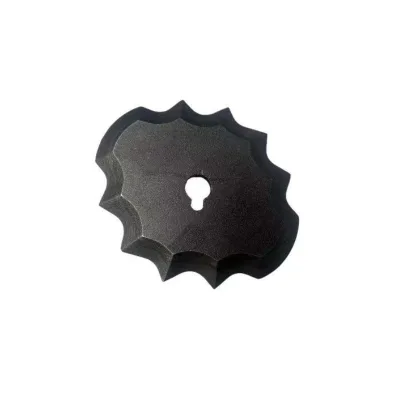
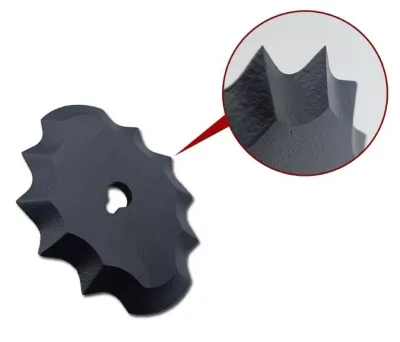
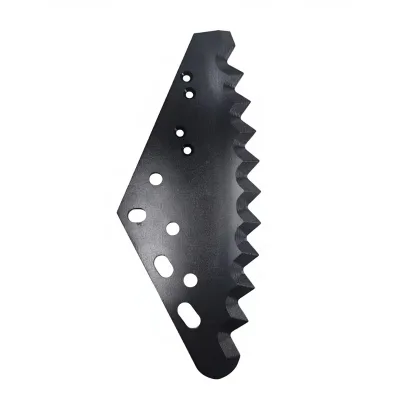


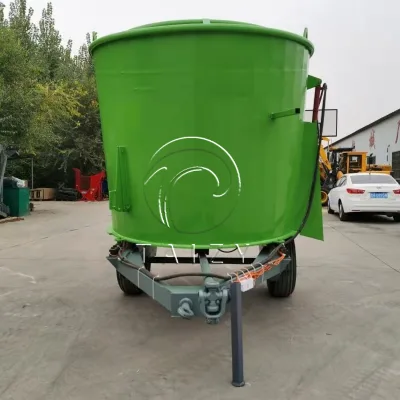
Dual Wagon Tmr Animal Feed Mixer Machine Blending Equipment with Motor Engine
$23000.00 - $25000.00
MOQ: 1 Sets


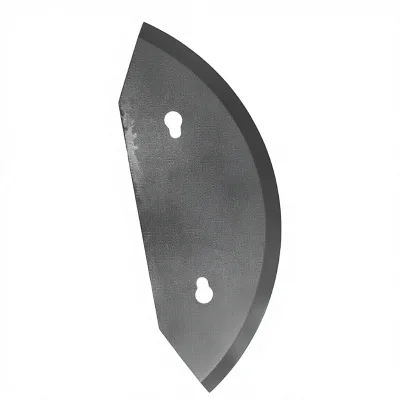
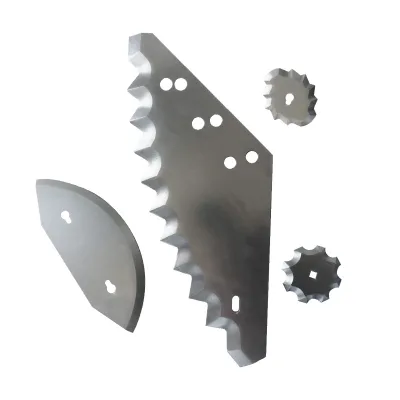
Comprehensive Sourcing Guide
TMR Wagon Mixer Blade Sourcing Guide
Sourcing TMR wagon mixer blades requires distinguishing between general industrial cutting tools and specialized agricultural mixing equipment. The available market data indicates a diverse range of products, from carbon steel blades designed for mixed feed processing to high-speed steel variants intended for more demanding industrial applications. Buyers must carefully align their specific operational needs with the observed material properties, such as the presence of SKD11, D2, or cemented carbide options, to ensure the selected component can withstand the abrasive nature of feed mixing.
Procurement decisions should also account for the varying customization capabilities observed in the listings. While some suppliers offer standard models like the YFTM-B, others provide fully custom solutions based on customer drawings, with hardness ranges extending from HRC 40 to 65 depending on the specific alloy used. Understanding whether the requirement is for a standard replacement part or a specialized tool for a specific mixer model, such as the 9JGW or LB series, is critical before initiating contact with potential vendors to avoid compatibility issues.
Product Scope and Observed Listing Signals
The product landscape for TMR mixer blades includes distinct categories ranging from simple cutter blades to complex mixing equipment components. Listings frequently highlight specific attributes such as the "Tmr Mixer Knife" or "TMR Feed Mixer Blades," often paired with processing objects like mixed feed or powder materials. Buyers should note that some entries describe the product as a "Shape: Hole Saw Blade" or "Type: Carbide Saw Blade," which suggests a broader scope of cutting tools that may be adapted for mixing applications but require verification of their specific suitability for agricultural feed processing.
Observations of product listings reveal significant variation in physical specifications and packaging standards. Dimensions such as 1416.57 are noted alongside custom diameter options, while packaging ranges from wooden cases to wooden boxes. The presence of attributes like "Smooth Surface" and "Condition: New" indicates that buyers must verify the physical state of the goods upon delivery. Additionally, the mention of "Screen Mesh: Cutter" implies that some listings may refer to the entire screening assembly rather than just the blade, necessitating a clear definition of the exact component required for the procurement order.
Technical Specifications to Verify
Material composition is the primary technical factor determining the longevity and performance of TMR mixer blades. The market offers a wide spectrum of alloys, including Carbon Steel, High Speed Steel, and specialized grades like SKD11, Cr12MOV, and W6mo5cr4V2. Buyers must verify that the selected blade material matches the abrasiveness of the feed being processed, as Manganese steel and Cemented Carbide options are also available for high-wear environments. Confirming the specific alloy grade is essential, as the hardness and wear resistance vary significantly between these materials.
Hardness and precision are equally critical parameters that directly impact the cutting efficiency and lifespan of the blades. Observed hardness ratings (HRC) span from 45-60 up to 50-65, with some listings indicating a broader range of HRC 40-68. Precision tolerances as tight as +/- 0.005mm are noted in certain high-specification listings, which is vital for maintaining the balance and operational stability of the mixer. Buyers should request detailed hardness reports and dimensional verification to ensure the blades meet the exact operational requirements of their specific TMR wagon model.
Compliance and Safety Documentation
Certification status serves as a fundamental indicator of a supplier's adherence to international quality and safety standards. The available data confirms that many suppliers provide products certified under CE, RoHS, and ISO9001 frameworks, with some listings specifically citing ISO9001:2008 or ISO9001:2000. While these certifications are common, buyers must verify that the specific batch of blades being purchased carries the valid documentation, as the presence of a certification on a general product page does not guarantee it applies to every individual unit or custom order.
Safety and operational compliance also extend to the manufacturing process and the intended application of the equipment. Some listings mention "Processing Technics: Crushing-before-Mixing," which implies the blades are part of a larger system designed for specific feed preparation workflows. Buyers should ensure that the machinery test reports provided by the supplier are current and relevant to the specific blade model. Additionally, verifying that the product origin, such as Anhui, Nanjing, or Henan, aligns with the supplier's declared manufacturing capabilities helps in assessing the reliability of the safety documentation provided.
Cost Drivers and Commercial Terms
Pricing for TMR mixer blades is influenced heavily by material selection, customization levels, and order volume. The observed price range is extensive, spanning from $0.10 to $52,000, reflecting the difference between individual replacement blades and complete mixing equipment units. Buyers must clarify whether they are purchasing a single component or a full assembly, as the cost drivers for a custom-drawn, high-hardness carbide blade differ significantly from those of a standard carbon steel unit. Understanding the specific unit of measure is essential to avoid misinterpreting the total cost of the procurement.
Commercial terms, including Minimum Order Quantity (MOQ) and warranty provisions, vary widely among suppliers. Listings indicate MOQs ranging from 1 to 1000 pieces, with some specific entries noting an MOQ of 100 pieces. Warranty periods are also inconsistent, with some suppliers offering only 3 months of coverage. Buyers should negotiate terms that align with their inventory needs and risk tolerance, ensuring that the warranty covers potential defects in material or workmanship. Clear agreement on packaging standards, such as wooden cases or boxes, is also necessary to prevent damage during transit.
Supplier Qualification and Quality Control
Supplier qualification should be based on a thorough review of their manufacturing capabilities and quality assurance processes. The data indicates that suppliers are located in key Chinese manufacturing hubs like Anhui, Nanjing, and Shandong, each with established industrial bases. Buyers should verify the supplier's ability to produce custom drawings and their track record in delivering products with specific hardness and precision requirements. The availability of machinery test reports is a positive indicator, but buyers must ensure these reports are generated by accredited facilities and are specific to the product batch.
Quality control measures must be explicitly defined in the procurement agreement to ensure consistency across orders. Attributes like "Smooth Surface" and specific hardness ranges (HRC 45-65) should be treated as contractual specifications rather than general observations. Buyers should request pre-shipment inspections that verify the material grade, hardness, and dimensional accuracy against the agreed-upon standards. Establishing a clear protocol for handling non-conforming goods is essential, especially when dealing with custom orders where the cost of replacement can be significant.
Long-Term Procurement Checks
Establishing a long-term relationship with a supplier requires ongoing verification of product consistency and performance under real-world conditions. Buyers should implement a system for tracking blade wear rates and failure modes to validate the initial material and hardness claims. Since the market offers various materials from Carbon Steel to High Speed Steel, long-term data will help determine which specific alloy offers the best cost-benefit ratio for the specific feed types being processed. This data-driven approach allows for more informed future purchasing decisions and potential specification adjustments.
Continuous monitoring of supplier compliance and documentation is also vital for maintaining operational safety and efficiency. Buyers should periodically re-verify that the certifications, such as CE and ISO9001, remain valid for the supplier and that the product origin has not changed without notification. Regular audits of the warranty claims process and the responsiveness of the supplier to quality issues will ensure that the procurement strategy remains robust. By maintaining a disciplined approach to supplier management, buyers can mitigate risks associated with supply chain disruptions and product variability.
FAQs
What materials are used for TMR mixer blades?
TMR mixer blades are commonly manufactured from carbon steel, high-speed steel, and cemented carbide. Specific steel grades include SKD11, Cr12MOV, and manganese steel to ensure durability. These materials are selected based on the hardness requirements, typically ranging from HRC 45 to 65, to withstand the abrasive nature of mixed feed processing in industrial environments.
Can TMR mixer blades be customized to specific drawings?
Yes, customization is available for TMR mixer blades to meet unique operational needs. Manufacturers can produce blades according to customer drawings and specific standard requirements. This flexibility allows for precise sizing and shape adjustments, ensuring the blades fit perfectly into existing TMR feed mixer equipment for optimal performance and efficient crushing-before-mixing processes.
What certifications do TMR mixer blade suppliers hold?
Reputable suppliers typically hold CE, RoHS, and ISO9001 certifications to ensure quality and safety standards. These certifications verify that the manufacturing processes and final products meet international regulatory requirements. Buyers should verify these credentials to ensure the blades are suitable for industrial use and comply with necessary safety and environmental regulations in their respective markets.
What is the typical hardness range for these blades?
The hardness of TMR mixer blades generally ranges from HRC 45 to 68, depending on the material used. High-speed steel and carbide variants often achieve higher hardness levels, such as HRC 50-65, to resist wear. This hardness ensures the blades maintain sharpness and structural integrity during the demanding task of cutting and mixing feed materials.
How are TMR mixer blades packaged for shipping?
TMR mixer blades are typically packaged in wooden cases or wooden boxes to prevent damage during transit. This robust packaging protects the sharp edges and precise dimensions of the blades. Buyers should confirm packaging details with suppliers to ensure safe delivery, especially when ordering from different regions or handling large quantities for industrial mixing equipment.
What is the minimum order quantity for these blades?
The minimum order quantity for TMR mixer blades varies by supplier but often starts at 1 piece. Some manufacturers may require a minimum of 100 pieces for certain custom specifications. Buyers should check the specific MOQ requirements with their chosen supplier to align with their production needs and budget constraints for replacing or upgrading mixer components.