Source explosion-proof metric adaptor for Industrial, Marine, and Mining
Explore 30 verified listings for the explosion-proof metric adaptor suitable for industrial, marine, and mining applications. Buyers can compare specifications including material, surface treatment, and compliance standards to find the right fit for their projects.
Key considerations
Products List





Comprehensive Sourcing Guide
Strategic Sourcing Guide for Explosion-Proof Metric Adaptors
Understanding Technical Specifications and Material Composition
When sourcing explosion-proof metric adaptors, the primary objective is to identify components that maintain structural integrity under hazardous conditions while ensuring precise dimensional compatibility. The technical landscape for these adaptors is defined by a convergence of material science and rigorous dimensional standards. Based on available market data, the core material composition often involves stainless steel, medium carbon steel, or low carbon steel, each selected for specific environmental resistance and mechanical strength requirements. Stainless steel variants are frequently observed in applications requiring high corrosion resistance, while carbon steel options may be treated with surface processes such as zinc plating or chrome finishing to enhance durability.
Dimensional precision is equally critical. The metric adaptor market typically supports a wide range of sizes, with specifications observed from M141.5" up to M522". This range indicates that a single supplier may not cover the entire spectrum, necessitating a targeted search for specific thread pitches and diameters. The standardization of these dimensions is governed by international norms, including GB, DIN, ANSI, and JIS. Buyers must verify that the specific adaptor model aligns with the relevant standard for their region; for instance, DIN standards are prevalent in European contexts, while ANSI is standard in North America. The "metric" designation implies adherence to ISO metric thread profiles, but the specific application may require compliance with British, American, or European regulatory variations, which can include distinct plug configurations or housing designs.
The physical attributes of the adaptor also play a significant role in its suitability for hazardous environments. Surface treatments are a key differentiator, with zinc plating and galvanized sheet finishes being common observations. These treatments are not merely aesthetic; they are functional requirements to prevent corrosion that could compromise the seal integrity of the explosion-proof assembly. Furthermore, the color of the component, often observed in white, yellow, silver, or chrome, can serve as a visual indicator of the material grade or the specific surface treatment applied. Buyers should note that while some listings mention "plastic" or "ABS" materials, these are typically reserved for non-structural housing components or specific plug variants, whereas the core adaptor mechanism in an explosion-proof context usually relies on metallic construction to withstand pressure and heat.
Compliance Verification and Certification Standards
In the realm of hazardous location equipment, compliance is not optional; it is the fundamental prerequisite for procurement. The term "explosion-proof" implies that the component must prevent an internal explosion from igniting the surrounding atmosphere. Consequently, verifying the certification status of a potential supplier is the most critical step in the sourcing process. The market data indicates the presence of certifications such as ISO, SGS, and ROSH, alongside specific product standards like 3C (China Compulsory Certification) and 3D. However, the mere presence of a certification claim requires rigorous validation against the specific regulatory framework of the buyer's operating region.
For example, the 3C standard is specific to the Chinese market and may not be sufficient for operations in the European Union or North America, which typically require ATEX, IECEx, or UL certifications. Buyers must explicitly request documentation proving that the specific adaptor model has been tested and certified for the intended hazard zone (e.g., Zone 1, Zone 2, or Class I, Division 1). The "Salt Spray Test" is another critical performance metric mentioned in the context, with observed results indicating a duration of more than 72 hours. While this is a positive indicator of corrosion resistance, it does not substitute for explosion-proof certification. A component can be highly corrosion-resistant but still fail to contain an explosion if its mechanical design does not meet the specific pressure containment requirements of the relevant standard.
The "Standard" attribute in product listings often lists multiple codes like DIN, ANSI, and JIS. This suggests that the supplier may offer adaptors compliant with various regional standards, but the buyer must ensure the specific unit purchased matches the local regulatory requirement. For instance, a DIN-compliant adaptor may not be legally installable in a facility requiring ANSI compliance without specific engineering review. Additionally, the "ROSH" (likely referring to RoHS) certification indicates compliance with restrictions on hazardous substances, which is increasingly mandatory in global supply chains. Buyers should verify that the "SGS" or "ISO" certifications cited are current and apply to the specific product model, not just the manufacturing facility. The absence of a specific explosion-proof certification in the provided data underscores the need for buyers to demand explicit proof of compliance rather than relying on general product descriptions.
Cost Drivers and Pricing Structure Analysis
The pricing of explosion-proof metric adaptors is influenced by a complex interplay of material costs, manufacturing complexity, and certification overheads. The observed price range in the market spans from $0.08 to $230, a variance that reflects the diversity of product types, from simple threaded adapters to complex, certified assemblies. The lower end of this spectrum likely corresponds to non-certified, standard metric components or bulk raw materials, while the upper end represents fully certified, high-grade stainless steel units with specialized surface treatments.
Material selection is a primary cost driver. Stainless steel components inherently cost more than carbon steel or plastic alternatives due to the raw material price and the additional processing required to maintain their properties. Similarly, surface treatments like chrome plating or advanced zinc plating add to the manufacturing cost. The "Customization" attribute is another significant factor; while some suppliers offer customization, the cost of non-standard designs, unique thread pitches, or special surface finishes will be higher than off-the-shelf standard items. The "Supply Ability" of 5000 barrels per month suggests that larger suppliers can offer economies of scale, potentially lowering the unit cost for high-volume orders.
Minimum Order Quantity (MOQ) also impacts the effective cost per unit. The observed MOQ range of 1 to 5000 units indicates a flexible market, but buyers must consider the total cost of ownership. Ordering a single unit from a supplier with a high MOQ might be impossible, while ordering 5000 units from a low-MOQ supplier might incur unnecessary inventory costs. The "Pallet" packing method and the use of materials like "Plastic Paper + Carton Box + Wooden Pallet" suggest that logistics and packaging costs are factored into the final price. Buyers should be aware that the "Stocked" status of a product can reduce lead times and associated costs, whereas custom orders may require longer production cycles and higher unit prices. The "Selling Units" being listed as "Single item" for some products suggests that sample orders are possible, but the unit price for samples will likely be significantly higher than the bulk price.
Typical Applications and Operational Context
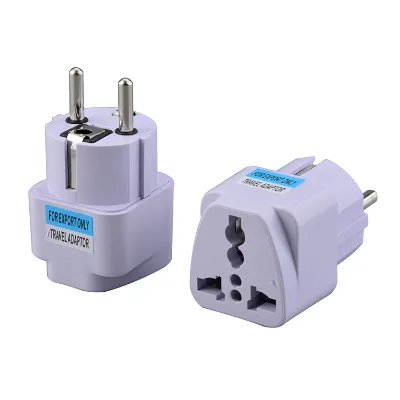
Explosion-proof metric adaptors are integral to industrial infrastructure where flammable gases, vapors, or dusts are present. Their primary application is in the connection of electrical conduits, instrumentation lines, and piping systems within hazardous zones. The "Usage" attribute explicitly mentioning "Power plug" indicates their role in electrical distribution systems, ensuring that connections remain secure and sealed against explosive atmospheres. The "British standard American standard European standard plug" description highlights the versatility required in global projects, where adaptors must bridge different national electrical and mechanical standards.
The "Item Type" of "Aquariums" in the provided data seems anomalous for explosion-proof adaptors and likely refers to a specific niche or a misclassification in the source data. However, in a broader industrial context, these adaptors are essential in oil and gas refineries, chemical processing plants, mining operations, and pharmaceutical manufacturing facilities. The "Features" noting "Applicable to multiple countries" reinforce their utility in international projects where equipment from different manufacturers must be integrated. The "Design" and "Style" attributes, such as "Fairy" or "Religious," appear to be irrelevant to the functional requirements of explosion-proof equipment and may indicate a data mixing issue in the source listings. Buyers should focus on the functional attributes like "Head Type" (Round) and "Shape" (Irregular) only insofar as they affect the mechanical fit and sealing capability.
The "Size" specifications, ranging from M14 to M52, cover a vast array of conduit diameters used in industrial settings. The "All" size option suggests that some suppliers offer a comprehensive catalog, while others may specialize in specific ranges. The "British regulatory, European regulations, US 2 feet" size descriptors indicate that the adaptors are often categorized by the regulatory standard they serve rather than just physical dimensions. This is crucial for procurement, as an adaptor that fits physically may not be compliant with the local electrical code. The "Eco-Friendly" feature, while positive, should be secondary to safety and compliance in this context. The "Stocked" status is particularly valuable for maintenance and repair operations where downtime must be minimized.
Supplier Evaluation and Sourcing Strategy
Evaluating suppliers for explosion-proof metric adaptors requires a multi-faceted approach that goes beyond simple price comparison. The "Place Of Origin" data points to major manufacturing hubs like Ningbo and Shandong in China, which are known for their robust metalworking and electrical component industries. The "Port of dispatch" being Qingdao further confirms the logistical capabilities of these regions. However, the geographical origin does not guarantee quality; buyers must assess the supplier's technical capability to produce certified products.
The "Brand Name" "houyi" is observed in the data, but buyers should not rely on brand recognition alone. Instead, they should verify the supplier's track record in producing certified explosion-proof equipment. The "Customization" availability is a strong indicator of a supplier's flexibility and engineering capability. A supplier that offers customization is likely more capable of meeting specific project requirements than one that only offers standard items. The "Production Model" numbers like "3C," "1DW," and "9K" serve as internal identifiers; buyers should request detailed datasheets for these specific models to understand their exact specifications and compliance status.
The "Standard" and "Certification" attributes are the most critical evaluation criteria. A supplier claiming ISO or SGS certification must provide valid certificates that are traceable to the specific product. The "Salt Spray Test" result of "More Than 72 Hours" is a tangible quality metric that buyers can use to compare suppliers. However, this should be viewed as a baseline; higher-end suppliers may offer superior corrosion resistance. The "Supply Ability" of 5000 barrels per month suggests that the supplier has significant production capacity, which is beneficial for large projects. Buyers should also consider the "Packing" methods, as robust packaging is essential to prevent damage during transit, especially for precision-machined metal components.
Quality Control and Long-Term Procurement Considerations
Ensuring the quality of explosion-proof metric adaptors is paramount, as failures in these components can lead to catastrophic consequences. Quality control should begin with the verification of raw materials. The "Raw Material" specifications of Carbon Steel, Stainless Steel, and Medium Carbon Steel must be validated through mill test certificates. The "Surface Treatment" processes, such as Zinc Plating and Chrome, must be inspected for uniformity and thickness to ensure they meet the required corrosion resistance standards. The "Salt Spray Test" is a key quality control metric, and buyers should request test reports for the specific batch of products being purchased.
Long-term procurement considerations involve building a sustainable relationship with suppliers who can consistently deliver high-quality products. The "Stock" status is a valuable indicator of a supplier's ability to meet immediate needs, but buyers should also assess their capacity for long-term supply. The "Lead Time" is not explicitly provided in the data, but the "Supply Ability" suggests that large orders can be fulfilled within a reasonable timeframe. Buyers should negotiate clear terms regarding quality assurance, including the right to conduct third-party inspections before shipment.
The "Product Name" and "Model Number" consistency is also important for long-term maintenance. Ensuring that the adaptors purchased today are compatible with future replacements is crucial for maintaining the integrity of the hazardous location system. The "Features" such as "Eco-Friendly" and "Stocked" can contribute to a more sustainable procurement strategy, but safety and compliance must remain the primary drivers. Finally, buyers should maintain a comprehensive record of all certifications, test results, and supplier evaluations to facilitate future audits and ensure continuous compliance with evolving safety regulations.
FAQs
What materials are used for explosion-proof metric adaptors?
Stainless steel, medium carbon steel, and low carbon steel are common materials. Some listings also mention plastic or ABS for non-structural housing components, but metallic construction is standard for the core adaptor mechanism.
Which standards do these adaptors comply with?
Products often comply with GB, DIN, ANSI, and JIS standards. Specific models may also meet 3C, 3D, or SGS certifications, but buyers must verify that the specific unit matches the local regulatory requirement for their region.
Can I find adaptors with custom surface treatments?
Yes, customization is available for surface treatments like zinc plating, chrome finishing, or galvanized sheet. These treatments enhance durability and corrosion resistance, with some products passing salt spray tests for more than 72 hours.
What is the typical size range for these adaptors?
Sizes typically range from M14*1.5 inches to M52*2 inches. Some suppliers offer a comprehensive catalog covering all sizes, while others may specialize in specific thread pitches and diameters required for different conduit systems.
How do I verify the certification status of a supplier?
Verify certifications like ISO, SGS, and RoHS against the specific product model. While 3C is common, it may not suffice for EU or North American operations, so request documentation proving compliance for the intended hazard zone.
What is the minimum order quantity for these products?
The observed minimum order quantity ranges from 1 to 5000 units. Buyers should consider the total cost of ownership, as ordering single items may have higher unit prices compared to bulk orders from suppliers with high capacity.
Where are these adaptors typically manufactured?
Products are often manufactured in Ningbo and Shandong, China, with dispatch ports like Qingdao. Buyers should assess the supplier's technical capability to produce certified products rather than relying solely on geographical origin.