Find Take Away Food Box Sealer for Rice, Meat, and Snack Packaging
Source 30 units of Take Away Food Box Sealer machines designed for sealing containers like trays, cups, and tubs. Buyers can compare manual and automatic models with stainless steel construction and pneumatic drives for sealing seasonings, rice, flour, fish, meat, and vegetables.
Key considerations
Products List


Lunchbox Fast Food Packing Inline Tray Sealer for Ready Meal Lid Sealing Machine
$5000.00 - $19000.00
MOQ: 1 Sets


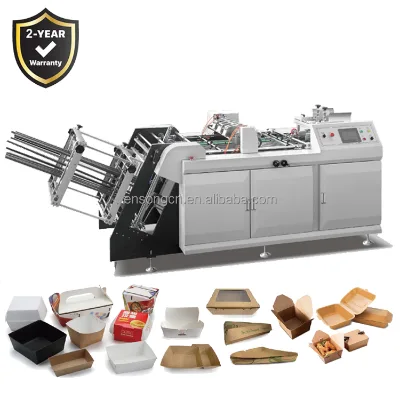
Disposable Food Parcel Plate Box Packaging Sealer for Paper Food Box Making Machine
$12600.00 - $12942.00
MOQ: 1 sets


Lunch Box Sealer Automatic Food Tray Sealing Machine with High Quality
$1600.00 - $1700.00
MOQ: 1 Sets

Automatic Tray Sealing Machine Lunch Box Sealing Machine Food Tray Sealing Machine
$1600.00 - $1700.00
MOQ: 1 Sets
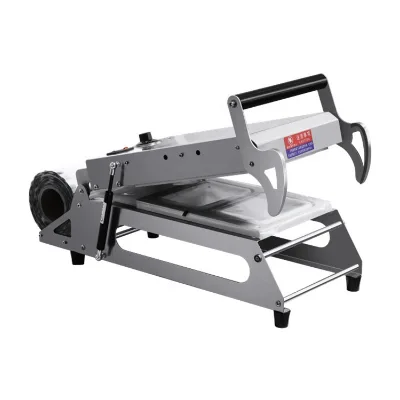


Automatic Control Butter Box Food Machine Tray Sealer Sealing Packing Machines
$6800.00 - $7000.00
MOQ: 1 Pieces

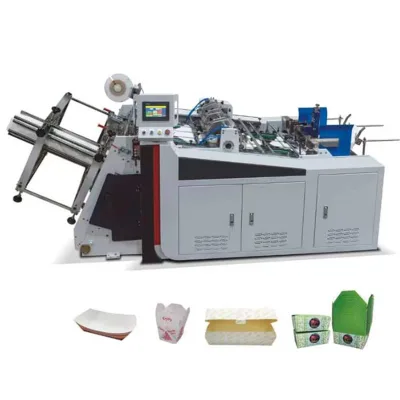
Comprehensive Sourcing Guide
Strategic Sourcing Guide for Take Away Food Box Sealers
Selecting the right equipment for sealing take-away food boxes requires a disciplined approach that balances technical capability with operational reliability. The market for tray sealing machines, often referred to as take-away food box sealers, presents a diverse array of options ranging from manual units to fully automated systems. Buyers must navigate a landscape where product attributes vary significantly between models, even when they share the same core keyword. This guide provides a structured framework for evaluating these machines based on verified specifications, material compatibility, and operational requirements, ensuring that procurement decisions are grounded in factual data rather than marketing generalizations.
Technical Specifications and Operational Capabilities
The foundational step in sourcing a take-away food box sealer involves a rigorous analysis of technical specifications. The data indicates a clear bifurcation in the market between manual and automatic grades. Manual tray sealing machines are designed for lower-volume operations or specific tasks where operator intervention is necessary for loading or positioning. These units often feature a simple mechanical design, utilizing a manual sealing mechanism that allows for precise control over the sealing process. In contrast, automatic machines, such as those driven by pneumatic systems, offer higher throughput and reduced labor dependency.
When evaluating the physical dimensions of the equipment, buyers should note that unit sizes can vary. For instance, specific models have been observed with dimensions around 450mm in length, 620mm in width, and 550mm in height. However, these figures are not universal; they represent specific configurations and should be treated as reference points for space planning rather than fixed standards for all units. The maximum tray size is another critical specification. Some units are engineered to accommodate trays up to 255mm by 225mm, which covers a wide range of standard take-away containers including square or rectangular shapes.
The sealing mechanism itself is a key differentiator. The primary function of these machines is to seal roll film over the tray, creating an airtight and secure package. The sealing method can be a straight cut or a die cut, depending on the specific model and the desired finish of the packaging. Furthermore, the machine's ability to handle different container types is essential. The equipment is generally suitable for sealing cups, trays, cans, and tubs, making it versatile for various food service applications. The yield rate is another performance metric to consider; some automated units claim a capacity of up to 400 trays per hour, though this figure is contingent on the specific model and the complexity of the sealing pattern.
Material Compatibility and Packaging Requirements
Understanding the materials involved in the sealing process is vital for ensuring product integrity. The take-away food box sealer is primarily designed to work with film packaging materials. The mechanical properties of the packaging material must be flexible enough to allow for effective sealing while maintaining the structural integrity of the container. The machines are compatible with plastic packaging materials, which are the industry standard for take-away food due to their durability and moisture resistance.
The construction of the machine itself is also a material consideration. High-quality units are often fabricated from stainless steel, a material chosen for its resistance to corrosion, ease of cleaning, and durability in food processing environments. This is particularly important for machines that will be used in applications involving seafood, meat, or dairy products, where hygiene standards are paramount. The machine's ability to handle bulk solid materials or specific food types like rice, flour, and vegetables is often linked to the sealing consistency and the stability of the tray during the process.
Buyers must also consider the type of film used. The sealing process typically involves a roll film that is applied over the tray. The compatibility of the film with the sealing temperature and pressure settings of the machine is crucial. If the film is not compatible with the machine's sealing head, the seal may fail, leading to leakage or spoilage. Additionally, the machine should be capable of handling the specific tray shapes required by the buyer, such as tofu trays, lunch boxes, or fast food trays. The versatility of the machine in adapting to different tray geometries without requiring extensive retooling is a significant advantage in a dynamic food service environment.
Compliance, Certification, and Regional Standards
Navigating the regulatory landscape is a critical component of the sourcing process. While specific certification statuses vary by manufacturer and region, buyers must verify that the equipment meets the necessary safety and quality standards for their target market. The data indicates that some units are manufactured to standards originating from China, with specific references to CE certification. CE marking is a crucial indicator for products sold within the European Economic Area, signifying that the machine meets EU safety, health, and environmental protection requirements.
However, it is important to treat certification claims with caution. Not every listed product will possess every certification. Buyers should request current certification documents directly from the supplier to confirm the status of the machine. Other potential certifications, such as RoHS, may also be relevant depending on the electrical components used in the machine. The origin of the product, often cited as Wenzhou or Zhejiang in China, can influence the compliance framework, as different regions have varying manufacturing standards.
In addition to certifications, the standard of the machine's construction should be verified. Some specifications mention a standard weight of 55kg, which may serve as a proxy for the robustness of the build, though this is not a universal standard. Buyers should ensure that the machine complies with local electrical codes and safety regulations in their country of operation. This includes verifying that the pneumatic systems, if present, meet the necessary pressure and safety guidelines. The absence of a specific certification on a product listing does not necessarily indicate non-compliance, but it does require the buyer to conduct a thorough due diligence process to confirm the machine's suitability for their specific regulatory environment.
Cost Drivers and Procurement Economics
The cost of a take-away food box sealer is influenced by several factors, including the level of automation, the materials used in construction, and the specific features included. The observed price range in the market spans from $200 to $20,000, reflecting the vast difference between basic manual units and advanced automated systems. This wide range underscores the importance of aligning the budget with the actual operational needs of the business. A manual sealer may be sufficient for a small café with low volume, whereas a high-speed automatic machine is necessary for a large-scale food processing facility.
The minimum order quantity (MOQ) is another economic factor to consider. The data shows an MOQ range of 1 to 6 units, indicating that buyers can often purchase a single unit for pilot testing or small-scale operations. This flexibility is beneficial for businesses that are just starting out or those looking to expand their capabilities incrementally. However, buyers should be aware that purchasing multiple units may offer economies of scale, potentially reducing the per-unit cost.
Additional cost drivers include optional features such as photocell sensors for film detection and date printing capabilities. These features add value but also increase the overall cost of the machine. The packaging of the machine, often in a wooden box or case, is also a factor that can impact shipping costs and the overall procurement budget. Buyers should factor in the cost of shipping, which can be significant given the weight and dimensions of the equipment. The origin of the machine, whether from Wenzhou or Zhejiang, can also influence shipping logistics and lead times, which in turn affect the total cost of ownership.
Typical Applications and Industry Versatility
Take-away food box sealers are designed to serve a wide array of applications across the food and beverage industry. The versatility of these machines allows them to be used for sealing a variety of products, including seasonings, rice, flour, snacks, fish, meat, vegetables, fruits, tea, drinks, dairy products, and even non-food items like hair care and cosmetic products. This broad applicability makes them a valuable asset for businesses that handle diverse product lines or those that need to adapt to changing market demands.
The specific application of the machine often dictates the required features. For instance, sealing fish and meat products may require a higher level of hygiene and a more robust sealing mechanism to prevent leakage and contamination. Similarly, sealing dairy products or beverages may require a machine that can handle different types of containers, such as cups or tubs. The ability to seal fast food trays and lunch boxes is particularly relevant for the quick-service restaurant industry, where speed and efficiency are critical.
The machine's suitability for sealing packing is a key attribute that highlights its primary function. Whether the application involves sealing a simple plastic tray or a more complex container, the machine must be able to create a secure seal that preserves the freshness and quality of the product. The flexibility of the machine to handle different tray shapes, such as square or rectangular, further enhances its utility in various food service settings. Buyers should evaluate their specific product requirements to ensure that the selected machine can meet their unique sealing needs.
Supplier Evaluation and Quality Assurance
Evaluating suppliers is a critical step in the procurement process. Buyers should look for suppliers who provide transparent information about their products, including detailed specifications, material composition, and compliance documentation. The presence of a product model number, such as HS-300 or BG-2, can help in identifying specific units and comparing their features. However, buyers should be cautious of generic listings that lack specific model details, as these may indicate a lack of standardization or quality control.
Quality assurance should be a priority when selecting a supplier. Buyers should inquire about the manufacturing process, the quality of the materials used, and the testing procedures employed to ensure the machine's reliability. The use of stainless steel and the precision of the sealing mechanism are indicators of quality. Additionally, buyers should verify the supplier's track record in delivering machines that meet the specified performance criteria, such as the claimed yield of 400 trays per hour.
Long-term procurement considerations include the availability of spare parts, maintenance support, and the supplier's reputation for customer service. A machine that requires frequent repairs or has limited support can lead to significant downtime and increased operational costs. Buyers should also consider the lead time for delivery and the reliability of the supplier in meeting these timelines. The packaging of the machine, often in a wooden case, should be robust enough to protect the equipment during transit. By thoroughly evaluating suppliers based on these criteria, buyers can mitigate risks and ensure a successful procurement experience.
Long-Term Procurement Considerations and Future-Proofing
When investing in a take-away food box sealer, buyers should consider the long-term implications of their decision. The rapid evolution of food packaging standards and the increasing demand for sustainable materials may require machines that are adaptable to new film types or sealing technologies. Buyers should look for machines that offer upgrade options or modular designs that can accommodate future changes in packaging requirements.
The operational efficiency of the machine is another long-term consideration. A machine that is easy to operate and maintain will reduce labor costs and minimize downtime. The ability to integrate with existing production lines or to be scaled up as the business grows is also important. Buyers should assess the machine's compatibility with their current workflow and its potential for expansion.
Finally, the total cost of ownership should be evaluated over the lifespan of the machine. This includes not only the initial purchase price but also the costs of energy consumption, maintenance, and potential upgrades. By taking a holistic view of the procurement process, buyers can make informed decisions that support the long-term success of their operations. The data suggests that while the initial investment can vary widely, the right choice of machine can provide significant value and efficiency gains over time.
FAQs
Can this machine seal various food types like meat and vegetables?
Yes, the machine seals seasonings, rice, flour, snacks, fish, meat, vegetables, fruits, tea, drinks, dairy, and cosmetics. It handles containers such as cups, trays, cans, and tubs suitable for these diverse product applications.
What is the maximum tray size this sealer can accommodate?
The unit accommodates trays up to 255mm by 225mm in size. It is designed for square or rectangular shapes including tofu trays, lunch boxes, and fast food trays without requiring extensive retooling for different geometries.
Which automation grade options are available for this equipment?
Both manual and automatic grades are available in the market. Manual units offer precise operator control, while automatic pneumatic models provide higher throughput and reduced labor dependency for larger volume operations.
How fast can an automatic model process trays per hour?
Automated units can achieve a yield of up to 400 trays per hour. This capacity depends on the specific model configuration and the complexity of the sealing pattern required for the packaging material.
What material is used to construct the machine body?
The machine body is constructed from stainless steel for durability and hygiene. This material ensures resistance to corrosion and ease of cleaning, which is critical for food processing environments involving seafood or meat.
Can the sealing film be cut in different styles?
Yes, the machine supports both straight cut and die cut options for the sealing film. The specific cutting style depends on the model configuration and the desired finish of the final packaged product.
What is the typical minimum order quantity for purchasing one unit?
The minimum order quantity ranges from 1 to 6 units depending on the supplier. This flexibility allows buyers to purchase single units for pilot testing or small-scale operations without committing to large bulk orders.