Source Exterior Decorative Metal Panels for Offices Hotels Homes
Compare 30 Exterior Decorative Metal Panels from verified Chinese manufacturers. Explore options for offices, hotels, and households with customizable finishes and fire ratings.
Key considerations
Products List

Interior Exterior Decorative Board Waterproof Metal Integrated Decorative Panel
$9.90 - $60.00
MOQ: 500 Square Meters


Exterior Wall Decorative Panel Outdoor Siding Metal Insulated Panel
$6.50 - $8.50
MOQ: 100 Square Meters

$6.50 - $8.50
MOQ: 100 Square Meters


Weatherproof Outdoor Exterior Wall Stainless Steel Decorative Panel
$49.99 - $69.99
MOQ: 100 Square Meters

Solid Surface Decorative Cladding Board Exterior Metal Wall Siding Panel
$3.50 - $10.00
MOQ: 1000 Square Meters

Hot Sell Solid Surface Decorative Cladding Board Exterior Metal Wall Siding Panel
$3.50 - $10.00
MOQ: 1000 Square Meters


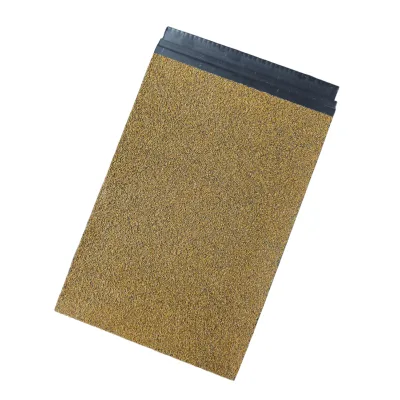

Stylish Aluminum Decorative Panels for Exterior Wall Applications
$19.00 - $21.00
MOQ: 200 Square Meters


High-Density Decorative Exterior Panel for Lasting Outdoor Performance
$14.95 - $15.81
MOQ: 200 Square Meters

Decorative Lightweight Metal Panel for Customized Architectural Outdoor Solutions
$18.50 - $22.80
MOQ: 10 Square Meters

Lightweight Architectural Metal Panel for Customized Outdoor Aesthetics
$18.50 - $22.80
MOQ: 10 Square Meters

Custom Metal Expanded Panel for Stylish Outdoor Architectural Applications
$18.50 - $22.80
MOQ: 10 Square Meters

Customized Lightweight Metal Expanded Panel for Stylish Outdoor Projects
$18.50 - $22.80
MOQ: 10 Square Meters

Lightweight Customized Metal Panel for Premium Outdoor Architectural Projects
$18.50 - $22.80
MOQ: 10 Square Meters

Lightweight Metal Expanded Panel for Customized Outdoor Architectural Projects
$18.50 - $22.80
MOQ: 10 Square Meters


Comprehensive Sourcing Guide
Strategic Sourcing Guide for Exterior Decorative Metal Panels
Procuring Exterior Decorative Metal Panels requires a disciplined approach that balances aesthetic requirements with rigorous technical performance. The global market for these materials is vast, yet the specific attributes of the product often vary significantly between suppliers. For buyers, the primary challenge lies in distinguishing between generic marketing claims and verified product specifications. This guide outlines the essential factors for sourcing these panels, focusing on material integrity, compliance verification, and supply chain reliability.
Understanding Material Composition and Surface Engineering
The foundation of any high-performance exterior panel lies in its base material and surface treatment. The core material for many exterior decorative panels is aluminum alloy, selected for its favorable strength-to-weight ratio and resistance to corrosion. Unlike steel, aluminum does not rust, making it ideal for long-term exposure to the elements. However, the alloy composition itself can vary, and buyers must verify the specific grade to ensure it meets structural requirements for the intended application.
Surface treatment is equally critical, as it dictates the panel's durability and aesthetic longevity. Common finishing processes include PE (Polyester), PVDF (Polyvinylidene Fluoride), Mill Finish, and Anodised coatings. PVDF is generally preferred for high-end architectural applications due to its superior resistance to UV degradation and color retention. PE coatings offer a cost-effective alternative but may have a shorter lifespan in harsh environments. The choice of finish directly impacts the panel's ability to withstand weathering, chemical exposure, and physical abrasion.
Buyers should also consider the available shapes and textures. Panels are often available in flat, curving, or carved configurations to suit diverse architectural designs. The surface can be treated to mimic wood or stone textures while retaining the structural benefits of metal. This versatility allows for creative freedom without compromising on the material's inherent strength. The edgefold, whether sealed or unsealed, is another technical detail that affects the panel's resistance to moisture ingress and its overall structural integrity.
Technical Specifications and Performance Metrics
When evaluating exterior metal panels, specific technical metrics must be scrutinized to ensure the product meets project demands. One of the most critical performance indicators is the combustion performance level. High-quality panels should achieve a Grade A rating, indicating superior fire resistance. This is particularly important for building codes that mandate strict fire safety standards for exterior cladding. The fire rating is often a binary or graded system, and buyers must confirm that the product aligns with local regulatory requirements.
Physical strength is another vital consideration. Anti-impact strength is a key metric, with observed values ranging from 3 Joules to 10 Joules in various product listings. This range suggests that impact resistance can vary significantly between different product lines. Buyers must select a panel with an impact rating that matches the environmental risks of the installation site, such as areas prone to hail or potential physical contact. Additionally, the single-point anchorage force is a crucial safety parameter, with some specifications requiring a minimum force of 0.30 units to ensure the panel remains securely attached under wind load or seismic activity.
Water absorption is a less obvious but equally important specification. Panels with a water absorption rate of ≤500 are generally considered suitable for exterior use, as low absorption prevents moisture-related degradation, such as delamination or internal corrosion. The aperture size, often standardized at 8mm in certain designs, influences the panel's acoustic and thermal properties. Buyers should verify that the aperture and other dimensional tolerances align with the specific design intent of the project.
Compliance, Standards, and Certification Verification
Navigating the landscape of standards and certifications is essential for ensuring that purchased panels meet legal and safety requirements. While specific certification bodies vary by region, the product standards themselves provide a baseline for quality. For instance, width specifications often fall within the range of 400mm to 1200mm, while standard sheet sizes like 1220mm by 2440mm are common in the industry. Thickness is another variable, with some panels ranging from 0.6mm to 1.5mm or being custom-made to specific project needs.
Buyers must verify that the product origin and manufacturing location are transparent. Many high-quality panels originate from industrial hubs in China, such as Foshan, Guangdong, or Hangzhou. While the location itself does not guarantee quality, it indicates the supply chain's maturity and the availability of specialized manufacturing infrastructure. It is crucial to confirm that the supplier can provide documentation proving that the product adheres to the stated standards, such as the specific model numbers like YY739, YY995, or YY999, which may correspond to different performance tiers or design features.
Compliance also extends to the adhesive used in the installation process. Epoxy adhesives are frequently cited for their strong bonding capabilities, but buyers should ensure that the adhesive is compatible with the specific surface treatment of the panel. The application of the panel, whether for decorative purposes or insulation, must align with the fire rating and structural capabilities of the product. For example, panels with a fire rating of 1 or 2 may be required for specific building zones, and using a panel with an insufficient rating can lead to compliance failures.
Cost Drivers and Procurement Economics
The cost of Exterior Decorative Metal Panels is influenced by a complex interplay of factors, including material costs, surface treatment complexity, and customization requirements. The observed price range in the market is vast, spanning from $2.60 to $2700 per unit or batch, depending on the scale and specifications. This wide variance highlights the importance of defining the exact requirements before soliciting quotes. High-end PVDF coatings, custom shapes, and specialized fire ratings will naturally command higher prices than standard mill-finish or PE-coated options.
Minimum Order Quantity (MOQ) is another significant cost driver. While some suppliers offer low MOQs as low as 1 unit for sampling or small projects, larger orders often require a commitment of 200 square meters or more. This threshold can impact the unit price, with larger orders typically benefiting from economies of scale. Buyers must balance the need for customization against the financial implications of meeting high MOQs. For projects requiring unique patterns or specific dimensions, the MOQ may need to be negotiated or the design adjusted to fit standard production runs.
Packaging and logistics also contribute to the total cost of ownership. Standard export packaging often includes wooden pallets, protective films, and plywood crates to prevent damage during transit. However, some suppliers may offer alternative packaging options, such as cartons or wooden crates, which can affect shipping costs and handling requirements. Buyers should factor in the cost of specialized packaging if the destination has strict import regulations or if the project site has limited handling capabilities.
Typical Applications and Design Integration
Exterior Decorative Metal Panels are versatile materials used across a wide range of applications. They are commonly employed for exterior wall cladding, where they provide both aesthetic appeal and functional protection. The lightweight nature of aluminum alloy panels makes them ideal for retrofitting existing buildings or adding new facades without overloading the structural framework. Their fireproof and environmental properties make them suitable for high-rise buildings, commercial centers, and public infrastructure.
Beyond exterior cladding, these panels are also used for decorative and insulation panels in various settings. The ability to customize patterns and colors allows architects to create unique visual identities for buildings. RAL colors and wood or stone textures enable the panels to blend seamlessly with natural surroundings or modern architectural styles. The application extends to indoor environments as well, including offices, hotels, households, and dust-free rooms, where the panels provide a clean, durable, and aesthetically pleasing surface.
The specific application dictates the required performance characteristics. For instance, panels used in dust-free rooms may require specific surface treatments to prevent bacterial growth, while those used in public spaces must meet stringent fire safety and impact resistance standards. Buyers should carefully evaluate the intended use case to ensure the selected panel meets all functional and regulatory requirements. The pattern availability, ranging from many standard options to fully custom designs, offers flexibility in achieving the desired architectural vision.
Supplier Evaluation and Quality Assurance
Selecting the right supplier is a critical step in the procurement process. Buyers should prioritize suppliers who demonstrate transparency in their manufacturing processes and provide clear documentation of their product specifications. The presence of a specific model number, such as YY752 or YY964, can serve as a reference point for verifying product consistency. Suppliers should be able to provide detailed information about their production capacity, lead times, and quality control measures.
Quality assurance should be a central focus of the evaluation process. Buyers should request samples to verify the physical attributes of the panels, including the surface finish, thickness, and edgefold quality. Testing for water absorption, anti-impact strength, and fire rating should be conducted by independent laboratories to ensure the results match the supplier's claims. The supplier's ability to provide test reports and certifications is a strong indicator of their commitment to quality.
Long-term procurement considerations also include the supplier's ability to maintain consistent quality over time. The production process should be stable, with strict controls on material sourcing and manufacturing parameters. Buyers should assess the supplier's track record in delivering projects of similar scale and complexity. The availability of after-sales support and the ability to handle custom orders efficiently are also important factors. A reliable supplier will work closely with the buyer to address any issues that arise during the project lifecycle.
Long-Term Procurement and Maintenance Strategy
Sourcing Exterior Decorative Metal Panels is not just about the initial purchase; it involves a long-term strategy for maintenance and lifecycle management. The durability of the panels depends on the quality of the materials and the installation process. Buyers should ensure that the installation team is trained in the specific requirements of the chosen panel system, including the correct application of adhesives and anchorage systems. Proper installation is crucial for maximizing the lifespan of the panels and preventing premature failure.
Maintenance requirements vary depending on the surface treatment and environmental conditions. Panels with PVDF coatings generally require less maintenance than those with PE coatings, but regular cleaning and inspection are still necessary to remove dirt and debris that could affect the appearance. Buyers should develop a maintenance plan that includes periodic inspections for signs of damage, such as scratches, dents, or coating degradation. Early detection of issues can prevent costly repairs and extend the service life of the cladding system.
In conclusion, sourcing Exterior Decorative Metal Panels requires a comprehensive understanding of the product's technical specifications, compliance requirements, and cost drivers. By carefully evaluating the material composition, surface treatment, and performance metrics, buyers can select panels that meet their specific project needs. Working with reputable suppliers who prioritize quality and transparency ensures a successful procurement process and a durable, aesthetically pleasing building facade.
FAQs
What materials are used for Exterior Decorative Metal Panels?
The core material is aluminum alloy, selected for its strength and corrosion resistance. This material supports various surface treatments like PE, PVDF, and anodizing to ensure durability in outdoor environments.
How can I verify the fire safety rating of these panels?
High-quality panels typically achieve a Grade A combustion performance level or a Fire Rating of 1 or 2. Buyers must confirm these ratings align with local building codes before installation.
Which surface treatments are available for aluminum alloy panels?
Available surface treatments include PE, PVDF, Mill Finish, and Anodised coatings. PVDF is preferred for superior UV resistance, while PE offers a cost-effective alternative for less harsh environments.
What is the minimum order quantity for custom metal panels?
The standard minimum order quantity is 200 square meters for custom orders. Some suppliers may offer lower MOQs for sampling, but bulk pricing typically requires meeting this threshold.
Can these panels be customized for specific architectural designs?
Yes, customization is available for shapes, colors, and patterns. Panels can be flat, curving, or carved with RAL colors or wood and stone textures to match specific project requirements.
How do I ensure the panels meet structural strength requirements?
Check the anti-impact strength, which ranges from 3 to 10 Joules, and the single-point anchorage force of at least 0.30. These metrics ensure the panels withstand environmental loads and physical stress.
Where are these metal panels typically manufactured?
Manufacturing locations include Foshan, Guangdong, and Hangzhou in China. These industrial hubs provide mature supply chains and specialized infrastructure for producing high-quality exterior decorative panels.