Source Exterior Tiles Stone Wool Board for Insulation, Fireproofing, and Acoustics
Find 30 verified Exterior Tiles Stone Wool Board options from Chinese manufacturers. Compare basalt-based mineral wool boards with densities from 50-180kg/m3, thicknesses up to 200mm, and Class A fire ratings for construction thermal insulation and noise reduction projects.
Key considerations
Products List


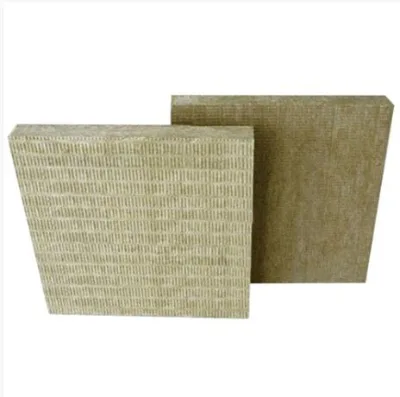


Waterproof Fireproof Cladding Exterior Wall Boards Rock Wool Sandwich Panels
$4.90 - $9.00
MOQ: 500 Square Meters

Good Price Thermal Insulation Stone Rock Wool Board for Exterior Wall
$0.90 - $1.20
MOQ: 1 Square Meters


Comprehensive Sourcing Guide
Exterior Tiles Stone Wool Board Sourcing Guide
Procuring Exterior Tiles Stone Wool Board requires a precise understanding of the material's dual role as both a thermal insulator and a structural component within composite wall systems. The core product, often identified as rock wool or mineral wool board, is manufactured from basalt rock and other natural stones like diabase and dolomite, which are melted and spun into fibers. This composition provides inherent fire resistance and thermal stability, making it suitable for high-performance building envelopes where safety and energy efficiency are paramount. Buyers must recognize that while the material is versatile, its specific application in exterior tile systems demands rigorous verification of density and tensile strength to ensure the board can support the weight of the cladding without deformation.
The sourcing landscape for these boards is characterized by a wide range of customization options and varying technical specifications that directly impact performance. Manufacturers in China, particularly in provinces like Shandong, Guangdong, and Hebei, offer products with densities ranging from 50kg/m³ to 180kg/m³ and thicknesses typically between 25mm and 200mm. These variations allow buyers to tailor the insulation layer to specific climate requirements and structural loads. However, the diversity in product models, such as BSTWOOL or Class A variants, necessitates a careful review of the supplier's technical data sheets to ensure the selected board meets the specific design criteria of the project, rather than relying on generic product descriptions.
Product Scope and Observed Listing Signals
When evaluating product listings, buyers should look for specific signals that confirm the material is genuine stone wool board suitable for exterior applications. The observed market data indicates that these products are frequently described with attributes such as "Heat Insulation," "Waterproof," and "Noise Reduction," alongside features like "Easy to Install" and "Durable." It is critical to distinguish between general mineral wool products and those specifically engineered for exterior tile systems, which often carry designations like "Rigid Rock Wool Board For Exterior Wall Composite System." Listings that mention a "Total Solution for Projects" or "Project Solution Capability" suggest a supplier's ability to provide integrated support, which is valuable for complex construction endeavors.
The physical specifications observed in the market provide a baseline for what to expect, though they vary significantly by manufacturer. Common listing details include a thermal conductivity of approximately 0.041 W/mK and a working temperature range that can extend up to 650 degrees Celsius, depending on the specific grade. Dimensions are typically standardized to 1200mm in length with widths of 600mm, though custom sizes are often available upon request. Buyers must verify that the listed "Apparent Density" aligns with the structural requirements of the facade, as densities below 60kg/m³ may lack the necessary rigidity for heavy tile applications, while higher densities offer better stability but at a potentially increased cost.
Technical Specifications to Verify
Verifying the technical specifications of Exterior Tiles Stone Wool Board is the most critical step in ensuring long-term performance and safety. The thermal conductivity is a primary metric, with observed values around 0.041 W/mK serving as a benchmark for efficient insulation, but buyers must confirm this figure for the specific density they are purchasing. Additionally, the tensile strength in the vertical direction is essential for preventing delamination under wind loads; specifications should reference standards like EN 1607, with a target strength of at least 7 Kpa to ensure stable installation. Without these verified metrics, the board may fail to support the exterior tiles, leading to costly repairs or safety hazards.
Fire safety and smoke generation ratings are equally vital for exterior applications, particularly in high-rise buildings where fire spread is a major concern. Buyers should demand documentation confirming that the product meets smoke density ratings of ASTM E84 ≤50% and possesses a refractoriness suitable for the intended environment, often cited in the range of 200-450°C for standard grades, though some high-performance boards withstand up to 650 degrees. The water vapor permeability is another key parameter, with ISO 12572 standards indicating a value of ≥0.03 Kg/(M·S·PA) to allow the wall system to breathe while preventing moisture accumulation. These specific numerical thresholds must be explicitly stated in the supplier's test reports to validate the product's suitability for the project.
Compliance and Safety Documentation
Compliance with international and local standards is non-negotiable when sourcing Exterior Tiles Stone Wool Board for commercial or residential construction. The market data highlights several key certifications that buyers should expect to see, including CE marking, ISO 9001 for quality management, and specific product standards like ASTM C612 and GB/T 11835-2016. These certifications indicate that the manufacturer adheres to rigorous production controls and that the product has undergone independent testing for fire resistance, thermal performance, and dimensional stability. A lack of these certifications should be treated as a red flag, as it suggests the product may not meet the safety requirements of the destination market.
Beyond general certifications, specific safety documentation regarding fire behavior and environmental impact must be reviewed. The product's classification, such as "Class A" for fire resistance, must be supported by official test results that align with the building codes of the project location. Buyers should also verify the smoke density rating and ensure that the material does not emit harmful substances during a fire event. Documentation should clearly state the raw materials used, confirming the use of basalt rock wool, which is inherently non-combustible, and provide evidence of the product's durability and resistance to water vapor permeability. This comprehensive documentation package is essential for passing building inspections and ensuring the safety of the final structure.
Cost Drivers and Commercial Terms
The cost of Exterior Tiles Stone Wool Board is influenced by several factors, including the raw material composition, density, and the level of customization required. Basalt rock is the primary raw material, and the processing method to achieve specific densities ranging from 50kg/m³ to 180kg/m³ directly impacts the manufacturing cost. Higher density boards, which offer better structural support and thermal performance, generally command a higher price point. Additionally, the thickness of the board, which can range from 25mm to 200mm, is a significant cost driver, as thicker boards require more material and energy to produce. Buyers should anticipate that custom sizes or specialized surface treatments will incur additional charges beyond the base price.
Commercial terms and minimum order quantities (MOQ) vary widely among suppliers, with observed ranges from 1 piece to 1000 pieces. This flexibility allows buyers to order small quantities for sample testing or large volumes for full-scale projects, but it also requires careful negotiation to optimize logistics and unit costs. The observed price range in the market spans from $0.5 to $70 per unit, reflecting the diversity in product specifications and supplier capabilities. Buyers should clarify whether the quoted price includes packaging, such as cartons, bags, or pallets, and whether it covers shipping and insurance. Understanding these commercial terms is essential for accurate budgeting and avoiding unexpected expenses during the procurement process.
Supplier Qualification and Quality Control
Selecting a qualified supplier is paramount to ensuring the consistency and reliability of Exterior Tiles Stone Wool Board. Buyers should prioritize manufacturers that offer comprehensive after-sales support, including technical teams that provide installation guidance and online technical support. The presence of a dedicated project solution capability indicates that the supplier can assist with complex design challenges and ensure that the product integrates seamlessly with other building components. Additionally, suppliers that offer free sample testing and personalized size or density customization demonstrate a commitment to meeting specific buyer requirements, which is crucial for achieving the desired performance outcomes.
Quality control processes should be transparent and verifiable, with suppliers providing clear evidence of their manufacturing standards and testing protocols. Buyers should verify that the supplier has a robust quality management system, such as ISO 9001 certification, and that they conduct regular internal and external audits. The production location, often in provinces like Shandong, Guangdong, or Hebei in China, can also be a factor in assessing the supplier's logistical capabilities and reputation. It is advisable to request a detailed quality control plan that outlines how the supplier manages raw material sourcing, production monitoring, and final product inspection to ensure that every batch meets the specified technical and safety standards.
Long-Term Procurement Checks
Establishing a long-term procurement strategy for Exterior Tiles Stone Wool Board involves regular performance monitoring and supplier relationship management. Buyers should implement a system for tracking the performance of installed boards over time, focusing on indicators such as thermal efficiency, structural integrity, and resistance to environmental factors. Regular audits of the supplier's production facilities and quality control processes can help identify potential issues before they impact the supply chain. Additionally, maintaining open communication with the supplier regarding any changes in standards or regulations ensures that the procured materials remain compliant and effective throughout the lifecycle of the building.
Warranty and after-sales service are critical components of a long-term procurement plan, providing a safety net against potential product failures. A standard warranty period of one year is common, but buyers should negotiate terms that cover specific performance metrics, such as thermal conductivity retention and fire resistance. The supplier's ability to provide ongoing technical support and replacement parts in case of defects is also essential for maintaining the building's performance. By establishing clear expectations and maintaining a proactive approach to supplier management, buyers can ensure a reliable supply of high-quality Exterior Tiles Stone Wool Board that meets the demands of modern construction projects.
FAQs
What materials are used to make Exterior Tiles Stone Wool Board?
The board is primarily made from basalt rock wool, diabase, dolomite, and limestone. These raw materials are processed to create a rigid structure suitable for construction applications while ensuring high thermal insulation performance.
Can I get custom sizes for Exterior Tiles Stone Wool Board?
Yes, customization services are available for personalized size and density requirements. Buyers can request free sample testing to verify that the specific dimensions and density meet their project needs before placing a larger order.
Which certifications do Exterior Tiles Stone Wool Board products hold?
Products hold global certifications including CE, ISO 9001, ASTM C612, and GB/T 11835-2016. These standards ensure the material meets international requirements for quality, safety, and performance in various construction environments.
How does Exterior Tiles Stone Wool Board handle heat insulation?
The board provides effective heat insulation with a thermal conductivity of 0.041 W/mK. It is designed to withstand high temperatures up to 650 degrees Celsius, making it ideal for thermal insulation in building systems.
What is the minimum order quantity for Exterior Tiles Stone Wool Board?
The minimum order quantity can be as low as one piece for some suppliers. However, typical ranges observed in the market span from one to one thousand pieces depending on the specific manufacturer and product configuration.
Where are Exterior Tiles Stone Wool Board manufacturers located?
Manufacturers are located in provinces such as Shandong, Guangdong, and Hebei in China. These regions host various factories producing rock wool boards with different specifications and customization capabilities for global export.
What after-sales support is available for Exterior Tiles Stone Wool Board?
Technical teams provide installation guidance and online technical support for buyers. This ensures that customers receive assistance with product application and troubleshooting throughout the project lifecycle, backed by a one-year warranty.