Source External Thread PE Pipe Fittings for Water Supply
Find 30 verified listings for External Thread PE Pipe Fittings suitable for water supply, drainage, and ventilation systems. Buyers can compare specifications, materials, and pricing from multiple suppliers in China to select the right components for building projects; compare the available evidence and request quotations based on your requirements.
Key considerations
Products List

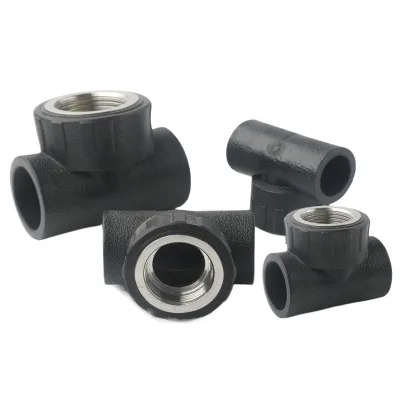

High Quality Pipe Fittings Adapter Internal and External Threaded Fittings
$1.11 - $20.80
MOQ: 100 Pieces


Comprehensive Sourcing Guide
External Thread PE Pipe Fittings Sourcing Guide
Procuring External Thread PE Pipe Fittings requires careful attention to material consistency and dimensional accuracy, as these components are critical for connecting rigid and flexible piping systems in water supply and drainage networks. Buyers must verify that the fittings match the specific pipe diameter and pressure class, ensuring a seamless transition between threaded connections and the main pipeline infrastructure. The observed market data indicates a wide range of available sizes, from small diameter fittings suitable for residential applications to large-scale industrial components, necessitating precise specification matching to avoid system failures.
The customization options available in the current market allow buyers to tailor fittings for specific project requirements, including unique thread profiles or specialized connection methods. However, the presence of varying material grades, such as HDPE and general PE, demands rigorous verification to ensure the selected fittings possess the necessary chemical resistance and mechanical strength for the intended service environment. Buyers should prioritize suppliers who can demonstrate consistent production standards across different batch sizes to maintain system integrity over the long term.
Product Scope and Observed Listing Signals
The observed product listings reveal a diverse range of External Thread PE Pipe Fittings, with specifications extending from DN20 up to DN1200, catering to both small-scale building projects and large municipal infrastructure. Listings frequently highlight the availability of cut-on-request lengths and various packing methods, including cartons, ton bags, and frames, which suggests flexibility in logistics for different order volumes. The color black is a common attribute, likely indicating the use of carbon black for UV protection, a standard feature for outdoor durability in polyethylene products.
Buyers should note the variation in listed standards, with some products citing ISO 4427 and GB/T13663.3-2018, while others reference generic "standard" or specific model numbers like LKSG3003. This inconsistency in documentation requires immediate clarification during the sourcing process to ensure the purchased fittings meet the specific regulatory requirements of the destination country. The presence of "Handmade" attributes alongside automated production standards suggests a mix of manufacturing capabilities, where buyers must assess whether the level of manual intervention impacts the dimensional precision required for threaded connections.
Technical Specifications to Verify
Dimensional accuracy is paramount when sourcing External Thread PE Pipe Fittings, as the thread profile must align perfectly with the mating pipe or fitting to prevent leaks under pressure. Buyers must verify the specific thread standards, such as the SDR11 and SDR17 classifications observed in some listings, which dictate the wall thickness and pressure rating of the fitting. The density of 0.96g/Cm³ observed in the data serves as a baseline for material quality, but buyers should request batch-specific density reports to confirm the material consistency across the entire order.
Temperature resistance is another critical technical parameter, with observed ranges indicating suitability for environments between -40ºC and 40ºC. This limitation means that applications involving extreme heat or freezing conditions outside this range require special consideration or alternative materials. Additionally, the hardness classification of "Hoses" in some listings may indicate flexibility, which could be a disadvantage for rigid threaded connections; buyers must confirm that the specific fitting model possesses the necessary rigidity to maintain thread engagement without deformation during installation.
Compliance and Safety Documentation
Compliance with international and local standards is essential for ensuring the safety and longevity of piping systems, particularly for potable water applications. The observed certifications, including GB and ISO references, provide a starting point for verification, but buyers must confirm that the specific product batch holds valid, up-to-date certification documents from recognized testing bodies. Relying solely on the generic "ISO" label without specific standard numbers can lead to non-compliance with local building codes, so detailed documentation requests are necessary before finalizing any purchase.
Safety documentation should also address the chemical composition of the fittings to ensure they do not leach harmful substances into the water supply. While the material is identified as PE or HDPE, which are generally safe, buyers must verify that the production process adheres to strict hygiene standards, especially for fittings used in drinking water systems. The absence of specific test results in the general listing data underscores the need for suppliers to provide third-party laboratory reports confirming the absence of heavy metals and other contaminants.
Cost Drivers and Commercial Terms
The cost of External Thread PE Pipe Fittings is influenced by several factors, including the raw material price fluctuations, the complexity of the threading process, and the specific size and pressure rating of the component. The observed price range of 0.01 to 100000 USD reflects the vast difference between small, single-item fittings and large, custom-engineered industrial components. Buyers should be aware that lower prices may correlate with thinner wall thicknesses or lower-grade materials, which could compromise the long-term performance of the piping system.
Commercial terms such as MOQ and lead times vary significantly, with observed ranges from 1 to 10000 units and origins in Jiangsu, Zhejiang, and Shandong provinces. These logistical variables impact the total landed cost, as shipping methods like sea, air, or rail freight must be selected based on the urgency and volume of the order. Buyers should negotiate clear terms regarding packaging, such as the use of export standing packing or standard cartons, to minimize damage during transit and ensure that the fittings arrive in perfect condition for installation.
Supplier Qualification and Quality Control
Supplier qualification involves a thorough assessment of their manufacturing capabilities, quality control systems, and track record in producing threaded fittings. The observed production origins in China, specifically in provinces known for plastic manufacturing, suggest a mature supply chain, but buyers must verify the specific factory's capacity to maintain consistent thread quality across large production runs. The presence of OEM acceptance indicates flexibility, but buyers should ensure that the supplier has the technical expertise to replicate exact specifications without deviation.
Quality control measures should include regular inspections of thread pitch, diameter, and surface finish to prevent installation issues. Buyers should request evidence of in-process quality checks, such as dimensional testing and pressure testing, to ensure that the fittings meet the required standards before shipment. The observation of various packing methods, from plastic bags to pallets, highlights the need for a robust packaging protocol that protects the threaded ends from damage, which is a common failure point in the supply chain.
Long-Term Procurement Checks
Establishing a long-term procurement strategy for External Thread PE Pipe Fittings requires regular audits of supplier performance and product consistency. Buyers should implement a schedule for periodic quality checks, including random sampling of incoming fittings to verify dimensions and material properties against the original specifications. This proactive approach helps identify any drift in manufacturing quality early, allowing for corrective actions before significant quantities of non-compliant products are installed in the field.
Supply chain resilience is another critical aspect of long-term planning, as reliance on a single source or region can expose buyers to risks such as production delays or geopolitical disruptions. Diversifying the supplier base across different regions, such as Jiangsu, Zhejiang, and Shandong, can mitigate these risks and ensure a steady supply of fittings. Additionally, maintaining open communication channels with suppliers regarding material availability and production capacity will help buyers anticipate potential shortages and adjust their procurement plans accordingly.
FAQs
What production standards apply to these PE pipe fittings?
These fittings comply with ISO 4427 and GB/T13663.3-2018 standards. The products are manufactured using high-density polyethylene materials to ensure durability. Customization is available to meet specific project requirements while maintaining strict quality control protocols throughout the production process.
Can I request custom sizes for External Thread PE Pipe Fittings?
Yes, customization is available for these External Thread PE Pipe Fittings. The standard size range spans from DN20 to DN1200, with specific models like LKSG3003 offering flexibility. Buyers can request cut lengths and specific dimensions to suit their unique installation needs effectively.
Which locations supply these HDPE pipe fittings for international orders?
Suppliers originate from Jiangsu, Zhejiang, and Shandong provinces in China. The loading ports are typically Ningbo or Shanghai to facilitate efficient shipping. These locations provide access to reliable manufacturers capable of handling large volume orders with various transportation methods including sea, air, and rail.
How are these PE water supply pipes packed for export?
Products are packed in cartons, ton bags, frames, or plastic bags inside standard cartons on pallets. Export standing packing is also utilized to ensure safety during transit. This diverse packaging approach protects the fittings from damage while accommodating different shipping container requirements for global distribution.
What is the temperature range for these black HDPE pipes?
The operating temperature range for these black HDPE pipes is from -40 degrees Celsius to 40 degrees Celsius. This range ensures reliable performance in various environmental conditions. The material density is 0.96g per cubic centimeter, providing structural integrity for water supply and drainage applications.
Can I find suppliers offering OEM services for these fittings?
Yes, OEM services are accepted for these External Thread PE Pipe Fittings. Manufacturers support branding and specific design modifications to align with buyer requirements. This flexibility allows businesses to source products that meet their specific market needs while leveraging established production capabilities in China.