Source Antibacterial Self-Cleaning PP-R Pipe for Drainage, Irrigation, Ventilation
Compare 30 listings for Antibacterial Self-Cleaning PP-R Pipe suitable for water supply, agricultural irrigation, and ventilation systems. Buyers can evaluate specifications like material type, diameter, and connection methods from verified Chinese manufacturers; compare the available evidence and request quotations based on your requirements.
Key considerations
Products List


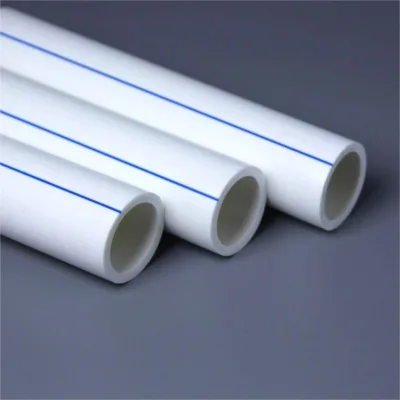


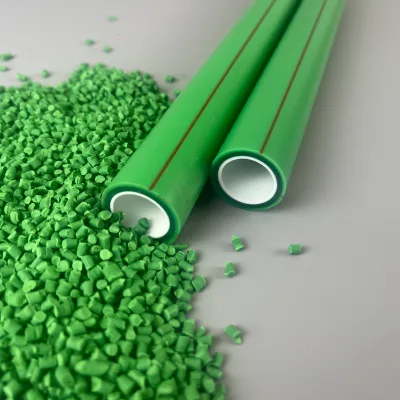


Comprehensive Sourcing Guide
Antibacterial Self Cleaning PPR Pipe Sourcing Guide
Sourcing high-performance piping systems requires a clear understanding of material science and application-specific demands. The term "antibacterial self-cleaning" often appears in marketing materials for polypropylene random copolymer (PPR) pipes, suggesting enhanced hygiene for potable water systems. However, buyers must distinguish between intrinsic material properties and additive-based surface treatments. While the supplied data confirms PPR as a primary material, specific claims regarding antibacterial efficacy or self-cleaning mechanisms are not explicitly detailed in the provided product attributes. Therefore, procurement teams should treat these features as potential value-added services rather than standard baseline characteristics.
Verification of these specialized claims requires direct engagement with suppliers to request technical data sheets and third-party laboratory reports. The observed product range includes standard PPR pipes with various applications such as water supply, drainage, and agricultural irrigation. Buyers should prioritize suppliers who can demonstrate compliance with international standards like ISO9001, which indicates a robust quality management system. It is crucial to validate that any "antibacterial" assertion is backed by recognized testing protocols, ensuring that the pipe material does not leach harmful substances while effectively inhibiting bacterial growth in drinking water applications.
Product Scope and Observed Listing Signals
The current market landscape for PPR pipes exhibits a wide variance in specifications, pricing, and minimum order quantities (MOQs). Observed listings indicate a price range from $0.01 to $1080 USD, reflecting differences in pipe diameter, wall thickness, and packaging methods. MOQs vary significantly, ranging from 1 to 10,000 units, which allows for flexibility in procurement strategies for both small-scale renovations and large infrastructure projects. The product models identified, such as MDP001-010 and XC-08, suggest a diverse inventory catering to different diameter requirements, typically spanning from 20mm to 63mm and beyond.
Packaging options observed include cases, pallets, bare packing, and wood packing, indicating that suppliers are prepared for various logistical needs. Some listings specify custom packaging requirements, which is essential for protecting pipes during international shipping. The origin of these products is primarily China, with specific mentions of Shanxi as a production hub. Buyers should note that while many products are labeled as PPR, some listings also mention generic PP or thermoplastic materials. It is imperative to confirm the exact polymer type, as PPR offers superior thermal stability and pressure resistance compared to standard polypropylene, making it the preferred choice for hot and cold water distribution systems.
Technical Specifications to Verify
When evaluating PPR pipes, several technical parameters must be rigorously verified to ensure suitability for the intended application. Key attributes include the material composition, which should be confirmed as polypropylene random copolymer for optimal performance. The observed data highlights properties such as a contraction percentage of 0.4%~1.4% and water absorption of 0.1%~0.3%, which are critical for dimensional stability and long-term durability. Tensile strength values ranging from 28.3 to 30 MPa indicate robust mechanical integrity, suitable for high-pressure environments. Buyers must ensure that the pipe's hardness and shape, typically round and hard, meet the structural requirements of the installation site.
Connection methods are another vital specification, with welding being the standard technique for PPR pipes to ensure leak-free joints. The observed listings mention various usage scenarios, including water supply, drainage, and agricultural irrigation, each requiring different pressure ratings and chemical resistance profiles. Additionally, the color of the pipes, observed as transparent or gray, may indicate the presence of UV stabilizers or other additives. Buyers should verify the diameter specifications, which range from small sizes like 20mm to large industrial sizes up to DN3000, ensuring compatibility with existing piping infrastructure and fittings.
Compliance and Safety Documentation
Regulatory compliance is non-negotiable for pipes used in potable water and sanitary applications. Buyers must request certificates of conformity that verify the material's safety for contact with drinking water. The observed data mentions certifications such as ISO9001, CE, and RoHS, which indicate adherence to quality management, European conformity, and restriction of hazardous substances, respectively. However, specific health-related certifications, such as NSF/ANSI 61 or WRAS approval, are not explicitly listed and must be actively sought from suppliers. These certifications ensure that the pipe does not leach harmful chemicals into the water supply, protecting public health.
Furthermore, documentation should include test reports for hydraulic pressure, thermal cycling, and impact resistance. The observed standard DN50-DN3000 suggests a wide range of industrial applications, where compliance with local building codes is essential. Buyers should also verify if the supplier adheres to ISO14001 for environmental management, which reflects a commitment to sustainable manufacturing practices. It is crucial to ensure that all documentation is up-to-date and issued by accredited bodies, providing legal protection and assurance of product quality for the end-user.
Cost Drivers and Commercial Terms
The cost of PPR pipes is influenced by several factors, including raw material prices, manufacturing complexity, and packaging requirements. The observed price range of $0.01 to $1080 USD highlights the variability based on pipe dimensions and specifications. Larger diameters and thicker walls naturally command higher prices due to increased material usage. Additionally, custom packaging options, such as wood packing or pallets, can add to the overall cost but may reduce shipping damage risks. Buyers should negotiate terms that account for these variables, ensuring transparent pricing without hidden fees.
Minimum order quantities (MOQs) also play a significant role in cost efficiency. Lower MOQs, such as 1 unit, may incur higher per-unit costs due to setup and handling fees, while bulk orders of 10,000 units can benefit from economies of scale. Payment terms, lead times, and shipping methods should be clearly defined in the contract. Buyers should consider the total landed cost, including freight, insurance, and customs duties, rather than just the unit price. Establishing a long-term partnership with a supplier can often lead to better pricing and more favorable commercial terms, enhancing overall procurement value.
Supplier Qualification and Quality Control
Selecting a reliable supplier is critical for ensuring consistent product quality and timely delivery. Buyers should conduct thorough due diligence, verifying the supplier's manufacturing capabilities, quality control processes, and financial stability. The observed data mentions an after-sales service of 1 year, which indicates a level of confidence in product durability. However, buyers should also assess the supplier's ability to provide technical support and handle potential defects or disputes. Requesting samples for independent testing is a prudent step to validate the supplier's claims regarding material properties and performance.
Quality control measures should include in-process inspections and final random inspections before shipment. Buyers should inquire about the supplier's testing laboratory capabilities and whether they conduct regular internal audits. The observed customization options, such as OEM services and custom models, suggest that suppliers are flexible in meeting specific client requirements. However, this flexibility must be balanced with strict quality assurance protocols to prevent inconsistencies. Establishing clear communication channels and regular performance reviews can help maintain high standards and foster a productive supplier relationship.
Long-Term Procurement Checks
Sourcing PPR pipes is not a one-time transaction but an ongoing process that requires continuous monitoring and evaluation. Buyers should regularly review supplier performance metrics, including on-time delivery rates, product quality consistency, and responsiveness to issues. The observed product range includes various applications, from residential water supply to industrial ventilation, requiring adaptable supply chain strategies. Buyers should stay informed about market trends, technological advancements, and regulatory changes that may impact product specifications or compliance requirements.
Additionally, buyers should periodically re-evaluate their supplier base to ensure competitiveness and reliability. Diversifying suppliers can mitigate risks associated with single-source dependencies. It is also important to maintain open lines of communication with suppliers to discuss future needs, potential product improvements, and collaborative opportunities. By implementing a structured procurement review process, buyers can ensure that their piping systems remain cost-effective, compliant, and suitable for evolving project requirements, securing long-term value and operational efficiency.
FAQs
What materials are used for these pipes?
The pipes are primarily made from PPR and PP materials. These thermoplastic options provide durability for water supply and drainage applications while maintaining structural integrity under various conditions.
Can I customize the pipe specifications?
Yes, customization is available for product models and dimensions. Buyers can request specific sizes like 20mm to 63mm or other requirements, ensuring the pipes fit unique project needs effectively.
Which certifications do the products hold?
Products often carry ISO9001, RoHS, ISO, and CE certifications. These standards ensure quality management and safety compliance, making the pipes suitable for international markets and diverse industrial applications.
How are the pipes packed for shipping?
Packing options include cases, pallets, wood packing, or bare packing. Suppliers can also arrange packaging as per customer requirements to ensure safe transport and protection during international logistics operations.
What is the origin of these pipes?
The pipes originate from Shanxi, China, or other regions within China. This location supports manufacturing capabilities for various pipe types used in agriculture, construction, and industrial ventilation systems globally.
Are these pipes suitable for water supply?
Yes, the pipes are explicitly designed for water supply and agricultural irrigation. They also serve as drainage, threading, and wire cable pipes, offering versatile usage across multiple infrastructure projects.