Source Fat Bike Single Sprocket Crankset for MTB, Road, and City
Source a Fat Bike Single Sprocket Crankset from 30 verified listings. Compare steel and alloy options with 34-42T chainwheels, 170mm crank lengths, and CE or ISO certifications. Ideal for mountain bikes, road bikes, and ordinary bicycles; compare the available evidence and request quotations based on your requirements.
Key considerations
Products List


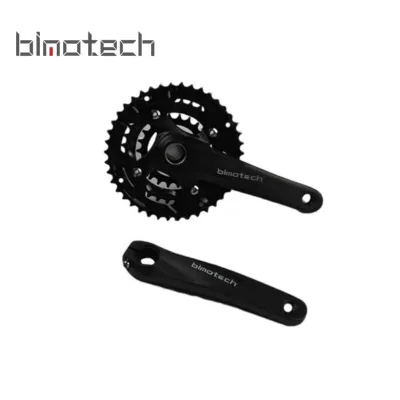
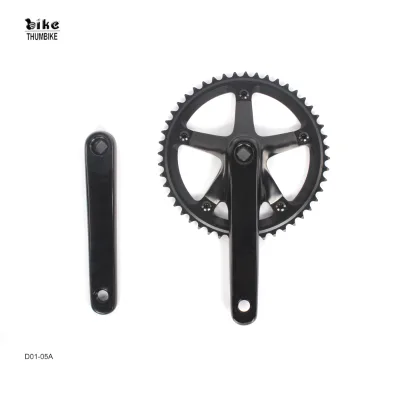
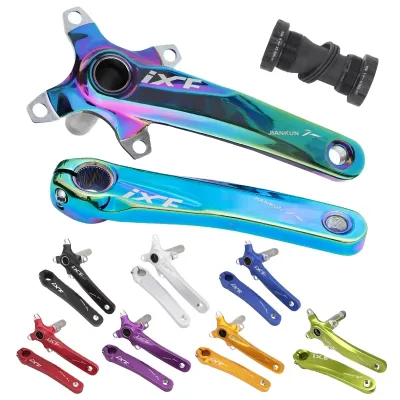
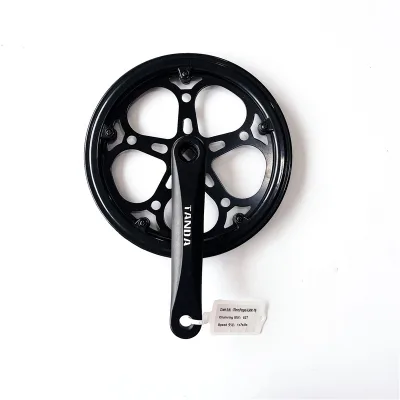
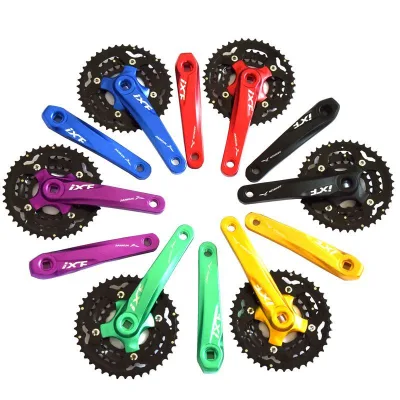
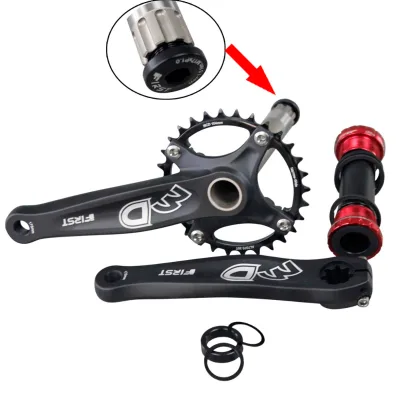
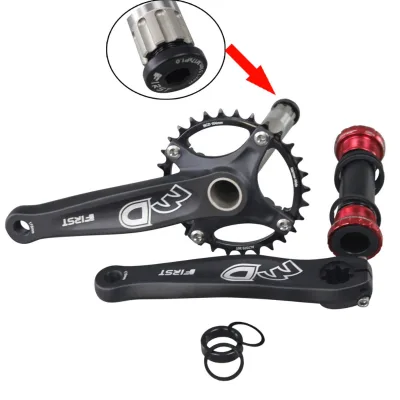
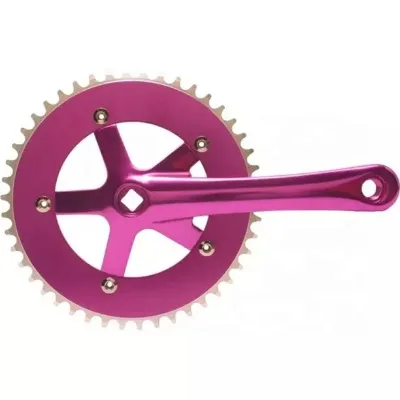
Comprehensive Sourcing Guide
Fat Bike Single Sprocket Crankset Sourcing Guide
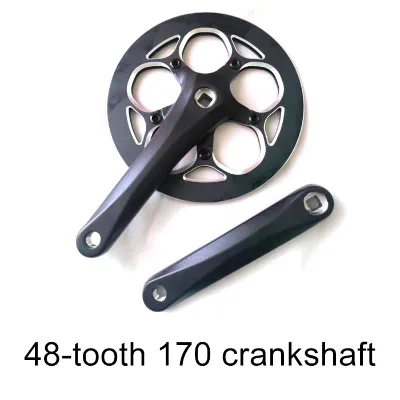
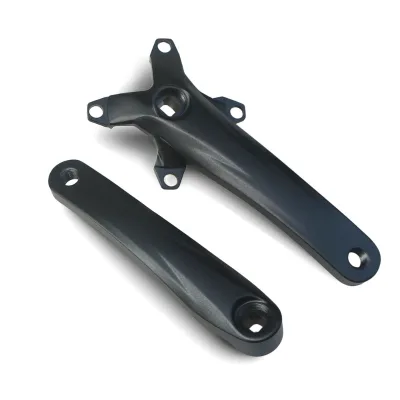
Procuring a Fat Bike Single Sprocket Crankset requires careful attention to the specific mechanical interface between the chainring and the drivetrain. The observed market data indicates a diverse range of models, such as the BM-CW011-2 and HC-CWC-001, which cater to both mountain and road bike applications. Buyers must distinguish between single-speed configurations and multi-speed variants, as the chainring tooth counts observed range from 24 to 42 teeth, directly influencing gear ratio selection for off-road traction or paved efficiency.
The physical construction of these components varies significantly in material composition, with listings showing both steel and alloy options. While some units are described as non-customized standard items, others offer full customization for branding or specific tooth profiles. Understanding whether the product is a new condition item or a refurbished unit is critical, as the structural integrity of the crank arm and axle length, often standardized at 170mm, dictates compatibility with existing bottom bracket shells and frame clearances.
Product Scope and Observed Listing Signals
The product scope for single sprocket cranksets spans various specifications, including models like BM-CW013-4 and HC-PJ-121, which are designed for distinct riding environments. Listings frequently highlight the application for mountain bikes, though some data points suggest compatibility with ordinary bicycles and road bikes as well. Buyers should verify the exact speed configuration, as observed ranges include 24, 34, and 42 speeds, or specific single-speed setups, ensuring the selected crankset matches the intended drivetrain architecture before placing an order.
Listing signals often reveal the origin of the product, with Tianjin and Xingtai, Hebei, China, appearing as primary production hubs. The packaging standards vary from polybags to custom cartons containing ten sets per carton, which impacts logistics planning and inventory storage. Additionally, the condition is consistently listed as new, but the "It Depends on The Actual Situation" packing note suggests that final packaging may be negotiated based on the specific order volume and destination requirements.
Technical Specifications to Verify
Technical verification must begin with the chainring tooth count, which is a critical determinant for gear ratio and torque delivery. Observed data lists teeth ranging from 34 to 42T for certain models, while others specify 24 to 32T, requiring precise alignment with the rider's terrain and power output needs. The crank length is frequently standardized at 170mm, but buyers must confirm this dimension against their leg length and frame geometry to ensure optimal pedaling efficiency and clearance within the fat bike frame.
The axle and bottom bracket interface are equally vital, with specific axle lengths like 108mm noted in the product attributes. Buyers must cross-reference these measurements with their frame's bottom bracket shell width and type to prevent installation failures. Furthermore, the weight of the assembly, observed at 515g for alloy models, serves as a proxy for material density and durability, necessitating a comparison between steel and alloy options to balance cost against performance requirements for the specific fat bike application.
Compliance and Safety Documentation
Compliance documentation is essential for international trade, with certifications such as CE and ISO appearing in the product attributes. Some listings explicitly mention ISO9001 and SGS standards, indicating a commitment to quality management systems, while others list ISOEEC and BSCI, which address social compliance and environmental standards. Buyers should request valid certificates for each batch to ensure the products meet the regulatory requirements of the destination market, particularly regarding safety and manufacturing ethics.
Safety verification extends beyond paper certifications to the physical integrity of the components. The "New" condition status implies that the products have not been previously used, but buyers must verify that the materials, whether steel or alloy, meet the necessary tensile strength standards for high-torque applications. Ensuring that the product standard, such as the 170mm specification or 11/12834170 configuration, aligns with industry norms helps mitigate the risk of mechanical failure during operation.
Cost Drivers and Commercial Terms
Cost drivers for these cranksets are heavily influenced by the material choice, with alloy models generally commanding higher prices than steel alternatives due to weight savings and corrosion resistance. The observed price range of 0.15 to 103.95 USD reflects this disparity, alongside variations in customization levels and order volume. Buyers must analyze the total landed cost, considering that higher-priced units may offer better longevity and performance, which reduces long-term replacement expenses for fleet operators or retailers.
Commercial terms are defined by the Minimum Order Quantity (MOQ), which ranges from 5 to 1000 units, with a specific observation of 200 pieces for certain models. Lead times and sample availability, noted as 3-7 days for samples, allow buyers to validate quality before committing to bulk orders. The "Customized" attribute suggests that branding and logo acceptance are negotiable, but these services often incur additional costs and extended lead times, requiring careful budgeting and scheduling to align with market launch dates.
Supplier Qualification and Quality Control
Supplier qualification relies on verifying the place of origin and the specific manufacturing capabilities of the facility. With origins listed in Tianjin and Xingtai, Hebei, buyers should assess the supplier's capacity to maintain consistent quality across different models like BM-CW014-2 and HC-CWC-004. The presence of multiple certifications, including CE and ISO, serves as a baseline indicator of operational maturity, but direct engagement with the supplier to review their quality control protocols is necessary to ensure product consistency.
Quality control processes must be established to verify the physical attributes of the cranksets upon receipt. Buyers should implement inspection routines that check for the correct chainring teeth count, crank length, and axle dimensions against the purchase order specifications. The "Customized" nature of some orders requires a pre-production sample approval step to ensure that the final product matches the agreed-upon design, color, and packaging requirements before mass production begins.
Long-Term Procurement Checks
Long-term procurement success depends on establishing a reliable supply chain that can adapt to changing market demands. Buyers should monitor the supplier's ability to maintain stock levels of popular models and their responsiveness to customization requests, such as logo printing or specific tooth configurations. The "It Depends on The Actual Situation" packing note indicates a need for flexible logistics planning, ensuring that packaging can be adjusted to meet evolving shipping regulations or customer preferences over time.
Continuous performance monitoring is essential to validate the durability and reliability of the cranksets in real-world conditions. Buyers should track return rates and customer feedback regarding the alloy and steel components to identify any recurring quality issues. By maintaining open communication with the supplier regarding the "New" condition status and adherence to standards like ISO9001, buyers can ensure that the procurement strategy remains aligned with the high-performance expectations of the fat bike market.
FAQs
What certifications do the cranksets have?
The cranksets hold CE and ISO certifications to ensure safety and quality standards. Some listings also mention ISO9001 and SGS compliance. These certifications verify that the products meet international requirements for bicycle components used in mountain and road applications.
Which chainwheel teeth options are available?
Available chainwheel teeth range from 24 to 42 teeth depending on the specific model. You can find options like 34-42T or 24-32T configurations. These variations allow riders to select the appropriate gear ratio for different terrains and riding styles on mountain or road bikes.
Can I request custom packaging for orders?
Yes, custom packaging is available for many orders based on actual requirements. Some suppliers offer polybag or custom package options to suit specific needs. This flexibility allows buyers to tailor the presentation of their bicycle cranksets for retail or wholesale distribution channels effectively.
What is the typical minimum order quantity?
The minimum order quantity varies between 5 and 1000 pieces across different suppliers. Specific listings often cite an MOQ of 200 pieces for standard models. Buyers should verify the exact threshold with the manufacturer before placing an order to ensure it meets their procurement volume.
Where are these cranksets manufactured?
These cranksets are primarily manufactured in China, with origins in Tianjin and Xingtai, Hebei. The production facilities are located in regions known for bicycle component manufacturing. This location ensures access to established supply chains and efficient logistics for international shipping to global markets.
What materials are used for the crankset?
The cranksets are constructed from steel or alloy materials to ensure durability. Alloy options provide a lighter weight profile while maintaining strength for demanding use. These materials are selected to withstand the stresses of mountain biking and road cycling applications effectively.