Source Lightweight MTB Chain Ring for Road, Mountain, and Ordinary Bikes
Compare 30 listings for Lightweight MTB Chain Ring options in steel and stainless steel. Evaluate crank lengths, speed configurations, and customization availability to find suitable components for various bicycle types; compare the available evidence and request quotations based on your requirements.
Key considerations
Products List


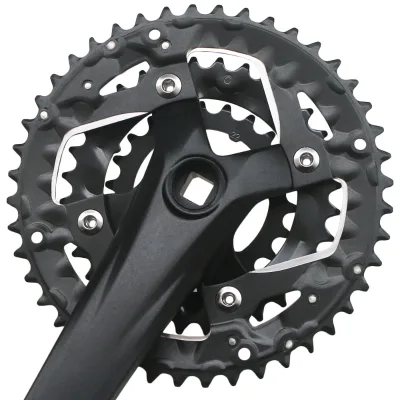
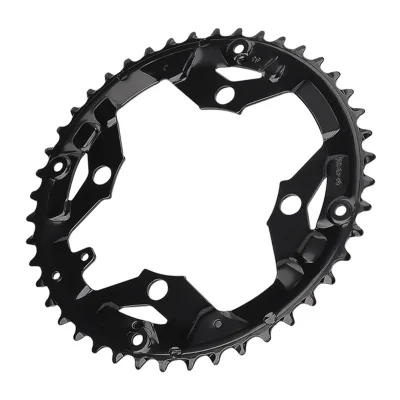


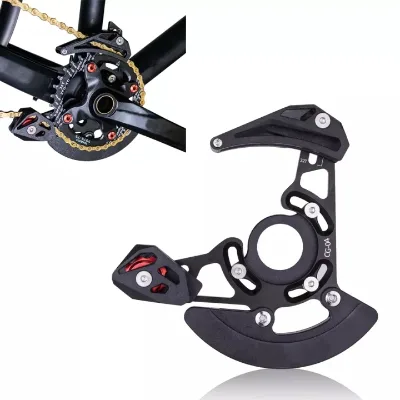


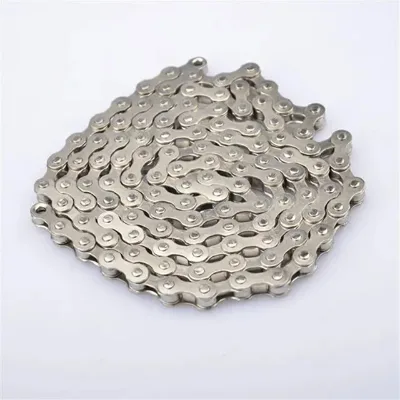
Comprehensive Sourcing Guide
Lightweight MTB Chain Ring Sourcing Guide
Procuring lightweight mountain bike chain rings requires balancing material selection with structural integrity to ensure reliable power transfer under high-torque conditions. Buyers must prioritize components constructed from high-grade steel or stainless steel, as these materials offer the necessary durability for off-road terrain while maintaining a manageable weight profile. The observed market data indicates that suppliers often provide options in single-speed configurations, which simplifies the drivetrain but demands precise tooth engagement to prevent chain drop during aggressive riding.
When evaluating listings, procurement teams should scrutinize the specific product models and customization options available, as standard offerings may not align with unique frame geometries or rider preferences. The presence of customization features allows for tailored tooth counts and bolt patterns, ensuring compatibility with various cranksets and chain widths. However, buyers must verify that these customizations do not compromise the structural integrity of the ring, particularly when selecting between cotterpin and cotterless mounting types for different bike architectures.
Product Scope and Observed Listing Signals
The current market landscape for mountain bike chain rings reveals a diverse range of specifications, including crank lengths varying from 89mm to 175mm and specific tooth configurations like 28/38/48T. Listings frequently highlight applications for ordinary bicycles, mountain bikes, and road bikes, indicating a versatile product base that can be adapted for various riding styles. Buyers should note that while some products are marketed as single-speed, others support multi-speed systems, requiring careful verification of the speed compatibility before finalizing a purchase order.
Observations of packaging and delivery terms suggest that suppliers typically ship in cartons containing 20 to 25 sets, with lead times ranging from 10 to 25 days after deposit receipt. The price range observed in the market spans from $0.50 to $24.40, reflecting significant variation based on material quality, customization levels, and order volume. Procurement strategies must account for these fluctuations, ensuring that the selected unit price aligns with the required quality standards and that the minimum order quantity of 300 sets fits within the budgetary constraints of the project.
Technical Specifications to Verify
Technical due diligence must focus on verifying the exact crank length and chain wheel type to ensure seamless integration with existing bicycle frames. The available data specifies crank lengths of 165mm, 170mm, and 175mm, alongside single chain wheel configurations, which are critical for maintaining proper chain line and shifting performance. Buyers should confirm that the selected model, such as the new-133 or TJ-LT-02, matches the specific requirements of their target bicycle type, whether it is a mountain bike designed for rugged trails or a road bike optimized for speed.
Surface treatment and material composition are equally vital technical parameters that influence the longevity and performance of the chain ring. Products are often finished with an ED (electro-deposition) coating or available in black, red, blue, and other colors, which provide corrosion resistance and aesthetic appeal. It is essential to verify whether the material is standard steel or stainless steel, as the latter offers superior resistance to rust and wear, particularly for riders operating in wet or muddy environments where standard steel might degrade more rapidly.
Compliance and Safety Documentation
Ensuring that suppliers adhere to recognized international standards is a fundamental requirement for mitigating liability and ensuring product safety. The observed listings mention certifications such as ISO, BSCI, and CE, which indicate that the manufacturing processes meet specific quality and ethical benchmarks. Buyers must request valid certification documents to confirm that the chain rings have undergone rigorous testing for structural integrity and that the production facilities comply with labor and environmental regulations.
Beyond general certifications, specific safety documentation related to the mechanical performance of the chain ring should be reviewed to prevent field failures. While the provided data does not list specific test results, buyers should demand evidence of load testing and fatigue analysis to validate the product's ability to withstand the high stresses of mountain biking. This verification step is crucial for establishing trust with end-users and ensuring that the components will not fail under the extreme conditions typical of off-road cycling.
Cost Drivers and Commercial Terms
Understanding the commercial terms and cost drivers is essential for negotiating favorable procurement agreements and managing overall project expenses. The market data indicates that suppliers offer various payment and delivery terms, including FOB, CIF, CNF, and EXW, each carrying different implications for logistics costs and risk allocation. Buyers must carefully evaluate these terms to determine the most cost-effective option based on their location, shipping capabilities, and risk tolerance, ensuring that the total landed cost remains within budget.
Minimum order quantities and customization requirements significantly influence the unit price and overall cost structure of the procurement. With an observed MOQ of 300 sets, buyers must assess whether their demand justifies the volume or if they can negotiate a lower threshold through consolidated orders. Additionally, the availability of customized options, such as specific colors or tooth counts, may incur additional costs that need to be factored into the final price calculation, requiring a clear understanding of the cost-benefit trade-off for each customization feature.
Supplier Qualification and Quality Control
Supplier qualification involves a thorough assessment of the manufacturer's production capabilities, quality control systems, and track record in the bicycle component industry. Given that the observed products originate from regions like Hebei and China, buyers should verify the supplier's capacity to maintain consistent quality across large production runs. This includes evaluating their in-house testing facilities, inspection protocols, and the consistency of their surface finishing processes to ensure that every batch meets the specified standards.
Quality control measures must be established to monitor the production process and verify that the final products match the agreed-upon specifications. Buyers should implement a rigorous inspection regime that includes checking the crank length, material composition, and surface treatment of the chain rings upon receipt. It is also advisable to conduct random sampling and third-party testing to validate the durability and performance of the components, ensuring that the supplier consistently delivers high-quality products that meet the rigorous demands of mountain biking applications.
Long-Term Procurement Checks
Establishing a long-term procurement strategy requires regular performance reviews and continuous monitoring of supplier reliability and product consistency. Buyers should track key performance indicators such as delivery times, defect rates, and responsiveness to quality issues to ensure that the supply chain remains robust and efficient. This ongoing evaluation helps identify potential risks early and allows for proactive adjustments to the procurement strategy, ensuring a steady supply of high-quality chain rings for future production cycles.
Sustainability and adaptability are critical factors for long-term success in the competitive bicycle component market. Buyers should assess the supplier's commitment to sustainable manufacturing practices and their ability to adapt to changing market demands, such as new material technologies or evolving design trends. By fostering a collaborative relationship with suppliers who prioritize innovation and quality, buyers can secure a competitive advantage and ensure the continued availability of reliable, high-performance chain rings for their mountain bike products.
FAQs
What materials are used for lightweight mtb chain rings?
Manufacturers typically use steel or stainless steel for these components. The material choice impacts durability and weight. Stainless steel offers better corrosion resistance. Steel provides high strength for rugged terrain. Buyers should verify the specific alloy used for their application needs.
Can I customize the crank length for my bike?
Yes, customization is available for crank lengths. Standard options range from 89mm to 175mm. Specific models offer 165mm, 170mm, or 175mm lengths. Buyers can request non-standard sizes if needed. This ensures proper fit for different rider heights and riding styles.
What certifications do these chain rings have?
Products often carry ISO, EEC, BSCI, and CE certifications. These indicate compliance with international standards. ISO certification ensures quality management systems are in place. CE marking confirms safety for European markets. Buyers should request valid certificates before placing large orders.
What is the typical delivery time for orders?
Delivery usually takes 10 to 25 days after deposit receipt. This timeframe depends on order volume and customization. Standard items may ship faster than custom ones. Buyers should plan production schedules accordingly. Confirm lead times with suppliers before finalizing payment terms.
How are the chain rings packaged for shipping?
Items are packed in cartons for protection. Common packing is 20 or 25 sets per carton. Dimensions vary, such as 45x27x25cm or 32x55x36cm. This ensures safe transit during international shipping. Buyers should verify carton dimensions to optimize container space.
What is the minimum order quantity for these parts?
MOQs typically range from 5 to 1000 sets. Some suppliers require a minimum of 300 sets. Lower MOQs may be available for standard models. Higher volumes often secure better pricing. Buyers should negotiate MOQs based on their initial stock requirements.