Source Electric MTB Pedals for Mountain, Road, and Kids Bikes
Find 30 Electric MTB Pedals designed for mountain, road, and kids bikes. Compare traditional and advanced pedal models with aluminum or hard plastic materials. Evaluate axle sizes, bearing types, and customization options to select the right components for your bicycle assembly needs.
Key considerations
Products List


Ultra-Lightweight Aluminum Alloy MTB Bike Pedals for Enhanced Performance
$2.50 - $3.50
MOQ: 100 Pieces


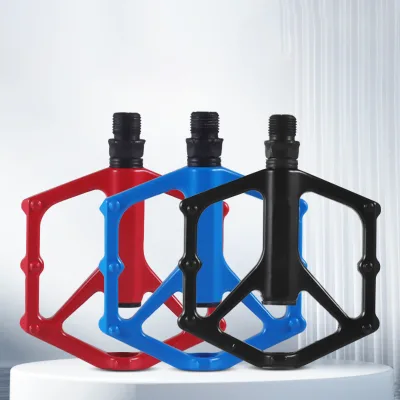
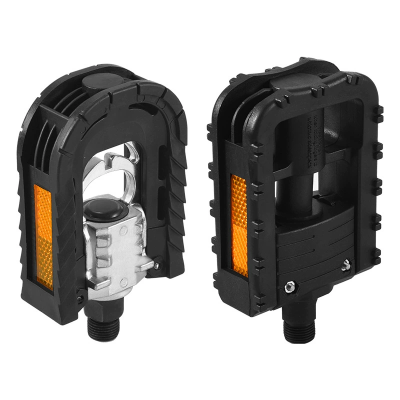
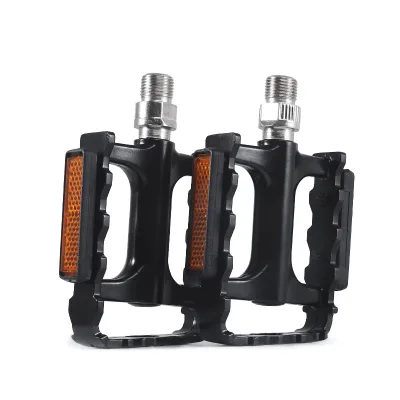
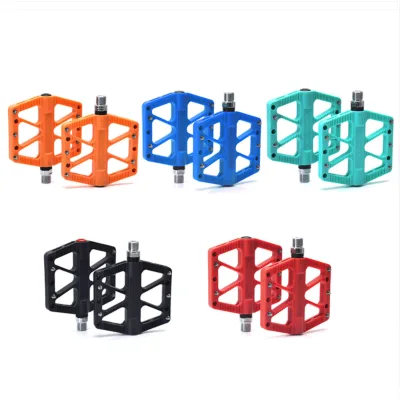
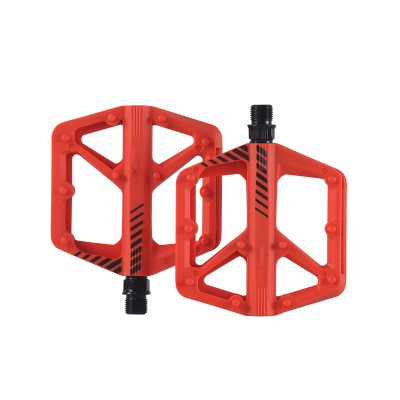


36V 350W Bike Pedals, Brushless Electric Bicycle Fat Tire Mountain Electric Bike
$529.00 - $575.00
MOQ: 50 Pieces


Comprehensive Sourcing Guide
Electric MTB Pedals Sourcing Guide
Sourcing electric mountain bike pedals requires a nuanced understanding of the intersection between traditional mechanical components and modern e-bike integration. While the provided data highlights standard bicycle pedals for ordinary, mountain, and road bikes, buyers must carefully distinguish between passive pedal platforms and active motor-integrated systems. The core keyword suggests a focus on propulsion assistance, yet the observed listings primarily feature traditional and advanced pedal types made from hard plastic or aluminum alloys. Procurement teams must verify whether the supplier offers specific models designed to interface with mid-drive or hub motor systems, as standard pedals do not inherently provide electrical assistance. This distinction is critical for ensuring that the selected components align with the technical architecture of the final electric bicycle assembly.
Buyers should also consider the diverse application spectrum observed in the market, which includes ordinary bicycles, mountain bikes, road bikes, and kids' bikes. The presence of models like TJ-JD-02 and TJ-PJ-087 indicates a broad catalog that may include specialized variants suitable for e-bike use. However, the absence of explicit "electric" labels in the provided specifications necessitates rigorous due diligence. Sourcing guides must emphasize the need to confirm axle compatibility, such as the 1/2" or 9/16" standards noted, which are fundamental for mounting on various cranksets found in electric mountain bikes. Understanding these mechanical interfaces ensures that the pedals can be securely attached to the drive system without compromising safety or performance during high-torque e-bike operations.
Product Scope and Observed Listing Signals
The observed product scope reveals a wide range of pedal configurations, from traditional designs to advanced variants featuring double ball retainers and reflectors. Models such as Hc-196 and pedal-9344 demonstrate the variety in axle sizes and bearing configurations, with some units specified as having two bearings for enhanced durability. The material composition varies significantly, with options including hard plastic and aluminum alloys, each offering distinct advantages in terms of weight, cost, and resistance to environmental factors. Buyers targeting electric mountain bikes should prioritize aluminum alloy options for their superior strength-to-weight ratio, which is essential for handling the increased torque and stress associated with electric assistance. The availability of customization options, including color and branding, allows for greater flexibility in meeting specific brand identity requirements.
Listing signals also indicate a strong emphasis on packaging and logistics, with standard cartons and poly bags being common packing methods. The observed MOQ ranges from 1 to 1000 units, suggesting that suppliers cater to both small-scale prototyping and large-volume production runs. The presence of specific model numbers like TJ-JD-14 and 9335B provides a clear reference point for tracking inventory and verifying product consistency. Additionally, the mention of "with or without ball retainer" options highlights the importance of selecting the right internal component configuration for desired performance levels. Buyers should use these signals to assess supplier capacity and flexibility, ensuring that the chosen partner can meet the specific volume and customization needs of their electric mountain bike projects.
Technical Specifications to Verify
Verifying technical specifications is paramount when sourcing pedals for electric mountain bikes, particularly regarding axle size and bearing quality. The observed standards of 1/2" and 9/16" are critical dimensions that must match the crankset of the target e-bike model. Buyers should request detailed dimensional drawings to confirm compatibility, as even minor deviations can lead to installation failures or premature wear. The bearing configuration, such as the two-bearing setup noted in some listings, directly impacts the smoothness of rotation and longevity under load. For electric applications, where torque is significantly higher than on traditional bikes, robust bearing systems are essential to prevent failure. Additionally, the axle material, often steel as observed, must be evaluated for tensile strength and corrosion resistance to ensure reliable performance in rugged off-road conditions.
Weight and dimensional specifications also play a crucial role in the overall performance and handling of the electric mountain bike. The observed weight of 407g per pair provides a benchmark for evaluating the efficiency of different pedal designs. Lighter pedals can contribute to better bike handling, but buyers must balance this with durability requirements. The standard dimensions of W102L105T20mm for certain models offer insight into the platform size and pedal body geometry. Buyers should verify these dimensions to ensure adequate foot support and stability, especially during high-power acceleration. Furthermore, the condition of the pedals, typically new, should be confirmed, along with any specific quality attributes like the presence of ball retainers, which can affect the precision and reliability of the pedal's operation.
Compliance and Safety Documentation
Compliance and safety documentation are essential for ensuring that sourced pedals meet international standards and regulatory requirements. The observed certifications, including ISO and ISOCE, indicate a commitment to quality management and potentially electrical safety, although the latter is more relevant for e-bike components. Buyers must verify that the specific pedal models comply with relevant bicycle safety standards, such as those governing pedal retention and strength. For electric mountain bikes, additional considerations may include electromagnetic compatibility if the pedals interact with motor sensors. Requesting test reports and certification documents from the supplier is crucial to validate these claims and ensure that the products are safe for consumer use. This due diligence helps mitigate liability risks and ensures that the final product meets market entry requirements in various regions.
Safety features such as reflectors, noted in some listings, are important for visibility and rider safety, particularly in low-light conditions. Buyers should confirm the presence and quality of these features, as they are often mandated by law in many jurisdictions. Additionally, the packaging and labeling of the pedals should comply with local regulations regarding product information and warnings. The observed standard carton packaging suggests a focus on protecting the products during transit, but buyers should also ensure that the packaging includes all necessary documentation, such as installation guides and warranty information. By prioritizing compliance and safety, buyers can build trust with their customers and reduce the risk of product recalls or legal issues associated with non-compliant components.
Cost Drivers and Commercial Terms
Cost drivers for electric mountain bike pedals include material selection, manufacturing complexity, and order volume. The observed price range of $0.22 to $680 USD reflects the diversity in product quality and features, from basic plastic pedals to high-end aluminum alloy models. Buyers should analyze the cost breakdown to understand the impact of material choices, such as the use of steel axles versus aluminum bodies, on the final price. The MOQ of 100 pairs for some models indicates that economies of scale can significantly reduce unit costs, making larger orders more attractive for cost-sensitive projects. Additionally, customization options, such as specific colors or branding, may incur additional fees, which should be factored into the total cost of ownership. Understanding these cost drivers allows buyers to negotiate more effectively and optimize their procurement strategy.
Commercial terms, including price terms like FOB, CIF, CNF, and EXW, influence the overall cost and logistics of the procurement process. The observed delivery time of 25 days after deposit receipt provides a timeline for planning production and inventory management. Buyers should carefully evaluate these terms to determine the most suitable option for their supply chain needs. For instance, EXW terms place more responsibility on the buyer for shipping and insurance, while CIF terms include these costs in the price. Understanding the implications of each term helps buyers manage risk and ensure timely delivery of components. Additionally, the location of the supplier, often in Xingtai, Hebei, China, can impact shipping costs and lead times, so buyers should consider these factors when selecting suppliers and negotiating contracts.
Supplier Qualification and Quality Control
Supplier qualification is a critical step in ensuring the reliability and consistency of sourced electric mountain bike pedals. Buyers should assess the supplier's production capabilities, quality control processes, and track record in the industry. The observed customization options and diverse product range suggest that the supplier has the flexibility to meet specific buyer requirements. However, buyers must verify the supplier's ability to maintain consistent quality across different production batches. Requesting samples and conducting factory audits can provide valuable insights into the supplier's manufacturing practices and quality assurance systems. Additionally, checking for relevant certifications and compliance with international standards can help validate the supplier's credibility and commitment to quality.
Quality control measures should be implemented throughout the procurement process to ensure that the delivered pedals meet the specified requirements. Buyers should establish clear quality criteria, including dimensional accuracy, material composition, and performance attributes, and communicate these to the supplier. Implementing incoming inspection procedures can help identify any defects or non-conformities before the pedals are integrated into the final assembly. Additionally, establishing a feedback loop with the supplier can facilitate continuous improvement and address any issues that arise during production. By prioritizing supplier qualification and quality control, buyers can minimize the risk of receiving substandard products and ensure the long-term reliability of their electric mountain bike components.
Long-Term Procurement Checks
Long-term procurement checks are essential for maintaining a stable and efficient supply chain for electric mountain bike pedals. Buyers should regularly review supplier performance metrics, including on-time delivery, product quality, and responsiveness to issues. Establishing key performance indicators (KPIs) can help track these metrics and identify areas for improvement. Additionally, conducting periodic supplier audits and reviews can ensure that the supplier continues to meet the required standards and adapt to changing market conditions. Building a strong relationship with the supplier through open communication and collaboration can also enhance trust and facilitate problem-solving. By focusing on long-term partnership, buyers can secure a reliable source of high-quality components and support the growth of their electric mountain bike business.
Market trends and technological advancements in the e-bike industry should also be monitored to ensure that the sourced pedals remain competitive and relevant. Buyers should stay informed about new materials, designs, and technologies that could impact the performance and cost of pedals. Engaging with suppliers to discuss future product developments and potential innovations can help buyers stay ahead of the curve. Additionally, diversifying the supplier base can mitigate risks associated with single-source dependency and ensure continuity of supply. By adopting a proactive approach to long-term procurement, buyers can optimize their supply chain, reduce costs, and enhance the value proposition of their electric mountain bike products in the marketplace.
FAQs
What certifications do the pedals have?
The pedals carry ISO certification and ISOCE certification as documented in the product specifications. These certifications indicate compliance with international quality standards for bicycle components. Buyers should verify specific certification documents with the supplier before placing large orders to ensure they meet local regulatory requirements.
Which materials are used for the pedals?
The pedals are constructed from hard plastic and aluminum alloy materials. Some models feature steel axles for added durability. The choice of material depends on the specific model number, such as TJ-JD-02 or Hc-196, which determines the final weight and performance characteristics of the pedal unit.
Can I customize the pedal color?
Yes, customization is available for the pedal color, allowing buyers to select any color they like. Some listings specify black color or other custom options. This customization service applies to various models including the TJ-PJ-087 and pedal-9335B, enabling tailored branding for different bicycle types.
What is the minimum order quantity?
The minimum order quantity varies by model, ranging from 1 pair to 300 pairs. Specific listings show MOQs of 100 pairs or 300 pairs depending on the supplier and product type. Buyers must check the specific model requirements to determine the exact quantity needed for their initial procurement order.
How long is the delivery time?
The standard delivery time is 25 days after the deposit is received. This lead time applies to orders shipped from the Xingtai, Hebei region in China. Buyers should account for this production and shipping duration when planning their inventory replenishment schedules for bicycle component orders.
Which bicycle types are compatible?
These pedals are designed for ordinary bicycles, mountain bikes, road bikes, and kids bikes. The application scope covers various riding styles and user demographics. Specific models like TJ-JD-14 and 9335 are suitable for multiple bicycle categories, ensuring broad compatibility for different market segments.