Source FDA CE Handheld Rebound Tonometer for Clinics
Find and compare 30 FDA CE Handheld Rebound Tonometer options from verified Chinese manufacturers. Evaluate key specifications such as measurement range, power requirements, and certification status to select the right device for your ophthalmic practice.
Key considerations
Products List


Widely Used Medical Rebound Tonometer Handheld Eye Pressure Rebound Tonometer
$500.00 - $1200.00
MOQ: 2 Pieces

Widely Used Medical Rebound Tonometer Handheld Eye Pressure Rebound Tonometer
$800.00 - $1499.00
MOQ: 1 Pieces


Hot Type Optometry Equipment Rebound Tonometer Portable Non-Contact Tonometer
$1500.00 - $2000.00
MOQ: 1 Pieces
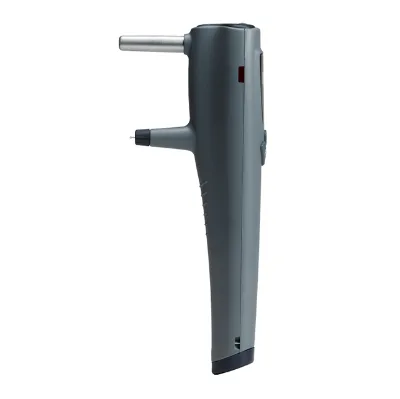
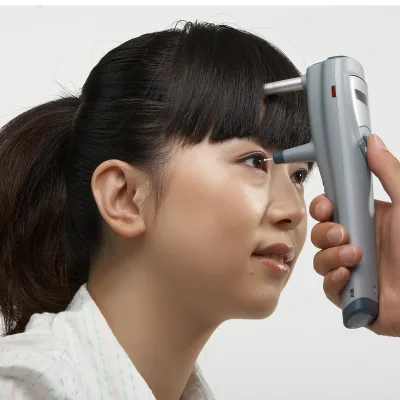


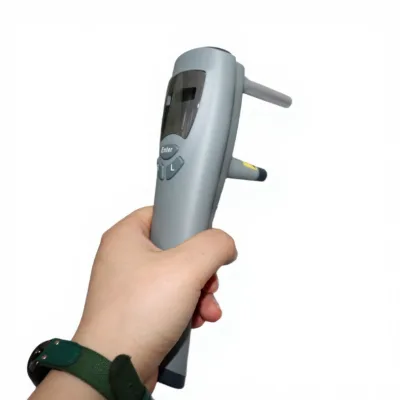
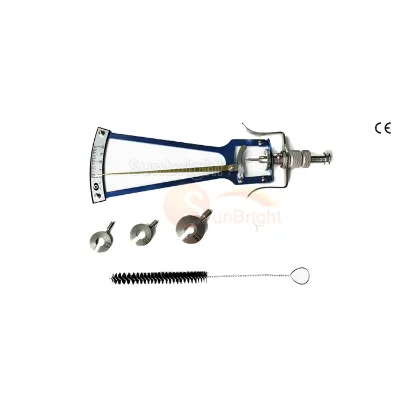


Ophthalmic Portable Rebound Tonometer Handheld Non Contact Tonometer
$1060.00 - $1399.00
MOQ: 1 Pieces


Medical Eye Pressure Tonometer Handheld Portable Human Rebound Tonometer
$980.00 - $1550.00
MOQ: 1 Pieces


YJ-SW500 Rebound Tonometer Price High Accuracy Portable Rebound Tonometer
$529.00 - $1799.00
MOQ: 1 Pieces

High Accuracy Portable Rebound Tonometer Digital Hand Held Portable Rebound
$499.00 - $1699.00
MOQ: 1 Pieces
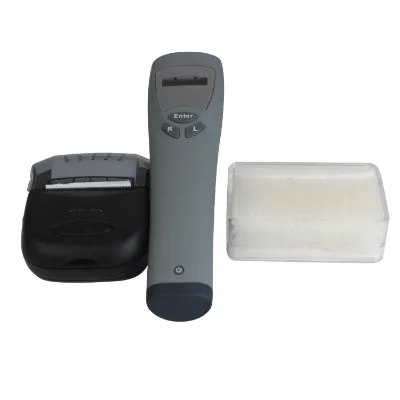
Rebound Tonometer Fast Respond Rebound Touch Tonometer Portable Rebound Tonometer
$1529.85 - $1728.73
MOQ: 1 pieces
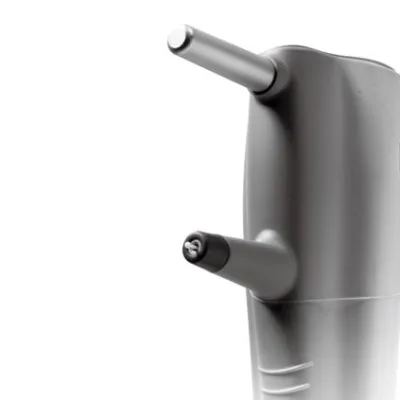

Ophthalmic Portable Eye Pressure Tonometer Handheld Rebound Tonometer
$800.00 - $2800.00
MOQ: 1 Pieces

Comprehensive Sourcing Guide
FDA CE Handheld Rebound Tonometer Sourcing Guide
Procuring handheld rebound tonometers requires a careful balance between clinical accuracy, regulatory compliance, and commercial viability. These devices are essential for non-contact intraocular pressure (IOP) measurement, particularly in pediatric, geriatric, and anxious patient populations where traditional applanation tonometry is difficult. The core keyword "FDA CE Handheld Rebound Tonometer" signals a specific intersection of regulatory expectations and device form factors. Buyers must navigate a market where "FDA" often refers to 510(k) clearance rather than full approval, and "CE" indicates conformity with European health, safety, and environmental protection standards. Understanding these distinctions is critical for ensuring that the equipment meets the legal requirements of your target market while delivering the clinical performance expected in ophthalmic practice.
The sourcing landscape for these devices is characterized by a wide variance in specifications, pricing, and supplier capabilities. Observed market data indicates a price range from approximately $60.72 to $2,800 USD, reflecting differences in build quality, software integration, and certification depth. Minimum Order Quantities (MOQs) are typically low, ranging from 1 to 2 pieces, which facilitates initial sampling and small-scale clinical trials. However, this low barrier to entry also means that buyers must exercise heightened due diligence regarding supplier legitimacy and product consistency. The following guide provides a structured approach to evaluating these devices, ensuring that procurement decisions are based on verified technical data, robust compliance documentation, and sustainable commercial terms.
Product Scope and Observed Listing Signals
The product scope for handheld rebound tonometers encompasses a variety of models, often distinguished by their model numbers, such as BM-TM800, SY-V033, and TONO10. These devices generally fall under the classification of imaging diagnostic equipment or optical systems designed for eye sight examination. The physical form factor is compact, with outer packing sizes like 240mm280mm90mm for plastic cases, indicating portability and ease of transport for field use or multi-room clinics. The devices are typically constructed from plastic materials, balancing durability with weight reduction, with net weights ranging from 2kg to 5.8kg depending on the specific model and included accessories. Buyers should note that while the core function remains consistent, the specific design elements, such as the probe speed (e.g., 0.2m/s) and power requirements (e.g., DC3V via 2 AA batteries), vary significantly across listings.
Listing signals reveal a high degree of customization support, with many suppliers offering OEM, OBM, and ODM services. This suggests that the market is driven by private labeling and brand-specific requirements, which is common in medical device distribution. Attributes such as "Group: Female" or "Color: as Picture" indicate that marketing materials may target specific demographics or aesthetic preferences, though these are superficial compared to clinical performance. The presence of certifications like CE, ISO, and MSDS in listings is a positive signal, but buyers must verify the validity and scope of these certifications. The observed standard weights and dimensions, such as 300g for the product standard or 493715 for packaging, provide baseline expectations for logistics planning, but actual specifications should always be confirmed with the supplier prior to order placement.
Technical Specifications to Verify
Technical verification begins with the measurement range and resolution, which are critical for clinical accuracy. The observed measure range for these devices is typically 3mmhg to 70mmhg, covering the standard and elevated IOP values encountered in routine examinations. The resolution is often specified as 0.01mm, which translates to high precision in pressure readings. Buyers must verify that the device’s working humidity range (≤80%) and atmospheric pressure range (700 Hpa~1060hpa) align with the environmental conditions of their clinical settings. Storage conditions are also important, with recommended storage temperatures between -20°C and +55°C and humidity ≤95%, ensuring the device remains functional during transport and storage in diverse climates.
Power and operational specifications are equally vital for long-term usability. The rating input power is low, often around 1va, and many models operate on DC3V using two AA batteries, which enhances portability and reduces dependency on fixed power sources. The max probe speed of 0.2m/s is a key performance indicator for rebound tonometry, affecting the speed and comfort of the measurement process. Buyers should also check the classification of the device, such as "Small" scale or "Digital Imaging System," to ensure it fits their workflow. Additionally, the material composition, primarily plastic, should be assessed for durability and ease of cleaning, as these devices come into direct contact with patients. Verifying these technical details against clinical needs prevents mismatches between device capabilities and practice requirements.
Compliance and Safety Documentation
Compliance documentation is the cornerstone of safe and legal medical device procurement. The presence of CE certification is a common requirement for European markets, indicating that the device meets essential health and safety requirements. However, buyers must distinguish between self-declared CE marks and those supported by a notified body, especially for Class IIa or higher devices. Similarly, references to FDA clearance should be verified through the FDA’s 510(k) database to ensure the device is legally marketed in the United States. The observed certifications, including ISO and MSDS, provide additional layers of assurance regarding quality management and material safety, but their validity must be confirmed with the issuing authorities.
Safety standards and risk management documentation are essential for mitigating liability and ensuring patient safety. Buyers should request evidence of compliance with relevant international standards, such as IEC 60601-1 for medical electrical equipment safety and IEC 60601-1-2 for electromagnetic compatibility. The observed standards like ISO 13485 and ISO 9001 indicate a supplier’s commitment to quality management systems, but these are organizational certifications, not product-specific approvals. Buyers must ensure that the device’s labeling, instructions for use, and warning labels are in the correct language and comply with local regulatory requirements. Failure to verify these documents can result in customs delays, legal penalties, and compromised patient care.
Cost Drivers and Commercial Terms
Cost drivers for handheld rebound tonometers include the level of certification, build quality, and the extent of customization support. Devices with comprehensive FDA and CE certifications, along with robust software integration, tend to be priced at the higher end of the observed range ($1,000-$2,800). In contrast, basic models with minimal certification and standard features may be available for under $100. The observed MOQ of 1-2 pieces allows for flexible purchasing, but buyers should negotiate volume discounts for larger orders. Warranty terms, typically 1 year, are a standard commercial term, but buyers should clarify the scope of coverage, including parts, labor, and return shipping costs.
Commercial terms also encompass payment methods, lead times, and after-sales support. Buyers should establish clear payment terms, such as 30% deposit and 70% before shipment, to mitigate financial risk. Lead times can vary based on customization requirements and supplier inventory, so it is essential to confirm delivery schedules before finalizing orders. After-sales support, including technical assistance and spare parts availability, is crucial for maintaining device functionality. Buyers should inquire about the supplier’s response time for technical queries and the availability of training materials for clinical staff. Transparent commercial terms and reliable support services contribute to a smoother procurement experience and better long-term value.
Supplier Qualification and Quality Control
Supplier qualification is a critical step in ensuring the reliability of the sourced devices. Buyers should verify the supplier’s business license, manufacturing capabilities, and export history. The observed origins, such as Jiangsu and Guangdong in China, indicate major manufacturing hubs for medical devices, but buyers must assess the specific factory’s quality control processes. Requesting audit reports, such as ISO 13485 certificates, can provide insight into the supplier’s adherence to quality management standards. Additionally, buyers should check for any history of regulatory warnings or recalls associated with the supplier or their products.
Quality control measures should be integrated into the procurement process to ensure product consistency. Buyers should request pre-shipment inspections or third-party verification services to confirm that the devices meet the agreed-upon specifications. Sampling is a recommended practice, especially for initial orders, to test the device’s performance in a clinical setting. Buyers should also establish clear acceptance criteria for defects, such as calibration errors or physical damage, and define the process for returns or replacements. Building a strong relationship with the supplier through regular communication and feedback can help maintain high quality standards and address any issues promptly.
Long-Term Procurement Checks
Long-term procurement checks focus on sustaining the value and performance of the sourced devices over time. Buyers should monitor the device’s performance in clinical use, tracking metrics such as measurement accuracy, battery life, and user feedback. Regular maintenance and calibration schedules should be established to ensure ongoing compliance with clinical standards. Buyers should also stay informed about regulatory updates and changes in certification requirements that may affect the device’s marketability. Proactive engagement with the supplier for firmware updates or hardware improvements can extend the device’s lifespan and enhance its functionality.
Continuous evaluation of the supplier’s performance is essential for maintaining a reliable supply chain. Buyers should conduct periodic reviews of the supplier’s quality, delivery, and support services, using these insights to inform future purchasing decisions. Building a diversified supplier base can mitigate risks associated with single-source dependencies. Additionally, buyers should participate in industry forums and conferences to stay updated on technological advancements and best practices in tonometry. By adopting a strategic and informed approach to long-term procurement, buyers can ensure that their handheld rebound tonometers continue to meet clinical and regulatory needs effectively.
FAQs
What is the working humidity range for this tonometer?
The device operates within a working humidity range of up to 80 percent. This ensures reliable performance in standard clinical environments without requiring special dehumidification systems for typical usage conditions.
Can I get OEM customization support for this product?
Yes, OEM customized support is available for this tonometer model. Buyers can request specific branding or configuration adjustments to meet their unique business requirements through the provided supplier channels.
What is the warranty period for the handheld tonometer?
The product comes with a standard one-year warranty coverage. This warranty protects against manufacturing defects and ensures reliability for medical professionals using the device in their daily diagnostic routines.
Which certifications does this tonometer hold for safety?
The device holds CE certification and ISO standards compliance. These certifications verify that the product meets international safety and quality requirements for medical diagnostic equipment used in various healthcare settings.
What is the maximum probe speed of this instrument?
The maximum probe speed is 0.2 meters per second. This speed allows for efficient and accurate measurements while maintaining patient comfort during the eye pressure examination process.
How much does the packaging weigh for shipping?
The gross weight of the packaging is 3.5 kilograms. This weight includes the device, the plastic case, and the carton box, ensuring safe transport during international shipping logistics.
What is the minimum order quantity for this tonometer?
The minimum order quantity is one piece for this product. This low MOQ allows buyers to test the product quality before committing to larger bulk orders for their inventory needs.