Source Three-in-One Round Probe Soil Tester for Farming
Find and compare 30 listings for the three-in-one round probe soil tester, designed for measuring moisture, pH, and light levels. These digital and analog meters support agricultural testing, garden maintenance, and soil health monitoring across various environments.
Key considerations
Products List
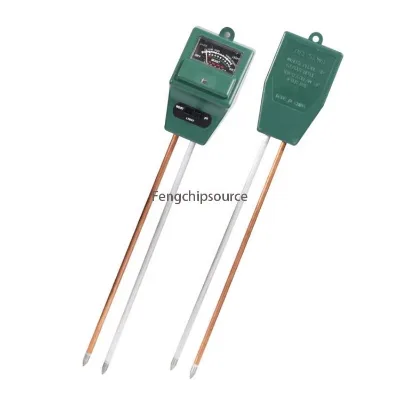


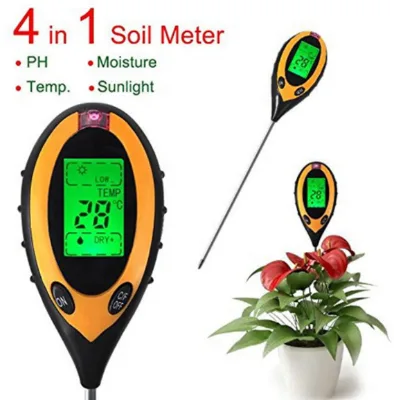
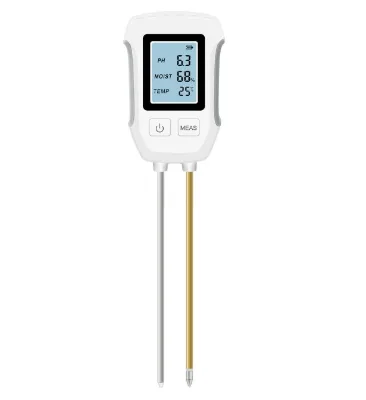
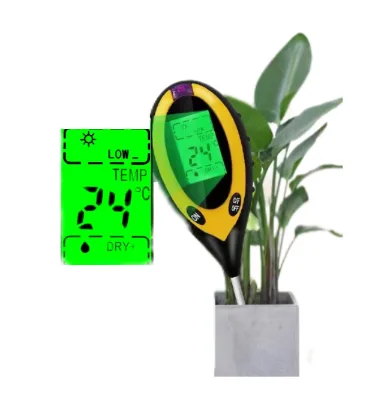


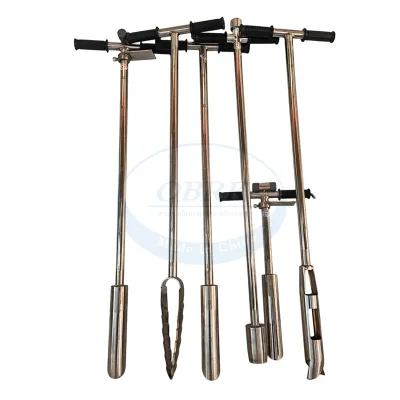
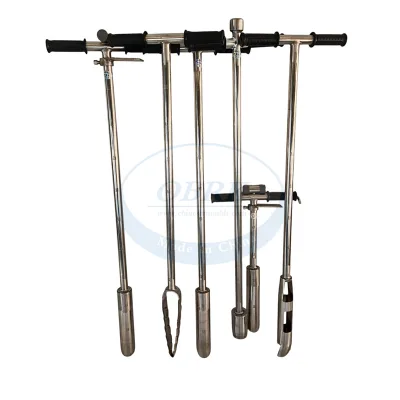
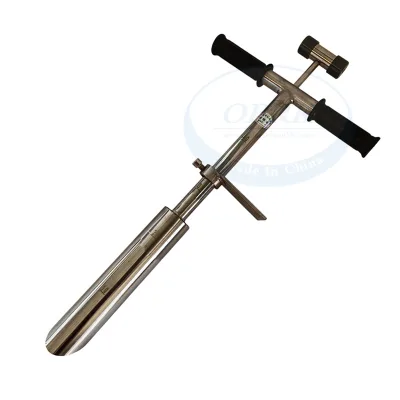
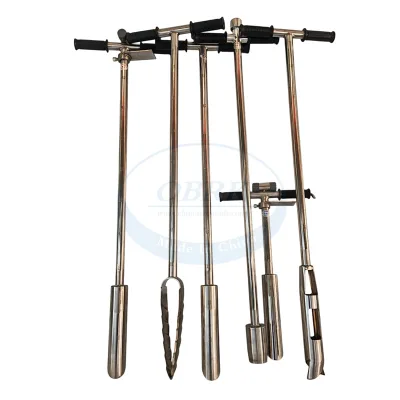

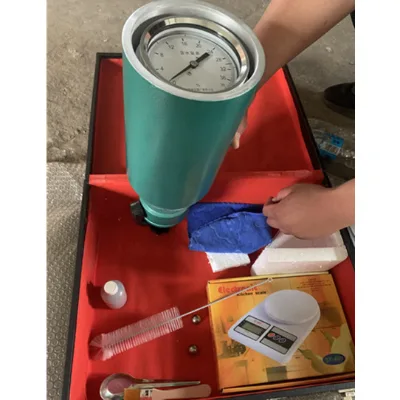
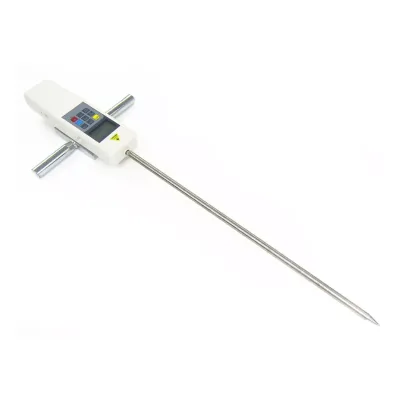

$190.00 - $300.00
MOQ: 1 Pieces


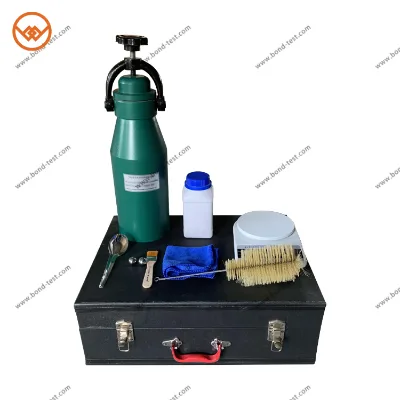


High Quality Durable Handheld Soil Multi-Parameter Soil Moisture Tester
$330.00 - $1020.00
MOQ: 1 Pieces
Comprehensive Sourcing Guide
Three-in-One Round Probe Soil Tester Sourcing Guide
Sourcing a three-in-one round probe soil tester requires a clear understanding of the device’s intended function and the specific technical parameters that define its utility in agricultural or environmental settings. These instruments are generally designed to measure key soil properties such as moisture, pH, and sometimes temperature or light levels, providing immediate feedback to farmers, gardeners, and soil scientists. The "three-in-one" designation typically refers to the integration of these three distinct measurement capabilities into a single, portable unit, often featuring a round probe design that facilitates easier insertion into compacted or dense soil profiles compared to flat-leaf sensors. Buyers must recognize that while the form factor is consistent, the underlying sensor technology and calibration standards can vary significantly between manufacturers, making verification of core specifications a critical first step in the procurement process.
The procurement landscape for these devices is diverse, with suppliers ranging from specialized agricultural equipment manufacturers to general consumer electronics exporters. Many listings originate from manufacturing hubs in China, particularly in regions like Zhejiang and Guangdong, which are known for producing a wide array of testing instruments. Buyers should be aware that the term "three-in-one" is not a regulated industry standard but rather a marketing descriptor. Consequently, the actual performance, durability, and accuracy of the device will depend heavily on the specific model number, the quality of the internal components, and the calibration procedures employed by the supplier. Establishing a clear baseline of what constitutes a reliable three-in-one tester is essential before engaging with potential vendors or requesting quotes.
Product Scope and Observed Listing Signals
The market for soil testing devices includes a variety of configurations, from simple analog meters to complex digital systems with data logging capabilities. In the context of round probe testers, the scope often extends beyond basic moisture detection to include pH measurement and temperature monitoring. Some advanced models may also offer nutrient detection or light intensity readings, although these are less common in standard three-in-one configurations. Buyers should examine product listings for specific model numbers and brand names, as these identifiers can provide insight into the manufacturer’s specialization and the device’s intended use case. For instance, certain models are marketed specifically for professional soil detection, while others are positioned as consumer-grade tools for home gardening.
Observed listing signals often include details about the power source, display type, and measurement accuracy. Digital displays are prevalent in modern units, offering precise numerical readouts that are easier to interpret than analog needles. The power source is typically battery-operated, ensuring portability in field conditions, although some industrial-grade units may require AC power or have rechargeable battery options. Buyers should also pay attention to the packaging details, such as whether the unit is shipped in a protective carton or a specialized carrying case, as this can impact the device’s longevity during transit. Additionally, the presence of customization options, such as branded packaging or specific probe lengths, can be a valuable signal for buyers looking to create private-label products or meet specific operational requirements.
Technical Specifications to Verify
When evaluating a three-in-one round probe soil tester, the measurement accuracy and range are the most critical technical specifications to verify. Buyers should confirm the precision of the moisture, pH, and temperature sensors, as these values directly impact the reliability of the data collected. For example, a typical accuracy for pH measurement might be around 0.2 pH units, while moisture accuracy could be specified as a percentage range. The operational range of each sensor is equally important; for instance, the pH range might span from 3 to 8, covering most agricultural soils, while the temperature range should be suitable for the local climate conditions. Buyers must ensure that the specified ranges align with their specific application needs to avoid data inaccuracies or sensor damage.
Other technical aspects to verify include the physical dimensions of the probe, the weight of the device, and its durability features. The probe’s diameter and length determine how easily it can be inserted into different soil types without causing excessive disturbance. A round probe design is often preferred for its ability to minimize soil compaction around the sensor, leading to more representative readings. Buyers should also inquire about the material composition of the probe, as corrosion-resistant materials like stainless steel are essential for longevity in moist soil environments. Additionally, the presence of features such as automatic calibration, data hold functions, or backlight displays can enhance usability, particularly in low-light field conditions or for users who require quick, on-the-spot measurements.
Compliance and Safety Documentation
Compliance with international quality and safety standards is a key consideration for buyers, particularly when sourcing from overseas manufacturers. Many reputable suppliers provide certifications such as ISO 9001, which indicates that the company adheres to a recognized quality management system. While ISO certification does not guarantee the performance of the individual device, it suggests a level of process control and consistency in manufacturing. Buyers should request copies of these certificates to verify their validity and ensure that the supplier’s quality management practices are up to date. Additionally, some products may carry CE marking, indicating compliance with European health, safety, and environmental protection standards, which is crucial for buyers targeting the European market.
Safety documentation should also include information on the device’s electrical safety, especially if it includes digital components or rechargeable batteries. Buyers should verify that the power supply units, if included, meet relevant safety standards for voltage and current regulation. For devices with lithium-ion batteries, compliance with transportation regulations for hazardous materials may also be relevant. Buyers should ask suppliers to provide test reports or declarations of conformity that demonstrate the device’s compliance with these standards. This documentation not only ensures legal compliance but also provides peace of mind regarding the safety and reliability of the product in the end-user’s hands.
Cost Drivers and Commercial Terms
The cost of a three-in-one round probe soil tester is influenced by several factors, including the complexity of the sensor technology, the quality of materials used, and the level of customization required. Basic models with standard accuracy and minimal features will generally be more affordable, while advanced units with high precision, digital displays, and durable construction will command a higher price. Buyers should also consider the impact of order volume on pricing, as suppliers often offer tiered pricing structures that reduce the unit cost for larger orders. Understanding these cost drivers can help buyers negotiate better terms and align their procurement strategy with their budget constraints.
Commercial terms such as minimum order quantity (MOQ), delivery time, and payment terms are also critical components of the procurement process. Suppliers may have varying MOQ requirements, ranging from single units for sample orders to bulk quantities for large-scale deployments. Delivery times can vary based on the supplier’s production capacity and the current order backlog, with some suppliers offering expedited shipping options for urgent needs. Buyers should clarify these terms early in the negotiation process to avoid surprises and ensure that the supply chain can meet their operational timelines. Additionally, understanding the warranty policy and after-sales support offered by the supplier can provide valuable protection against potential defects or performance issues.
Supplier Qualification and Quality Control
Supplier qualification is a vital step in ensuring the reliability and consistency of the sourced products. Buyers should conduct due diligence on potential suppliers by reviewing their company profiles, production capabilities, and customer feedback. Suppliers with a long history in the industry and a strong reputation for quality are generally more reliable choices. Buyers should also verify the supplier’s ability to provide consistent product quality by requesting samples for testing before placing large orders. This allows buyers to assess the device’s performance, accuracy, and durability firsthand, ensuring that it meets their specific requirements.
Quality control processes should be clearly defined and communicated by the supplier. Buyers should inquire about the supplier’s quality assurance procedures, including incoming material inspections, in-process checks, and final product testing. Suppliers that implement rigorous quality control measures are more likely to deliver products that meet the specified standards. Buyers should also consider the supplier’s ability to handle defects and provide replacements or refunds in case of non-conforming products. Establishing a clear quality control framework with the supplier can help mitigate risks and ensure a smooth procurement experience.
Long-Term Procurement Checks
Long-term procurement success depends on establishing a sustainable relationship with the supplier and continuously monitoring product performance. Buyers should regularly review the supplier’s performance metrics, including on-time delivery rates, product quality consistency, and responsiveness to issues. Maintaining open communication with the supplier can help address any emerging problems quickly and prevent them from escalating. Buyers should also stay informed about industry trends and technological advancements that may impact the relevance and performance of the soil testers they are sourcing. This proactive approach can help buyers stay ahead of the curve and ensure that their procurement strategy remains aligned with their evolving needs.
Additionally, buyers should periodically reassess their supplier base to ensure they are getting the best value and quality. This may involve comparing prices, features, and service levels from multiple suppliers to identify the most suitable partners. Buyers should also consider the potential for future customization or product upgrades, as their needs may change over time. By maintaining a flexible and adaptive procurement strategy, buyers can ensure that they continue to receive high-quality three-in-one round probe soil testers that support their operational goals and deliver reliable data for decision-making.
FAQs
What is the measurement accuracy of the soil moisture detector?
The measurement accuracy is 0.1 for soil moisture detection. This device also offers a pH accuracy of 0.2pH and moisture accuracy of 1% for precise agricultural monitoring.
Can the soil tester measure temperature in extreme conditions?
Yes, the device measures soil temperature from -55 to 99 degrees Celsius. It also supports air temperature readings ranging from -20 to 80 degrees Celsius for diverse environments.
Which certifications do the soil testing machines hold?
The products hold ISO9001 Quality Certificate and meet ISO standards. These certifications ensure the manufacturing process adheres to recognized international quality management systems for reliability.
How long is the delivery time after payment?
Delivery time is typically 10 days after receiving payment. Some specific models may have a faster lead time of 1 to 3 days depending on stock availability.
What is the pH range for the soil nutrient meter?
The pH range covers 3 to 8 pH units. This range allows the instrument to effectively test soil acidity and alkalinity for various crop cultivation needs.
Can the product be customized for specific requirements?
Customization is available for this soil detection equipment. Buyers can request specific modifications to meet unique agricultural or industrial testing standards.
What is the power source for the digital display unit?
The power source is AC220V for the digital display unit. This ensures stable operation for the electronic load and universal testing machine components.