Source Feed Additives Calcium Phosphate Monobasic for Digestive Enhancer, Calcium Intensifier, Phosphate Intensifier
Explore 30 listings for Feed Additives Calcium Phosphate Monobasic from Chinese manufacturers. Buyers can compare specifications, certifications, and prices for applications including digestive enhancement, calcium intensification, and phosphate intensification in poultry, livestock, and aquatic feed.
Key considerations
Products List


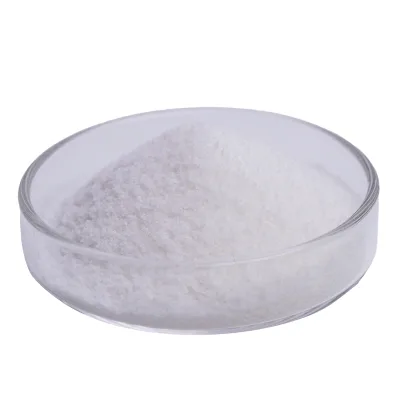


Food Grade Additive Factory Supply Monocalcium Phosphate Nutritional Supplement
$800.00 - $1250.00
MOQ: 25 Tons


Feed Grade 22% Monocalcium Phosphate Animal Nutrition Feed Additives Wholesale
$450.00 - $550.00
MOQ: 27 Tons


Comprehensive Sourcing Guide
Strategic Sourcing Guide for Feed Additives: Calcium Phosphate Monobasic
Navigating the global market for feed additives requires a precise understanding of chemical specifications, regulatory compliance, and supply chain reliability. For buyers specifically targeting calcium phosphate monobasic, the procurement process involves evaluating a product that serves as a critical source of phosphorus and calcium in animal nutrition. This guide synthesizes available market data to provide a structured approach for sourcing this essential additive, ensuring that procurement decisions are grounded in verified technical facts rather than speculative claims.
Technical Specifications and Chemical Identity
The foundation of any successful procurement strategy lies in the accurate identification of the product's chemical identity and physical properties. Calcium phosphate monobasic is a distinct chemical entity used to fortify animal feed. Buyers must verify the specific molecular formula and molecular weight to ensure the product matches the intended formulation requirements. The standard molecular formula for this compound is CaH4O8P2, with a molecular weight of approximately 234.05 g/mol. This precise identification is crucial for calculating stoichiometric ratios in feed mixes.
Physical appearance is another primary observation point. In the current market, the product is frequently observed as a white powder. However, buyers should not assume all listings match this description without verification. The physical state is often described as a powder, which influences handling and mixing procedures in feed mills. When evaluating potential suppliers, the moisture content is a critical parameter. Data indicates that high-quality batches often maintain a moisture content of ≤0.5%, which is essential for preventing clumping and ensuring stability during storage and transport.
Density and bulk properties also play a significant role in logistics planning. The bulk density for this additive is typically observed in the range of 0.9 to 1.2 g/cm³, though some specifications list a density of 2.22 g/cm³ depending on the specific grade and compaction state. Understanding these variations is vital for calculating shipping volumes and storage requirements. Additionally, the pH value of the product is generally observed between 3.0 and 4.0, indicating its acidic nature. This acidity can influence the pH balance of the final feed mixture, a factor that formulators must account for.
Regulatory Compliance and Certification Standards
Compliance with international and regional standards is non-negotiable in the feed additive industry. The market for calcium phosphate monobasic is segmented by grade, with distinct requirements for industrial versus food and feed applications. A primary distinction found in current listings is the "Grade Standard." Buyers must explicitly confirm whether the product is certified as "Industrial Grade" or "Food Grade." For animal feed applications, the "Food Grade" or "Feed Grade" designation is typically required to ensure safety and regulatory adherence.
Certification verification is a multi-step process. Trusted suppliers in this sector often hold a portfolio of certifications including ISO, CE, RoHS, and CCC. Specific to the chemical industry, certifications such as CIQ (China Inspection and Quarantine) are also observed. These certifications serve as evidence that the manufacturing facility adheres to quality management systems and safety protocols. However, buyers should treat these certifications as observations of specific listings rather than universal guarantees for every product in the category. It is imperative to request current, valid certificates for each batch or production run.
The chemical identity is further codified by standard numbers. The CAS (Chemical Abstracts Service) number 7758-23-8 is the definitive identifier for calcium phosphate monobasic. The EINECS (European Inventory of Existing Commercial Chemical Substances) number 231-837-1 is also a critical reference point for European compliance. When sourcing, buyers must ensure that the product documentation explicitly lists these numbers to avoid confusion with other calcium phosphate salts, such as dibasic or tribasic forms, which have different nutritional profiles.
Cost Drivers and Pricing Dynamics
The pricing structure for calcium phosphate monobasic is influenced by several variables, including purity, grade, and packaging requirements. The observed price range in the market is extensive, spanning from $0.30 to $1,250.00 per unit. This wide variance is not indicative of a single product but rather reflects differences in quantity, purity levels, and packaging configurations. A unit price at the lower end of this spectrum typically corresponds to bulk industrial grades or smaller sample quantities, while higher prices may reflect specialized food-grade formulations or custom packaging solutions.
Purity is a primary cost driver. Specifications often list purity levels ranging from 90% to 99%, with some high-grade products boasting an assay of 99% minimum. The cost per kilogram generally correlates with the assay percentage; higher purity commands a premium. Additionally, the "Standard" of the product, often cited as 99% or specific assay percentages like >95%, directly impacts the final price. Buyers should be wary of listings that do not clearly define the assay percentage, as this ambiguity often leads to hidden costs or quality discrepancies.
Packaging also affects the unit cost. The standard packaging for this additive is typically 25 kg per bag, often utilizing kraft paper bags with PE liners to ensure moisture protection. Some listings mention 20 kg bags or customizable packaging options. Customization, such as specific labeling or bulk container loading, introduces additional costs that must be factored into the total landed cost. The Minimum Order Quantity (MOQ) is another significant factor. While some suppliers offer an MOQ as low as 1 kg for samples, commercial orders often start at higher thresholds, ranging up to 1,000 kg. Understanding the MOQ structure is essential for budgeting and inventory management.
Typical Applications in Animal Nutrition
Calcium phosphate monobasic serves multiple functional roles in animal feed formulations, making it a versatile ingredient for various livestock categories. The primary application is as a source of essential minerals. It is classified under vitamins, proteins, minerals, and amino acids in broader feed additive taxonomies, specifically functioning as a mineral supplement. The product is designed for use across different animal classifications, including poultry, livestock, and aquatic animals.
Specific functional applications highlight its utility. It acts as a digestive enhancer, aiding in the breakdown and absorption of nutrients within the animal's gastrointestinal tract. As a calcium intensifier, it ensures that the dietary calcium levels meet the physiological needs of growing or lactating animals. Furthermore, it serves as a phosphate intensifier, addressing the critical phosphorus requirements necessary for bone development and metabolic processes.
In food premix applications, the additive is utilized to create balanced nutrient profiles before the final feed is manufactured. It also functions as a leavening agent in certain feed processing contexts and acts as a dough regulator, influencing the texture and consistency of feed pellets. These diverse applications underscore the importance of selecting a grade that matches the specific end-use, whether it be for high-performance aquaculture or standard poultry production.
Supplier Evaluation and Verification
Evaluating suppliers requires a rigorous approach to verifying their capabilities and geographical origins. The market data indicates that products originate from various locations in China, with specific mentions of Shandong and Lianyungang as production hubs. While these locations suggest established industrial clusters, buyers should not rely solely on the origin city as a proxy for quality. Instead, the focus should be on the supplier's ability to provide consistent documentation and traceability.
When assessing a supplier, buyers should verify the "Brand Name" associated with the product. While some listings mention specific brands like "Bosschemical," the market is fragmented, and many suppliers operate under generic or private labels. The presence of a brand name can indicate a commitment to quality control, but it is not a guarantee. Buyers must look for evidence of a robust quality management system, often evidenced by the certifications mentioned earlier.
The availability of samples is a critical indicator of supplier reliability. Most reputable suppliers in this sector support sample requests, allowing buyers to conduct independent testing before committing to large orders. The ability to provide samples with full documentation, including the CAS number, EINECS number, and assay results, is a strong positive signal. Conversely, suppliers who refuse samples or provide vague documentation should be treated with caution.
Quality Control and Long-Term Procurement
Implementing a robust quality control (QC) protocol is essential for maintaining the integrity of the feed supply chain. Buyers should establish clear acceptance criteria based on the observed specifications, such as moisture content ≤0.5%, purity ≥90%, and specific pH ranges. Regular third-party testing is recommended to verify that the incoming material matches the supplier's certificate of analysis (CoA). The storage conditions of the product must also be monitored; while some listings indicate "yes" for storage capability, the actual requirements for temperature and humidity control must be defined by the buyer based on the product's hygroscopic nature.
Long-term procurement considerations involve building a resilient supply chain. The variability in lead times and the potential for supply disruptions necessitate a strategy that includes multiple qualified suppliers. Buyers should maintain a relationship with suppliers who offer customization, as this flexibility allows for adjustments in packaging or formulation as market needs evolve. The standard shipping packaging, such as the 25 kg kraft paper bag with PE liner, should be evaluated for its durability during transit to prevent contamination or moisture ingress.
Furthermore, the continuous verification of standards is crucial. As regulations evolve, the "Grade Standard" for feed additives may shift. Buyers must stay informed about changes in local and international feed regulations to ensure continued compliance. The ability of a supplier to adapt to these changes and provide updated documentation is a key metric for long-term partnership viability.
Conclusion
Sourcing calcium phosphate monobasic for feed additives is a complex process that demands attention to detail in technical specifications, regulatory compliance, and supplier reliability. By focusing on verified facts such as the CAS number 7758-23-8, the specific purity ranges, and the appropriate grade standards, buyers can mitigate risks and ensure the quality of their feed formulations. The wide range of observed prices and MOQs highlights the need for careful negotiation and clear definition of requirements. Ultimately, a successful procurement strategy relies on a disciplined approach to verification, prioritizing suppliers who demonstrate transparency, consistency, and a commitment to high-quality standards.
FAQs
What is the purity range for Feed Additives Calcium Phosphate Monobasic?
The purity typically ranges from 90% to 99% depending on the specific grade. High-grade products often meet an assay requirement of 99% minimum, ensuring quality for animal feed formulations.
Which certifications are commonly observed for this chemical additive?
Common certifications include ISO, CE, RoHS, CCC, and CIQ. These documents verify that the manufacturing facility adheres to quality management systems and safety protocols required for feed applications.
How is the product typically packaged for shipping?
Standard packaging usually consists of 25 kg kraft paper bags with PE liners. Some listings offer 20 kg bags or customizable options to protect the powder from moisture during transport.
Can buyers request samples before placing a large order?
Yes, most suppliers support sample requests to allow for independent testing. This enables buyers to verify the CAS number, EINECS number, and assay results before committing to bulk procurement.
What is the minimum order quantity for this feed additive?
The minimum order quantity can be as low as 1 kg for samples. Commercial orders often start at higher thresholds, with observed ranges extending up to 1000 kg depending on the supplier.
Where are the primary manufacturing locations for this product?
Products originate from various locations in China, with specific mentions of Shandong and Lianyungang. These regions serve as established industrial hubs for producing chemical feed additives.
What are the key physical properties of the powder?
The product appears as a white powder with a moisture content of 0.5% or less. Its bulk density typically falls between 0.9 and 1.2 g/cm³, with a pH value ranging from 3.0 to 4.0.