Source Feed Grade Liquid Ammonium Formate for Agriculture, Industry, and Chemical Engineering
Explore 30 listings for Feed Grade Liquid Ammonium Formate suitable for agriculture, chemical engineering, and daily use applications. Buyers can compare specifications, packaging options, and supplier details to find the right product for their needs.
Key considerations
Products List


Feed Grade Factory Supply Formic Acid Ammonium Salt Ammonium Formate 540-69-2
$780.00 - $850.00
MOQ: 10 Pieces


High Quality Reagent Grade Ammonium Formate Formic Acid Ammonium Salt Price
$780.00 - $850.00
MOQ: 10 Pieces

High Quality Feed Grade Ammonium Formate Formic Acid Ammonium Salt CAS 540-69-2
$780.00 - $850.00
MOQ: 10 Pieces




Comprehensive Sourcing Guide
Feed Grade Liquid Ammonium Formate Sourcing Guide
Sourcing Feed Grade Liquid Ammonium Formate requires a nuanced understanding of the chemical’s dual nature as both a preservative and a nitrogen source. While the core keyword specifies a liquid form, market observations reveal a significant divergence in product states, with many suppliers listing powder variants alongside liquid solutions. Buyers must navigate this ambiguity by explicitly defining their physical requirements in initial inquiries, as the handling, storage, and application methods differ drastically between the two forms. The presence of ammonium formate in animal nutrition is primarily driven by its ability to lower rumen pH, thereby inhibiting harmful bacteria and improving feed efficiency in ruminants. However, the transition from solid to liquid formulations introduces complexities in concentration stability and viscosity that must be validated before committing to a purchase order.
The procurement landscape for this chemical is characterized by a wide range of purity grades and packaging options, reflecting the diverse needs of feed manufacturers versus industrial chemical users. Observed listings indicate that while some products are marketed strictly for feed applications, others carry broader classifications such as reagent grade or industrial grade, which may not meet the stringent safety and contaminant limits required for animal consumption. This overlap necessitates a rigorous verification process where buyers must cross-reference the supplier’s declared grade with independent Certificates of Analysis (COA). The goal is to ensure that the liquid ammonium formate selected not only delivers the promised nitrogen content but also adheres to the specific regulatory frameworks governing feed additives in the target market.
Product Scope and Observed Listing Signals
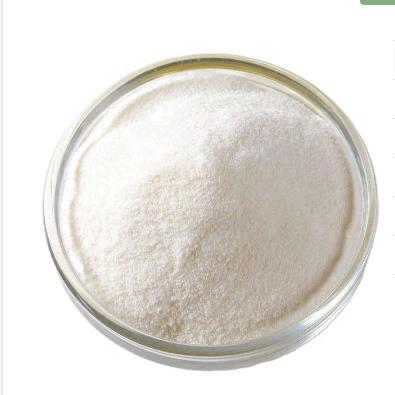
The product scope for ammonium formate in the feed sector is broad, encompassing various grades and physical states that can confuse inexperienced buyers. Market data shows that suppliers often list products with CAS number 540-69-2, which is the standard identifier for ammonium formate, yet the physical appearance varies from white powder to clear liquid. This discrepancy suggests that some suppliers may be listing solid forms under the same keyword to capture broader search traffic, or they may offer liquid solutions that require specific temperature controls to maintain stability. Buyers should be cautious of listings that do not explicitly state the physical state or concentration percentage, as these omissions can lead to logistical challenges during transportation and storage.
Another critical signal in the current market is the variability in packaging standards, which directly impacts the cost and feasibility of importing liquid formulations. While powder variants are commonly packed in 25kg Kraft paper bags or fiber drums, liquid forms often require specialized containers such as IBC totes or specific drum configurations to prevent leakage and maintain integrity. The observed range of packaging options, including PP bags and jumbo bags, indicates that suppliers are catering to both small-scale experimental purchases and large-scale industrial contracts. Buyers must align their packaging requirements with their storage infrastructure, ensuring that the chosen format is compatible with their facility’s handling equipment and safety protocols.
Technical Specifications to Verify
Verifying the purity and concentration of liquid ammonium formate is the first step in ensuring product quality. Buyers should request detailed specifications that confirm the minimum purity level, with common market standards ranging from 98% to 99.5% for high-grade applications. It is essential to distinguish between reagent grade and feed grade specifications, as the former may contain trace impurities that are acceptable for laboratory use but prohibited in animal feed. The molecular weight of 63.056 and the formula CH5NO2 serve as baseline identifiers, but the actual nitrogen content and the ratio of ammonium to formate ions must be explicitly stated in the technical data sheet to ensure accurate dosing in feed formulations.
The physical properties of the liquid, including melting point and viscosity, are also critical verification points. Although the solid form has a melting point of approximately 116°C, the liquid form’s behavior under different temperatures must be understood to prevent crystallization or degradation during transport and storage. Buyers should inquire about the product’s stability over time, particularly if it is to be stored in regions with fluctuating climates. Additionally, the presence of any preservatives or stabilizing agents in the liquid formulation should be disclosed, as these additives may interact with other feed components or affect the overall nutritional profile of the final product.
Compliance and Safety Documentation
Compliance with international and regional safety standards is non-negotiable when sourcing feed grade chemicals. Buyers must ensure that suppliers provide comprehensive documentation, including Certificates of Analysis (COA), Material Safety Data Sheets (MSDS), and relevant quality certifications such as ISO or GMP. These documents serve as proof that the product has been manufactured under controlled conditions and meets the specified purity and safety criteria. The presence of a COA is particularly important, as it provides batch-specific data on impurities, heavy metals, and microbial counts, which are critical for assessing the safety of the product for animal consumption.
In addition to standard safety documentation, buyers should verify the supplier’s adherence to environmental and regulatory standards, such as REACH if operating within or exporting to the European Union. While some listings mention environmental protection features, these claims must be backed by official certifications or test reports. The chemical’s classification as a biodegradable agent or its impact on soil physiology may be relevant for certain applications, but for feed additives, the primary concern is the absence of toxic residues. Buyers should also check for any specific feed additive regulations in their target market, as these may impose additional requirements on labeling, sourcing, and traceability.
Cost Drivers and Commercial Terms
The cost of Feed Grade Liquid Ammonium Formate is influenced by several factors, including purity level, packaging type, and order volume. Observed price ranges in the market vary significantly, reflecting the differences between industrial-grade and feed-grade products. Buyers should be aware that lower prices may indicate lower purity or the use of less stringent quality control measures, which can pose risks to animal health and feed efficiency. Additionally, the cost of specialized packaging for liquid forms, such as IBC totes or leak-proof drums, can add to the overall expense, so buyers should factor these costs into their total cost of ownership calculations.
Commercial terms, including Minimum Order Quantity (MOQ) and payment conditions, also play a crucial role in the procurement process. The observed MOQ range of 1 to 1000 units suggests that suppliers are flexible, catering to both small and large buyers. However, buyers should negotiate terms that align with their inventory management strategies, avoiding excessive stockpiling that could lead to product degradation. Lead times and port of loading options, such as Qingdao, Tianjin, or Shanghai, should also be considered, as these factors can impact the total delivery time and associated logistics costs. Clear communication regarding these terms can help prevent misunderstandings and ensure a smooth transaction.
Supplier Qualification and Quality Control
Qualifying suppliers for Feed Grade Liquid Ammonium Formate requires a thorough assessment of their manufacturing capabilities and quality control systems. Buyers should prioritize suppliers who have established track records in producing feed additives and who can provide references from existing clients in the animal nutrition sector. It is essential to verify that the supplier’s production facilities adhere to Good Manufacturing Practices (GMP) and that they have robust quality assurance protocols in place. This includes regular testing of raw materials, in-process checks, and final product analysis to ensure consistency and safety.
Quality control should also extend to the supplier’s supply chain management, including the sourcing of raw materials and the handling of finished products. Buyers should inquire about the supplier’s procedures for preventing contamination during storage and transportation, particularly for liquid forms that are susceptible to leakage or degradation. Additionally, buyers should consider conducting third-party audits or requesting samples for independent testing to validate the supplier’s claims. Establishing a strong relationship with a qualified supplier can help mitigate risks and ensure a steady supply of high-quality Feed Grade Liquid Ammonium Formate.
Long-Term Procurement Checks
Long-term procurement of Feed Grade Liquid Ammonium Formate requires ongoing monitoring and evaluation to ensure continued compliance and performance. Buyers should establish a schedule for regular quality audits and product testing to detect any deviations in purity or safety standards. This proactive approach can help identify potential issues early, allowing for timely corrective actions before they impact production or animal health. Additionally, buyers should stay informed about changes in regulatory requirements and market trends that may affect the availability or cost of the product.
Building a diversified supplier base is another key strategy for long-term procurement success. Relying on a single supplier can expose buyers to risks such as supply disruptions or price volatility. By maintaining relationships with multiple qualified suppliers, buyers can ensure continuity of supply and leverage competition to secure favorable terms. Regular communication with suppliers regarding market conditions, technological advancements, and sustainability initiatives can also help buyers stay ahead of industry developments and make informed procurement decisions.
FAQs
What is the purity level of Feed Grade Liquid Ammonium Formate?
The product typically offers a minimum purity of 98.5% or 99% depending on the specific grade selected. Some listings indicate a standard of 99.5% minimum purity for reagent grade versions, ensuring high quality for industrial applications.
Can I request custom packaging for this chemical product?
Yes, customization is available for packaging requirements. Options include 25kg Kraft paper bags, 25kg fibre drums, or larger jumbo bags and IBC containers, allowing flexibility for different shipping and storage needs.
Which certifications are provided for this ammonium formate product?
Suppliers provide ISO, COA, and MSDS certificates to verify product quality and safety. Additional certifications like CE, GMP, and TUV may be available for specific grades intended for food, feed, or electronic applications.
How is the product stored to maintain its quality?
The product should be stored in a cool, dry place to ensure stability and prevent degradation. Proper storage conditions help maintain the specified shelf life of one year and preserve the chemical integrity of the powder or liquid form.
What are the available packing options for bulk orders?
Bulk orders can be packed in 25kg bags, 50kg bags, or 1000kg jumbo bags and drums. The standard packaging includes 25kg Kraft paper bags or fibre drums, with options for 25kg, 50kg, 500kg, and 1000kg drums.
Where is the product manufactured and shipped from?
The product originates from China and is shipped from major ports including Qingdao, Tianjin, and Shanghai. This location allows for efficient logistics and distribution to international buyers requiring feed grade or industrial grade materials.
What is the minimum order quantity for this chemical?
The minimum order quantity ranges from 1 unit up to 1000 units depending on the supplier and specific product configuration. Buyers can often negotiate based on their volume needs, with some listings offering flexible MOQs for trial orders.