Source Felt Christmas Sock for Party Decor, Gift Bags, and Crafts
Find and compare 27 Felt Christmas Sock options for holiday decorations, gift packaging, and craft projects. Review specifications like size, material, and customization availability to select the right products for your seasonal needs.
Key considerations
Products List


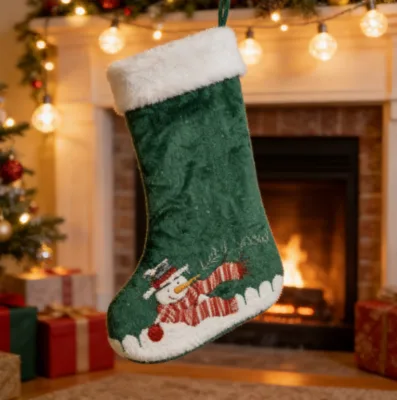




Comprehensive Sourcing Guide
Felt Christmas Sock Sourcing Guide
Sourcing felt Christmas socks requires a careful balance between aesthetic appeal, functional durability, and strict adherence to safety standards, particularly when the end-use involves children or household environments. These decorative items, often categorized under holiday decor or seasonal textile accessories, serve as versatile vessels for small gifts, candy, or festive ornaments. Buyers must navigate a market where visual customization is paramount, yet material safety and structural integrity remain non-negotiable. The following guide outlines the critical verification steps, technical parameters, and commercial considerations necessary for securing a reliable supply chain for these seasonal products.
The procurement process for felt Christmas socks is heavily influenced by the specific application, whether for retail display, direct consumer gifting, or corporate promotional campaigns. Understanding the intended use case dictates the required material thickness, stitching quality, and packaging format. For instance, socks intended for holding heavy items like books or electronics require reinforced seams and potentially thicker felt, whereas those for lightweight candies may prioritize vibrant printing and delicate detailing. Buyers should align their technical specifications with the end-user’s expectations to avoid post-delivery disputes or product failures during the holiday season.
Product Scope and Observed Listing Signals
The current market landscape for felt Christmas socks reveals a diverse range of product attributes, with observed listing prices typically ranging from $0.10 to $2.81 USD. This wide variance often reflects differences in material quality, printing complexity, and packaging sophistication. Buyers should note that lower price points may correlate with thinner felt materials or simpler single-piece polybag packaging, while higher tiers often include custom paper cards, branded OPP bags, or bulk carton packing suitable for retail distribution. Understanding these price drivers helps in setting realistic budget expectations and evaluating supplier quotations accurately.
Minimum Order Quantities (MOQs) observed in the market vary significantly, ranging from 100 to 2,000 pieces, with some suppliers offering lower MOQs of 20 or 500 pieces depending on the customization level. Standard, off-the-shelf designs typically carry lower MOQs, allowing for smaller trial orders, while fully customized products with specific logos, colors, or sizes often require higher volume commitments to justify production setup costs. Buyers should clarify whether the MOQ applies per design or per colorway, as this distinction can impact inventory planning and cost efficiency, especially for brands launching new seasonal collections.
Technical Specifications to Verify
Material composition is a primary technical consideration, with polyester and felt being common choices for these decorative items. While some listings indicate polyester construction, the core keyword specifies felt, which offers a distinct texture and rigidity suitable for holding shape. Buyers must verify the exact fabric weight and density, as thinner felt may tear easily when filled, while overly thick felt can be difficult to sew and may appear bulky. Additionally, technical attributes such as height (e.g., knee-length or ankle-length) and style (e.g., regular or specific character designs) must be confirmed against the product model numbers, such as DL-CR-20 or DL-CR-07, to ensure consistency across the order.
Packaging and dimensional specifications are equally critical for logistics and retail readiness. Observed packing methods include individual OPP bags with paper cards, polybags, or bulk carton packing, with carton quantities varying based on the product size. For example, some products are packed 120 pieces per carton, while others may have different configurations. Buyers should verify the single gross weight, which has been observed around 0.060kg for certain models, to calculate accurate shipping costs and warehouse space requirements. Furthermore, dimensions such as 20x18cm or 22x18cm must be validated to ensure the socks fit the intended gift items and display fixtures.
Compliance and Safety Documentation
Safety compliance is paramount, especially when the product is marketed as suitable for children or used in indoor environments where it may come into contact with skin or food items. Buyers must request documentation verifying that the materials meet relevant safety standards, such as EN 71-3 for migration of certain elements, which is a common benchmark for toy and decorative items. Although specific certification status may not be explicitly listed for every supplier, buyers should insist on test reports from accredited laboratories to confirm that the felt, dyes, and any attached components (like eyes or noses) are non-toxic and free from harmful substances.
In addition to material safety, buyers should verify the flammability and durability of the finished product. Felt materials should be treated or selected to meet local fire safety regulations, particularly for products sold in regions with strict fire codes. Furthermore, if the socks are intended for outdoor use, as indicated in some product attributes, buyers should inquire about the weather resistance of the materials and stitching. Ensuring that the product can withstand minor exposure to elements without degrading or shedding harmful particles is essential for maintaining brand reputation and consumer trust.
Cost Drivers and Commercial Terms
Several factors influence the final cost of felt Christmas socks, including customization complexity, order volume, and packaging requirements. Customization options, such as OEM services, specific color matching, and unique printing techniques, typically increase production costs due to setup fees and longer lead times. Buyers should evaluate whether the added cost of customization justifies the potential marketing benefits, especially for limited-edition holiday collections. Additionally, the choice of packaging, from simple polybags to premium paper card displays, significantly impacts the unit price and should be factored into the total landed cost calculation.
Commercial terms, including lead times and payment conditions, vary among suppliers and should be clearly negotiated before placing orders. Sample order lead times, such as 7 days for some suppliers, can be advantageous for quick market testing, but bulk production lead times may extend significantly closer to the holiday season. Buyers should establish clear milestones for sample approval, production start, and delivery to avoid delays that could result in missed sales windows. Understanding the supplier’s capacity and reliability during peak seasons is crucial for ensuring timely delivery and avoiding stockouts.
Supplier Qualification and Quality Control
Supplier qualification involves assessing the manufacturer’s production capabilities, quality control processes, and past performance. Buyers should verify the supplier’s experience in producing felt or textile decorative items, as well as their ability to handle OEM requests and custom designs. Requesting references or case studies from previous clients can provide insights into the supplier’s reliability and consistency. Additionally, buyers should inquire about the supplier’s quality control measures, including in-process inspections and final random inspections, to ensure that the finished products meet the agreed-upon specifications.
Quality control checks should focus on critical aspects such as stitching integrity, color fastness, and dimensional accuracy. Buyers should define clear acceptance criteria for defects, such as loose threads, uneven seams, or color bleeding, and communicate these standards to the supplier. Conducting pre-shipment inspections or hiring third-party inspection services can help identify and rectify issues before the goods are shipped. Establishing a robust quality control framework minimizes the risk of receiving substandard products and ensures that the final goods meet the brand’s quality expectations.
Long-Term Procurement Checks
Long-term procurement success depends on continuous monitoring of supplier performance and market trends. Buyers should regularly review supplier metrics, such as on-time delivery rates, defect rates, and responsiveness to issues, to identify potential risks and areas for improvement. Building a strong relationship with suppliers through regular communication and feedback can foster collaboration and lead to better pricing and service levels over time. Additionally, staying informed about emerging trends in holiday decor, such as new materials, designs, or sustainability practices, can help buyers stay competitive and meet evolving consumer demands.
Sustainability and ethical sourcing are increasingly important considerations for modern buyers. Suppliers should be evaluated on their adherence to ethical labor practices and environmental standards, such as the use of eco-friendly materials and responsible manufacturing processes. Buyers should inquire about the supplier’s sustainability initiatives and request documentation to verify their claims. By prioritizing ethical and sustainable sourcing, buyers can enhance their brand image and appeal to environmentally conscious consumers, while also mitigating reputational risks associated with supply chain practices.
FAQs
What sizes are available for felt christmas socks?
Available sizes include 20x18cm and 22x18cm dimensions. Some models are specifically designed for children while others fit adults, ensuring options for various age groups and display needs.
Can I customize the felt christmas socks?
Yes, customization is available for these products. Buyers can request specific designs or modifications, and OEM services are supported to meet unique branding or design requirements for holiday collections.
What is the minimum order quantity for these socks?
Minimum order quantities vary by product model, ranging from 20 pieces to 2000 pieces. Specific listings show MOQs of 500 pieces or 20 pieces depending on the style and customization level required.
How are the felt christmas socks packaged?
Packaging options include individual OPP bags with paper cards or polybags with carton shipments. Specific models may come as one pair per bag or 120 pieces per carton for bulk shipping efficiency.
Where are these felt christmas socks manufactured?
These products originate from China, with specific manufacturing locations noted in Zhejiang. This origin ensures access to established textile supply chains and competitive pricing for international buyers.
What material is used for the felt christmas socks?
The primary material used is polyester, which offers durability and softness. This material choice supports features like breathability and eco-friendliness while maintaining the festive aesthetic required for holiday decorations.
Are these socks suitable for indoor and outdoor use?
Yes, the products are designed for both indoor and outdoor applications. Their construction allows them to withstand various environments while serving as effective Christmas decorations or functional wear items.