Source Hand Made Silk Butterfly Lantern for Festivals
Compare 30 listings for hand made silk butterfly lanterns from verified Chinese manufacturers. Buyers can evaluate materials, customization options, and lead times for birthday, Halloween, and New Year decorations; compare the available evidence and request quotations based on your requirements.
Key considerations
Products List
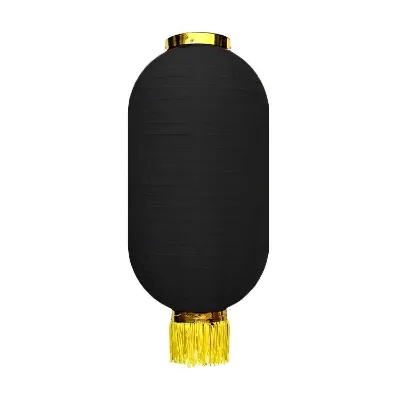
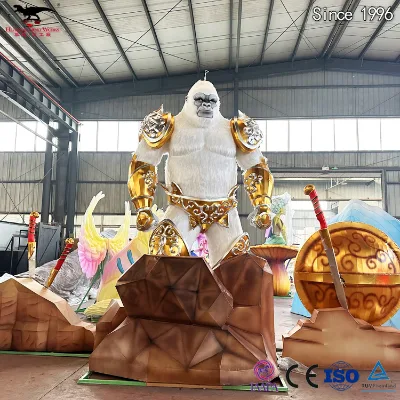
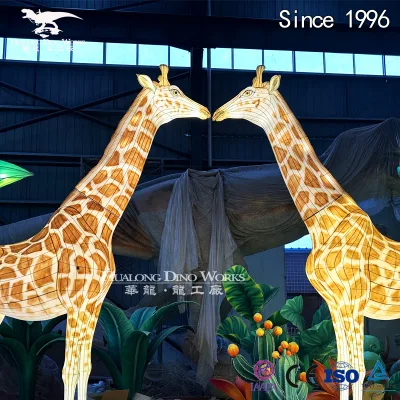
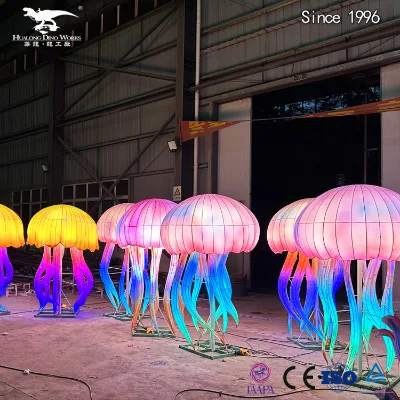
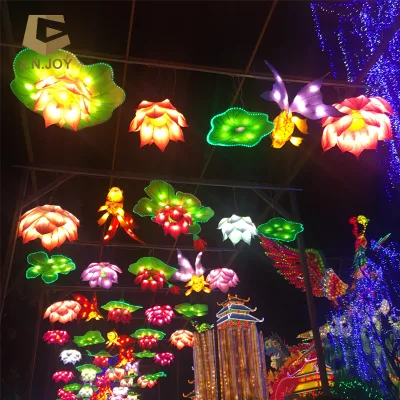
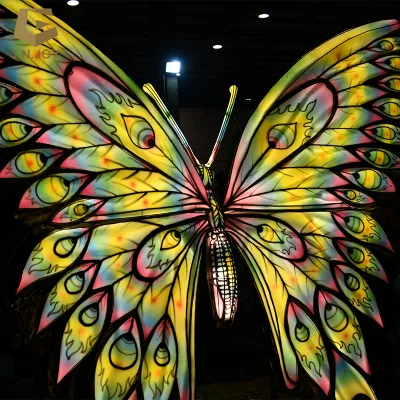
LFS-37 Handmade Artistic Butterfly Shape Lantern, Outdoor Indoor Decoration Lantern
$2580.00 - $2780.00
MOQ: 1 pieces


Chinese Factory Price Festival Decoration Silk Lantern Animal Fish Lanterns
$500.00 - $3000.00
MOQ: 1 Pieces


Traditional Handicraft Outdoor Decorative Lighting Warm White Light Lantern
$599.00 - $2000.00
MOQ: 1 Pieces


Comprehensive Sourcing Guide
Hand Made Silk Butterfly Lantern Sourcing Guide
Sourcing hand-made silk butterfly lanterns requires a nuanced understanding of artisanal craftsmanship and material integrity, as these decorative items blend traditional aesthetics with functional lighting. Buyers must recognize that "hand-made" implies variability in each unit, which can enhance uniqueness but demands rigorous quality control protocols to ensure consistency across large orders. The visual appeal of silk butterfly lanterns often relies on the translucency of the silk and the precision of the wire or metal framework, making material selection a critical first step in the procurement process. Procurement teams should prioritize suppliers who demonstrate a clear lineage in traditional lantern-making techniques, as this often correlates with higher durability and superior finish quality.
The market for these lanterns is diverse, ranging from small-scale boutique decor to large-scale festival installations, which significantly impacts sourcing strategies. Buyers need to distinguish between mass-produced imitations and genuine artisanal pieces by examining product descriptions for specific details regarding construction methods, such as hand-painting versus screen printing, and the type of internal lighting used. Understanding the specific application, whether for indoor ambient lighting, outdoor exhibition displays, or cultural celebrations, helps in defining the necessary specifications for size, colorfastness, and weather resistance. This initial clarity prevents misalignment between buyer expectations and supplier capabilities, ensuring that the final product meets both aesthetic and functional requirements.
Product Scope and Observed Listing Signals
The observed product landscape for silk lanterns reveals a wide spectrum of designs, including animal motifs, traditional shapes, and customized thematic elements, which suggests a flexible manufacturing base capable of handling diverse requests. Listings frequently highlight attributes such as "handmade," "customized logo," and "waterproof" capabilities, indicating that buyers can expect a degree of personalization and environmental resilience in their orders. However, the presence of varying material compositions, such as metal, silk, and LED components, necessitates careful verification of the exact bill of materials to ensure the product matches the desired aesthetic and safety standards. Buyers should pay close attention to these signals to identify suppliers who offer the specific combination of traditional craftsmanship and modern functional requirements.
Price and minimum order quantity (MOQ) ranges in the market are highly variable, reflecting the difference between standard stock items and bespoke artisanal pieces. Observed data indicates MOQs ranging from single pieces for custom prototypes to thousands for bulk production, allowing buyers to scale their orders based on project needs. It is essential to correlate these commercial terms with the complexity of the design, as intricate hand-made elements typically command higher prices and longer lead times. Buyers should use these signals to benchmark supplier quotes and assess whether the proposed terms align with the expected level of craftsmanship and material quality, ensuring that cost does not compromise the integrity of the hand-made aspect.
Technical Specifications to Verify
Verifying technical specifications is paramount when sourcing hand-made silk butterfly lanterns, particularly regarding the structural integrity of the frame and the quality of the silk material. Buyers should confirm the gauge and type of metal or wire used for the skeleton, as this determines the lantern's durability and ability to maintain its shape over time. Additionally, the thickness and weave of the silk must be assessed to ensure it provides adequate light diffusion without being prone to tearing or excessive wrinkling. These physical attributes directly impact the visual performance and longevity of the lantern, making them critical factors in the selection process.
Lighting components and electrical safety are another crucial area for verification, especially for lanterns intended for indoor or semi-outdoor use. Buyers must specify the type of LED lights used, including their color temperature, brightness, and power source, to ensure compatibility with the lantern's design and intended environment. It is also important to verify the waterproofing capabilities if the lanterns are to be used outdoors, as exposure to moisture can damage both the silk and the electrical components. Clear communication of these technical requirements with the supplier helps prevent discrepancies in the final product and ensures that the lanterns meet the specific functional needs of the project.
Compliance and Safety Documentation
Compliance with safety standards is non-negotiable for silk lanterns, particularly those incorporating electrical components, to mitigate risks of fire or electrical shock. Buyers should request documentation such as CE or ISO9001 certifications, which indicate adherence to international quality and safety management systems. These certifications provide assurance that the supplier has implemented robust processes for manufacturing and quality control, reducing the likelihood of defects that could compromise safety. Verifying these credentials early in the sourcing process helps establish a baseline of reliability and professionalism with potential suppliers.
In addition to general certifications, specific test reports for electrical components and materials may be required, depending on the destination market and application. Buyers should inquire about flame retardancy tests for the silk and other materials, as well as electrical safety tests for the LED systems, to ensure compliance with local regulations. These documents not only protect the buyer from liability but also enhance the marketability of the product, especially in regions with strict safety standards. Proactively addressing these compliance requirements demonstrates due diligence and helps streamline the importation and sales process.
Cost Drivers and Commercial Terms
Understanding the cost drivers for hand-made silk butterfly lanterns is essential for accurate budgeting and negotiation. The primary cost factors include the complexity of the design, the quality of materials used, and the labor intensity of the hand-making process. Intricate designs requiring detailed hand-painting or complex assembly will naturally incur higher costs compared to simpler, more standardized models. Buyers should request detailed cost breakdowns to understand how these factors influence the final price, allowing for more informed decision-making and potential cost-saving opportunities through design simplification.
Commercial terms, including payment methods, lead times, and packaging requirements, also play a significant role in the overall procurement cost. Standard payment terms such as T/T are common, but buyers should negotiate terms that align with their cash flow and risk management strategies. Lead times can vary significantly based on order size and customization level, so it is crucial to establish clear delivery schedules to avoid delays. Additionally, packaging must be designed to protect the delicate silk and structural components during transit, which can add to the overall cost but is necessary to prevent damage and ensure customer satisfaction.
Supplier Qualification and Quality Control
Supplier qualification is a critical step in ensuring the reliability and consistency of hand-made silk butterfly lanterns. Buyers should conduct thorough due diligence on potential suppliers, including verifying their business licenses, production capacity, and past performance in similar projects. Assessing the supplier's ability to handle custom orders and their responsiveness to communication is also important, as these factors influence the smooth execution of the procurement process. Establishing a strong relationship with a qualified supplier can lead to better pricing, priority production, and improved support throughout the order lifecycle.
Quality control measures must be clearly defined and enforced to maintain the high standards expected of hand-made products. Buyers should implement a comprehensive quality control plan that includes pre-production samples, in-process inspections, and final random inspections before shipment. These inspections should focus on key attributes such as material quality, craftsmanship, color accuracy, and electrical functionality. By actively monitoring the production process, buyers can identify and address potential issues early, reducing the risk of receiving defective goods and ensuring that the final products meet the agreed-upon specifications.
Long-Term Procurement Checks
Long-term procurement success with hand-made silk butterfly lanterns depends on continuous evaluation and relationship management with suppliers. Buyers should regularly review supplier performance based on metrics such as on-time delivery, product quality, and responsiveness to issues. This ongoing assessment helps identify any trends or recurring problems that need to be addressed, allowing for proactive improvements in the supply chain. Maintaining open lines of communication and providing constructive feedback can foster a collaborative partnership that benefits both parties and ensures consistent quality over time.
Additionally, buyers should stay informed about market trends and technological advancements in lantern manufacturing to remain competitive and innovative. This includes monitoring changes in consumer preferences, new material developments, and emerging design styles that could impact future procurement needs. By staying ahead of these trends, buyers can make informed decisions about product development and sourcing strategies, ensuring that their offerings remain relevant and appealing to end consumers. Continuous learning and adaptation are key to sustaining long-term success in the dynamic market for decorative lanterns.
FAQs
Can I customize the logo on hand made silk butterfly lanterns?
Yes, customized logos are acceptable for these silk lanterns. Buyers can request specific branding to align with their event themes or corporate identity. This customization option allows for unique decorative pieces suitable for festivals, exhibitions, or private celebrations, ensuring the final product reflects your specific design requirements.
What is the typical lead time for these silk lanterns?
The typical lead time ranges from 25 to 35 days for production and delivery. This timeframe accounts for the handmade nature of the product and any necessary customization processes. Buyers should plan their orders accordingly to ensure timely arrival for specific events or seasonal decorations, allowing for buffer time.
What materials are used in these hand made silk butterfly lanterns?
These lanterns are constructed using metal frames, silk fabric, and LED lighting. The combination ensures durability and a warm, safe illumination. The metal provides structural integrity, while the silk offers a traditional aesthetic. LED lights are integrated for energy efficiency and safety, making them suitable for both indoor and outdoor use.
What is the minimum order quantity for these lanterns?
The minimum order quantity varies, with some listings accepting as low as 2 pieces, while others require 200 pieces. This flexibility allows buyers to test small batches or order larger quantities for extensive events. The specific MOQ depends on the supplier and the level of customization requested for the silk lanterns.
Are these silk lanterns suitable for outdoor decoration?
Yes, these lanterns are designed for outdoor decoration and festival use. They are described as waterproof silk lanterns, making them resilient against weather elements. Their sturdy metal and silk construction ensures they can withstand outdoor conditions, providing durable and attractive lighting for gardens, patios, or public exhibition spaces during celebrations.
What certifications do these lantern manufacturers hold?
Manufacturers of these lanterns often hold CE and ISO9001 certifications. These credentials indicate compliance with international safety and quality management standards. Buyers can rely on these certifications to ensure the products meet regulatory requirements for electrical components and manufacturing processes, providing confidence in the safety and quality of the sourced silk lanterns.