Source Natural Turkey Feather Boa for Wedding, Party, Decorations
Compare 30 listings for Natural Turkey Feather Boa from verified Chinese suppliers. Buyers can review prices, MOQs, and certifications like veterinary certificates for wedding, party, and decoration projects. Explore customized sizes, dyed colors, and various feather weights to find the perfect match for your event needs.
Key considerations
Products List
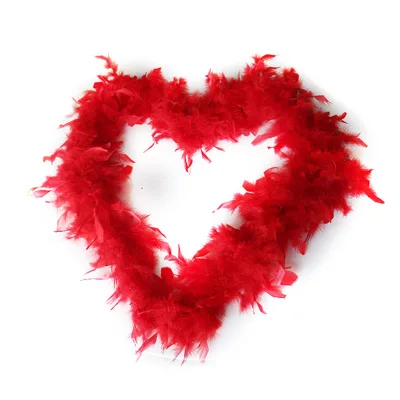
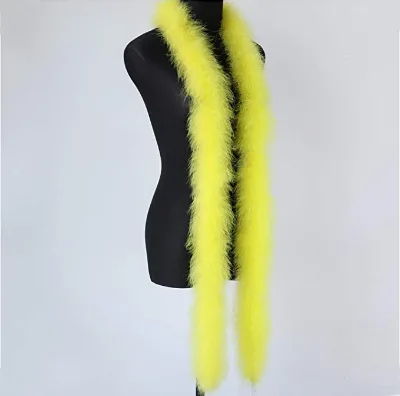
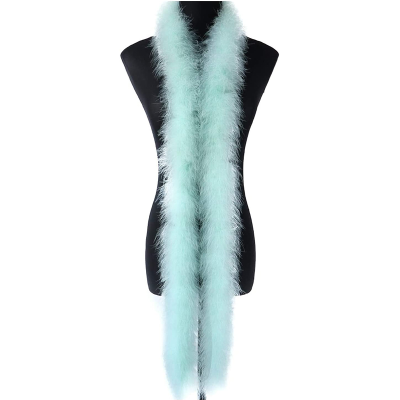
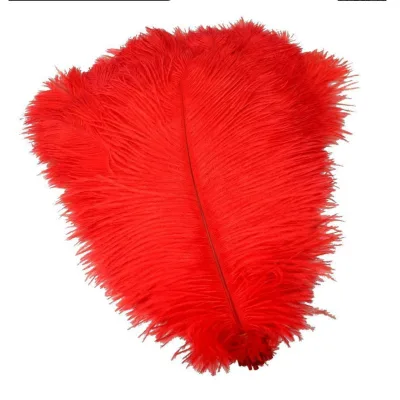
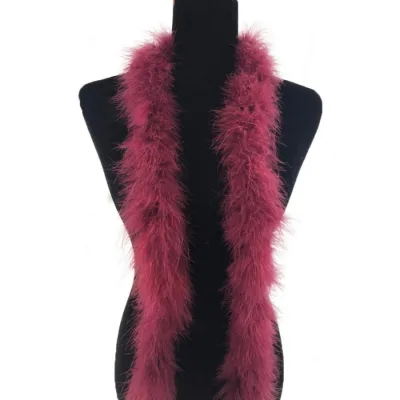
$0.70 - $1.08
MOQ: 100 pieces
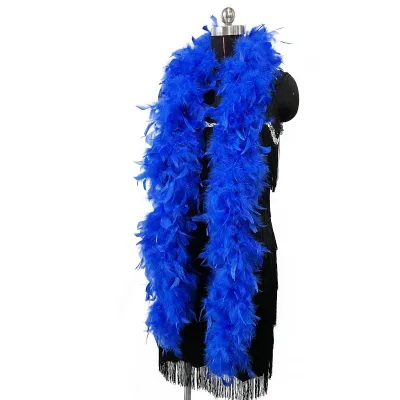
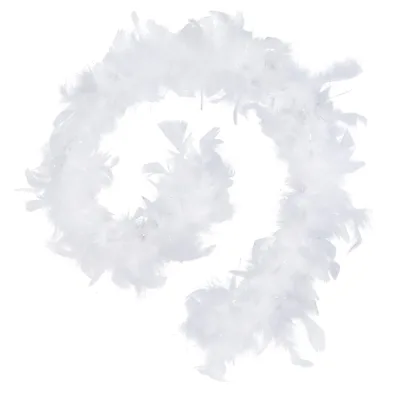
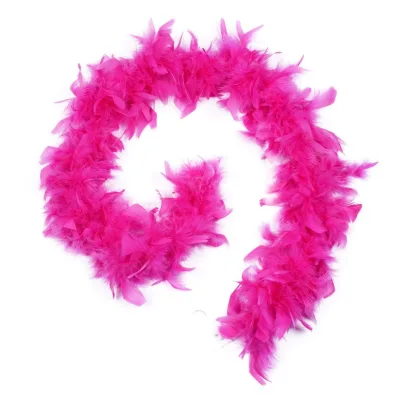
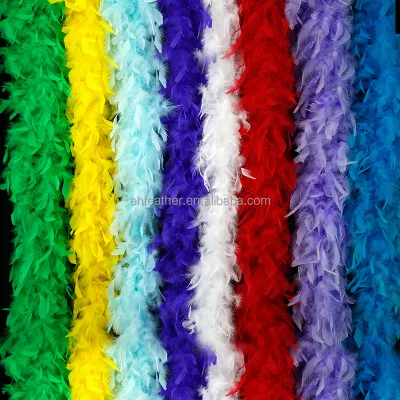
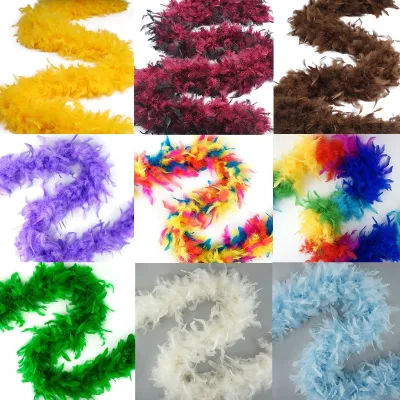
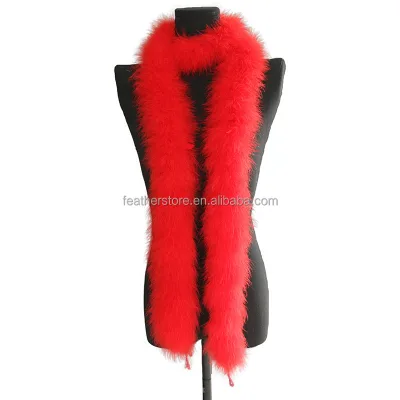
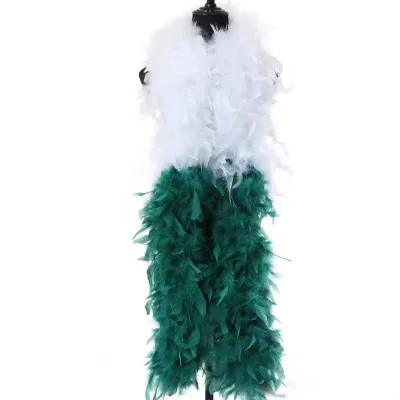
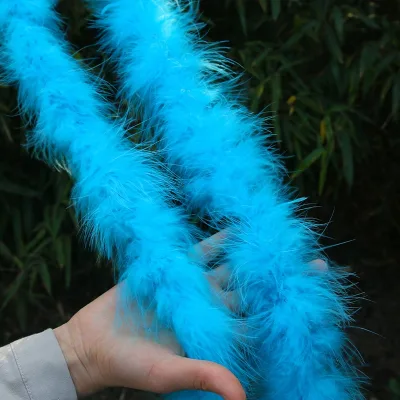
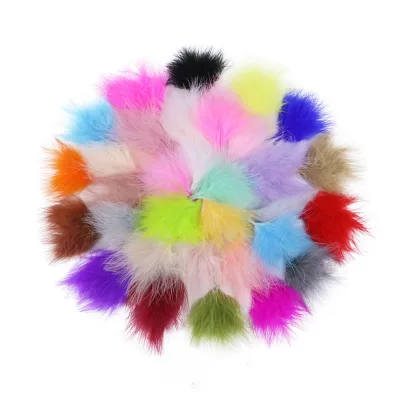
Wholesale High Quality Feather Female DIY Turkey Marabou Feather Natural Turkey Feather
$0.05 - $0.08
MOQ: 1000 pieces
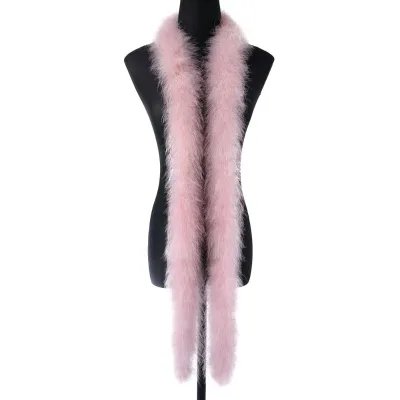
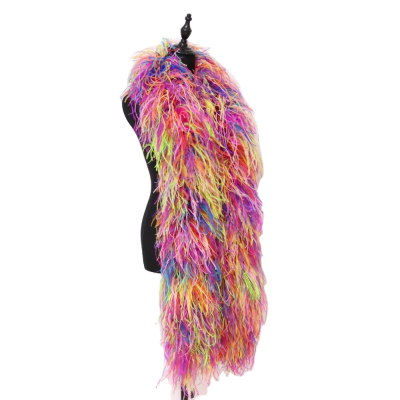

$0.69 - $0.88
MOQ: 100 Meters

$0.69 - $0.88
MOQ: 100 Meters


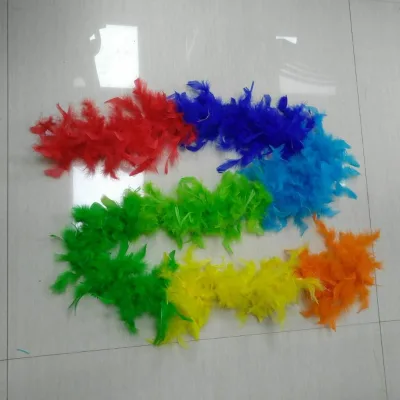
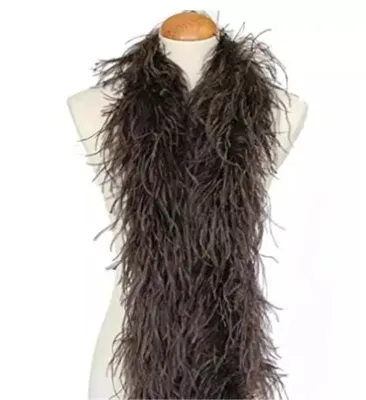
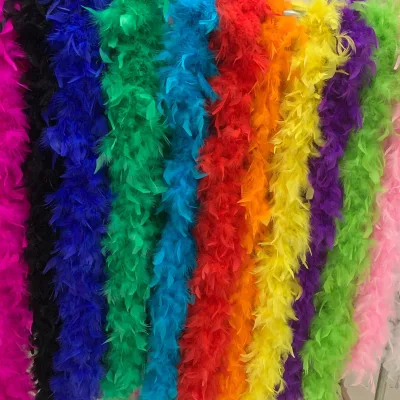
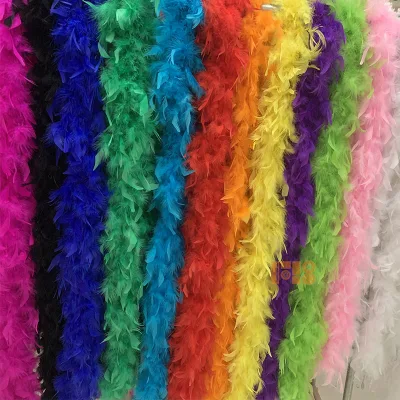

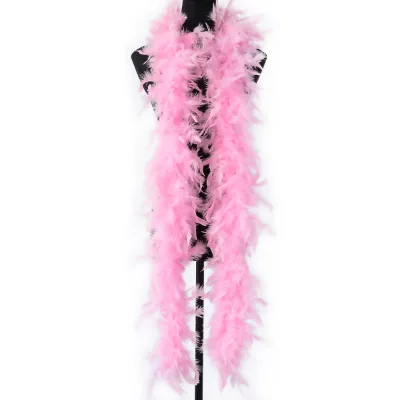
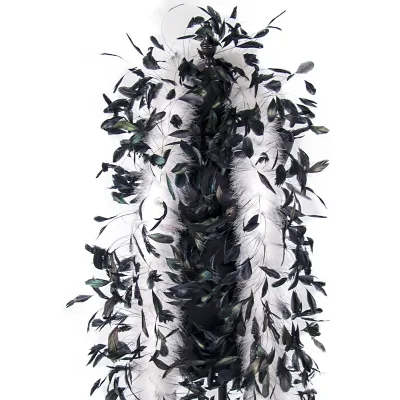
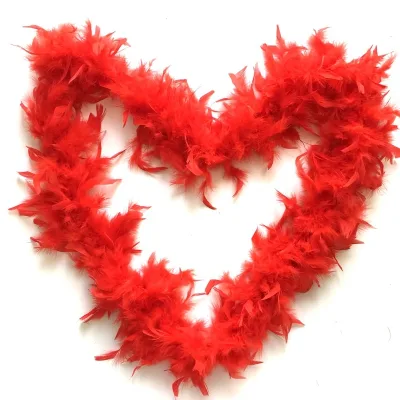
Comprehensive Sourcing Guide
Natural Turkey Feather Boa Sourcing Guide
Natural Turkey Feather Boa products occupy a distinctive niche in the decorative trim and event supplies market, combining biodegradable natural fiber content with the plush, voluminous appearance that costume designers, wedding planners, and party decorators demand. For B2B buyers, sourcing these boas requires balancing the variability inherent in natural feathers against the consistency expectations of retail and hospitality customers. Unlike synthetic marabou alternatives, turkey feather boas carry traceable origin requirements, veterinary documentation obligations, and dye-related compliance considerations that synthetic products do not.
This guide is written for procurement teams, importers, and wholesale distributors evaluating feather boa suppliers, particularly those sourcing from Chinese manufacturing hubs. It draws on observed product listing attributes from active listings to frame what buyers should verify before committing to purchase orders. The scope covers specification alignment, documentation review, cost structure analysis, and ongoing quality controls, with the goal of helping buyers convert observed listing signals into enforceable procurement requirements rather than relying on marketing descriptions alone.
Product Scope and Observed Listing Signals
Observed listings in this category span several related product types. Core items include turkey feather boas marketed under model numbers such as XT-5, sold under brand names like Xin Tian from Anhui, China, with a stated supply capacity of one billion meters per month and delivery windows of ten to fifteen days. Complementary listings include marabou feather boas, ostrich feather products in sizes of 15–80 cm and weights from 33g to 120g under model XT-47, and dyed natural turkey feather items under model YMX001 from the Erhong brand. Buyers should treat these attributes as observations from individual listings, not guarantees applying across the category.
Applications cited across observed listings concentrate on decorations, weddings, and parties, with some items explicitly typed as Event & Party Supplies. Color offerings are notably broad: dyed colors on request, plus fixed palettes ranging from black, burgundy, and white to hot pink, turquoise, and neon yellow. Packaging details in observed listings mention carton boxes, single-item selling units, and small single package sizes (10×5×5 cm for one natural turkey feather item). Buyers should map these listing signals against their own assortment needs before shortlisting.
Technical Specifications to Verify
Feather boas require unusually detailed specification work because natural material varies by batch. Buyers should confirm the feather species and grade (turkey versus marabou or ostrich, as listings show all three marketed alongside each other), the weight per unit length, and the length per piece. Observed listings reference weight tiers such as 50g, 60g, 70g, 80g, 100g, and a 22-gram two-yard craft boa, and lengths from 15–80 cm for ostrich items — confirming that weight-per-yard and total yardage must be pinned down in writing. Customized sizing is offered by some suppliers, so buyers with nonstandard requirements should request pre-production samples.
Dye consistency is the second major specification risk. Listings advertise "dyed any color as request" and any-color dyeing, which means color matching should be governed by a physical master standard, not screen images. Buyers should also verify stitching quality, cord or tape construction that anchors the feathers, shedding behavior, and dimensional tolerance across the run. Because one listing reports a single gross weight of 1.000 kg per package, buyers should reconcile packaging weight assumptions with their freight calculations before finalizing carton configurations.
Compliance and Safety Documentation
Natural feather products cross borders under animal-origin documentation rules, and observed listings provide useful anchors. One Xin Tian turkey feather boa listing cites a Veterinary Certificate, while the Erhong natural turkey feather listing references Health certification as a test report and Health Certi / Azo free test as a certification. Buyers should treat these as listing-level claims to verify: request copies of the actual veterinary health certificates accompanying each shipment, confirm they name the correct product and origin, and check whether the issuing authority is recognized in the destination market.
Azo dye testing is the second documentation pillar, since brightly dyed boas for garments worn at weddings and parties may face restricted aromatic amine limits in certain markets. The observed "Azo free test" reference indicates that some suppliers can supply third-party dye testing, but buyers should confirm which test method and laboratory were used, and whether the report covers the specific colorway ordered rather than a generic product family. For markets with additional requirements on animal by-products, buyers should verify import eligibility with their customs broker before the first commercial shipment rather than after.
Cost Drivers and Commercial Terms
Observed listings reveal a wide commercial band across this category, with listed prices ranging from 0.05 to 102.62 USD and MOQs from 1 to 1000 units depending on the item. More specifically, feather boa listings commonly show MOQs of 100 pieces, 100 meters, or 100 pieces per color — the per-color structure matters significantly for buyers building multi-color assortments, as a ten-color program effectively commits to ten MOQ lots. Buyers should negotiate whether mixed-color orders within one production run can share a single MOQ.
Payment and logistics terms in observed listings include Trade Assurance as a payment mechanism, carton box packaging, dispatch from the port of Shanghai, and delivery in ten to fifteen days, with available ship ways of sea, air, and express, plus one listing referencing FedEx shipping. Cost drivers beyond unit price include weight tiers (heavier boas use more feather material), dye complexity for custom colors, and express freight on dense feather products. Buyers should model landed cost per yard or per piece, including packaging weight, before comparing supplier quotes.
Supplier Qualification and Quality Control
Supplier qualification in this category should begin with production capability evidence. The Erhong listing cites a "make mould and produce" advantage, suggesting some suppliers can develop custom tooling or constructions rather than reselling standard boas. Buyers should verify manufacturing status directly — whether the supplier plucks, processes, and dyes feathers in-house or sources processed feathers — because vertical integration typically correlates with better batch consistency and faster custom-color turnaround. The Xin Tian listing's stated supply capacity should be validated with recent shipment records rather than accepted at face value.
Quality control should combine incoming inspection on the buyer's side with defined in-process checkpoints. Key inspection points include feather density per yard, color match against approved lab dips or master samples, odor (a common natural-feather complaint), shedding during handling, and cord integrity. Buyers should agree on an acceptable quality limit before production, request photos of packed cartons before dispatch, and consider pre-shipment inspection for first orders. Because delivery is quoted at ten to fifteen days, inspection should be scheduled within that window to avoid delaying dispatch from Shanghai.
Long-Term Procurement Checks
Sustained sourcing from feather boa suppliers requires periodic revalidation, not just initial vetting. Buyers should request updated veterinary and health certificates with each order cycle, since animal-origin documentation is typically shipment-specific rather than permanent. Dye compliance should be retested when colorways change or when suppliers change dye houses, and buyers should keep an archived physical sample library for every approved color and weight tier to arbitrate future disputes over batch matching.
Commercially, buyers should monitor whether stated lead times of ten to fifteen days hold during peak wedding and party seasons, when decoration demand clusters, and build buffer inventory accordingly. The category's broad color palettes and customized sizing options create an opportunity to consolidate volumes with fewer suppliers — but only if the supplier demonstrates stable batch quality across successive orders. Annual supplier reviews should cover defect rates from received inspections, certificate completeness, responsiveness on custom color requests, and whether quoted MOQ structures remain workable as the buyer's assortment grows. Documenting these findings turns supplier relationships into auditable, repeatable procurement programs.
FAQs
What certifications do the turkey feather boas have?
The products hold a Veterinary Certificate and Health Certification with Azo-free test results. These documents ensure safety for decorations and party use. Buyers can verify these standards before placing orders for wedding or event supplies.
How long is the delivery time for orders?
The standard delivery time ranges from 10 to 15 days after payment confirmation. This lead time applies to customized sizes and dyed colors. Shipping options include sea, air, or express methods like Fedex from the Shanghai port.
What is the minimum order quantity for these boas?
The minimum order quantity is 100 pieces or 100 meters depending on the specific product listing. Some items require 100 pieces per color. This MOQ applies to single items sold in carton boxes for decoration purposes.
Which colors are available for the dyed feather boas?
Available colors include Black, Burgundy, Light Blue, Orange, Red, White, and many others like Hot Pink and Cady Pink. Buyers can request any dyed color as per their specific requirements for wedding or party decorations.
Can I customize the size of the feather boas?
Yes, the product offers customized sizes ranging from 15 to 80 centimeters. Specific weight options like 50g or 100g per two yards are also available. This flexibility supports various event and home decoration needs.
Where are these turkey feather boas manufactured?
The products originate from Anhui, China, with dispatch from the Shanghai port. The manufacturing facility has a supply ability of one billion meters per month. This location supports large volume orders for global markets.
What materials are used to make these boas?
The boas are made from natural turkey feathers or ostrich feathers depending on the model. Materials are dyed to achieve specific colors. This ensures a fluffy texture suitable for craft projects and festive decorations.