Source Fiber Laser Collimating Lens for Medical, Optical, Industrial
Find 30 verified listings for Fiber Laser Collimating Lens components from Jiangsu, China. Buyers can compare optical glass and fused silica options, coating technologies, and custom manufacturing services for medical, optical, and industrial laser equipment applications.
Key considerations
Products List

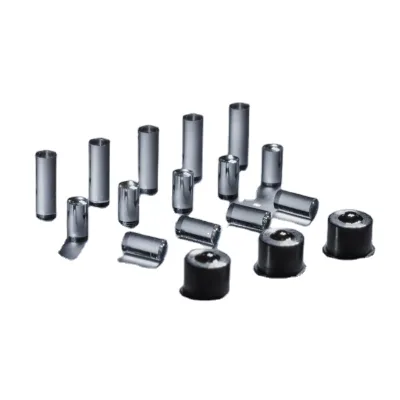


Coating 635nm~830nm Laser Machine Spare Parts Collimator Lens Laser Beam
$3.00 - $35.00
MOQ: 10 Pieces
Comprehensive Sourcing Guide
Strategic Sourcing Guide for Fiber Laser Collimating Lenses
Procuring high-performance fiber laser collimating lenses requires a rigorous understanding of optical specifications, material science, and supply chain reliability. The market for these components is diverse, ranging from standard off-the-shelf items to highly customized solutions for industrial laser equipment. Buyers must navigate a landscape where product attributes vary significantly between listings, necessitating a disciplined approach to verification. This guide outlines the critical factors for sourcing fiber laser collimating lenses, focusing on technical alignment, supplier evaluation, and quality assurance protocols based on observed market data.
Technical Specifications and Material Composition
The foundation of a successful procurement strategy lies in defining precise technical requirements. The core component, often identified as a Fiber Collimating Lens, is primarily constructed from optical glass or fused silica. The choice of material is dictated by the specific application environment, particularly the wavelength of the laser system. Observed market data indicates a strong correlation between the component model and the operating wavelength, with 1064 nm being a prevalent specification for fiber laser applications. Buyers must verify that the lens material, whether optical glass or fused silica, is compatible with the intended laser power and wavelength to prevent thermal degradation or coating failure.
Shape and geometry are equally critical. The standard configuration for these lenses is the plane lens, designed to collimate divergent light from a fiber source into a parallel beam. However, the thickness of the lens is frequently a customizable parameter, allowing for integration into specific optical assemblies. The physical dimensions of the lens, often adhering to standard mounting interfaces like 12.7mm, 25.4mm, or 50.8mm, must be confirmed against the existing mechanical housing. While some listings suggest standard manufacturing, others emphasize custom manufacturing capabilities, requiring the buyer to explicitly state dimensional tolerances during the inquiry phase.
| Specification Parameter | Common Observation | Verification Requirement |
|---|---|---|
| Material | Optical Glass, Fused Silica | Confirm material purity and laser damage threshold. |
| Wavelength | 1064 nm | Verify coating design matches specific laser wavelength. |
| Shape | Plane Lens | Ensure curvature and surface flatness meet optical path requirements. |
| Mounting Size | 12.7mm, 25.4mm, 50.8mm | Validate mechanical interface compatibility with existing fixtures. |
| Thickness | Customized | Specify exact thickness tolerance to ensure optical performance. |
Compliance, Certification, and Standardization
Navigating the compliance landscape for optical components involves distinguishing between standard and non-standard classifications. Market observations reveal a dichotomy where products are listed both as standard components and non-standard components. This ambiguity underscores the necessity for buyers to request explicit certification of the component's status. For applications requiring strict adherence to industrial standards, the buyer must verify if the lens meets specific international or national standards for optical safety and performance.
Certification checks should extend beyond the product itself to the manufacturing process. Suppliers offering OEM/ODM customized services often provide video outgoing-inspection, a valuable tool for verifying production quality before shipment. This feature allows the buyer to observe the manufacturing environment and the final inspection process, ensuring that the "New" condition of the parts is maintained from production to packaging. Furthermore, patents related to coating technology are a significant differentiator in the market. Buyers should inquire about the specific coating technologies employed, as these directly influence the transmission efficiency and laser protection capabilities of the lens.
Cost Drivers and Pricing Dynamics
The pricing structure for fiber laser collimating lenses is influenced by a complex interplay of factors, including material costs, customization levels, and order volume. The observed price range in the market is extensive, spanning from 0.29 USD to 600 USD. This wide variance is not indicative of a single product but rather reflects the spectrum from basic, non-customized optical elements to high-precision, custom-engineered solutions with specialized coatings.
The primary cost driver is the level of customization. While some products are available as standard components with minimal modification, others require custom manufacturing of the thickness, diameter, or coating specifications. The "Customized" attribute appears frequently in listings, suggesting that a significant portion of the market caters to bespoke requirements. Additionally, the packaging method, ranging from plastic cases to cartons or wood cases, can impact the final unit cost, particularly for international shipping. Buyers should anticipate that higher prices correlate with specialized materials like fused silica, advanced coating technologies, and rigorous quality control measures such as video inspection.
Typical Applications and Industry Fit
Fiber laser collimating lenses are integral to a variety of high-tech industries, with the most prominent application being industrial laser equipment. These components are essential for maintaining beam quality in laser cutting, welding, and marking systems. The "Spare Parts Type" classification often points to their role as consumables or critical replacements in machine maintenance, ensuring minimal downtime for industrial operations.
Beyond industrial machinery, the "Use" attribute highlights applications in the medical and optical sectors. In medical devices, precision optics are required for diagnostic and therapeutic laser systems, where beam collimation is critical for safety and efficacy. The "Laser Protection Window" keyword further suggests that these lenses may serve dual roles as protective barriers and optical elements, shielding sensitive internal components from debris while maintaining optical clarity. Buyers targeting these sectors must ensure that the lens specifications align with the stringent safety and performance standards of the medical and optical industries.
Supplier Evaluation and Operational Capabilities
Selecting a reliable supplier requires a multi-faceted evaluation process that goes beyond price comparison. The origin of the product is a significant factor, with the majority of listings indicating a place of origin in Jiangsu, China. While this region is a known hub for optical manufacturing, buyers must verify the specific capabilities of the supplier within this region. Key evaluation criteria include the supplier's ability to handle "OEM/ODM Customized Service" and their track record in providing "Video Outgoing-Inspection."
The "Brand Name" and "Patent" attributes provide insight into the supplier's market position. Established brands like 3V-TECH may offer a higher degree of reliability, but the presence of a patent for coating technology is a more objective indicator of technical capability. Buyers should prioritize suppliers who can demonstrate a clear understanding of the "Laser Type" (e.g., Fiber Laser) and can provide evidence of their "Key Selling Points," such as competitive pricing without compromising on quality. The availability of "Single package size" and "Single gross weight" data also aids in logistics planning, allowing buyers to accurately estimate shipping costs and storage requirements.
Quality Control and Long-Term Procurement
Ensuring the long-term reliability of fiber laser collimating lenses necessitates a robust quality control framework. The "Condition" of the product is typically listed as "New," but this must be verified through physical inspection or third-party testing. The "Warranty Time" of 3 years observed in some listings is a strong indicator of supplier confidence, but buyers should clarify the specific terms of this warranty, including coverage for coating degradation or optical damage.
For long-term procurement, the "MOQ" (Minimum Order Quantity) is a critical consideration. The observed range of 1 to 1000 units suggests flexibility for both prototyping and mass production. However, specific listings may enforce a minimum of 10 pieces, which buyers must account for in their inventory planning. The "Selling Units" being listed as "Single item" implies that individual lenses can be purchased, but bulk discounts may be available for larger orders.
Buyers should also consider the "Spare Parts Type" classification, which categorizes these lenses as either machine consumables or fiber laser optics. This distinction affects the procurement strategy; consumables may require frequent reordering, while optics might be treated as capital equipment with longer replacement cycles. To mitigate risks, buyers should establish a relationship with suppliers who offer consistent "Video Outgoing-Inspection" and maintain clear communication channels for addressing any quality issues that arise post-delivery.
Conclusion
Sourcing fiber laser collimating lenses demands a meticulous approach that balances technical precision with supply chain pragmatism. By focusing on material composition, verifying customization capabilities, and evaluating supplier quality control measures, buyers can secure components that meet the rigorous demands of industrial, medical, and optical applications. The wide range of available options, from standard components to custom-manufactured solutions, offers flexibility but requires careful due diligence. Ultimately, the success of the procurement process depends on the buyer's ability to navigate the complex interplay of specifications, costs, and supplier reliability to ensure the delivery of high-performance optical components.
FAQs
What material is used for fiber laser collimating lenses?
These lenses are primarily constructed from optical glass or fused silica. The choice depends on the specific wavelength and power requirements of the laser system to ensure durability and optical clarity.
Can I customize the thickness of the collimating lens?
Yes, the thickness of the lens is frequently a customizable parameter. Buyers must specify exact thickness tolerances to ensure the component integrates correctly into their specific optical assemblies.
Which wavelength is standard for these fiber laser lenses?
The prevalent operating wavelength observed in the market is 1064 nm. Buyers must verify that the lens coating design matches this specific laser wavelength to prevent thermal degradation.
How do I verify the quality of the supplier?
Suppliers often provide video outgoing-inspection to verify production quality before shipment. This allows buyers to observe the manufacturing environment and ensure the parts meet the required new condition standards.
What is the typical warranty period for these components?
Some listings indicate a warranty time of 3 years for these optical components. Buyers should clarify the specific terms regarding coating degradation or optical damage to ensure long-term reliability.
Where are these fiber laser lenses typically manufactured?
The majority of listings indicate a place of origin in Jiangsu, China. This region is a known hub for optical manufacturing, but buyers should verify the specific capabilities of the supplier.
What is the minimum order quantity for these lenses?
The observed MOQ range spans from 1 to 1000 units depending on the listing. Some specific products may enforce a minimum of 10 pieces, requiring careful inventory planning.