Source Yag Jewelry Laser Welding Machine for Electronics and Biomedicine
Compare 30 Yag Jewelry Laser Welding Machine options featuring 150W or 200W power, manual control, and water or air cooling. These pulse lasers support precision welding for gold, stainless steel, and iron in manufacturing and biomedical applications; compare the available evidence and request quotations based on your requirements.
Key considerations
Products List


200W Touch Control Jewelry Laser Welding Machine YAG Laser Spot for Gold and Silver
$2800.00 - $3000.00
MOQ: 1 Pieces
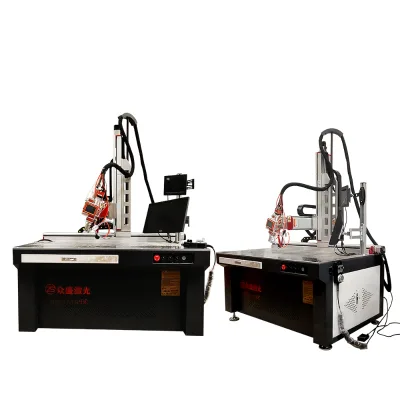


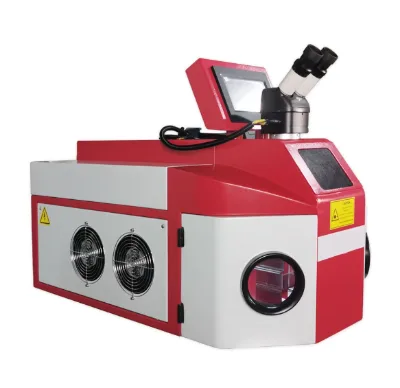
200W YAG Spot Jewelry Laser Welding Machine Suitable for Jewelry Repair
$3150.00 - $3280.00
MOQ: 1 Pieces


Jewelry Spot YAG Laser Welder for Jewelry Gold Silver Metal Spot Welding
$3900.00 - $5300.00
MOQ: 1 Pieces


Comprehensive Sourcing Guide
Yag Jewelry Laser Welding Machine Sourcing Guide
Procuring a Yag Jewelry Laser Welding Machine requires a careful balance of technical precision and commercial flexibility, as these devices are specialized tools designed for high-accuracy metal joining in delicate industries. Buyers must recognize that while the core technology relies on pulsed laser welding, specific configurations vary significantly between suppliers, particularly regarding power output, cooling methods, and control interfaces. The observed market signals indicate a wide range of available models, from 150W to 200W units, with some listings suggesting higher power densities for heat conduct welding applications. This variability means that a one-size-fits-all approach to sourcing is ineffective; instead, buyers must align their specific production needs with the machine’s actual capabilities, such as pulse width ranges and spot adjustment options, to ensure optimal performance in jewelry manufacturing and electronic assembly tasks.
Furthermore, the sourcing process is heavily influenced by the supplier’s ability to offer customization and support, as indicated by the availability of manual controls and various color options for the equipment housing. Buyers should prioritize suppliers who provide clear documentation on electricity demands, such as 220V±5V 50Hz/60Hz requirements, and cooling systems, whether water or air-based, to prevent operational failures. The presence of features like microscope or camera system aiming and positioning systems is critical for precision work, ensuring that the laser spot, typically ranging from 0.2mm to 0.3mm, is accurately placed on materials like gold, stainless steel, and iron plates. Understanding these technical nuances allows buyers to make informed decisions that minimize downtime and maximize the longevity of their investment in precision welding equipment.
Product Scope and Observed Listing Signals
The current market for YAG jewelry laser welding machines presents a diverse array of options, primarily characterized by their classification as pulse lasers with specific wavelength outputs around 1064nm. Listings frequently highlight models such as the YME-200W-LS and YME-150W-ZM, which cater to different power requirements and operational scales within the jewelry and electronic industries. Buyers will observe that these machines are often marketed with key selling points emphasizing ease of operation and high working accuracy, potentially up to 99.99%, which is crucial for intricate jewelry repairs and manufacturing. The observed price range of 280 to 10,000 USD suggests a broad spectrum of quality and feature sets, requiring buyers to scrutinize the specific technical attributes of each listing to determine value alignment with their production volume and precision needs.
Additionally, the physical specifications and packaging details provide insight into the logistical considerations of importing these machines, with external dimensions varying significantly between host units, such as 360×550×1170mm or 800×500×620mm configurations. The gross weight of packages, often around 155kg, and packing dimensions like 115.00cm * 55.00cm * 125.00cm, indicate that shipping and handling costs will be a substantial part of the total procurement cost. Buyers should also note the availability of customization options and the condition of the products, which are typically listed as new, ensuring that they receive factory-fresh equipment. Understanding these physical and commercial signals helps buyers estimate total landed costs and plan their warehouse space and handling procedures effectively, ensuring a smooth integration of the new welding machines into their existing workflows.
Technical Specifications to Verify
When evaluating the technical specifications of a YAG laser welding machine, buyers must prioritize the verification of laser power, pulse width, and spot size, as these parameters directly impact welding quality and efficiency. The observed data indicates maximum laser powers of 150W or 200W, with pulse widths ranging from 0.1ms to 10ms, allowing for fine-tuned control over heat input and weld depth, typically between 0.1mm and 3mm. It is essential to confirm the laser frequency, which may vary between 1-25Hz or 1-20Hz, to ensure compatibility with the desired production speed and material thickness. Buyers should also verify the spot adjustment range, often cited as 0.2-3mm or 0.2-2mm, and the aiming and positioning systems, such as microscopes or camera systems, which are critical for achieving the precision required in jewelry and electronic component welding.
Cooling systems and power supply requirements are another critical area for verification, as improper cooling can lead to rapid degradation of the laser source and other components. Listings may specify water cooling or air cooling methods, with some units featuring a 0.6p water chiller, while others rely on air cooling for simplicity. Buyers must ensure that their facility can support the electricity demand, typically 220V±5V 50Hz/60Hz, and check the rated power, which can be 5kw or 7kw, to avoid electrical overloads. Additionally, the focusing cavity reflector, often described as an imported ceramic focusing cavity, plays a vital role in beam quality and should be verified for durability and performance. Confirming these technical details ensures that the machine will operate reliably and efficiently in the buyer’s specific industrial environment.
Compliance and Safety Documentation
Compliance and safety documentation are paramount when sourcing industrial laser equipment, as these machines operate at Class YAG laser levels and require strict adherence to safety protocols to prevent injury and equipment damage. Buyers should request comprehensive safety manuals that detail the proper handling of the 1064nm wavelength laser, including eye protection requirements and interlock mechanisms for the focusing cavity and cooling systems. It is crucial to verify that the supplier provides documentation confirming the machine’s compliance with relevant electrical safety standards, particularly given the specific voltage and frequency requirements observed in the listings. Buyers must also ensure that the equipment includes clear labeling and warning signs, as mandated by international safety regulations, to protect operators from potential hazards associated with high-power laser welding.
Furthermore, buyers should inquire about the warranty terms and after-sales support provided by the supplier, as these are indicators of the manufacturer’s confidence in their product’s reliability. The observed warranty period of one year is a baseline expectation, but buyers should clarify what components are covered and the process for claiming repairs or replacements. Documentation regarding the machine’s condition, typically listed as new, and the origin of the product, often China, should be verified to ensure authenticity and traceability. Buyers must also confirm that the supplier provides necessary certificates for the materials used in the machine, such as the imported ceramic focusing cavity, to ensure quality and durability. Proper documentation not only ensures legal compliance but also facilitates smoother customs clearance and integration into the buyer’s quality management systems.
Cost Drivers and Commercial Terms
The cost of a Yag Jewelry Laser Welding Machine is influenced by several key drivers, including the laser power, cooling system type, and the level of customization offered by the supplier. Higher power units, such as those with 200W output, typically command a premium price compared to 150W models, while advanced features like camera system positioning and imported components can further increase the cost. Buyers should also consider the impact of packaging and shipping, given the substantial gross weight and dimensions of the machines, which can significantly affect the total landed cost. Understanding these cost drivers allows buyers to negotiate more effectively and allocate their budget to the features that are most critical for their specific application, whether it be high-volume production or precision repair work.
Commercial terms, including lead times and minimum order quantities (MOQ), also play a significant role in the procurement process. The observed lead time of five days for single pieces, with negotiable terms for larger quantities, suggests that suppliers are flexible but may require advance planning for bulk orders. Buyers should clarify the payment terms, delivery schedules, and any additional fees for customization or expedited shipping. It is also important to verify the supplier’s return policy and the process for handling defective units, as these terms can impact the overall risk of the purchase. By carefully reviewing and negotiating these commercial terms, buyers can secure a favorable deal that aligns with their financial constraints and operational timelines, ensuring a smooth and cost-effective procurement experience.
Supplier Qualification and Quality Control
Supplier qualification is a critical step in ensuring the reliability and performance of the Yag Jewelry Laser Welding Machine, as the quality of the equipment directly impacts production efficiency and product quality. Buyers should verify the supplier’s manufacturing capabilities, including their experience in producing laser welding machines and their adherence to quality control standards. It is advisable to request evidence of their production processes, such as factory audits or quality management certifications, to ensure that the machines are built to high standards. Buyers should also assess the supplier’s technical support capabilities, including their ability to provide training, maintenance, and troubleshooting assistance, which are essential for the long-term operation of the equipment.
Quality control measures should be clearly defined and agreed upon before placing an order, including inspection protocols for the laser source, cooling systems, and control interfaces. Buyers should verify that the supplier conducts rigorous testing of each unit before shipment, including checks for pulse width accuracy, spot size consistency, and cooling system performance. It is also important to confirm the supplier’s policy for handling defective units and their willingness to provide replacement parts or repairs under warranty. By establishing a robust supplier qualification and quality control process, buyers can mitigate the risk of receiving substandard equipment and ensure that their investment in a YAG laser welding machine delivers the expected performance and reliability.
Long-Term Procurement Checks
Long-term procurement checks are essential for maintaining the performance and longevity of a Yag Jewelry Laser Welding Machine, as regular maintenance and monitoring can prevent costly downtime and extend the equipment’s lifespan. Buyers should establish a routine maintenance schedule that includes cleaning the focusing cavity, checking the cooling system for leaks or blockages, and verifying the alignment of the laser beam. It is also important to monitor the machine’s performance metrics, such as pulse width stability and welding quality, to detect any signs of degradation early. Buyers should keep detailed records of maintenance activities and any repairs performed, which can help identify recurring issues and inform future procurement decisions.
Additionally, buyers should stay informed about advancements in laser welding technology and updates from the supplier, as these can provide opportunities for upgrading or optimizing their equipment. It is advisable to maintain a good relationship with the supplier, as they can offer valuable insights into best practices for operation and maintenance. Buyers should also consider the availability of spare parts and the cost of consumables, such as lenses and cooling fluids, when evaluating the total cost of ownership. By implementing a proactive approach to long-term procurement checks, buyers can ensure that their Yag Jewelry Laser Welding Machine continues to perform at its best, supporting their production goals and maintaining a competitive edge in the market.
FAQs
What laser classification and wavelength does this machine use?
This device utilizes a YAG laser with a 1064nm wavelength. It is classified as a pulse laser with a pulse width ranging from 0.1 to 10ms. The system supports manual control and offers spot adjustment ranges of 0.2-3mm or 0.2-2mm. These specifications ensure precise heat conduct welding for delicate materials.
Can the machine weld gold and stainless steel effectively?
Yes, the machine is designed for precision welding of gold, stainless steel, iron plates, and other metals. It achieves a welding depth of 0.1-3mm with a laser spot size of 0.2-0.3mm. The system supports graphic formats like AI, PLT, and DXF for accurate positioning during manufacturing processes.
What are the power and cooling options available?
The unit offers rated powers of 5kw or 7kw with maximum laser outputs of 150W or 200W. Cooling options include both water cooling and air cooling systems. The water chiller capacity is specified as 0.6p. These configurations support stable operation for continuous jewelry welding tasks in various industrial settings.
Is customization available for this laser welding equipment?
Customization is available for this laser welding machine. Buyers can select from multiple color options including orange white, blue white, green black, and red black. The equipment supports CNC operation and allows for specific technical adjustments. This flexibility ensures the machine meets diverse manufacturing and electronic industry requirements.
What are the shipping dimensions and weight details?
The package gross weight is 155.000kg, and the packing size is 115.00cm by 55.00cm by 125.00cm. The host dimensions vary by model, with options like 360×550×1170mm or 800×500×620mm. The product is packed in a wooden box for safe transport from China to global destinations.
What is the lead time and warranty period?
The lead time is 5 days for orders of one piece, while larger quantities require negotiation. The machine comes with a one-year warranty. This short lead time supports rapid deployment for manufacturing and biomedical applications. The warranty ensures long-term reliability for precision welding operations in professional environments.