Source Fiber Wheel Brush for Car and Tire Cleaning needs
Compare 30 Fiber Wheel Brush for Car and Tire Cleaning options with varying bristle materials like microfiber and chenille. Buyers can review specifications such as handle type, size, and packaging details from suppliers in Anhui, China.
Key considerations
Products List
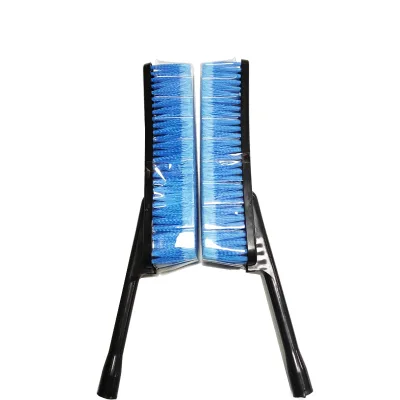
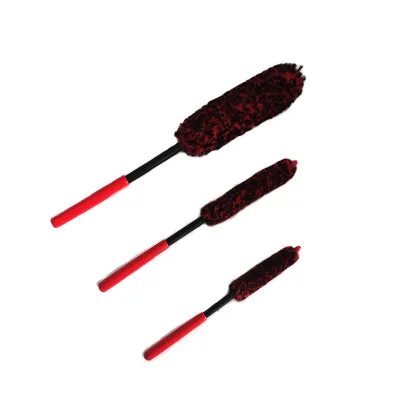
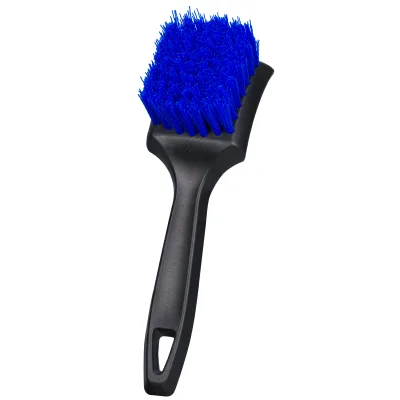
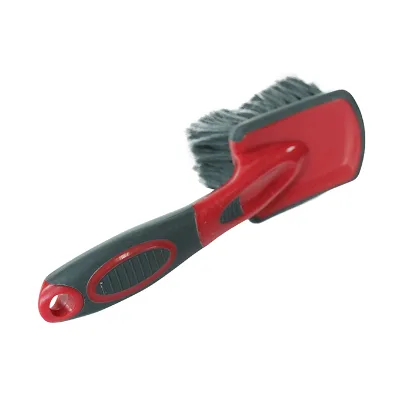
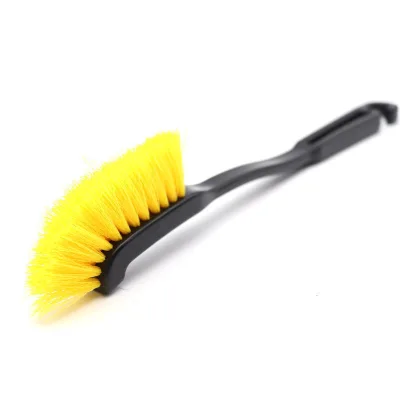


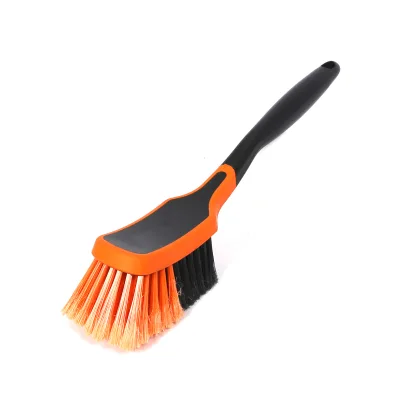


Comprehensive Sourcing Guide
Strategic Sourcing Guide for Fiber Wheel and Tire Cleaning Brushes
The automotive aftermarket and professional detailing sectors have seen a sustained increase in demand for specialized cleaning tools, particularly those designed for wheel and tire maintenance. Among these, the fiber wheel brush has emerged as a critical instrument due to its ability to remove brake dust and road grime without compromising delicate wheel finishes. For procurement professionals, navigating the supply chain for these items requires a granular understanding of material composition, dimensional specifications, and supplier capabilities. This guide synthesizes available market data to provide a structured approach for sourcing high-quality fiber wheel brushes, ensuring that buyers can make informed decisions based on verified attributes rather than speculative claims.
Technical Specifications and Material Composition
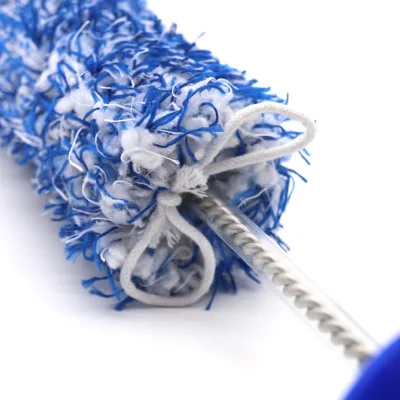
The efficacy of a wheel brush is fundamentally determined by its material composition and physical dimensions. In the current market, the core material for the bristles often varies between microfiber fabrics, chenille, and polyethylene (PE), while the structural handle is predominantly constructed from polypropylene (PP) or plastic. These materials are selected for their balance of durability, flexibility, and non-abrasive properties. For instance, microfiber fabrics are frequently cited for their superior cleaning ability, capable of trapping fine particulate matter, whereas chenille offers a soft, plush texture that is ideal for polishing surfaces. Polyethylene bristles provide a different set of characteristics, often offering a stiffer touch suitable for more aggressive cleaning tasks.
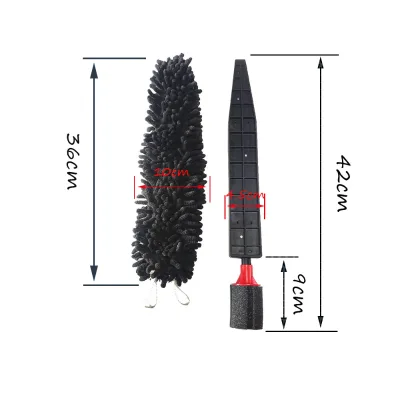
Dimensional consistency is equally critical. The bristle length is a primary specification that dictates the reach and coverage of the tool. Market observations indicate bristle lengths ranging from 24 cm to 36 cm, with specific models like the CAR-25 featuring a 24 cm bristle length and others reaching up to 36 cm. The overall size of the product also varies, with some units measuring approximately 22 cm in length, while others are packaged in larger dimensions, such as 47x10x10 cm or 25x40x20 cm, reflecting the bulkiness of the brush head or handle design. The weight of the single unit is another key metric, with observed values ranging from 155g for lighter models to 1.0 kg for heavier, more robust versions. Buyers must verify these specifications against their specific operational needs, as a lighter brush may be preferred for detailed work, while a heavier unit might offer better leverage for deep cleaning.
Compliance, Certification, and Environmental Standards
When sourcing cleaning tools, environmental impact and safety compliance are becoming increasingly significant factors for B2B buyers. Many suppliers in the sector now highlight "Eco-Friendly" attributes as a core selling point, suggesting that the manufacturing processes or materials used align with sustainability goals. However, buyers should not assume that all listed products meet specific international environmental certifications without verification. The presence of an "Eco-Friendly" label in product descriptions should be treated as a claim that requires validation through official documentation or third-party testing results.
Furthermore, the chemical composition of the materials, such as the specific grades of PP and PE used, must be evaluated to ensure they do not release harmful substances during use or disposal. While the supplied data does not list specific certification numbers or standards (such as ISO or REACH compliance), it is imperative for procurement teams to request proof of compliance from potential suppliers. This includes verifying that the plastic components are free from hazardous substances and that the microfiber or chenille materials are produced without the use of prohibited dyes or chemicals. The absence of explicit certification data in general product listings means that the burden of verification lies with the buyer to ensure the product meets the regulatory requirements of their target market.
Cost Drivers and Pricing Dynamics
The pricing structure for fiber wheel brushes is influenced by several variables, including material costs, manufacturing complexity, and order volume. The observed price range in the market spans from $0.29 to $5.99 per unit, a wide disparity that reflects differences in quality, brand positioning, and feature sets. The lower end of the spectrum typically corresponds to basic models with standard plastic handles and simple bristle configurations, while the higher prices often correlate with premium materials like high-density microfiber, ergonomic handle designs, or specialized branding.
Minimum Order Quantity (MOQ) is a significant cost driver in this category. The market data indicates an MOQ range of 2 to 10,000 pieces, with a common benchmark of 1,000 pieces for many suppliers. This variation allows buyers to tailor their procurement strategy based on their inventory needs and cash flow constraints. Smaller buyers may find suppliers with lower MOQs, though the unit price may be higher due to the lack of economies of scale. Conversely, large-volume purchasers can leverage the higher MOQ thresholds to negotiate more favorable unit costs. It is essential to note that the "Selling Units" are often listed as single items, but the transactional reality involves bulk purchasing, which impacts the final landed cost.
Typical Applications and Usage Scenarios
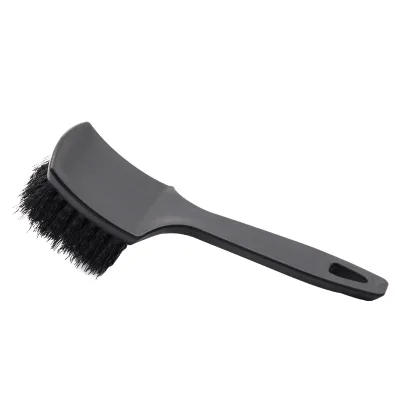
The primary application for these brushes is car wheel and tire cleaning, a task that requires a tool capable of navigating complex geometries such as spokes, rims, and lug nuts. The product attributes explicitly define the usage as "Car Wheel" and "Wheel Cleaning," highlighting their specialized function. The "Super Cleaning Ability" and "Car Cleaning Easily" functions suggest that these tools are designed to remove stubborn brake dust, which is a common challenge in automotive maintenance.
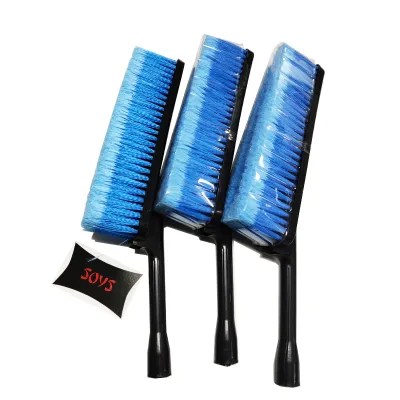
Beyond the standard passenger vehicle market, some specifications indicate the brushes may be used for "civil brush" applications, suggesting versatility in broader cleaning contexts. The "Hand" style of the brush implies a manual operation, which is standard for detailing tasks where precision is required. The color of the brushes, often observed as Blue, Blue/White, or Black, may also serve a functional purpose, such as color-coding for different cleaning zones to prevent cross-contamination of chemicals. Understanding these application nuances helps buyers select the right tool for specific detailing workflows, whether for a professional garage or a fleet maintenance department.
Supplier Evaluation and Operational Capabilities
Selecting the right supplier involves more than just comparing price and MOQ. Buyers must assess the supplier's operational capabilities, including their production location and sample lead times. The data indicates that a significant portion of these products originates from Anhui, China, a region known for its manufacturing base in plastic and textile goods. The "Sample Time" is a critical metric for procurement planning, with a standard lead time of 5 days observed for sample requests. This relatively short turnaround allows buyers to evaluate product quality quickly before committing to larger orders.
Supplier reliability is further gauged by their flexibility regarding branding and customization. Many suppliers offer "Custom Logo Accepted" or "Customized Logo" services, allowing buyers to brand the products for their specific business needs. This capability is particularly valuable for private label opportunities. However, buyers should verify the supplier's capacity to handle these customizations without compromising the structural integrity of the brush or the quality of the bristles. Additionally, the "Packing" method, often listed as "Opp Bag," should be evaluated for its suitability for shipping and storage, ensuring that the product arrives in pristine condition.
Quality Control and Long-Term Procurement Considerations
Ensuring consistent quality is paramount in long-term procurement relationships. Given the variation in material specifications, such as the difference between microfiber, chenille, and PE bristles, buyers must establish clear quality control protocols. The "Single gross weight" and "Single package size" are useful metrics for verifying that the received goods match the ordered specifications. Discrepancies in weight or dimensions can indicate issues with material density or manufacturing consistency.
For long-term success, buyers should consider the durability of the brush under repeated use. While the "Function" is listed as "Car Cleaning Easily," the actual lifespan of the bristles under heavy use conditions should be tested. Buyers are advised to request test results or performance data regarding the brush's ability to withstand repeated washing cycles and chemical exposure. Furthermore, the "Model Number" variations, such as CAR25, CAR-25, and CAR-26, suggest a range of product lines. Maintaining a consistent model selection across orders helps in streamlining inventory management and ensures that replacement parts or accessories remain compatible.
Comparative Analysis of Product Attributes
To facilitate a clearer understanding of the market offerings, the following table summarizes key attributes observed across different product models. This comparison highlights the diversity in specifications that buyers must navigate when selecting the optimal product for their needs.
| Attribute | Model CAR25 / CAR-25 | Model CAR-26 | General Observation |
|---|---|---|---|
| Brush Material | Microfiber Fabrics / PE | Chenille / PE | Materials vary by model; check for abrasion resistance. |
| Bristle Length | 24 cm | 36 cm | Length impacts reach; 36 cm offers greater coverage. |
| Handle Material | Plastic | Plastic | Standard material; verify ergonomic design. |
| Single Weight | 1.000 kg | 1.0 kg | Heavier models may offer better stability. |
| Package Size | 20x20x20 cm | 25x40x20 cm | Packaging affects shipping volume and cost. |
| MOQ | 1000 | 1000 | Standard MOQ is 1000 pieces. |
| Color | Blue/White | Black | Color options may affect branding alignment. |
| Origin | Anhui, China | Anhui, China | Consistent manufacturing region. |
This table underscores the importance of verifying specific model numbers against the buyer's requirements. A brush with a 36 cm bristle length may be unsuitable for tight wheel wells, while a 24 cm model might be preferred for detailed work. Similarly, the choice between microfiber and chenille depends on the specific cleaning challenge, with microfiber often favored for dust trapping and chenille for gentle polishing.
In conclusion, sourcing fiber wheel brushes requires a meticulous approach that balances technical specifications, cost efficiency, and supplier reliability. By focusing on verified attributes such as material composition, dimensions, and production capabilities, buyers can mitigate risks and secure high-quality products that meet the rigorous demands of the automotive cleaning industry. The absence of universal standards in the provided data necessitates a proactive verification process, ensuring that every procurement decision is grounded in factual evidence rather than assumption.
FAQs
What materials are used for the brush bristles?
The brush bristles are made from microfiber fabrics, chenille, or polyethylene depending on the specific model. These materials are selected for their ability to clean effectively without scratching delicate wheel surfaces.
How long is the bristle length for these brushes?
Bristle lengths vary between 24 cm and 36 cm across different product models. Longer bristles provide greater reach for deep cleaning, while shorter ones offer better control for detailed work.
Can I get a custom logo on the product?
Yes, custom logo acceptance is available for most models in this category. Buyers can request personalized branding to align the cleaning tools with their specific business identity.
What is the typical minimum order quantity required?
The standard minimum order quantity is 1000 pieces for most suppliers in this sector. Some vendors may offer lower quantities starting at 2 units, though bulk orders often secure better pricing.
Where are these fiber wheel brushes manufactured?
The primary manufacturing location for these products is Anhui, China. This region is known for its production of plastic and textile goods used in automotive cleaning tools.
How much does a single unit weigh?
Single unit weights range from 155 grams for lighter models to 1.0 kilogram for heavier versions. The weight difference reflects variations in handle material and bristle density.
What is the lead time for product samples?
The standard sample time is 5 days for most suppliers. This allows buyers to evaluate product quality and specifications before committing to larger production orders.