Source Fiber Optical Cable for Communication, Medicine, and Sensor
Compare 30 Fiber Optical Cable options from verified Chinese manufacturers. Buyers can evaluate specifications like tensile strength, sheath material, and certifications for communication, medicine, and sensor applications.
Key considerations
Products List


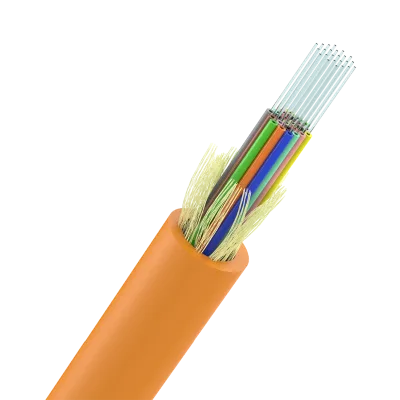


Fiber Cable Optic Fiber Cableoptical Fiber Cable Wireoptical Fiber Cable
$0.15 - $0.25
MOQ: 1000 Meters




Comprehensive Sourcing Guide
Strategic Sourcing Guide for Fiber Optical Cable Procurement
The global demand for high-speed data transmission has elevated fiber optical cables to a critical component in modern infrastructure. For procurement professionals, navigating the market requires a disciplined approach that distinguishes between generic optical fiber products and specialized distribution cables designed for specific environments. This guide synthesizes observed market data and technical attributes to provide a framework for evaluating suppliers, verifying compliance, and selecting the right cable architecture for projects ranging from consumer electronics to heavy industrial communication networks.
Technical Architecture and Mechanical Specifications
Understanding the physical construction of fiber optical cables is the first step in ensuring long-term reliability. The market presents a diverse array of configurations, ranging from simple round wire structures to complex armored distribution cables. Buyers must verify the specific material shape and core composition to match the intended installation environment. Observed product attributes indicate that many cables utilize a Round Wire material shape, which is standard for general-purpose optical fibers. However, for outdoor or high-stress applications, the internal architecture often includes specific strength members and armor layers.
For instance, cables designed for aerial installation, direct burial, or duct applications frequently incorporate a Steel Wire strength member to withstand tensile loads. The Allowed Tensile Strength for these robust cables can range significantly, with observed data indicating capabilities between 1000N and 10,000N, and in some heavy-duty configurations exceeding 10,000N. Conversely, lighter indoor or consumer-grade cables may exhibit lower tensile limits, such as the range between 100N and 1,000N.
The mechanical resilience of the cable is further defined by its lateral pressure resistance. In scenarios where cables are subjected to heavy loads, such as being buried under soil or crushed by heavy equipment, the Allowed Lateral Pressure is a critical metric. Verified specifications show that high-performance cables can withstand pressures greater than 1,000 N/100mm, while standard variants may fall within the 100 N/100mm to 1,000 N/100mm range. Additionally, the sheath material plays a pivotal role in environmental protection. PE (Polyethylene) is commonly observed for outdoor durability, offering resistance to moisture and UV radiation, whereas PVC sheaths are often utilized for indoor applications due to their fire-retardant properties and flexibility.
| Feature | Indoor/Consumer Grade | Outdoor/Industrial Grade |
|---|---|---|
| Sheath Material | PVC | PE |
| Strength Member | Aramid Yarn / Glass Rod | Steel Wire |
| Tensile Strength | 100N - 1,000N | 1,000N - 10,000N+ |
| Lateral Pressure | < 1,000 N/100mm | > 1,000 N/100mm |
| Armor | None | Corrugated Steel Tape |
| Application | Multimedia, Computers | Aerial, Direct-Burial, Duct |
Compliance and Certification Verification
In the B2B sector, compliance is not merely a regulatory formality but a prerequisite for market access and liability protection. When sourcing fiber optical cables, buyers must rigorously verify that the supplier's products meet international safety and environmental standards. The observed market data highlights a consistent requirement for RoHS (Restriction of Hazardous Substances) compliance, which ensures that the cable materials do not contain restricted hazardous substances like lead or mercury. This is particularly vital for products destined for the European Union and other regions with strict environmental regulations.
Beyond environmental compliance, electrical and safety certifications are essential. The CE mark indicates conformity with health, safety, and environmental protection standards for products sold within the European Economic Area. For products entering the Chinese market, CCC (China Compulsory Certification) is a mandatory requirement. Furthermore, UL (Underwriters Laboratories) and CSA (Canadian Standards Association) certifications are critical for North American markets, ensuring the cables meet specific fire safety and electrical performance criteria.
Quality management systems also play a significant role in supplier evaluation. Buyers should request evidence of ISO9001 certification, which demonstrates that the manufacturer adheres to a consistent quality management process. Some suppliers may also hold ISOCCS or VDE certifications, indicating adherence to specific German or international standards for electrical components. It is important to note that while many suppliers list multiple certifications, buyers must verify that the specific product model being purchased carries the relevant certifications for the target market, as certifications can sometimes be company-wide rather than product-specific.
Cost Drivers and Pricing Dynamics
The pricing of fiber optical cables is influenced by a complex interplay of material costs, manufacturing complexity, and order volume. The observed price range in the market spans from $0.01 to $242.19, a wide disparity that reflects the difference between simple patch cords and complex armored distribution cables. Several key factors drive these costs.
First, the Number of Conductors is a primary cost driver. Cables with a higher fiber count, such as those with ≥ 10 conductors, generally command a higher price per unit due to the increased material usage and more complex manufacturing processes required to maintain signal integrity across multiple cores. Second, the Armor and Sheath Material significantly impact cost. Cables featuring Corrugated Steel Tape armor and PE sheathing for outdoor use are more expensive than unarmored, PVC-sheathed indoor cables.
Order volume, represented by the MOQ (Minimum Order Quantity), also dictates the unit price. The observed MOQ range is extensive, from 1 unit to 10,000 units. Buyers purchasing small quantities, such as single items or small batches, will face higher per-unit costs. Conversely, large-scale procurement allows for economies of scale, often reducing the unit price significantly. The Selling Units are typically listed as "Single item" for catalog browsing, but actual transactions often require bulk ordering. Additionally, Customization availability can influence pricing; while many suppliers offer standard models like GYTS, GYTA, or GJPFJV, custom specifications regarding color, length, or connector types may incur additional setup or tooling fees.
Typical Applications and Use Cases
Fiber optical cables are not a monolithic product; they are engineered for specific applications ranging from consumer electronics to heavy infrastructure. The observed product attributes reveal a clear segmentation based on usage.
In the consumer and office environment, cables are designed for Microphone, Telephone, Multimedia, Monitor, iPod, Computer, Speaker, DVD Player, and Game Player applications. These products often feature Round Wire shapes, White or Black color options, and are packaged in PE Bags, Blister packs, or Cartons. The primary focus here is flexibility and ease of installation in confined spaces.
In contrast, the telecommunications and utility sectors require cables built for harsh environments. These are designated for Communication, Medicine, Sensor, Art, and Probe applications, as well as large-scale infrastructure. Models such as GYTS, GYTC8A, GYTA, and GJYXFCH(V) are specifically engineered for Aerial Installation, Direct-Burial, and Duct applications. These cables often feature Corrugated Steel Tape armor and Steel Wire strength members to protect against rodents, tension, and physical damage. The Distribution Cable category, with models like HITEK-1006 and HITEK-1020, serves as a critical link in the network, ensuring reliable signal transmission over long distances.
Supplier Evaluation and Origin Considerations
When evaluating potential suppliers, the Place of Origin is a significant factor. The majority of the observed products originate from China, specifically from the Guangdong region, which is a global hub for telecommunications manufacturing. This concentration of industry offers buyers access to a vast supply chain and competitive pricing. However, buyers must ensure that the supplier's manufacturing capabilities align with their quality expectations.
The Brand Name and OEM (Original Equipment Manufacturer) status are also critical. Some suppliers operate under their own brand, such as SDGI, while others offer OEM services, allowing buyers to brand the products as their own. This flexibility is valuable for distributors and system integrators looking to white-label products. Buyers should verify the supplier's ability to provide Customization services, as many listed products allow for tailored specifications regarding packing, color, and model numbers.
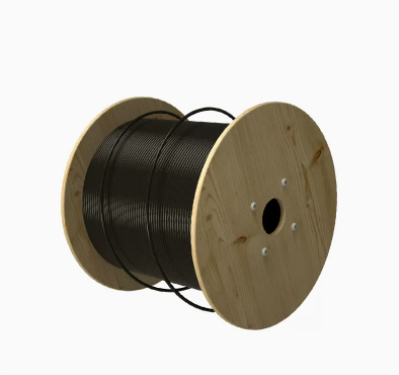
Packing standards are another area for evaluation. While standard packing includes Carton Boxes or PE Bags, heavy-duty cables are often shipped on Wooden Drums or Iron-Wooden Drums, which may be fumigated or untreated depending on the destination country's regulations. Ensuring that the packing method protects the cable during transit is essential, especially for long-distance shipping.
Quality Control and Long-Term Procurement
Ensuring the quality of fiber optical cables requires a proactive approach to quality control. Buyers should verify that the supplier adheres to the ISO9001 standard and conducts rigorous testing for Good Mechanical and Temperature Performance. The Condition of the product should always be confirmed as New, and buyers must inspect the Core structure, which can be Multicore or Single-mode/Multi-mode depending on the application.
Long-term procurement considerations extend beyond the initial purchase. Buyers should assess the supplier's ability to maintain consistent quality over time, especially for large projects that may span several years. The Lead Time and MOQ flexibility are crucial for supply chain stability. While some suppliers offer low MOQs for testing, large projects may require the ability to scale production quickly. Additionally, buyers should consider the Standard compliance, ensuring that the product meets Rohs, PAHs, and other relevant environmental standards to avoid future regulatory issues.
Finally, the Characteristics of the cable, such as its ability to withstand extreme temperatures and mechanical stress, should be validated against the specific project requirements. By focusing on these technical and operational details, buyers can mitigate risks and ensure a reliable supply of high-quality fiber optical cables that meet the demands of modern communication networks.
FAQs
What certifications do fiber optical cables typically have?
Most fiber optical cables carry RoHS, CE, and ISO9001 certifications. Some products also include CCC, UL, CSA, VDE, or ISOCCS marks to ensure compliance with international safety and environmental standards for various global markets.
Which materials are used for the cable sheath?
Sheath materials vary by application, with PE used for outdoor durability and PVC for indoor flexibility. The choice depends on whether the cable requires resistance to moisture and UV radiation or fire-retardant properties for safe indoor installation.
Can I customize the color and packaging of the cable?
Customization is available for both color and packaging options. Buyers can select from white or black colors and choose packaging like PE bags, blister packs, cartons, or wooden drums based on specific shipping and storage requirements.
What is the allowed tensile strength for outdoor cables?
Outdoor cables often have a tensile strength ranging from 1000N to over 10000N. This high strength is achieved using steel wire strength members to withstand the physical stress of aerial installation or direct burial applications.
Where are these fiber optical cables manufactured?
The majority of these products originate from China, specifically the Guangdong region. This location serves as a global hub for telecommunications manufacturing, offering a robust supply chain for various cable models and specifications.
What is the minimum order quantity for these cables?
The minimum order quantity ranges from 1 unit up to 10000 units depending on the supplier. Lower MOQs allow for small batch testing, while larger orders often secure better pricing and economies of scale for bulk procurement.
Which applications are suitable for multi-conductor cables?
Cables with ten or more conductors are suitable for communication, medicine, and sensor applications. They are also used in multimedia, computer, and game player setups where multiple signal paths are required for complex electronic systems.