Source Fireproof Electronic Safe Box with Socket for Home, Office, Retail
Find a Fireproof Electronic Safe Box with Socket from 30 verified listings. Compare models like Ck-25L and H-Safe003, noting steel plate construction, RoHS/CE certifications, and dimensions ranging from 350mm to 560mm in width. Evaluate electronic lock types and powder coating finishes for commercial or home security needs.
Key considerations
Products List


Electronic Security Safes Box Digital Lock Safes Box for Home and Office
$37.20 - $40.00
MOQ: 200 Pieces


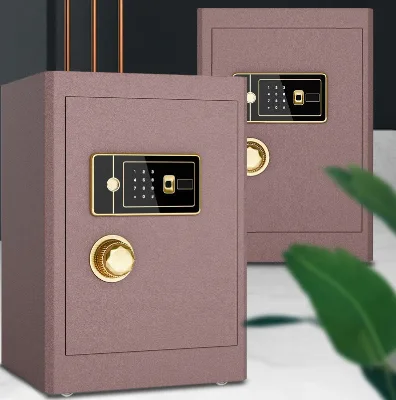
Hot Sale Electronic Metal Anti Fire Security Fireproof Deposit Safes Box
$103.30 - $415.50
MOQ: 10 Minimum


Steel Fireproof Safe Box with Key Lock Digital Password Security Box for Office
$47.00 - $55.00
MOQ: 10 pieces

Wholesale Prices Home Security Safe Box with Electronic Digital Lock Home Safe
$12.00 - $17.00
MOQ: 50 pieces

Factory Wholesale Steel Fireproof Digital Safety Box Steel Electronic Safe
$62.00 - $70.00
MOQ: 20 pieces

Factory Supply Large Capacity Heavy Fireproof Safe Anti-Theft Metal Safety Box
$47.00 - $55.00
MOQ: 10 pieces
Comprehensive Sourcing Guide
Fireproof Electronic Safe Box with Socket Sourcing Guide
Procuring a fireproof electronic safe box with a socket requires balancing security features with practical utility for modern environments. The observed market data indicates a diverse range of models, from the Ck-25L to the H-Safe003, designed for both commercial and home applications. Buyers must verify that the specific unit includes the necessary electrical integration, as the core keyword implies a socket feature that is not explicitly detailed in every listed specification but is critical for charging devices or powering small electronics within the safe.
When evaluating listings, attention must be paid to the physical dimensions and material composition to ensure the safe fits the intended space while offering robust protection. The available data shows widths ranging from 371mm to 560mm and depths varying between 273mm and 400mm, constructed primarily from steel plates with powder coating for durability. Sourcing decisions should prioritize units that explicitly confirm the presence of an internal power socket, as this functionality transforms a standard storage unit into a secure charging station, a feature that significantly impacts the product's utility in office or residential settings.
Product Scope and Observed Listing Signals
The product scope for fireproof electronic safe boxes with sockets encompasses a variety of digital and unlockable models, such as the Digital Safe Box and the Unlock Digital Safe, which utilize electronic locking mechanisms for enhanced security. Listings frequently highlight attributes like anti-theft, antimagnetic, and fireproof capabilities, with some models boasting a security level of A2. Buyers should scrutinize the specific model numbers, such as CK-T45L or Sm-46K, to understand the exact configuration, as the presence of a socket is a specialized feature that may not be standard across all electronic safe box variants in the catalog.
Observed listing signals reveal a wide spectrum of customization options, with various colors available including black, white, and grey, alongside OEM capabilities for branding. The sample availability within 7-20 days suggests a responsive supply chain, yet the MOQ ranges from 5 to 500 units, indicating flexibility for both small businesses and larger distributors. Procurement teams must carefully cross-reference the "Product Name" and "Model" fields to ensure the specific unit selected actually includes the socket functionality, as the general category often groups standard electronic safes with specialized powered versions without always distinguishing them in the primary title.
Technical Specifications to Verify
Technical verification begins with the physical dimensions and body thickness, which are critical for installation and structural integrity. The observed specifications list body thicknesses as low as 0.5mm, a figure that warrants immediate scrutiny regarding its ability to withstand fire and forced entry attempts. Buyers should request detailed engineering drawings or third-party test reports to confirm that the steel plate construction meets the necessary fire-resistance ratings, as the listed thickness alone may not guarantee the performance required for high-security applications in commercial or home environments.
The electronic locking system and internal power requirements are equally vital to validate before finalizing a purchase. The data confirms the use of electronic locks with password working principles, but the integration of a socket introduces specific electrical safety considerations that must be addressed. Procurement specialists should verify the voltage compatibility, the placement of the socket within the safe, and the wiring standards used to ensure that the internal power source does not compromise the fireproof integrity of the unit. Confirming these details prevents the risk of electrical failure or safety hazards during operation.
Compliance and Safety Documentation
Compliance documentation is a non-negotiable aspect of sourcing electronic safe boxes, particularly those with integrated electrical components. The observed certifications include RoHS, ISO, CE, and CCC, which indicate adherence to environmental and safety standards in various markets. However, buyers must ensure that the specific model with the socket carries the relevant electrical safety certifications, as the general product certifications may not automatically cover the internal power circuitry. Requesting the specific test reports for the electrical assembly is essential to verify that the socket meets local safety codes and does not pose a fire risk.
Safety documentation should also address the fireproof performance claims, which are central to the product's value proposition. While the listings mention fireproof attributes, the absence of specific fire rating durations in the provided data necessitates a request for independent laboratory test results. Buyers should demand certificates that explicitly state the duration the safe can withstand high temperatures, ensuring that the contents, including any connected electronic devices, remain protected during a fire event. Without this specific documentation, the fireproof claim remains an unverified observation rather than a guaranteed performance metric.
Cost Drivers and Commercial Terms
Cost drivers for fireproof electronic safe boxes with sockets are influenced by the complexity of the electronic locking system, the inclusion of the power socket, and the thickness of the steel plate. The observed price range of 12 to 500 USD reflects significant variation based on these factors, with higher prices likely corresponding to units with superior fire ratings, thicker steel, and more advanced security features. Buyers should analyze the cost per unit against the specific security level and fire rating requirements, ensuring that the premium paid for the socket feature translates into tangible value and safety benefits rather than just added convenience.
Commercial terms such as MOQ and lead times play a crucial role in the procurement strategy, with observed MOQs ranging from 5 to 500 units and sample availability within 7-20 days. The net and gross weights, observed between 10.5kg and 12.5kg, impact shipping costs and logistics planning, which must be factored into the total landed cost. Negotiating favorable terms for customization and OEM branding is also important, as the data confirms these services are available. Buyers should clarify whether the socket integration affects the lead time or requires additional testing, as these factors can significantly influence the overall project timeline and budget.
Supplier Qualification and Quality Control
Supplier qualification requires a thorough vetting of the manufacturer's capabilities, with Jiaxing Haihan Electron Co., Ltd identified as a key player in the observed data. Buyers should verify the manufacturer's production capacity and quality control processes, especially for models with complex electrical integrations like the socket feature. It is essential to confirm that the supplier has a track record of producing units that meet the stated certifications and that their internal quality checks cover both the mechanical and electrical components of the safe box.
Quality control protocols must extend to the final product inspection, ensuring that the electronic lock functions reliably and the socket operates safely. The observed data mentions surface treatments like powder coating and various color options, which are indicators of the supplier's attention to detail. However, buyers should implement a rigorous incoming quality inspection plan that includes functional testing of the electronic lock and the socket, as well as a visual inspection for defects in the steel plate and finish. This proactive approach helps mitigate the risk of receiving non-compliant or defective units that could compromise security or safety.
Long-Term Procurement Checks
Long-term procurement checks focus on the durability and maintenance requirements of the fireproof electronic safe box with a socket. Over time, the electronic components and the internal socket may degrade, necessitating regular maintenance schedules to ensure continued functionality and safety. Buyers should establish a relationship with the supplier to secure a steady supply of replacement parts, such as batteries for the electronic lock or fuses for the socket, to minimize downtime and extend the lifespan of the equipment.
Continuous monitoring of supplier performance and product updates is also critical for maintaining a secure supply chain. As technology evolves, the electronic locking mechanisms and power integration standards may change, requiring buyers to stay informed about new models or upgrades. Regular audits of the supplier's quality management system and periodic re-verification of certifications ensure that the products continue to meet the necessary safety and compliance standards. This proactive management strategy helps safeguard the investment and ensures that the safe boxes remain reliable assets for years to come.
FAQs
What certifications do these electronic safe boxes have?
These electronic safe boxes typically hold RoHS, ISO, CE, and CCC certifications. These credentials verify compliance with international safety and environmental standards. Buyers should verify specific model certificates, as some items list only CE and RoHS while others include ISO and CCC for broader market access.
Can I customize the color and branding of the safe?
Yes, customization is available for both color and branding. Manufacturers offer various colors including black, white, and grey, and support OEM services. Buyers can request specific branding or color schemes to match their commercial or home interior requirements, ensuring the product aligns with their aesthetic preferences.
What is the typical body thickness and material used?
The safe boxes are constructed from steel plate with a body thickness of 0.5mm. This material provides durability and security for storing valuables. The surface treatment involves powder coating, which enhances resistance to scratches and corrosion, ensuring the safe remains functional and visually appealing in both home and commercial environments.
How does the electronic lock system work?
The lock system operates on an electronic password working principle. It features an electronic lock that allows users to set and enter custom codes for access. This method provides convenient and secure entry without the need for physical keys, making it ideal for both home and commercial applications where quick access is needed.
What are the standard dimensions for these safe boxes?
Standard dimensions vary by model, with widths ranging from 371mm to 560mm and heights from 701mm to 1000mm. Some compact models measure 380x300x300mm or 420x370x200mm. Buyers should check specific model specifications to ensure the safe fits their intended space, as depth and height options differ across the product range.
Is it possible to order samples before bulk purchase?
Samples are available within 7-20 days for quality verification. This allows buyers to inspect the build quality, electronic functionality, and finish before committing to larger orders. Sample availability supports informed decision-making, ensuring the product meets specific security and aesthetic requirements before proceeding with bulk procurement for commercial or home use.