Source UL Certified Fire-Resistant Safe for Home, Office, Commercial
Source 30 UL Certified Fire-Resistant Safe models with varying fire ratings, security levels, and dimensions. Compare mechanical and combination locks, steel plate thickness, and customization options for home, office, and commercial applications; compare the available evidence and request quotations based on your requirements.
Key considerations
Products List


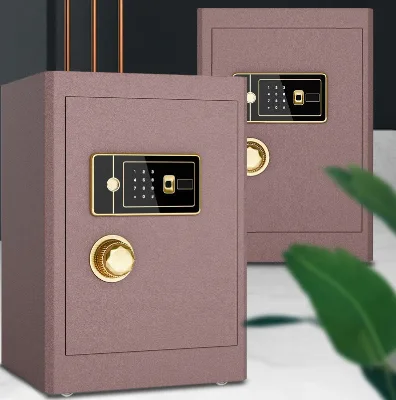
Hot Sale Electronic Metal Anti Fire Security Fireproof Deposit Safes Box
$103.30 - $415.50
MOQ: 10 Minimum


Comprehensive Sourcing Guide
UL Certified Fire-Resistant Safe Sourcing Guide
Procuring a UL Certified Fire-Resistant Safe requires a disciplined approach to verifying both fire integrity and theft resistance. Buyers must distinguish between general fireproofing and specific UL ratings, which mandate rigorous third-party testing. The core keyword highlights the necessity of certified documentation, ensuring that the product meets established safety benchmarks for protecting critical assets from thermal damage and unauthorized access.
This guide focuses on evidence-based sourcing strategies for commercial and home applications. It emphasizes the verification of material composition, locking mechanisms, and structural integrity. By aligning procurement decisions with observed listing signals and technical specifications, buyers can mitigate risk and ensure that the selected safes provide reliable protection for documents, electronics, and valuables in high-risk environments.
Product Scope and Observed Listing Signals
The observed market for these safes includes models with varying dimensions and weights, ranging from compact units to larger, heavier installations. Listings indicate a price range of 1 to 5000 USD, with minimum order quantities typically starting at one unit. This variability suggests a broad spectrum of options, from basic home safes to robust commercial-grade units, allowing buyers to select based on specific storage needs and budget constraints without being locked into bulk purchasing requirements.
Material composition is a critical signal, with many products utilizing high-strength low carbon alloy steel or solid steel plates. Surface treatments often include epoxy powder coating for anti-rust protection, while colors may follow the RAL color book for aesthetic integration. These physical attributes indicate a focus on durability and corrosion resistance, which are essential for long-term deployment in diverse environmental conditions, ensuring the safe maintains its structural integrity over time.
Technical Specifications to Verify
Buyers must verify the fire rating duration, which is a primary indicator of protection capability. Observed listings show fire resistance hours ranging from 2 to 4 hours, with some models rated for 1 hour. It is crucial to confirm that the stated fire rating corresponds to the specific UL standard tested, as performance can vary significantly based on the intensity and duration of the heat exposure. This verification ensures that the safe can withstand the thermal stress required to protect its contents during a fire event.
Locking mechanisms and security levels are equally important technical specifications. Products may feature mechanical locks, combination locks, or double bit key locks, with security levels classified as B2 or B3. The presence of multiple locking bolts, such as 2+2+3 configurations, enhances resistance to forced entry. Additionally, features like double-wall steel construction and antimagnetic properties provide layered security, protecting against both physical attacks and electronic data theft, which is vital for sensitive commercial information.
Compliance and Safety Documentation
Documentation is the cornerstone of verifying UL certification and other safety standards. Buyers should request certificates such as UL, RoHS, CE, and CCC, which indicate compliance with international safety and environmental regulations. These certifications provide assurance that the safe has undergone independent testing and meets specific performance criteria. Without these documents, claims of fire resistance or security may be unsubstantiated, leaving the buyer vulnerable to liability and inadequate protection.
It is also essential to verify the origin and manufacturing standards of the product. Many safes are manufactured in China, adhering to standards like H620W500D470mm or similar dimensional specifications. Buyers should ensure that the supplier provides clear documentation linking the product model to its certified test reports. This transparency allows for accurate risk assessment and ensures that the purchased safes align with organizational compliance requirements and insurance policies.
Cost Drivers and Commercial Terms
Several factors influence the cost of fire resistant safes, including material thickness, fire rating duration, and locking complexity. Heavier units with higher fire resistance hours and advanced locking mechanisms typically command higher prices. The observed weight range of 96kg to 140kg suggests that substantial steel usage contributes to both security and cost. Buyers should evaluate the total cost of ownership, considering durability and protection levels, rather than focusing solely on the initial purchase price.
Packing and logistics also impact commercial terms. Products are often pre-assembled or packed in standard export carton boxes, with packing volumes ranging from 0.175cbm to 0.23cbm. These dimensions affect shipping costs and storage requirements. Buyers should clarify whether the price includes freight and insurance, and confirm the port of shipment, such as Ningbo or Shanghai, to accurately calculate landed costs and lead times for their specific location.
Supplier Qualification and Quality Control
Supplier qualification involves assessing their ability to provide consistent quality and reliable documentation. Buyers should verify the supplier’s history with UL certified products and their capacity to produce units that meet specified standards. Quality control processes should include rigorous testing of fire resistance and security features. Suppliers who provide detailed test reports and maintain transparent manufacturing practices are more likely to deliver products that perform as advertised, reducing the risk of procurement failures.
Inspection protocols are critical for ensuring that delivered safes match the ordered specifications. Buyers should implement incoming quality checks to verify dimensions, weight, and locking functionality. Additionally, confirming the presence of required certifications and labels on the physical product is essential. Establishing a clear communication channel with the supplier for addressing any discrepancies ensures that issues are resolved promptly, maintaining the integrity of the procurement process and the security of the installed assets.
Long-Term Procurement Checks
Long-term procurement success depends on regular audits of supplier performance and product reliability. Buyers should monitor feedback from end-users regarding the safes’ performance in real-world scenarios, including fire incidents or attempted break-ins. This feedback loop helps identify any recurring issues or improvements needed in future orders. Maintaining a relationship with suppliers who prioritize quality and compliance ensures a steady supply of reliable security solutions.
It is also important to stay updated on changes in safety standards and regulations. As fire safety and security technologies evolve, older models may become obsolete or non-compliant. Buyers should periodically review their procurement specifications to ensure they align with current best practices and regulatory requirements. This proactive approach helps organizations maintain a robust security posture and ensures that their investments in fire resistant safes continue to provide effective protection over time.
FAQs
What certifications do these fire resistant safes have?
These safes carry UL, RoHS, CE, and CCC certifications. The products also meet ISO standards for quality management. This ensures compliance with international safety and environmental regulations for commercial and home use in various global markets.
How long is the fire resistance rating for these safes?
The fire resistance rating varies by model, offering either 1 hour or 2 hours of protection. Some specific units are rated for up to 4 hours. This duration helps protect documents and valuables during fire emergencies effectively.
Can I customize the color of the fire resistant safe?
Yes, customization is available for these safes. You can select from the RAL Color Book for options. Specific models may come in standard colors like RAL 1015. This allows you to match the safe to your interior design needs.
What is the security level and locking mechanism used?
The security level is rated B2 or B3 depending on the model. Locking mechanisms include mechanical key locks, combination locks, or double bit key locks. Some units feature anti-theft and antimagnetic functions to enhance overall security for your assets.
What are the standard dimensions and weight of these safes?
Dimensions vary, with heights ranging from 501mm to over 1000mm. Weights range from 96kg to 140kg. Standard models measure approximately H750*W510*D530mm or H620*W500*D470mm. These sizes accommodate different storage requirements for offices or homes effectively.
How are these safes packed for shipping?
Packing options include pre-assembled units with five-layer cartons or standard export carton boxes. The packing volume ranges from 0.175cbm to 0.23cbm. This secure packaging protects the metal and steel plate construction during transit from China to global destinations.