Source Hotel Guestroom Electronic Safe for Hotels, Apartments, and Offices
Source 30 Hotel Guestroom Electronic Safe models with varying dimensions and security levels. Compare features like fireproof and anti-theft functions, electronic locks, and customization options to find the right fit for your commercial or home needs.
Key considerations
Products List


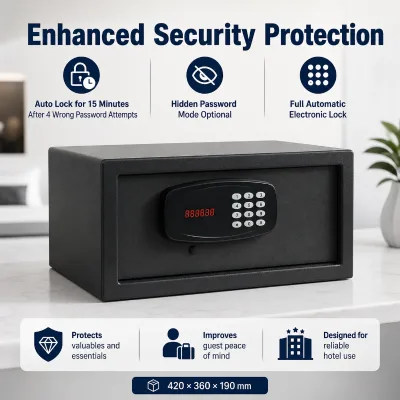
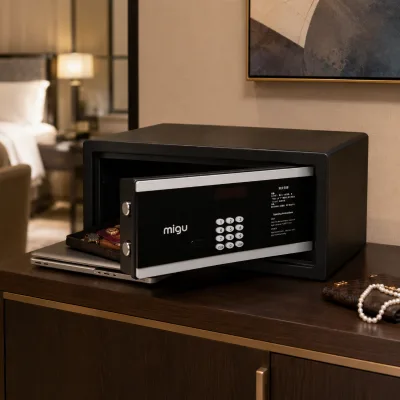
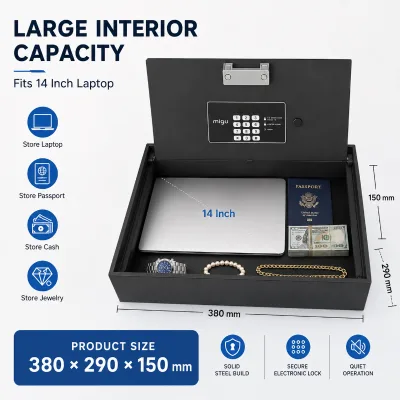
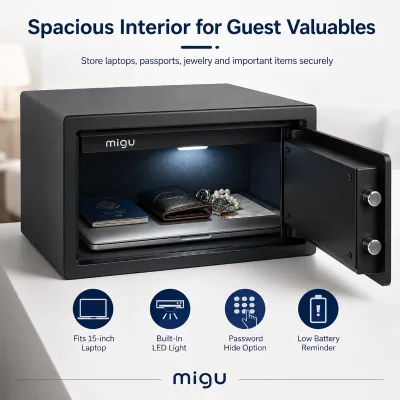
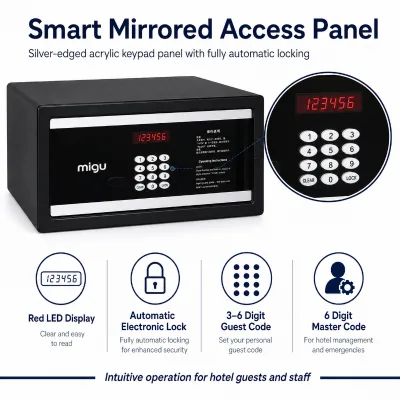
Hotel Room Safe Box Mini Metal Safe Deposit Box Electronic Digital Hotel Fireproof Safe
$28.00 - $33.00
MOQ: 50 pieces


Comprehensive Sourcing Guide
Hotel Guestroom Electronic Safe Sourcing Guide
Selecting the right Hotel Guestroom Electronic Safe requires balancing security performance, aesthetic integration, and operational reliability. Procurement teams must evaluate products based on verified technical specifications, compliance certifications, and supplier capabilities rather than marketing claims alone. This guide provides a structured approach to sourcing these critical assets, ensuring that each unit meets the specific needs of commercial hospitality environments while adhering to international safety and quality standards.
The following sections detail the essential verification steps for product scope, technical parameters, compliance documentation, cost structures, supplier qualification, and long-term maintenance. By focusing on evidence-based criteria, buyers can mitigate risks associated with security failures, regulatory non-compliance, and supply chain disruptions. The goal is to establish a procurement strategy that delivers consistent performance and durability across the entire hotel portfolio.
Product Scope and Observed Listing Signals
The market for hotel guestroom electronic safes encompasses a variety of form factors, ranging from compact digital deposit boxes to larger, freestanding units designed for high-value storage. Observed listings indicate a diverse product range, including models explicitly labeled as "Hotel Digital Safe Boxes" and "Electronic Safes," as well as specialized variants like "Anti-theft" and "Fireproof" units. Buyers should note that while some products advertise dual functions such as fireproof and antimagnetic properties, others focus primarily on anti-theft security, requiring careful alignment with the hotel’s specific risk management protocols.
Physical dimensions vary significantly across available models, influencing installation requirements and interior design integration. Widths observed in listings range from under 370mm to over 560mm, with depths typically falling between less than 273mm and up to 500mm. Heights also differ, with some units measuring between 301-500mm and others extending up to 1000mm. Procurement teams must verify these dimensions against room layouts to ensure proper fit, particularly for built-in cabinetry or wall-mounted installations, where spatial constraints are often strict.
Technical Specifications to Verify
Material composition and construction quality are fundamental to the security and longevity of electronic safes. Most observed products utilize steel plate construction with a body thickness of approximately 0.5mm, finished with powder coating for durability and aesthetic consistency. Buyers should verify the actual steel gauge and internal reinforcement structures, as surface thickness alone does not guarantee resistance to forced entry. The availability of various colors and customization options allows for better integration with room decor, but the underlying structural integrity must remain the primary focus during evaluation.
Locking mechanisms and electronic components define the user experience and operational reliability. Common features include electronic locks with password working principles, single-door configurations, and specific model identifiers such as "Sm-PS," "PS-1-1," and "2042TCP." Security levels, such as A2, provide a benchmark for resistance against tampering, though buyers should cross-reference these claims with independent testing data. Additionally, the presence of key no. diam specifications and OEM availability indicates the potential for backup access solutions and branded customization, which are critical for hotel management and emergency access procedures.
Compliance and Safety Documentation
Certification is a non-negotiable aspect of sourcing electronic safes for commercial use. Products in the observed market frequently display RoHS and CE certifications, indicating compliance with environmental standards for hazardous substances and European safety directives. Buyers must request valid, up-to-date certification documents for each model under consideration, ensuring that the certificates are issued by recognized bodies and cover the specific manufacturing facility. The absence of valid certifications poses significant legal and operational risks, particularly in markets with strict regulatory requirements.
Beyond basic certifications, safety standards related to fire resistance and structural integrity should be thoroughly investigated. While some listings mention "Fireproof" attributes, buyers should verify the specific fire rating and duration, as these claims require rigorous testing and documentation. The standard size references, such as 380300300mm or 200420370mm, should be matched against the certified specifications to ensure that the delivered product matches the tested prototype. Discrepancies between advertised dimensions and certified standards can lead to compliance failures and potential liability issues.
Cost Drivers and Commercial Terms
Pricing for hotel guestroom electronic safes varies based on material quality, electronic complexity, and order volume. Observed price ranges in the market span from $28 to $100 USD, reflecting differences in features such as fireproofing, antimagnetic shielding, and advanced electronic locking systems. Buyers should analyze the cost structure in relation to the security level and durability expectations, avoiding decisions based solely on the lowest price point. Higher initial costs may be justified by longer lifespans, reduced maintenance needs, and enhanced security performance.
Minimum Order Quantities (MOQ) and sample availability are key commercial factors influencing procurement planning. MOQs observed range from 1 to 500 units, offering flexibility for both small boutique hotels and large chain expansions. Sample availability within 7-20 days allows buyers to physically inspect build quality, electronic functionality, and finish before committing to bulk orders. Understanding these terms helps in budgeting for initial testing phases and scaling production, ensuring that cash flow is managed effectively throughout the procurement cycle.
Supplier Qualification and Quality Control
Supplier origin and manufacturing capabilities are critical indicators of product reliability. The majority of observed products originate from China, a major hub for electronic safe manufacturing. Buyers should assess the supplier’s production capacity, quality control processes, and history of fulfilling commercial contracts. OEM availability suggests that suppliers can accommodate branded requirements, but this capability must be verified through site audits or third-party inspections to ensure that quality standards are maintained during customized production runs.
Quality control measures should extend beyond final product inspection to include raw material verification and electronic component testing. Buyers should inquire about the supplier’s internal testing protocols for lock mechanisms, electronic circuits, and structural integrity. The availability of neutral packing or specific packaging solutions, such as "Electronic Safe Box" packaging, indicates attention to logistics and protection during transit. Establishing clear quality acceptance criteria in the purchase agreement helps mitigate the risk of receiving substandard units.
Long-Term Procurement Checks
Maintenance and support are essential for the long-term performance of electronic safes. Buyers should verify the availability of spare parts, such as electronic modules, keys, and batteries, to minimize downtime in case of failure. The electronic nature of these devices requires periodic maintenance to ensure reliable operation, and suppliers should provide clear guidelines for upkeep and troubleshooting. Establishing a service agreement or support channel with the supplier ensures that technical issues can be resolved promptly, preserving guest satisfaction and security.
Lifecycle management and scalability are important considerations for hotel operators planning future expansions or renovations. Buyers should assess the supplier’s ability to provide consistent product quality over time and their capacity to handle large orders without compromising lead times. The availability of customization options allows for future design updates, but buyers should ensure that new models remain compatible with existing infrastructure and management systems. Regular reviews of supplier performance and product feedback help in making informed decisions for future procurement cycles.
FAQs
What certifications do these electronic safes hold?
These electronic safes hold RoHS, ISO, and CE certifications. The product documentation confirms compliance with Ce and RoHS standards, ensuring safety and regulatory adherence for commercial and home applications.
Can I request customization for these hotel safe boxes?
Yes, customization is available for these electronic safes. Buyers can request specific modifications to meet unique requirements while maintaining the core electronic lock functionality and fireproof features.
What is the typical lead time for samples?
Samples are available within 7 to 20 days. This timeframe allows buyers to verify product quality and specifications before committing to larger orders for their hotel guestroom needs.
Which dimensions are available for these digital safe boxes?
Available dimensions vary, with widths ranging from under 370mm to over 560mm. Specific models like the 2042TCP measure 200 by 420 by 370mm, while others reach heights of 701 to 1000mm.
How is the security level defined for these safes?
The security level is defined as A2 for these electronic safes. They feature anti-theft and antimagnetic functions with an electronic password working principle to protect valuables in hotel rooms.
What material is used to construct these safe boxes?
These safe boxes are constructed from steel plate with a body thickness of 0.5mm. The surface undergoes powder coating treatment to ensure durability and resistance against various environmental conditions.
Can I find these safes with OEM services?
Yes, OEM services are available for these electronic safes. Buyers can work with manufacturers to customize branding and specifications while sourcing from factories located in China.