Source Fireproof Polyurethane Foam Decor Brick for Construction
Find and compare 30 listings for Fireproof Polyurethane Foam Decor Brick, featuring B1 flame-retardant grades and instant adhesive bonding. These PU foam sealants offer fast curing and high-density insulation for building, transportation, and industrial manufacturing applications.
Key considerations
Products List


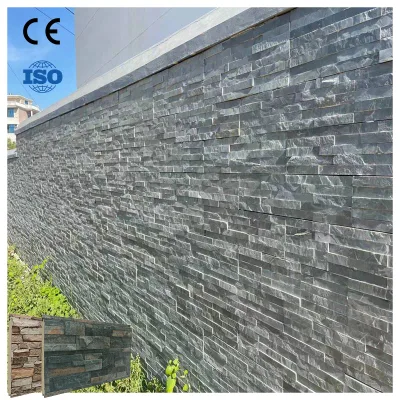

Factory Polyurethane Foam Artificial Decoration PU Stone Wall Panel PU Decorative Wall Panel
$5.00 - $8.00
MOQ: 1 Square Meters

Outdoor Waterproof Polyurethane Cultural Stone PU Artificial Wall Panel Brick
$5.00 - $8.00
MOQ: 1 Square Meters


PU Artificial Wall Brick, Polyurethane Faux Artificial Culture Stone Brick
$5.00 - $9.00
MOQ: 100 Pieces


3D Brick Grain Polyurethane Insulation/Decorative Wall Siding/Panel
$6.50 - $6.90
MOQ: 1 Square Meters


3D Brick Exterior Wall Panels/Polyurethane Foam Cladding/PU Thermal Insulation Deco Board
$6.50 - $6.90
MOQ: 1 Square Meters

3D Brick Exterior Wall Panels/Polyurethane Foam Cladding/PU Thermal Insulation Deco Board
$6.50 - $6.90
MOQ: 1 Square Meters


Comprehensive Sourcing Guide
Fireproof Polyurethane Foam Decor Brick Sourcing Guide
Sourcing fireproof polyurethane foam decor bricks requires a nuanced understanding of material science, as the term "foam" often implies lightweight, flammable insulation, whereas "decor brick" suggests structural or aesthetic cladding. In the current B2B market, this category typically encompasses high-density polyurethane sealants and foams that are engineered for both bonding and fire-resistant applications. Buyers must distinguish between pure decorative foam panels and functional polyurethane sealants that serve as adhesives or insulation within building envelopes. The supplied data indicates a strong presence of gun-type and straw-type polyurethane sealants with B1 fire ratings, which are frequently used in construction and industrial manufacturing. These products often serve as the adhesive or filling medium for installing decor bricks or as standalone insulation materials that meet specific flame-retardant criteria.
The procurement landscape for these materials is characterized by a wide variance in product forms, from fluid sealants to solid composite materials. Observed listings reveal a product count of 30 distinct items, with prices ranging from $0.90 to $30.00 USD, suggesting a market that includes both bulk industrial sealants and smaller, specialized decorative components. The minimum order quantities (MOQs) vary significantly, from as low as 1 unit to 7,200 units, indicating that suppliers cater to both small-scale prototyping and large-scale industrial projects. Buyers should note that while the core keyword emphasizes "decor brick," the actual available products often lean towards polyurethane sealants and foams used in the installation or insulation of such structures. Therefore, the sourcing strategy must focus on verifying the physical form factor and application method, ensuring that the purchased material aligns with the specific installation requirements of the decor brick project.
Product Scope and Observed Listing Signals
The observed product listings reveal a diverse range of polyurethane-based solutions, primarily focusing on sealants and foams rather than pre-formed decorative bricks. Key attributes include a B1 fire rating, which classifies the material as flame-retardant, and a hard density, suggesting high-density formulations suitable for structural integrity. The products are described as having a fluid state initially, curing to a hard finish within 24 hours, with a tack-free time of 7 to 15 minutes. This rapid curing profile is critical for procurement teams managing tight construction schedules, as it allows for quick handling and subsequent finishing steps. The materials are identified as polyurethane fireproof sealants or composite materials, with main raw materials being polyurethane, which is known for its excellent bonding strength and durability in various environmental conditions.
Packaging and form factors are significant differentiators in this category. Listings indicate standard packaging such as 900g per bottle, with cartons containing either 12 or 15 bottles, catering to different volume needs. The product types include gun-type, straw-type, and combinations thereof, which directly impacts the application equipment required on-site. Some listings also mention "Big Slab" forms and "Flat" edge processing, which may refer to larger foam panels or slabs used for insulation or backing. The customization options are available, including OEM services, allowing buyers to brand the products or specify unique formulations such as "Summer Formula" or "Winner Formula." These variations suggest that suppliers can tailor the chemical composition to specific climatic conditions or performance requirements, providing flexibility for international procurement.
Technical Specifications to Verify
When evaluating polyurethane sealants and foams for fireproof decor applications, the fire rating is a paramount technical specification. The observed B1 grade indicates a flame-retardant property, but buyers must verify the exact testing standards and certification bodies that validate this rating. It is essential to confirm whether the B1 rating applies to the cured foam, the sealant bond, or the entire assembly, as fire performance can vary significantly depending on the substrate and installation method. Additionally, the curing time and drying time are critical operational metrics. The observed data specifies a dust-free time of 7-15 minutes and a full curing time within 24 hours. Procurement teams should ensure that these timelines align with their project schedules and that the environmental conditions, such as temperature and humidity, do not adversely affect the curing process.
Bonding strength and material density are other crucial technical factors. The products are described as having high density and instant adhesive properties, which are desirable for securing decor bricks or providing robust insulation. Buyers should request technical data sheets that detail the tensile strength, shear strength, and elongation at break to assess the material's ability to withstand structural stresses and thermal expansion. The chemical composition, identified as polyurethane sealant or composite materials, should be reviewed for compatibility with the intended substrates, such as window and door frames or industrial manufacturing components. Furthermore, the open cell content, noted as high in some listings, affects the material's breathability and insulation properties, which may be relevant for building insulation applications. Verifying these specifications ensures that the selected product meets both aesthetic and functional requirements.
Compliance and Safety Documentation
Compliance with fire safety standards is non-negotiable for polyurethane products used in construction and decor. While the observed data mentions a B1 fire rate, buyers must insist on comprehensive safety documentation, including Material Safety Data Sheets (MSDS) and technical certificates from recognized testing laboratories. The presence of certifications such as ISO standards or specific fire safety tests should be verified, although the exact certification status for each product is not explicitly detailed in the observed listings. Buyers should inquire about the specific test methods used to determine the fire rating, such as EN 1366-3 or EN 60695-2-11, which are relevant standards for fire safety in construction products. Ensuring that the product complies with local building codes and fire regulations is essential to avoid legal liabilities and ensure the safety of the end-users.
In addition to fire safety, buyers should verify the environmental and health safety aspects of the polyurethane products. The materials are described as mildew-proof and having a shelf life of 12 months, which indicates stability and resistance to biological degradation. However, the chemical composition and potential off-gassing during the curing process should be assessed to ensure they meet indoor air quality standards, especially for commercial and residential applications. The origin of the products, noted as Henan in some listings, may also influence the regulatory compliance landscape, as different regions have varying environmental and safety regulations. Buyers should request documentation that confirms the absence of hazardous substances and compliance with relevant environmental directives, such as REACH or RoHS, depending on the target market.
Cost Drivers and Commercial Terms
The cost of polyurethane fireproof sealants and foams is influenced by several factors, including raw material prices, packaging, and customization requirements. The observed price range of $0.90 to $30.00 USD reflects the diversity in product types, from basic sealants to specialized, high-performance formulations. Buyers should consider the total cost of ownership, which includes not only the unit price but also shipping, handling, and potential tariffs. The MOQs, ranging from 1 to 7,200 units, offer flexibility but also impact the unit cost, with larger orders typically benefiting from economies of scale. Customization options, such as OEM branding or specific formula adjustments, may incur additional costs, which should be factored into the budgeting process.
Commercial terms and payment conditions are also critical considerations in the procurement process. Buyers should negotiate clear terms regarding delivery times, warranty periods, and return policies. The observed data indicates that products are packed in cartons, which affects logistics and storage requirements. It is advisable to establish a clear agreement on quality acceptance criteria and dispute resolution mechanisms. Additionally, buyers should be aware of the shelf life of the products, which is typically 12 months, and plan their inventory management accordingly to avoid waste. Understanding the supplier's production capacity and lead times can help in planning procurement cycles and ensuring a steady supply of materials for ongoing projects.
Supplier Qualification and Quality Control
Selecting a reliable supplier is crucial for ensuring the quality and consistency of polyurethane fireproof sealants and foams. Buyers should conduct thorough due diligence on potential suppliers, verifying their manufacturing capabilities, quality control processes, and track record. The availability of OEM services and customization options suggests that many suppliers are flexible and capable of meeting specific buyer requirements. However, buyers should request samples and conduct independent testing to verify the product's performance, including fire rating, bonding strength, and curing time. It is also important to assess the supplier's ability to provide consistent quality across batches, which is essential for large-scale projects.
Quality control measures should be integrated into the procurement process, including regular inspections and audits of the supplier's facilities. Buyers should establish clear quality specifications and acceptance criteria, and implement a robust inspection protocol for incoming goods. The observed data indicates that products are manufactured in Henan, and buyers should consider the logistical implications of sourcing from this region. Establishing a strong relationship with the supplier, including regular communication and feedback loops, can help in addressing any quality issues promptly and ensuring continuous improvement. Additionally, buyers should verify the supplier's compliance with international quality standards and their ability to provide necessary documentation and certifications.
Long-Term Procurement Checks
Long-term procurement success depends on continuous monitoring of market trends, supplier performance, and product innovation. Buyers should stay informed about advancements in polyurethane technology, such as new fire-retardant additives or improved curing formulations, which may offer better performance or cost savings. Regularly reviewing supplier performance metrics, such as delivery reliability, quality consistency, and responsiveness, is essential for maintaining a strong supply chain. Buyers should also consider diversifying their supplier base to mitigate risks associated with single-source dependencies. Engaging in strategic partnerships with suppliers can lead to collaborative innovation and better pricing terms over time.
Furthermore, buyers should periodically reassess their product specifications and requirements to ensure they align with evolving industry standards and customer expectations. The observed data indicates a range of product types and applications, from construction insulation to industrial manufacturing, suggesting that the market is dynamic and responsive to different needs. Buyers should remain flexible in their sourcing strategies, adapting to changes in material availability, regulatory requirements, and market conditions. By maintaining a proactive approach to procurement, buyers can ensure a steady supply of high-quality polyurethane fireproof sealants and foams, supporting the success of their projects and business operations.
FAQs
What is the fire rating of this polyurethane foam sealant?
The product holds a B1 fire rating, classifying it as flame retardant. This grade ensures enhanced safety for building insulation and construction applications. The material is designed to resist ignition and slow flame spread, making it suitable for projects requiring strict fire safety compliance and reliable thermal protection.
How long does the foam take to cure and become dust-free?
The foam becomes dust-free within 7 to 15 minutes after application. Full curing occurs rapidly, typically completing within 24 hours. This fast tack-free time allows for efficient workflow in construction and industrial manufacturing, enabling quick handling and subsequent processing without compromising the bond strength of the sealant.
Can I customize the packaging and specifications for bulk orders?
Yes, customization is available for both OEM and standard packaging needs. Standard options include 900g bottles packed in cartons of 12 or 15 units. Custom specifications such as 750ml bottles are also supported. This flexibility allows buyers to align packaging with their logistical requirements and branding preferences for large-scale procurement.
What are the primary applications for this high-performance PU foam?
This polyurethane foam is used for building insulation, packaging materials, and transportation. It serves as a sealant for gas piping and engineering projects. The material provides strong bonding for window and door installations, offering mildew-proof protection and high density for durable performance in both indoor and outdoor commercial environments.
What is the shelf life and storage condition for this sealant?
The product has a shelf life of 12 months when stored properly. It is supplied in a fluid state within sealed bottles to maintain stability. Buyers should ensure storage conditions prevent extreme temperature fluctuations to preserve the chemical composition and bonding strength, ensuring the foam performs optimally upon application for construction and sealing tasks.