Source Fireproof Non-Slip Rubber Flooring Tiles for Gyms Schools Clubs
Compare 30 listings of fireproof non-slip rubber flooring tiles suitable for gyms, schools, and commercial clubs. Buyers can evaluate specifications, certifications, and pricing to find the best fit for indoor sports venues and fitness centers.
Key considerations
Products List

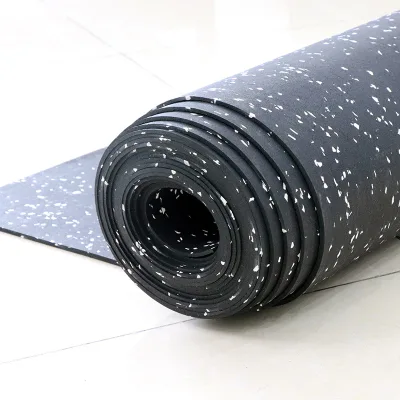
Premium Rubber Flooring Tile - Non-Slip, Eco-Friendly, and Fireproof Sheet Non Slip Rubber Flooring
$15.00 - $35.00
MOQ: 100 Square Meters

$15.00 - $35.00
MOQ: 100 Square Meters

$15.00 - $35.00
MOQ: 100 Square Meters

Non-Slip Waterproof Eco-Friendly Rubber Flooring Tile Durable Fireproof Textured Rubber Flooring
$15.00 - $35.00
MOQ: 100 Square Meters

Fireproof Non-Slip Rubber Tile - Durable Eco-Friendly Flooring for Homes Rubber Composite Flooring
$15.00 - $35.00
MOQ: 100 Square Meters

$15.00 - $35.00
MOQ: 100 Square Meters


Eco-Friendly Easy to Install Specific Rubber Tile Outdoor Floor Tiles Non-Slip
$0.60 - $0.80
MOQ: 200 Square Meters


Rubber Tiles Colorful Rubber Flooring 500mm*500mm Highly Resilient Tiles
$8.08 - $21.32
MOQ: 100 Square Meters


Comprehensive Sourcing Guide
Strategic Sourcing Guide for Fireproof Non-Slip Rubber Flooring Tiles
Understanding Product Specifications and Material Composition
When sourcing fireproof non-slip rubber flooring tiles, the primary objective is to identify products that align with specific performance requirements while adhering to strict safety standards. The market offers a diverse range of rubber flooring solutions, including interlocking tiles, rolls, and heavy-duty slabs. Buyers must first distinguish between the core material compositions, as these dictate the final product's durability and safety profile. The supplied data indicates that raw materials typically include synthetic rubber, SBR (Styrene-Butadiene Rubber), and pure gum rubber sheets, often combined with a pad or fabric medium. These materials are engineered to provide essential features such as being corrosion-resistant, wear-resistant, heat-resistant, and cold-resistant.
A critical aspect of the technical specification is the dimensional consistency and thickness variability. The observed product standards reveal that tiles are commonly manufactured in sizes of 1000mm x 1000mm (1m x 1m) or 500mm x 500mm (50cm x 50cm), with some options available in 50cm x 50cm configurations. Thickness ranges vary significantly depending on the intended application, with observed specifications spanning from 1.5mm up to 100mm. For general commercial and gym applications, thicknesses of 3mm to 12mm are frequently cited, while heavy-duty outdoor sports applications may require thicknesses between 15mm and 50mm. Buyers should verify that the specific product listing matches the required load-bearing capacity and impact resistance for their facility. The installation method is another vital technical consideration; many products feature an interlocking design that allows for installation without adhesive, facilitating easier replacement and maintenance.
Compliance Verification and Certification Standards
In the realm of commercial and public infrastructure, compliance with international safety and environmental standards is non-negotiable. The sourcing process must rigorously verify that the rubber flooring tiles possess valid certifications. Based on the available market data, high-confidence certifications include ISO, CE, and RoHS. Some listings also reference CE/SGS certificates, which are crucial for validating product safety and quality in international markets. These certifications serve as evidence that the manufacturer adheres to specific regulatory frameworks regarding chemical emissions, fire safety, and material quality.
Buyers must understand that while "Fireproof" is a frequently cited advantage in product descriptions, the specific fire rating standards (such as ASTM E84, which appears in background knowledge but lacks specific product data confirmation) require explicit verification from the supplier. The presence of certifications like CE and ISO suggests that the manufacturer has undergone third-party testing, but the buyer should request the actual test reports to confirm the specific fire resistance classification. Furthermore, the "Eco-Friendly" attribute mentioned in product advantages implies a focus on sustainable manufacturing, which often correlates with RoHS compliance, ensuring the absence of hazardous substances. It is imperative to treat the "Fireproof" claim as an observation of the product's potential rather than a guaranteed universal property of every listed item, necessitating direct confirmation of the fire rating for the specific batch being procured.
Cost Drivers and Pricing Structure Analysis
The pricing of rubber flooring tiles is influenced by a complex interplay of material costs, manufacturing complexity, and logistical factors. The observed price range in the market spans from $0.60 to $35.00 USD per unit, a wide variance that reflects differences in thickness, material quality, and customization levels. Thicker tiles, such as those ranging from 15mm to 50mm or even up to 100mm for heavy-duty applications, naturally command higher prices due to the increased volume of raw rubber material required. Similarly, the inclusion of specialized features like custom logos, specific color patterns, or unique interlocking mechanisms can drive costs toward the upper end of the spectrum.
Minimum Order Quantity (MOQ) is another significant cost driver. The data indicates an MOQ range of 100 to 1000 units, with some specific listings citing an MOQ of 100 square meters. For smaller projects, the high MOQ can inflate the effective unit cost if the buyer is forced to purchase excess inventory. Conversely, larger orders may benefit from economies of scale, potentially lowering the per-unit price. Buyers should also consider the packing specifications, which vary from carton boxes to plastic film and pallets. Efficient packing is essential for minimizing shipping costs and preventing damage during transit, particularly for heavy rubber tiles. The payment terms, which include T/T, L/C, D/P, Western Union, Cash, and PayPal, also impact the financial planning of the procurement, with different terms offering varying levels of security and cash flow flexibility.
Typical Applications and Usage Scenarios
Rubber flooring tiles are versatile and designed to meet the demands of a wide array of environments. The observed applications span from educational and residential settings to high-traffic commercial and industrial zones. Specific use cases identified include schools, homes, commercial clubs, playgrounds, and gyms. In the fitness sector, these tiles are particularly valued for their shock absorption and noise reduction capabilities, making them ideal for fitness centers, sports venues, and kindergarten facilities. The "Heavy Duty Recycled Outdoor Sports Rubber Tile" designation highlights their suitability for outdoor environments where weather resistance and durability are paramount.
The functional attributes of the tiles, such as being waterproof, insulating, and impact-resistant, make them suitable for industrial applications as well, including industrial rubber slabs and floor coverings. The non-slip nature of the product is critical for safety in areas prone to moisture or heavy foot traffic. Whether for a commercial club or a residential gym, the flooring must provide a safe surface that minimizes the risk of slips and falls. The ability to customize the product, including logo placement and specific dimensions, allows these tiles to be tailored to the branding and aesthetic requirements of various facilities. Buyers should match the specific thickness and material composition to the expected wear and tear of the intended location to ensure long-term performance.
Supplier Evaluation and Operational Capabilities
Selecting the right supplier is as critical as selecting the right product. The sourcing guide emphasizes the importance of evaluating suppliers based on their operational capabilities, including production standards, customization options, and after-sales support. The data indicates that customization is available, with suppliers offering OEM services and customized logos. This flexibility is essential for businesses looking to brand their facilities or meet specific design requirements. Suppliers should also demonstrate the ability to provide samples freely, allowing buyers to physically inspect the product quality before committing to a large order.
Geographical origin is another factor in supplier evaluation. The primary production locations identified are in China, specifically in regions like Hebei, with a loading port in Qingdao. While this information provides a baseline for logistics planning, buyers should verify the specific factory location and capacity to ensure it aligns with their timeline. The availability of after-sales services, such as online technical support and onsite installation assistance, is a strong indicator of a reliable supplier. These services can be invaluable in resolving installation issues or addressing product performance concerns post-delivery. Buyers should also assess the supplier's response time and their ability to handle the specific delivery requirements, such as the observed lead time of two weeks, to ensure project timelines are met.
Quality Control and Long-Term Procurement Considerations
Maintaining high quality standards throughout the procurement lifecycle is essential for the longevity of the flooring installation. Quality control measures should begin with the verification of raw materials, ensuring that the synthetic rubber, SBR, or pure gum rubber used meets the specified standards for durability and safety. The "Insulating Rubber Slab" performance attribute suggests that electrical safety may be a consideration in certain industrial settings, requiring rigorous testing of the insulating properties. Buyers should insist on quality assurance documentation that confirms the product's resistance to corrosion, heat, and cold, as these factors can degrade the flooring over time if not properly managed.
Long-term procurement considerations involve planning for maintenance and replacement. The interlocking installation method without adhesive offers a distinct advantage in this regard, as damaged tiles can be easily replaced without affecting the surrounding floor. However, buyers must ensure that the supplier can provide consistent replacement units that match the original batch in terms of color and texture. The "Standard or Customized" production standard indicates that while off-the-shelf options are available, custom orders may require longer lead times. Buyers should factor this into their inventory planning. Additionally, the warranty and return policies, though not explicitly detailed in the data, should be a key point of negotiation. A reliable supplier will stand behind their product's performance, offering support for any defects or premature wear that may occur under normal usage conditions. By focusing on these long-term factors, buyers can ensure a sustainable and cost-effective flooring solution.
FAQs
What certifications do fireproof non-slip rubber flooring tiles have?
These tiles typically hold ISO, CE, RoHS, and SGS certifications. Buyers should verify specific test reports to confirm fire ratings, as the fireproof claim requires direct supplier confirmation for each batch.
How thick are the available fireproof non-slip rubber flooring tiles?
Thickness ranges from 1.5mm up to 100mm depending on the application. General gym tiles often measure 3mm to 12mm, while heavy-duty outdoor sports tiles can reach 15mm to 50mm or more.
Can I customize the logo and size of these rubber flooring tiles?
Yes, customization is available for logos, sizes, and dimensions. Suppliers offer OEM services with options for standard or customized sizes like 1m x 1m or 50cm x 50cm configurations.
What is the minimum order quantity for fireproof non-slip rubber flooring tiles?
The minimum order quantity ranges from 100 to 1000 units or 100 square meters. Buyers should check specific listings as MOQs vary based on the product type and customization requirements.
Where are fireproof non-slip rubber flooring tiles manufactured and shipped from?
Products originate from China, specifically regions like Hebei, with loading ports in Qingdao. Suppliers provide after-sales support including onsite installation and online technical assistance for these shipments.
How long does it take to receive fireproof non-slip rubber flooring tiles?
The standard delivery lead time is approximately two weeks. This timeline may vary based on order volume, customization needs, and specific supplier capacity for production and logistics.