Source Five-Axis Machined Scooter Body Parts for Automation, Auto, and Hardware
Find 30 listings for Five-Axis Machined Scooter Body Parts suitable for automation equipment, automotive accessories, and hardware tools. Compare specifications including CNC machining tolerances, aluminum and steel materials, and ISO 9001 certified suppliers to identify the right components for your manufacturing needs.
Key considerations
Products List


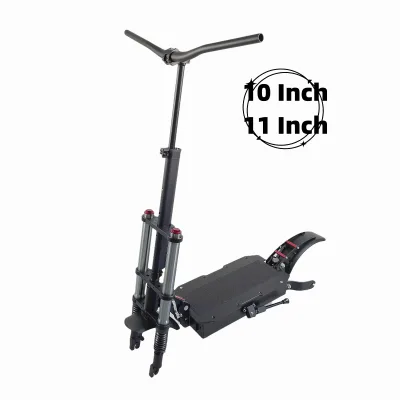
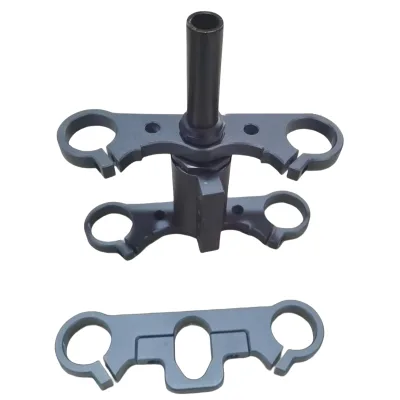
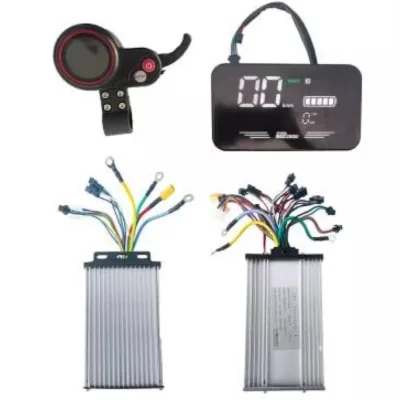

Scooter Gear with Focus on Adjustable and Customizable Fit for Various Body Dimensions
$500.00 - $530.00
MOQ: 24 Boxes


Comprehensive Sourcing Guide
Five-Axis Machined Scooter Body Parts Sourcing Guide
Sourcing five-axis machined scooter body parts requires a nuanced understanding of precision manufacturing capabilities and material science. These components are critical for high-performance stunt scooters and specialized automotive accessories, where structural integrity and aesthetic finish are paramount. Buyers must recognize that five-axis CNC machining allows for complex geometries that three-axis machines cannot achieve, enabling the creation of intricate cooling channels, curved surfaces, and multi-angle mounting points in a single setup. This capability reduces assembly errors and improves the overall fitment of the scooter’s bodywork.
The procurement landscape for these parts is diverse, with suppliers offering various materials such as aluminum, steel, and alloys to meet different performance needs. Aluminum is frequently preferred for its lightweight properties and corrosion resistance, while steel or alloy variants may be selected for high-stress applications. Buyers should evaluate the specific mechanical requirements of their scooter design, considering factors like weight reduction versus durability. Understanding the trade-offs between material costs and performance benefits is essential for making informed sourcing decisions that align with the final product’s market positioning.
Product Scope and Observed Listing Signals
The market for five-axis machined scooter body parts exhibits a wide range of pricing and minimum order quantities, reflecting the variability in complexity and volume. Observed listing signals indicate prices ranging from low-cost entry-level components to high-precision, custom-engineered parts costing significantly more. Minimum order quantities (MOQs) also vary, starting from single units for prototyping and custom orders up to larger batches for mass production. This flexibility allows buyers to scale their procurement strategy based on project phase, whether they are developing a new model or replenishing inventory for established lines.
Product attributes such as customization availability and surface treatment options are key differentiators in this category. Many suppliers offer anodizing or polishing services to enhance the visual appeal and durability of aluminum parts, which is crucial for consumer-facing scooter bodies. Additionally, the scope of application often extends beyond scooters to include automation equipment and automotive accessories, indicating a versatile manufacturing base. Buyers should verify the specific model numbers and standard codes, such as JIS or GB, to ensure compatibility with existing designs and regulatory requirements in their target markets.
Technical Specifications to Verify
Technical verification begins with confirming the machining tolerance and surface roughness requirements, which directly impact the fit and function of the scooter body parts. High-precision components often require tolerances as tight as +/-0.005mm or +/-0.01mm, depending on the criticality of the assembly interface. Buyers must specify these tolerances clearly in their purchase orders to avoid fitment issues during assembly. Additionally, surface roughness values, such as Ra 3.0, should be defined to ensure the parts meet aesthetic and functional standards, particularly for visible body panels that require a smooth, uniform finish.
Material selection and processing methods are equally critical technical considerations. The choice between aluminum, steel, brass, or plastic depends on the desired weight, strength, and cost profile of the final scooter. Suppliers may employ various machining methods, including CNC milling, turning, grinding, and EDM wire cutting, to achieve the desired geometry. Buyers should verify the specific machining processes used for each component to ensure they align with the design intent. Furthermore, confirming the production type, whether single production for custom orders or mass production for standard parts, helps in planning lead times and inventory management effectively.
Compliance and Safety Documentation
Compliance with international quality management standards is a foundational requirement for sourcing reliable scooter body parts. Many suppliers operate under ISO 9001:2000 or ISO 9001:2015 certifications, which indicate a structured approach to quality control and continuous improvement. Buyers should request valid certification documents to verify the supplier’s adherence to these standards. Additionally, environmental and safety certifications such as RoHS, CE, and GS may be required, particularly for markets with strict regulatory frameworks. These certifications ensure that the materials and manufacturing processes do not pose health or environmental risks, protecting both the buyer and the end consumer.
Documentation regarding the origin and standard codes of the parts is also essential for regulatory compliance and supply chain transparency. Parts originating from regions like Guangdong or Qingdao in China may be subject to specific export regulations and quality expectations. Buyers should verify that the parts comply with relevant standard codes, such as JIS, ANSI, or DIN, depending on the target market. Clear documentation of the product origin and standard compliance helps in navigating customs clearance and ensures that the parts meet the legal requirements for sale and use in the destination country.
Cost Drivers and Commercial Terms
Several factors influence the total cost of five-axis machined scooter body parts, including material costs, machining complexity, and surface treatment requirements. Aluminum and steel materials have different price points, and the choice of alloy can significantly impact the final cost. Complex geometries that require five-axis machining typically incur higher labor and machine time costs compared to simpler parts. Additionally, surface treatments like anodizing or polishing add to the overall expense but are often necessary for aesthetic and protective purposes. Buyers should request detailed cost breakdowns to understand the contribution of each factor to the final price.
Commercial terms such as delivery time, packaging, and after-sales service also play a crucial role in the procurement decision. Lead times for these parts can range from 7 to 15 days, depending on the order volume and complexity. Packaging options vary from individual tissue paper wrapping to crate packing for bulk shipments, affecting logistics costs and product protection. After-sales service commitments, such as a one-year warranty or specific support periods, provide additional value and risk mitigation. Buyers should negotiate these terms carefully to ensure they align with their operational needs and budget constraints.
Supplier Qualification and Quality Control
Supplier qualification involves assessing their manufacturing capabilities, quality control systems, and production capacity. Buyers should verify that suppliers have robust QC systems in place, such as 100% inspection before shipment, to ensure consistent quality. The ability to perform precise machining with tight tolerances is a key indicator of technical competence. Additionally, suppliers with experience in producing parts for automation equipment or automotive industries may offer higher reliability due to their exposure to stringent quality standards. Buyers should request samples and conduct thorough evaluations before committing to large orders.
Production type and customization capabilities are also important factors in supplier selection. Suppliers offering both single production and mass production options provide flexibility for different project stages. Customization availability allows buyers to tailor parts to specific design requirements, which is essential for unique scooter models. Buyers should evaluate the supplier’s ability to handle customized orders efficiently without compromising quality or lead times. Establishing a clear communication channel for technical queries and design changes ensures a smoother procurement process and reduces the risk of misunderstandings or errors.
Long-Term Procurement Checks
Long-term procurement success depends on establishing strong relationships with suppliers and implementing continuous improvement processes. Regular audits of supplier quality systems and production facilities help maintain high standards and identify areas for improvement. Buyers should monitor supplier performance metrics, such as on-time delivery rates and defect percentages, to ensure consistent reliability. Building a diversified supplier base can mitigate risks associated with supply chain disruptions and provide leverage in negotiations. Long-term partnerships often lead to better pricing, priority production slots, and collaborative innovation opportunities.
Adapting to market changes and technological advancements is crucial for staying competitive in the scooter parts industry. Buyers should stay informed about new materials, machining techniques, and regulatory requirements that may impact their sourcing strategy. Regularly reviewing and updating technical specifications and compliance requirements ensures that the procured parts remain relevant and compliant. Engaging with suppliers on future product development can lead to cost-saving innovations and improved performance. By maintaining a proactive approach to procurement, buyers can secure a stable supply of high-quality five-axis machined scooter body parts that meet evolving market demands.
FAQs
Can I get custom Five-Axis Machined Scooter Body Parts?
Yes, customization is available for these parts. The products support CNC machining methods and can be tailored to specific needs. They are suitable for automation equipment and the automobile industry, ensuring flexibility for various hardware tool applications.
What materials are used for these machined parts?
These parts are manufactured using aluminum, steel, copper, alloy, brass, plastic, nylon, and iron. The specific material selection depends on the application requirements, such as auto and motorcycle accessories or metal processing machinery parts, ensuring durability and performance.
How precise are the tolerances for these components?
The tolerances for these components are typically +/-0.005mm or +/-0.01mm depending on the specific model. This high precision is achieved through advanced CNC milling, turning, and grinding processes, ensuring strict quality control before shipment.
What certifications do the manufacturers hold?
Manufacturers hold ISO9001:2000, ISO9001:2015, CE, RoHS, and GS certifications. These standards ensure that the production processes meet international quality and safety requirements for hardware tools and machinery accessories used in various industrial applications.
What is the typical delivery time for orders?
The typical delivery time ranges from 7 to 15 days after order confirmation. This lead time applies to single production or mass production types, depending on the order volume and specific customization requirements for the scooter body parts.
How are the parts packaged for shipment?
Parts are packaged in crates, one piece in tissue paper, or one piece in a PE bag. Some shipments use Europe standard packing or container bulk cargo, ensuring the safety of the machined components during transit to international destinations.
Which surface treatments are available for these parts?
Available surface treatments include anodizing and polishing to enhance durability and appearance. These processes are applied to aluminum, steel, and alloy parts, ensuring they meet the specific aesthetic and functional requirements for automotive and motorcycle accessories.