Source Motorcycle Fuel Pump Assembly for Scooters, Bikes, ATVs
Find and compare 30 Motorcycle Fuel Pump Assembly options from verified Chinese suppliers. Evaluate specifications like water-cooled engines, four-stroke designs, and OE part numbers such as CRP3201 to select the right components for your sourcing needs; compare the available evidence and request quotations based on your requirements.
Key considerations
Products List


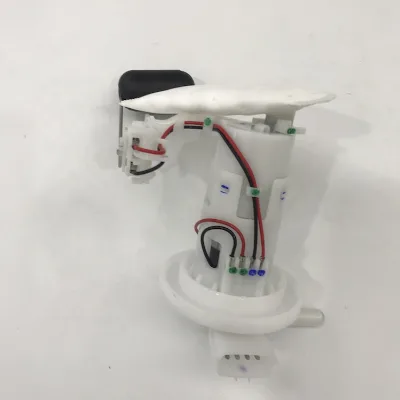
Factory Customization Motorcycle Parts Fuel Transfer Pump in Tank Fuel Pump Sh125I
$15.00 - $15.80
MOQ: 10 Pieces


$23.00 - $38.00
MOQ: 10 Pieces


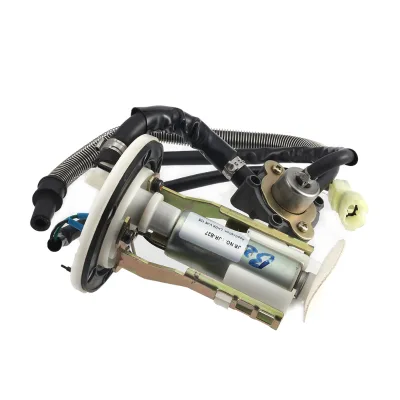
Motorcycle Fuel Pump Assembly Bomba Combustivel Combustible Fazer 250 Gasolina
$1.00 - $22.00
MOQ: 100 Pieces


Motorcycle Parts High Quality Motorcycle Fuel Burner Motor Petrol Pump for Gfm
$3.94 - $4.41
MOQ: 100 Pieces



Comprehensive Sourcing Guide
Motorcycle Fuel Pump Assembly Sourcing Guide
Sourcing motorcycle fuel pump assemblies requires a disciplined approach to aligning technical specifications with commercial realities. Buyers must navigate a market where components vary significantly in design, material composition, and intended engine compatibility. The core challenge lies in distinguishing between generic aftermarket parts and precision-engineered units that meet original equipment manufacturer standards. This guide provides a structured framework for evaluating suppliers, verifying technical data, and ensuring long-term supply chain stability. By focusing on observable listing signals and rigorous verification steps, procurement teams can mitigate risks associated with component failure, supply delays, and non-compliant products.
The following sections detail the critical aspects of sourcing these assemblies, from initial product scope analysis to long-term quality monitoring. Each section is designed to help buyers make informed decisions based on factual evidence and industry best practices. The goal is to provide a comprehensive understanding of the procurement landscape, enabling buyers to select suppliers who offer reliable, high-quality fuel pump assemblies that meet their specific operational needs. This approach ensures that sourcing decisions are grounded in data and aligned with strategic business objectives.
Product Scope and Observed Listing Signals
The observed market for motorcycle fuel pump assemblies reveals a diverse range of product types, including brushless motors, fuel systems, and specific fuel pump units. Listings indicate a wide price range, typically from $0.50 to $62.00 USD, reflecting variations in complexity, brand, and performance capabilities. Minimum order quantities (MOQs) also vary significantly, ranging from single units for sampling to bulk orders of up to 500 pieces. This variability suggests that buyers can tailor their procurement strategies to match their immediate needs, whether for prototyping, small-batch production, or large-scale distribution. Understanding these signals helps in identifying suppliers who can accommodate different order sizes and budget constraints.
Product attributes observed in listings include customization availability, various packing methods such as PVC bags, carton boxes, and neutral packaging, and specific model numbers like 16700-YAMAHA and CRP3201. Some products are associated with specific car makes, such as Nissan, indicating potential cross-application or mislabeling that requires careful verification. Certifications like ISO9001 and IATF 16949 are frequently mentioned, suggesting a focus on quality management systems. However, buyers should verify these claims directly with suppliers, as listing assertions do not guarantee current compliance. The presence of original samples and high-performance claims further highlights the need for rigorous testing and validation before committing to large orders.
Technical Specifications to Verify
Verifying technical specifications is paramount when sourcing fuel pump assemblies, as compatibility with specific motorcycle models is critical. Buyers should confirm key attributes such as the number of cylinders, stroke type, and cooling method, which are often listed as one-cylinder, four-stroke, and water-cooled, respectively. Fuel type is another crucial specification, with gasoline being the most common, but diesel or alternative fuels may be relevant for specific applications. Model numbers and part numbers, such as 16700-K35-V01 and CRP3002, serve as primary identifiers, but buyers must cross-reference these with official manufacturer catalogs to ensure accuracy. Misalignment in part numbers can lead to installation failures and operational issues.
Energy transformation and automation levels are also important technical considerations. Products described as power machines with full automaticity suggest advanced manufacturing processes, which can impact reliability and performance. Buyers should request detailed technical datasheets that outline flow rates, pressure ratings, and electrical requirements. Additionally, verifying the material composition, such as environmental-friendly plastics or specific metal alloys, is essential for durability and resistance to fuel degradation. Customization options should be explored if standard parts do not meet specific performance or fitment requirements. Engaging with suppliers to clarify these technical details ensures that the selected components will perform as expected in the intended application.
Compliance and Safety Documentation
Compliance with international standards is a non-negotiable aspect of sourcing fuel pump assemblies, particularly for markets with strict regulatory requirements. Certifications such as ISO9001 and IATF 16949 indicate adherence to quality management systems, but buyers must verify the validity and scope of these certifications. The IATF 16949 standard, in particular, is crucial for automotive components, ensuring that suppliers follow rigorous quality control processes. Buyers should request copies of current certificates and check their expiration dates. Additionally, compliance with environmental regulations, such as restrictions on hazardous substances, should be confirmed, especially if the products are marketed as environmentally friendly.
Safety documentation, including test reports and performance data, is essential for assessing the reliability of fuel pump assemblies. Buyers should inquire about specific tests conducted, such as pressure testing, leak detection, and durability assessments. While specific test results may not be publicly listed, suppliers should be willing to provide summaries or third-party verification. Furthermore, understanding the main market destinations, such as Europe or Southeast Asia, can provide insights into the regulatory frameworks the supplier is familiar with. Ensuring that products meet the safety and environmental standards of the target market is critical to avoid legal issues and ensure product acceptance.
Cost Drivers and Commercial Terms
Cost drivers for motorcycle fuel pump assemblies include material costs, manufacturing complexity, and certification expenses. The observed price range of $0.50 to $62.00 USD reflects these variations, with higher prices typically associated with advanced features, stricter quality controls, and branded components. Minimum order quantities (MOQs) also influence pricing, with larger orders often benefiting from economies of scale. Buyers should negotiate terms that align with their volume requirements, considering the trade-off between unit cost and inventory holding costs. Additionally, customization options may incur additional fees, which should be factored into the total cost of ownership.
Commercial terms, including payment methods, shipping arrangements, and lead times, are critical components of the procurement process. Buyers should clarify these terms early in the negotiation to avoid misunderstandings. Packaging options, such as color boxes, neutral packing, or standard cartons, can impact shipping costs and product protection. Suppliers with a foundation date and employee count, such as those established in 2001 with 400 employees, may offer more stable supply chains but could have higher overhead costs. Understanding the supplier's operational scale and automation level can provide insights into their capacity and reliability. Buyers should seek transparent pricing structures and clear terms to ensure a smooth procurement experience.
Supplier Qualification and Quality Control
Supplier qualification is a critical step in ensuring the reliability and consistency of fuel pump assemblies. Buyers should assess suppliers based on their enterprise qualifications, such as being an OE supplier or holding IATF 16949 certification. The supplier's foundation date and employee count can provide insights into their experience and operational capacity. Suppliers with a long history and a substantial workforce are often more stable and capable of handling large orders. Additionally, verifying the supplier's automation level, such as full automaticity, can indicate a commitment to precision and efficiency in manufacturing. Buyers should conduct site visits or request virtual tours to assess the supplier's facilities and quality control processes.
Quality control measures, including in-process inspections and final product testing, are essential for maintaining product consistency. Buyers should inquire about the supplier's quality management system and how they handle non-conforming products. Requesting samples for testing is a prudent step to verify product quality before committing to large orders. Suppliers who offer original samples or can provide test samples demonstrate confidence in their products. Additionally, understanding the supplier's approach to continuous improvement and customer feedback can provide insights into their long-term commitment to quality. Establishing a strong relationship with a qualified supplier ensures a reliable supply of high-quality fuel pump assemblies.
Long-Term Procurement Checks
Long-term procurement checks are essential for maintaining supply chain stability and product quality over time. Buyers should establish regular performance reviews with their suppliers, assessing factors such as delivery reliability, product quality, and responsiveness to issues. Tracking key performance indicators (KPIs) such as defect rates, on-time delivery percentages, and customer satisfaction scores can provide objective measures of supplier performance. Regular audits, whether on-site or remote, can help identify potential issues before they escalate. Buyers should also monitor market trends and technological advancements to ensure that their suppliers remain competitive and innovative.
Continuous improvement initiatives, such as joint development projects or feedback loops, can strengthen the buyer-supplier relationship and drive product enhancements. Buyers should encourage suppliers to share insights on new materials, manufacturing techniques, or regulatory changes that may impact product performance. Additionally, maintaining a diversified supplier base can mitigate risks associated with single-source dependencies. Regularly reviewing and updating procurement strategies ensures that buyers remain agile and responsive to changing market conditions. By focusing on long-term partnerships and continuous improvement, buyers can secure a reliable supply of high-quality fuel pump assemblies that meet their evolving needs.
FAQs
What certifications do motorcycle fuel pump assemblies have?
Many motorcycle fuel pump assemblies hold ISO9001 and ISOTS16949 certifications. These standards ensure quality management and automotive industry compliance. Some products also meet ISO 9001:2000 requirements. Buyers should verify specific certificates for each supplier to confirm adherence to these critical safety and quality benchmarks.
Can I get custom packaging for fuel pump orders?
Customization is available for packaging options like PVC bags, standard cartons, or neutral packing. Some suppliers offer color boxes or blank packing depending on the order. Buyers can request specific packaging types to match their branding needs while ensuring the product remains protected during international shipping and logistics.
Which specifications are available for motorcycle fuel pumps?
Available specifications include models like 16700-YAMAHA, 16700-K01, and CRP3201. These units often feature gasoline fuel types and electric start systems. Some models are designed for specific car makes like Nissan. Buyers should check the exact part number to ensure compatibility with their specific engine requirements.
How is the main market distribution for these products?
The main markets include Europe and Southeast Asia for these motorcycle components. Suppliers often target these regions due to high demand for two-wheeler parts. Buyers sourcing from China can access products tailored to meet the specific regulatory and performance standards required in these key international markets.
What is the typical MOQ for fuel pump assemblies?
The minimum order quantity ranges from 1 to 500 units depending on the supplier. Some vendors offer low MOQs for testing samples while others require larger volumes for bulk pricing. Buyers should confirm the specific MOQ with the manufacturer to align with their inventory planning and budget constraints effectively.
Can suppliers provide samples for testing before bulk orders?
Yes, original samples can be provided for testing purposes by many manufacturers. This allows buyers to verify quality and performance before committing to large orders. Suppliers often support this process to build trust and ensure the product meets the specific technical requirements of the buyer's application.