Source Fixed Fabric Theater Seat for Auditorium, Church, Hall
Compare 30 Fixed Fabric Theater Seat options designed for auditoriums, churches, and conference halls. Buyers can evaluate specifications, customization, and pricing to find the ideal seating solution for their venue.
Key considerations
Products List


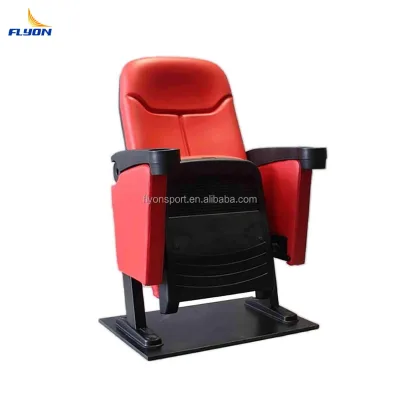


Durable High Quality Used Cinema Chair Movie Theater Seat for Stadium Use
$25.00 - $30.00
MOQ: 50 seat


School Theatre Seats with Modern Design Durable Fabric for Educational Use
$34.00 - $36.00
MOQ: 50 Pieces


$2.50 - $2.70
MOQ: 1000 Pieces


Comprehensive Sourcing Guide
Strategic Sourcing Guide for Fixed Fabric Theater Seats
Procuring fixed fabric theater seats requires a disciplined approach that balances aesthetic requirements with rigorous structural integrity and long-term durability. In the commercial furniture sector, these units are not merely seating solutions but critical infrastructure for venues such as auditoriums, churches, and conference halls. The market offers a diverse array of options, ranging from high-density foam configurations to specialized school furniture, yet the core keyword "Fixed Fabric Theater Seat" demands a specific focus on stability, material composition, and application suitability. This guide outlines the essential factors buyers must evaluate to ensure a procurement strategy that aligns with operational needs and budgetary constraints.
Technical Specifications and Structural Design
The foundation of a successful theater seat procurement lies in understanding the precise technical specifications that define the product. For fixed seating, the distinction between "fixed" and "reclining" or "movable" is paramount. The supply data indicates that the Rotary attribute for these units is consistently Fixed, meaning the seat does not pivot or rotate, ensuring stability in high-traffic environments. This structural rigidity is complemented by the Station Foot, which appears in variations such as Handrails Foot Landing or simple Foot Landing. The presence of handrails is a critical safety feature, particularly for venues with tiered seating or specific accessibility requirements.
Dimensions vary significantly across models, and buyers must verify these against their venue's spatial constraints. Observed standard dimensions in the market include 580x900x1010mm and 5607001030mm, with other configurations reaching 8005801100mm. These measurements dictate the aisle width, row spacing, and overall seating capacity of the installation. The WordPad Structure, a key component for writing or placing documents, is available in both Concealed and Mounted configurations. Buyers should select Concealed structures for a streamlined, modern aesthetic often preferred in auditoriums, while Mounted options may suit functional environments like meeting rooms or schools where immediate access to writing surfaces is necessary.
The Seat & Back Sponge composition is another vital technical detail. High-performance units utilize High Density PU foam, specifically Molded by Cold Foaming. This manufacturing process ensures the foam retains its shape under constant compression, a common occurrence in theater settings. The Cushion Recovery system often integrates a Spring+Damping mechanism, which enhances comfort and extends the lifespan of the upholstery by absorbing kinetic energy during use. Furthermore, the Material is predominantly Fabric, offering a wide range of aesthetic choices, with some suppliers offering More Than 20 Colors for Choosing or Optional color selections to match venue branding.
Compliance, Certification, and Safety Standards
In the B2B procurement of commercial furniture, compliance with international standards is non-negotiable. The supply chain for fixed theater seats often includes products certified under ISO9001 and ISO14001. The ISO9001 certification verifies that the manufacturer maintains a quality management system capable of consistently providing products that meet customer and regulatory requirements. The ISO14001 certification indicates a commitment to environmental management, ensuring that production processes minimize ecological impact. While some listings may reference only one of these certifications, a comprehensive procurement strategy should prioritize suppliers who hold both, as this suggests a holistic approach to quality and sustainability.
Buyers must also verify the prod_standard and prod_model identifiers to ensure traceability. Specific models such as SJ6605, SJ8622, SJ8625, SJ5604, and SJ5503 represent distinct design iterations. It is crucial to confirm that the specific model selected meets the fire safety and structural load standards required by the local jurisdiction of the installation site. While the provided data confirms the Condition as New and the General Use as Commercial Furniture, buyers should not assume compliance with specific fire codes (such as NFPA or EN standards) without explicit verification from the supplier. The Brand names observed, such as Oshujian and Borito, indicate that OEM/ODM services are Acceptable, allowing buyers to request custom branding or specific compliance modifications.
Cost Drivers and Pricing Dynamics
Understanding the cost structure of fixed fabric theater seats is essential for budget planning. The observed listed price range in the market spans from 2.5 to 200 USD, a wide variance that reflects differences in material quality, complexity of design, and order volume. The lower end of this spectrum may correspond to basic school furniture or simpler configurations, while the higher end likely encompasses premium auditorium chairs with advanced damping systems, custom upholstery, and specialized handrail integrations.
The MOQ (Minimum Order Quantity) is a significant cost driver, with observed ranges between 5 and 1000 units. Small orders may incur higher per-unit costs due to setup and logistics overheads, whereas bulk orders can leverage economies of scale. The prod_packing method, typically Carton, also influences shipping costs and potential damage risks during transit. Buyers should factor in the After-Sales Service duration, with some suppliers offering 5 Years of coverage, which can reduce the total cost of ownership by mitigating long-term maintenance expenses. Additionally, the Customization availability allows for tailored solutions but may introduce variable costs depending on the complexity of the request, such as specific fabric colors or unique dimensions.
Typical Applications and Usage Scenarios
Fixed fabric theater seats are designed for high-usage environments where durability and audience comfort are paramount. The Usage attributes clearly identify primary applications including Meeting Room, Church, Auditorium, and Hall. These venues require seating that can withstand thousands of daily cycles while maintaining a professional appearance. The Application list further expands to include Theatre, Conference Hall, and Sports Venues, indicating the versatility of these units across different sectors.
For educational institutions, the Specific Use as School Chair and the Type as School Furniture highlight a specialized segment. These units often feature Mounted wordpads and robust foot structures to accommodate student needs. In contrast, Church and Auditorium applications often prioritize the Concealed wordpad structure and With Armrest configurations to create a more formal and elegant atmosphere. The Hotel and Other categories suggest that these seats can also be adapted for hospitality lobbies or event spaces. The Color options, including Red and various other shades, allow for customization to match the interior design of the specific venue, ensuring that the seating enhances rather than detracts from the overall aesthetic.
Supplier Evaluation and Verification
When evaluating potential suppliers for fixed fabric theater seats, buyers must look beyond the basic product listing. The presence of OEM/ODM capabilities is a strong indicator of a supplier's flexibility and manufacturing maturity. A supplier that accepts customization can adapt the Standard dimensions, Material types, and Certificate requirements to fit specific project needs. However, buyers should verify the Brand authenticity and the legitimacy of the ISO certifications provided.
The prod_origin is listed as China, which is a major hub for commercial furniture manufacturing. While this offers competitive pricing, buyers must conduct due diligence regarding the supplier's production capacity and quality control processes. The Mail Packing attribute, noted as N (No) in some contexts, suggests that standard packaging may not include specialized mail-order features, which is typical for large commercial shipments. Buyers should request detailed product samples to verify the High Density PU foam quality and the Spring+Damping mechanism's performance. Additionally, confirming the After-Sales Service terms, such as the 5 Years warranty, is critical for long-term risk management.
Quality Control and Long-Term Procurement Considerations
Ensuring the quality of fixed fabric theater seats requires a proactive approach to quality control. Buyers should inspect the Cushion Recovery system to ensure it provides adequate support and does not degrade quickly. The Seat & Back Sponge must be uniformly Molded by Cold Foaming to prevent uneven wear. The Station Foot and Handrails should be checked for structural stability, ensuring they can support the weight of users without wobbling or loosening over time.
Long-term procurement considerations involve the lifecycle of the product. The 5 Years after-sales service is a significant advantage, but buyers should clarify the scope of this coverage. Does it include replacement of worn fabric, repair of the damping mechanism, or structural fixes? The Customization options allow for future-proofing, but buyers must ensure that replacement parts are compatible with the original design. The Fabric Color selection should also consider fade resistance and cleanability, especially for high-traffic venues like Conference Halls or Theatres.
Comparative Analysis of Product Attributes
To assist in decision-making, the following table summarizes key attributes observed in the market for fixed fabric theater seats:
| Attribute | Observed Options | Strategic Implication |
|---|---|---|
| Rotary | Fixed | Ensures stability; ideal for tiered seating. |
| WordPad Structure | Concealed / Mounted | Concealed for aesthetics; Mounted for functionality. |
| Seat & Back Sponge | High Density PU (Cold Foamed) | Superior comfort and longevity compared to standard foam. |
| Cushion Recovery | Spring + Damping | Enhances comfort and reduces fatigue. |
| Certification | ISO9001 / ISO14001 | Indicates quality and environmental compliance. |
| Material | Fabric / Wood / Sponge | Fabric offers color variety; Wood adds structural support. |
| Application | Auditorium, Church, School, Hotel | Versatile for various commercial and institutional uses. |
| After-Sales Service | 5 Years | Reduces long-term maintenance costs. |
Conclusion
Sourcing fixed fabric theater seats is a complex process that requires careful attention to technical specifications, compliance standards, and long-term value. By focusing on the Fixed rotary mechanism, High Density PU foam construction, and ISO certifications, buyers can identify products that meet the rigorous demands of modern venues. The wide range of Applications, from Churches to Sports Venues, underscores the versatility of these units, while the Customization options allow for tailored solutions. Ultimately, a successful procurement strategy relies on thorough supplier evaluation, rigorous quality control, and a clear understanding of the total cost of ownership, ensuring that the selected seating enhances the user experience for years to come.
FAQs
What certifications do fixed fabric theater seats typically have?
Most units carry ISO9001 and ISO14001 certifications to ensure quality and environmental compliance. Some listings may show only one of these, but buyers should prioritize suppliers holding both for holistic assurance.
Can I customize the fabric color for these theater seats?
Yes, customization is available with options for more than 20 colors or specific selections. Buyers can choose from various shades to match venue branding while maintaining the high-density foam structure.
What is the typical price range for fixed fabric theater seats?
The listed price range spans from 2.5 to 200 USD depending on model and features. Lower costs often reflect basic school furniture, while higher prices cover premium auditorium chairs with advanced damping systems.
How long is the after-sales service period for these chairs?
Suppliers often provide a five-year after-sales service period to reduce long-term maintenance costs. This coverage helps mitigate risks associated with wear and tear in high-traffic commercial environments like churches.
Which dimensions are standard for fixed fabric theater seats?
Standard dimensions include 580x900x1010mm, 560x700x1030mm, and 800x580x1100mm depending on the model. Buyers must verify these measurements against venue spatial constraints to ensure proper aisle and row spacing.
Are these seats suitable for use in schools and churches?
Yes, they are designed for applications including meeting rooms, churches, auditoriums, and schools. Specific school models may feature mounted wordpads, while church units often prioritize concealed structures for a formal aesthetic.