Source Fixed Focus USB Camera Module for Atm, Kiosk, And Financial Devices
Find and compare 30 Fixed Focus USB Camera Module options from Shenzhen suppliers. Evaluate specifications like 1080p and 720p resolutions, USB 2.0 interfaces, and CE certifications to select the right sensor for ATM, kiosk, and financial device applications; compare the available evidence and request quotations based on your requirements.
Key considerations
Products List


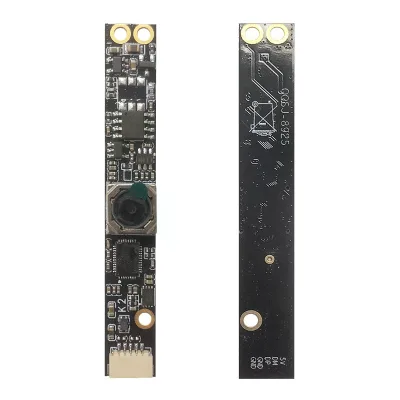
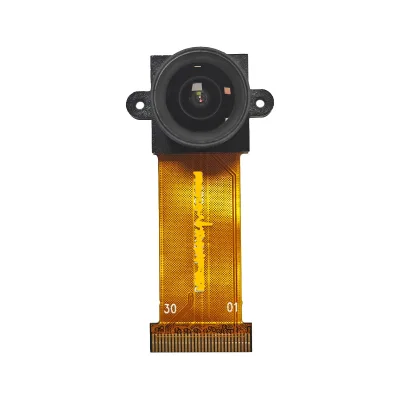
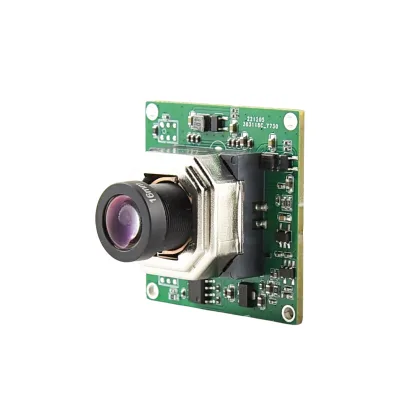
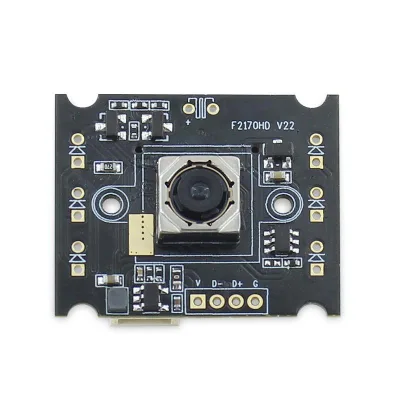
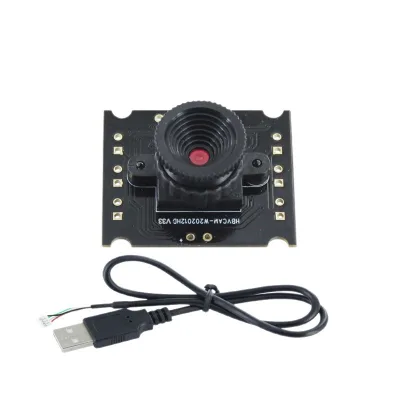
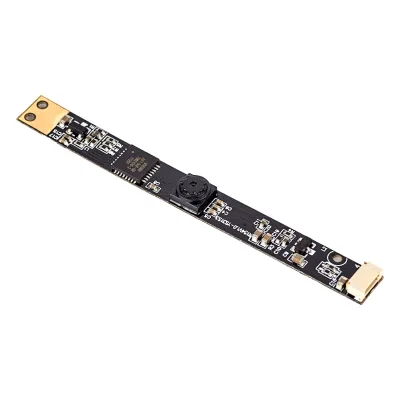


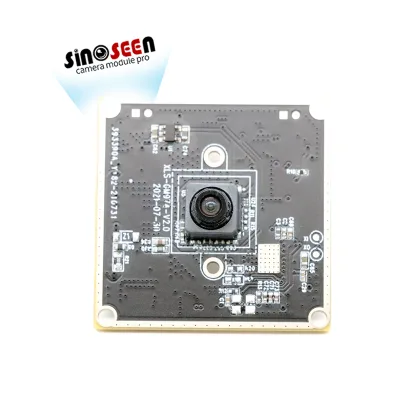
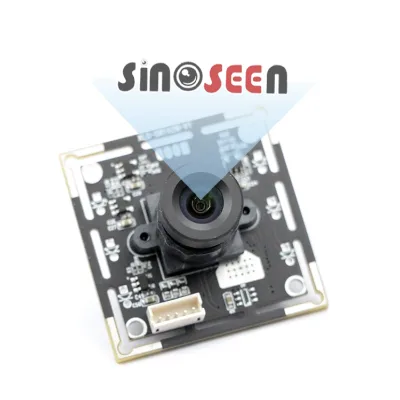


Comprehensive Sourcing Guide
Fixed Focus USB Camera Module Sourcing Guide
Procuring fixed focus USB camera modules requires a disciplined approach to technical verification and supplier qualification. Buyers must prioritize modules that align with specific application constraints, such as ATM kiosks or financial devices, where reliability is paramount. The observed market data indicates a diverse range of options, from compact 1/4-inch sensors to larger 1/2.7-inch formats, each offering distinct resolution and field-of-view characteristics. Understanding these variations is critical for selecting the right component for integration into embedded systems or industrial equipment.
This guide outlines the essential steps for sourcing these components, focusing on technical specifications, compliance documentation, and commercial terms. By adhering to the structured verification process detailed herein, procurement teams can mitigate risks associated with incompatible interfaces or non-compliant hardware. The following sections provide a comprehensive framework for evaluating suppliers, ensuring that selected modules meet both functional requirements and regulatory standards for global deployment.
Product Scope and Observed Listing Signals
The current market for fixed focus USB camera modules presents a wide spectrum of configurations, primarily driven by sensor size and resolution capabilities. Listings indicate models such as the SX-6500G and SX-6200HA, which support resolutions up to 2592x1944 and 1920x1080 respectively. These modules typically utilize USB 2.0 interfaces and are powered via bus power, making them suitable for low-power embedded applications. The observed price range of $3.6 to $259 USD reflects significant variation in sensor quality, lens construction, and included certifications, necessitating careful evaluation of feature sets against budget constraints.
Minimum Order Quantities (MOQs) vary considerably, ranging from single units for prototyping to 200 units for bulk production runs. This flexibility allows buyers to scale their procurement strategy effectively, starting with small batches for validation before committing to larger orders. Many suppliers offer customization options, including branding and packaging, which is essential for OEMs looking to integrate these modules into their final products. Understanding these listing signals helps buyers identify suppliers who can accommodate their specific volume and customization needs without compromising on quality or delivery timelines.
Technical Specifications to Verify
When evaluating fixed focus USB camera modules, verifying the sensor type and resolution is the primary technical step. Common configurations include 1/4-inch and 1/2.7-inch CMOS sensors, with resolutions ranging from 1280x720 to 2592x1944 pixels. Buyers should confirm the module’s field of view, which can vary significantly, such as the 73° FOV observed in certain models, to ensure it meets the application’s visual coverage requirements. Additionally, the shutter mode, typically electronic rolling shutter, and frame rate, often capped at 30fps, must align with the motion capture needs of the end product.
Interface compatibility and power requirements are equally critical for successful integration. Most modules support USB 2.0 and are UVC-compliant, ensuring plug-and-play functionality with Windows and Android operating systems. Buyers must verify the output formats, such as YUV, MJPG, or Mjpeg, to ensure compatibility with their software stack. The physical dimensions of the module, ranging from compact 32x32mm formats to larger 60x8.5x6.7mm units, also impact the mechanical design of the host device. Confirming these specifications prevents integration errors and ensures seamless operation in the final assembly.
Compliance and Safety Documentation
Regulatory compliance is a non-negotiable aspect of sourcing electronic components, particularly for global distribution. Buyers must verify that suppliers provide valid certifications such as CE, FCC, and RoHS, which are commonly listed for these modules. These certifications ensure that the products meet safety, electromagnetic compatibility, and hazardous substance restrictions required in major markets like Europe and North America. Without proper documentation, products risk being rejected at customs or facing legal penalties, making it essential to request and validate these certificates before placing orders.
ISO9001 certification is another key indicator of a supplier’s commitment to quality management systems. While not a product-specific certification, it reflects the manufacturer’s ability to maintain consistent production standards and traceability. Buyers should also check for additional standards like UR, which may be relevant for specific regional requirements. Ensuring that all compliance documents are up-to-date and verifiable protects the buyer from liability and enhances the marketability of the final product. This due diligence is crucial for maintaining brand reputation and ensuring smooth market entry.
Cost Drivers and Commercial Terms
The cost of fixed focus USB camera modules is influenced by several factors, including sensor resolution, module size, and the level of customization required. Higher resolutions and larger sensors generally command higher prices, while basic models with standard specifications are more cost-effective. Buyers should also consider the impact of packaging options, such as neutral box packing or OEM branding, which may incur additional fees. Understanding these cost drivers allows for more accurate budgeting and helps in negotiating favorable terms with suppliers.
Commercial terms, including MOQs and lead times, play a significant role in the total cost of ownership. Suppliers with lower MOQs may charge higher unit prices, while bulk orders often benefit from volume discounts. Buyers should clarify payment terms, shipping methods, and warranty policies to avoid hidden costs. It is also important to assess the supplier’s flexibility in handling rush orders or changes in specifications, as these can impact production schedules and overall project timelines. Transparent communication regarding these terms ensures a smoother procurement process and better financial planning.
Supplier Qualification and Quality Control
Selecting a reliable supplier is critical for ensuring the long-term success of the procurement project. Buyers should prioritize suppliers based in established manufacturing hubs like Shenzhen, China, where a robust ecosystem of component suppliers and manufacturers exists. Verifying the supplier’s production capabilities, including SMT assembly techniques and quality control processes, is essential. Suppliers who offer innovative solutions and have a track record of delivering high-quality products are more likely to meet the buyer’s expectations consistently.
Quality control measures, such as incoming material inspections and final product testing, should be clearly defined in the purchase agreement. Buyers should request sample units for rigorous testing before committing to large orders. This allows for the verification of key performance indicators, such as image clarity, focus stability, and interface compatibility. Establishing a clear communication channel with the supplier for addressing any quality issues is also vital. A proactive approach to supplier qualification and quality control minimizes the risk of defects and ensures a steady supply of reliable components.
Long-Term Procurement Checks
Sustaining a successful procurement relationship requires ongoing monitoring and evaluation of supplier performance. Buyers should regularly review key performance indicators, such as delivery times, defect rates, and responsiveness to issues. Establishing a feedback loop with the supplier allows for continuous improvement and addresses any emerging challenges promptly. This proactive management helps in maintaining high standards of quality and service, which are crucial for the long-term viability of the supply chain.
Additionally, buyers should stay informed about technological advancements and market trends in the USB camera module sector. This awareness enables them to anticipate changes in product offerings and pricing, allowing for strategic adjustments in their procurement strategy. Regularly auditing supplier certifications and compliance documentation ensures that they remain up-to-date with evolving regulatory requirements. By maintaining a vigilant and adaptive approach, buyers can secure a reliable supply of fixed focus USB camera modules that meet their evolving business needs.
FAQs
What is the resolution of the SX-6500G USB camera module?
The SX-6500G USB camera module offers a resolution of 2592 by 1944 pixels. This high-definition output supports detailed imaging for financial devices like ATMs and kiosks while maintaining compatibility with standard USB 2.0 interfaces for seamless data transmission.
Can I customize the packaging for these USB camera modules?
Yes, customization is available for the packaging of these USB camera modules. Buyers can choose from options like natural packages or neutral box packing with OEM branding to meet specific branding requirements or logistical needs for their distribution channels.
Which certifications do these fixed focus USB camera modules hold?
These fixed focus USB camera modules hold CE, FCC, RoHS, and ISO9001 certifications. These standards ensure compliance with international safety and environmental regulations, making the products suitable for deployment in various global markets including financial and industrial applications.
What is the effective distance for the infrared range of this camera?
The effective distance for the infrared range of this camera is between 10 and 30 meters. This range allows for reliable operation in low-light conditions, making it suitable for security applications where clear visibility is required over moderate distances.
How is the power supplied to the USB camera module?
The power is supplied via USB bus power, eliminating the need for an external power adapter. This design simplifies installation and reduces cable clutter, ensuring the module operates reliably when connected directly to a compatible host device or computer.
What is the module size for the SX-6200HA model?
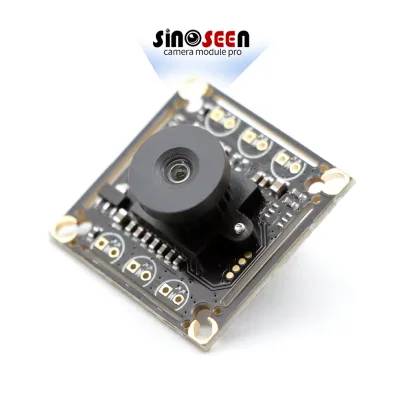
The module size for the SX-6200HA model is 32 by 32 millimeters. This compact form factor allows for easy integration into small electronic devices or tight spaces where space is a critical constraint for the overall system design.
Which operating systems are supported by this USB camera?
This USB camera supports UVC-compliant systems and offers plug-and-play functionality for Windows and Android. Users can connect the device without installing additional drivers, ensuring immediate operation across a wide range of modern computing platforms and mobile devices.