Source Fixed Low Voltage Distribution Box for Power Plants, Industrial Control, and Protection
Find 30 verified options for a Fixed Low Voltage Distribution Box designed for power plants, industrial control panels, and protection cabinets. Compare specifications including IP ratings, shell materials, and customization availability to select the right unit for your facility.
Key considerations
Products List


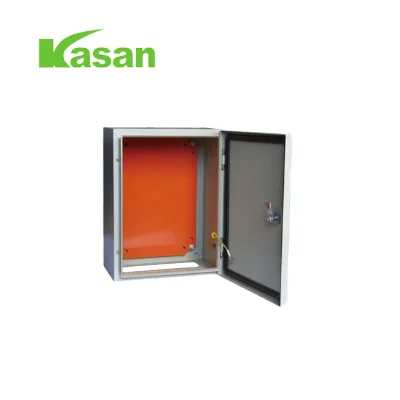
Industrial Low Voltage Distribution Box with High Reliability Circuit Breaker
$100.00 - $500.00
MOQ: 1 Pieces




Comprehensive Sourcing Guide
Strategic Sourcing Guide for Fixed Low Voltage Distribution Boxes
Understanding the Technical Landscape of Fixed Distribution Systems
When sourcing a Fixed Low Voltage Distribution Box, buyers must first distinguish between the specific architectural forms available in the market. The product landscape includes distinct configurations such as the Partly-welded Type and the All-Packaged Type, each serving different integration needs. The core attribute of these units is their "Fixed" installation method, which implies a permanent mounting solution rather than a portable or modular setup. This distinction is critical for facilities requiring stable, non-movable infrastructure for power distribution.
The physical construction of these boxes varies significantly based on the intended application. Common shell materials observed in the market include Stainless Steel and Steel Plate, with surface treatments often specified as Powder Coated to enhance corrosion resistance. The structural integrity is further defined by the thickness of the material, which typically ranges from 1.2mm to 2.5mm. Buyers should verify the specific thickness required for their load-bearing needs, as thinner gauges may suffice for light-duty indoor applications, while heavier industrial environments demand the upper end of this range.
A critical technical parameter is the protection level, often denoted by the IP (Ingress Protection) rating. While standard units may offer an IP30 or IP40 rating suitable for indoor control rooms, outdoor or harsh industrial environments require higher protection, such as IP66 or custom-made specifications. The internal structure is generally categorized as a Cabinet or Protection type, designed to house electrical components safely. The operational voltage for these specific units is classified as Low Voltage, distinguishing them from medium voltage switchgear, although some integrated systems may bridge these categories with specific insulation methods like SF6 gas insulation for higher safety margins.
Compliance Verification and Certification Standards
Navigating the compliance landscape is essential for ensuring that the purchased distribution boxes meet international and local safety regulations. The supply chain for these products, particularly those originating from China, often lists a variety of certifications. Buyers must verify the presence of specific marks such as CCC (China Compulsory Certification), VDE, and ISO9001. These certifications indicate that the manufacturing process adheres to quality management systems and specific product safety standards.
In addition to general quality certifications, specific product standards must be checked against the buyer's local regulations. While the provided data references standards like IEC 61439, it is important to note that compliance is not universal across all listed models. Buyers should explicitly request test reports or certificates of conformity that match the specific model number, such as the 091909 or GGD series, rather than assuming general compliance. The presence of certifications like CE, CQC, and Ma.CNAS suggests a broader market reach, but the buyer must confirm that the specific batch being purchased carries these valid credentials.
The standardization of dimensions is another area where compliance plays a role. While some units adhere to standard dimensions like 80015002300mm or 3759001900mm, many suppliers offer "Custom Made Size" options. In these cases, the "standard" becomes the agreed-upon specification between the buyer and the supplier. Buyers should ensure that any custom dimensions are documented clearly in the contract to avoid discrepancies during installation. Furthermore, the electrical standards, such as the rated voltage of 12 Kv for certain switchgear components or the 50Hz frequency, must align with the local grid infrastructure to prevent operational failures.
Cost Drivers and Pricing Structure Analysis
The pricing of fixed low voltage distribution boxes is influenced by a complex matrix of factors, resulting in a wide observed range from $1 to $6,000 USD. This variance is not arbitrary but is driven by the specific configuration, material quality, and level of customization required. The primary cost driver is the shell material; Stainless Steel units typically command a higher price point than those made from standard Steel Plate due to superior durability and corrosion resistance. Similarly, the thickness of the steel, ranging from 1.2mm to 2.5mm, directly impacts material costs and, consequently, the final price.
Customization is another significant factor in cost determination. While standard models with fixed dimensions like 5009001900mm may be more affordable, "Custom Made Size" units require unique tooling and production planning, which increases the unit cost. The level of protection also affects pricing; an IP66 rated box designed for harsh outdoor environments will be more expensive than an IP30 unit intended for clean indoor environments. Additionally, the inclusion of advanced features such as automatic control, protection, and monitoring systems adds to the overall cost.
The Minimum Order Quantity (MOQ) also plays a role in the effective cost per unit. The observed MOQ range of 1 to 100 units suggests that buyers can source single units for pilot projects or small installations, but bulk orders may benefit from economies of scale. Buyers should be aware that while the base price might appear low, the total cost of ownership includes shipping, packaging (often Wooden or Plywood Case), and potential import duties. The warranty period, which can extend up to 20 years for certain high-quality units, is a value indicator that should be weighed against the initial purchase price. A higher upfront cost with a longer warranty often represents a better long-term investment compared to a cheaper unit with a limited warranty.
Typical Applications and Operational Environments
Fixed low voltage distribution boxes are versatile components designed for a wide array of industrial and commercial applications. The primary application range identified includes Power Plants, where reliable and robust power distribution is critical for continuous operations. In these environments, the boxes must withstand high vibration, temperature fluctuations, and potential exposure to dust or moisture. The "Protection" structure and high IP ratings (up to IP66) make them suitable for such demanding conditions.
Beyond power plants, these units are frequently utilized in general industrial facilities for machine control and power distribution. The "Industrial Control Panel" designation indicates their use in managing electrical loads for heavy machinery. The "Three-Phase" configuration and "50Hz" frequency are standard for industrial power systems in many regions, ensuring compatibility with a vast array of industrial equipment. The ability to perform functions such as automatic control, protection, monitoring, and measurement makes these boxes integral to modern automated facilities.
For specific high-voltage integration needs, some distribution systems incorporate SF6 gas-insulated switch protection systems, suitable for applications requiring high safety standards and compact footprints. The "Earthing Protection, Opening, Closing Protection" tasks highlight their role in ensuring personnel safety and equipment integrity during fault conditions. Whether the application is a standard distribution transformer setup or a complex switchgear system, the fixed nature of the box ensures stability and safety, preventing accidental dislodging or movement that could lead to electrical hazards.
Supplier Evaluation and Quality Assurance Protocols
Evaluating a supplier for fixed low voltage distribution boxes requires a rigorous approach to verifying their capabilities and quality control measures. Buyers should prioritize suppliers who can demonstrate a clear track record in manufacturing "Steel Plate" or "Stainless Steel" enclosures with the specified thicknesses. The presence of a "Powder Coated" surface treatment is a standard indicator of good finishing practices, but buyers should request samples or photos to verify the quality of the coating and its adhesion.
Quality assurance should extend beyond the final product to the manufacturing process. Suppliers offering "Customization" services should have the engineering capacity to handle bespoke designs without compromising structural integrity. The "All-Packaged Type" and "Partly-welded Type" distinctions indicate different levels of assembly, and buyers should ensure the supplier's process aligns with their assembly and installation requirements. Verification of the "OEM" (Original Equipment Manufacturer) capability is also crucial for buyers who require branding or specific component integration.
When assessing suppliers, buyers must look for transparency in their origin and logistics. Many products originate from regions like Foshan, Guangdong, China, which is a major manufacturing hub. However, the specific location should be verified to ensure it aligns with the buyer's logistical preferences and risk tolerance. The packaging method, whether "Wooden" or "Plywood Case," is a critical quality indicator; robust packaging is essential to prevent damage during transit, especially for heavy steel units. Buyers should also inquire about the supplier's ability to provide documentation for certifications like ISO9001 and CCC, ensuring that the claims are backed by valid, current certificates.
Long-Term Procurement and Lifecycle Management
Procuring fixed low voltage distribution boxes is not merely a transactional event but a long-term investment that requires careful lifecycle management. The warranty period is a key indicator of the manufacturer's confidence in their product. While some units may come with standard warranties, the availability of a 20-year warranty for certain models suggests a high level of durability and reliability. Buyers should carefully review the terms of the warranty to understand what is covered, including potential exclusions for improper installation or environmental factors beyond the specified IP rating.
Maintenance and spare parts availability are critical considerations for long-term operation. Suppliers that offer "Custom Made Size" options may present challenges in sourcing replacement parts if the design is proprietary. Buyers should ensure that the supplier can provide a long-term supply of spare parts, such as doors, hinges, and internal mounting rails, to facilitate future repairs. The "Fixed" installation nature means that any replacement or modification will require significant effort, making the initial quality and future support capabilities paramount.
Furthermore, the adaptability of the distribution box to future needs is an important factor. As industrial processes evolve, the power requirements may change. A supplier that offers "OEM" services and "Customization" can help buyers upgrade their systems without replacing the entire enclosure. This flexibility can extend the useful life of the infrastructure. Buyers should also consider the energy efficiency and thermal management of the box, especially in environments with high ambient temperatures. The "Oil-immersed Type Transformer" cooling method mentioned in related contexts highlights the importance of thermal considerations, even if the distribution box itself is air-cooled.
Final Procurement Checklist and Decision Framework
To conclude the sourcing process, buyers should utilize a structured checklist to validate all critical parameters before finalizing a purchase. The checklist must include verification of the product model, such as 091909 or GGD, and confirmation of the specific dimensions, whether standard or custom. The material thickness, shell material type, and IP rating must match the project specifications exactly. Buyers should also confirm the certification status, ensuring that CCC, VDE, or ISO9001 certifications are valid for the specific batch of goods.
The financial terms, including the MOQ, lead time, and total cost including packaging and shipping, must be clearly defined. The warranty terms should be reviewed to ensure they align with the expected lifecycle of the project. Finally, the supplier's ability to provide technical support and after-sales service should be assessed. By adhering to this disciplined approach, buyers can secure fixed low voltage distribution boxes that meet their technical, safety, and economic requirements, ensuring a reliable and safe power distribution infrastructure for years to come.
FAQs
What certifications are available for fixed low voltage distribution boxes?
Available certifications include CCC, VDE, and ISO9001 for specific models. Some units also carry CE, CQC, and IEC marks, but buyers must verify these credentials match the specific batch and model number purchased.
Which shell materials are used for industrial control panels?
Common shell materials include Stainless Steel and Steel Plate. These materials are often powder coated for corrosion resistance, with thickness options ranging from 1.2mm to 2.5mm depending on the application requirements.
Can buyers request custom sizes for these distribution boxes?
Yes, customization is available for external sizes and protection levels. While standard dimensions exist, many suppliers offer custom-made sizes to fit specific installation needs, often requiring a longer lead time.
What is the typical warranty period for these industrial units?
Some high-quality units offer a warranty period of up to 20 years. This extended warranty indicates high durability, though buyers should review specific terms to understand coverage for installation and environmental factors.
How are these boxes typically packaged for shipping?
Products are typically packed in Wooden cases or Plywood Cases. This robust packaging is essential to prevent damage during transit, especially for heavy steel units intended for fixed installation in power plants.
What protection levels are offered for outdoor environments?
Protection levels range from IP30 for indoor use to IP66 for harsh outdoor conditions. Custom-made specifications are also available to meet specific ingress protection requirements for different industrial environments.
Where are these fixed distribution boxes manufactured?
Products originate from China, with specific manufacturing hubs located in Foshan, Guangdong. Buyers should verify the exact origin to ensure alignment with logistical preferences and import regulations.