Source Flame Resistant Fire Suit for Firefighters, Industry, and Emergencies
Source 30 Flame Resistant Fire Suit options from verified Chinese manufacturers. Compare specifications including thermal protection, material composition, and sizing for industrial, chemical, and emergency response applications to find the right gear for your team; compare the available evidence and request quotations based on your requirements.
Updated
Key considerations
Products List


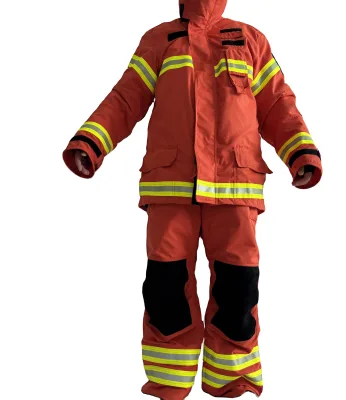


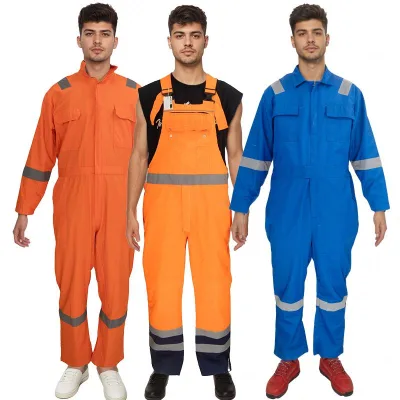
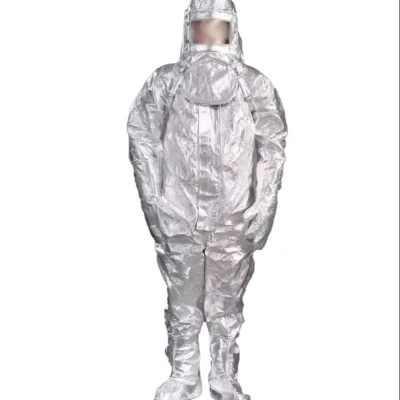
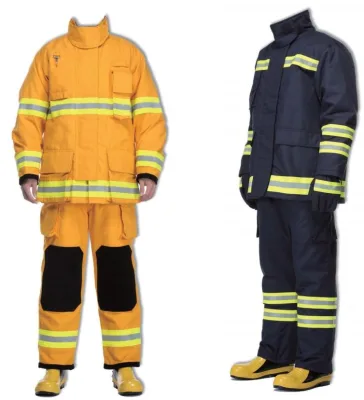
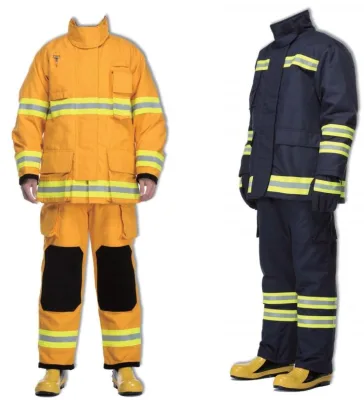
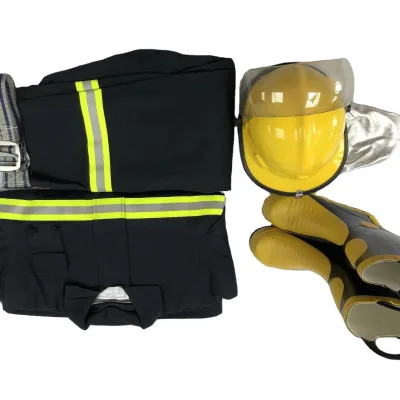


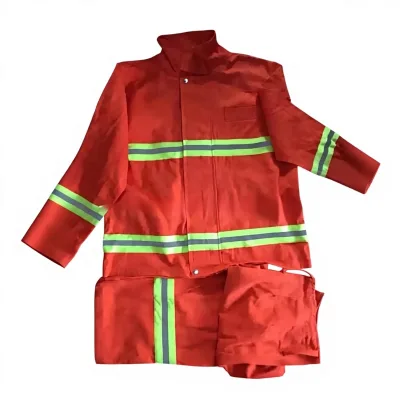
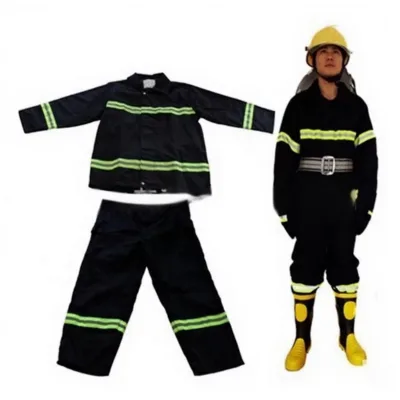
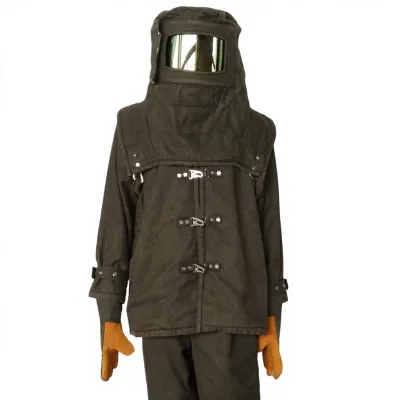
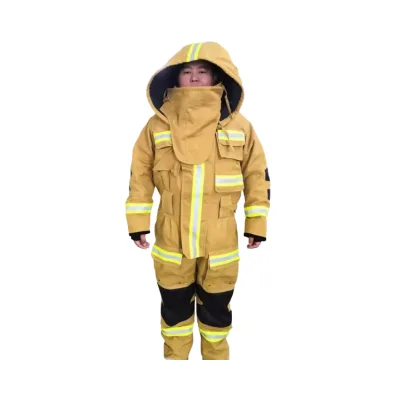
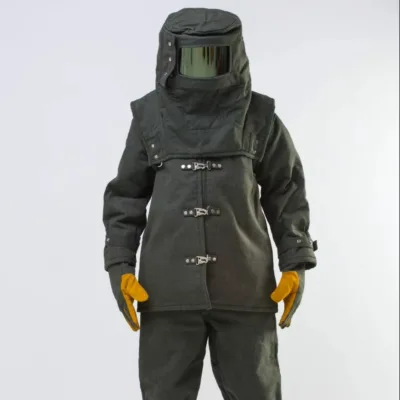


Comprehensive Sourcing Guide
Flame Resistant Fire Suit Sourcing Guide
Procuring flame resistant fire suits requires a disciplined approach to distinguishing between general protective gear and specialized equipment designed for high-heat environments. Buyers must first clarify whether the operational need involves riot control, general industrial safety, or direct firefighting scenarios, as the material composition and protective capabilities vary significantly across these categories. The market offers a wide spectrum of options, ranging from lightweight anti-riot body protectors to heavy-duty thermal insulation suits, each serving distinct risk mitigation purposes.
Understanding the specific hazard profile is the foundational step in selecting the correct product. For instance, suits intended for chemical or petroleum industries require different resistance properties compared to those used in electrical or mining sectors. This guide provides a structured framework for evaluating listings, verifying technical specifications, and ensuring that the selected Flame Resistant Fire Suit aligns with the actual safety requirements of the workforce and the regulatory environment of the operating region.
Product Scope and Observed Listing Signals
The current market landscape for flame resistant fire suits displays a diverse range of product models and material compositions, reflecting varied industrial applications. Listings indicate the presence of specialized items such as the FOX102 and FOX-riot-105, which are constructed from materials like 600d Polyester Cloth, EVA, and Nylon Aluminum Plates, primarily serving as anti-riot body protectors. These products typically feature accessories like gloves and bags, with packaging dimensions and weights that suggest a focus on portability and ease of storage for security or crowd control units rather than direct fire engagement.
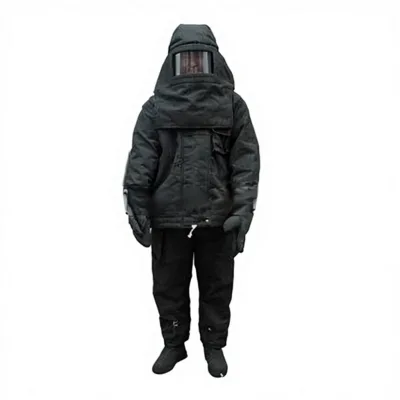
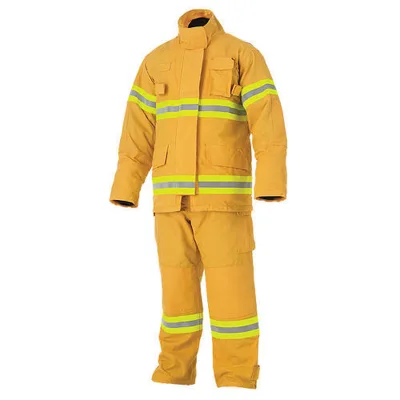
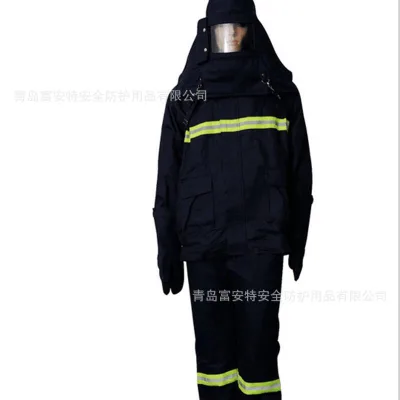
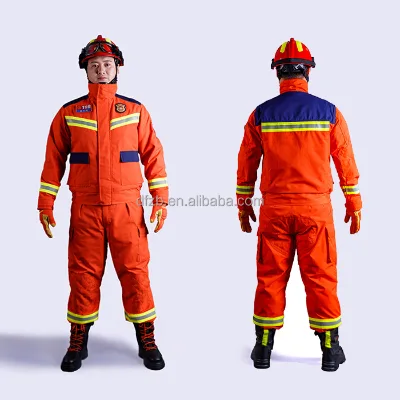
In contrast, other available listings highlight suits designed for thermal insulation and flame retardancy, utilizing fabrics such as Nomex, PBI, Aramid, and FR Cotton. These products often specify sizes ranging from L to XXXXL and emphasize features like self-extinguishing properties and high breathability. The observed price range spans from approximately $12.8 to $690, indicating a significant variance in quality, material density, and intended use case. Buyers should carefully examine the product name and function descriptions to ensure they are not confusing general protective gear with specialized firefighting equipment.
Technical Specifications to Verify
When evaluating flame resistant fire suits, verifying the material composition is critical for ensuring adequate protection against heat and flames. Buyers should look for explicit mentions of high-performance fabrics such as 100% Nomex IIIA outer shells, which offer superior flame resistance and self-extinguishing capabilities. It is essential to confirm that the suit meets specific thermal performance metrics, such as a TPP value of at least 28 Cal/Cm², which indicates the level of thermal protection provided against heat transfer. Additionally, checking for waterproof performance ratings, such as water pressure resistance of 50kPa or higher, ensures the suit remains effective in wet or humid conditions.
Beyond material and thermal metrics, physical attributes like weight and ergonomic design play a crucial role in worker comfort and mobility. Lightweight suits, typically weighing less than 4.5 kg per set, allow for greater mobility and reduced fatigue during extended operations. Buyers should also verify the breathability of the fabric, aiming for ventilation rates of at least 5000G/M²/24h to prevent heat stress. Confirming the presence of high-visibility options, such as khaki or yellow colors, enhances safety in low-light environments, while ensuring the suit fits the intended size range, from medium to extra-large, is vital for proper protection.
Compliance and Safety Documentation
Ensuring that flame resistant fire suits meet relevant safety standards is a non-negotiable aspect of the procurement process. Buyers must request documentation that verifies compliance with recognized international standards, such as ISO 11611 for protective clothing used in welding and related processes, or other applicable regional regulations. Although specific certification statuses may vary by supplier, it is imperative to obtain test reports that confirm the suit’s ability to withstand direct flame exposure with minimal damage, typically defined as flame exposure less than 10 cm.
In addition to material standards, buyers should verify that the supplier provides clear usage instructions and maintenance guidelines to preserve the suit’s protective properties over time. Documentation should include information on the suit’s durability, such as fabric maximum breakage strength exceeding 700N, and its resistance to wear and tear in industrial environments. It is also important to confirm that the suit’s self-extinguishing properties are validated, ensuring that burning stops within two seconds after flame removal. This documentation serves as a legal and safety record, protecting both the employer and the employee in the event of an incident.
Cost Drivers and Commercial Terms
The cost of flame resistant fire suits is influenced by several key factors, including material quality, manufacturing complexity, and order volume. High-performance fabrics like Nomex and PBI are significantly more expensive than standard polyester blends, leading to higher unit prices for suits offering superior thermal and chemical resistance. Buyers should also consider the inclusion of additional features, such as high-visibility colors, ergonomic designs, and accessory kits, which can increase the overall cost but enhance functionality and safety.
Commercial terms, such as minimum order quantities (MOQ) and shipping methods, also impact the total procurement cost. Observed MOQs range from 1 to 100 units, allowing for flexibility in purchasing for small teams or large-scale deployments. Shipping options typically include air or sea freight, with packaging dimensions and weights affecting logistics costs. Buyers should negotiate clear terms regarding payment, delivery lead times, and return policies to mitigate financial risks and ensure timely receipt of the protective equipment.
Supplier Qualification and Quality Control
Selecting a reliable supplier is crucial for obtaining high-quality flame resistant fire suits that meet safety standards. Buyers should prioritize suppliers with a proven track record in manufacturing protective gear, particularly those located in regions known for textile and safety equipment production, such as Zhejiang or Jiangsu in China. Verifying the supplier’s production capabilities, including their ability to customize products and maintain consistent quality across batches, is essential for long-term procurement success.
Quality control measures should be clearly defined and enforced throughout the manufacturing process. Buyers should request samples for thorough testing before placing large orders, checking for defects in stitching, material integrity, and functional features like zipper durability and pocket placement. Establishing a clear communication channel with the supplier for addressing any quality issues or discrepancies is vital. Additionally, considering the supplier’s ability to provide after-sales support and replacement parts can enhance the overall value of the procurement relationship.
Long-Term Procurement Checks
Implementing a robust long-term procurement strategy for flame resistant fire suits involves regular audits and performance evaluations. Buyers should establish a schedule for inspecting existing suits for signs of wear, tear, or degradation, ensuring that they continue to provide adequate protection. This includes checking for any damage to the outer shell, lining, or accessories, and replacing suits that no longer meet safety standards. Maintaining an inventory of suit conditions helps in planning future purchases and budgeting for replacements.
Furthermore, staying updated on changes in safety regulations and technological advancements in protective clothing is essential for maintaining compliance and effectiveness. Buyers should engage with industry experts and suppliers to learn about new materials and designs that may offer improved protection or comfort. Regularly reviewing procurement policies and supplier performance ensures that the organization remains aligned with best practices in occupational health and safety, ultimately protecting its workforce and reducing liability risks.
FAQs
What materials are used in the Flame Resistant Fire Suit?
The Flame Resistant Fire Suit is constructed from high-performance fabrics including Nomex, PBI, Aramid, and FR Cotton. Some models utilize a 600d Polyester Cloth outer shell with EVA and Nylon Aluminum Plate for enhanced protection. These materials ensure superior heat resistance and durability for industrial safety applications.
Can the Flame Resistant Fire Suit be customized for specific needs?
Yes, customization is available for the Flame Resistant Fire Suit to meet specific operational requirements. Buyers can select from various sizes ranging from 165-190cm or standard S to XXXXL options. Additionally, high visibility colors like Khaki and Yellow are offered to enhance safety in low-light environments.
What is the thermal protection level of the fire suit?
The fire suit provides superior heat protection with a TPP value of at least 28 Cal/Cm². Some advanced models achieve a TPP value of 35cal/Cm², ensuring the fabric will not damage more than 10cm during flame exposure. This level of insulation is critical for workers in high-temperature industrial settings.
How breathable is the Flame Resistant Fire Suit fabric?
The Flame Resistant Fire Suit features high breathability with ventilation rates of at least 5000G/M² per 24 hours. This design maximizes mobility and comfort for the wearer during extended use. The fabric also offers waterproof performance with a pressure resistance of 50kpa, balancing protection with wearer comfort.
What are the packaging and shipping options for the fire suit?
The fire suit is typically packed in cartons or pallets, with specific dimensions varying by model. For instance, some sets are packed in boxes measuring 59*45*35cm, while others use 64*50*25 cm cartons. Shipping is available by air or sea, making it suitable for global distribution and bulk orders.
Is the fire suit suitable for chemical and petroleum industries?
Yes, the fire suit is suitable for use in chemical, petroleum, electric power, and mining industries. It offers wearproof and anti-radiant heat properties alongside thermal insulation. The self-extinguishing fabric stops burning in less than two seconds, providing essential safety for workers in hazardous industrial environments.