Source Portable Marine EEBD for Ships, Boats, and Yachts
Compare 26 Portable Marine EEBD options featuring CE and EN137 approvals. Evaluate 2L and 3L cylinder capacities, service times of 15-20 minutes, and weights from 3.0 to 3.8 kg for reliable emergency escape breathing solutions; compare the available evidence and request quotations based on your requirements.
Updated
Key considerations
Products List


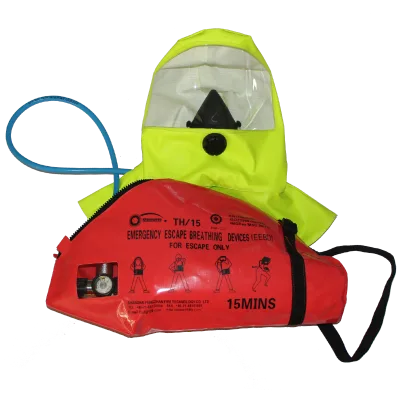
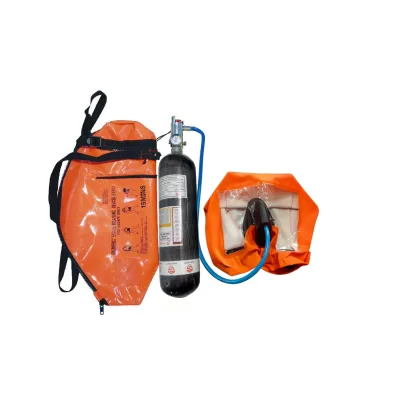
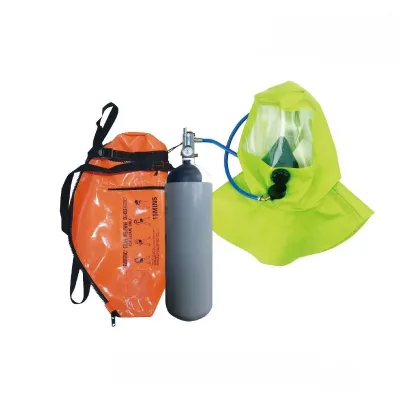
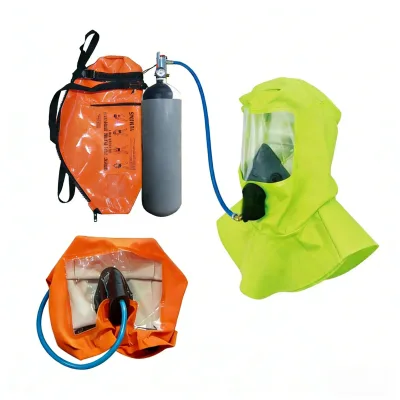
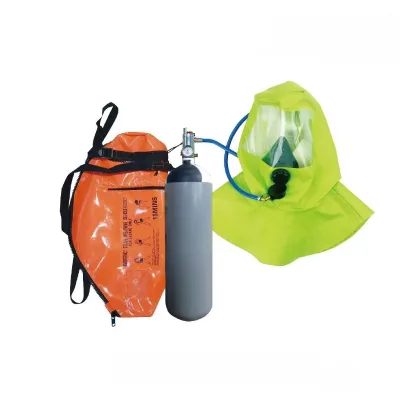
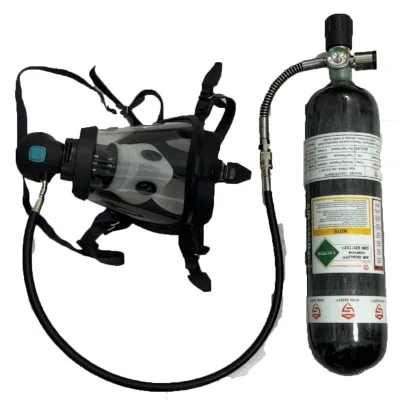
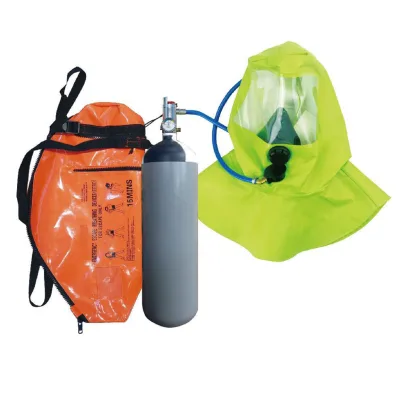
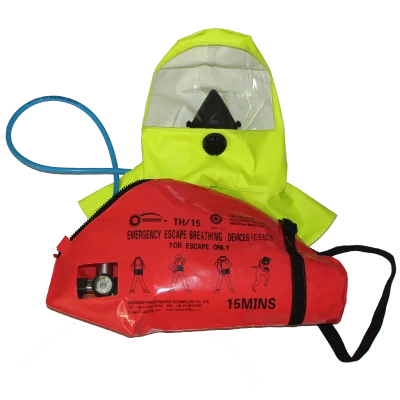
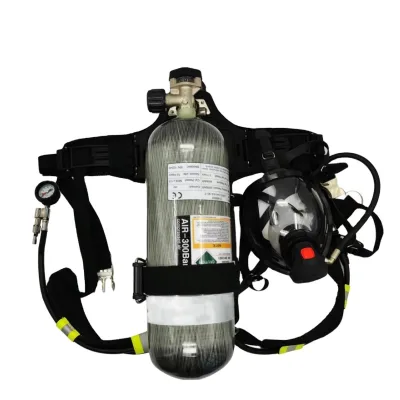
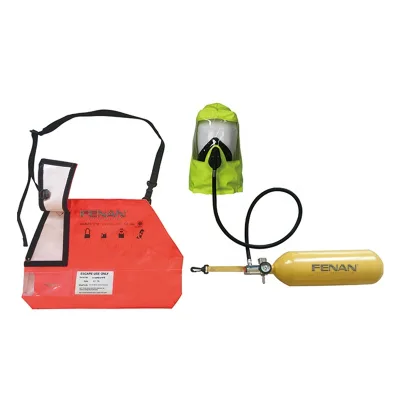
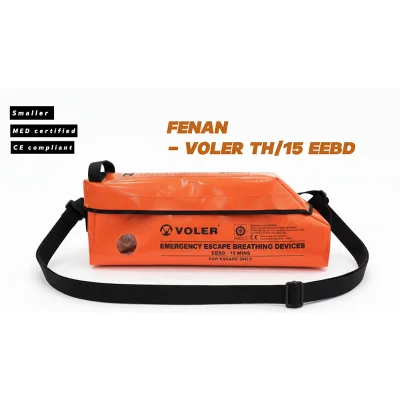
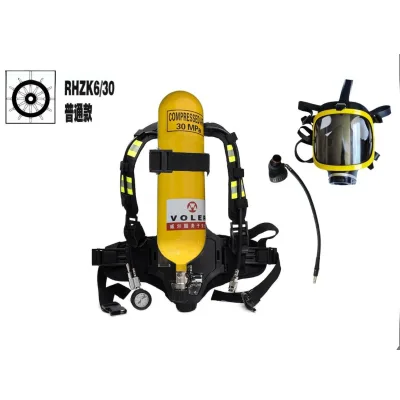
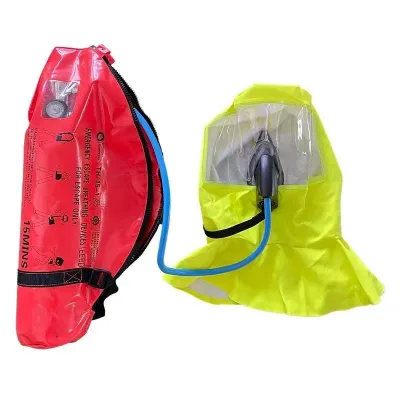

CCS and Ec Marine Lifesaving Equipment Eebd Emergency Escape Breathing Device
$90.00 - $120.00
MOQ: 1 Pieces

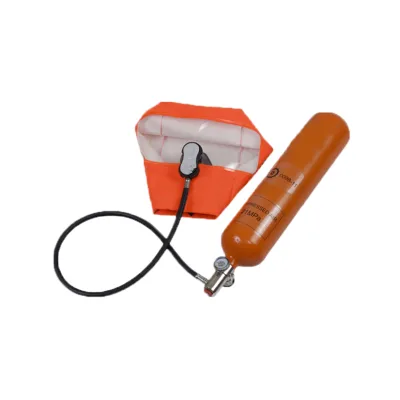


Comprehensive Sourcing Guide
Portable Marine EEBD Sourcing Guide
Procuring portable marine Emergency Escape Breathing Devices (EEBDs) requires a disciplined approach to verifying technical integrity and regulatory compliance. Buyers must navigate a market where product attributes vary significantly across suppliers, necessitating strict validation of cylinder volumes, service times, and mask types. The observed data indicates a diverse range of offerings, from 2L to 3L cylinders, with service durations spanning 15 to 20 minutes. Understanding these variations is critical for ensuring that the selected equipment meets the specific safety requirements of maritime operations, where reliable escape routes are paramount.
This guide outlines the essential verification steps for sourcing these devices, focusing on technical specifications, compliance documentation, and commercial terms. By examining observed listing signals and supplier qualifications, buyers can mitigate risks associated with non-compliant or substandard equipment. The following sections provide a structured framework for evaluating potential suppliers, ensuring that the final procurement decision is based on verified facts rather than unconfirmed claims. This methodical approach helps secure equipment that performs reliably under emergency conditions, protecting crew safety and adhering to international maritime standards.
Product Scope and Observed Listing Signals
The current market for portable marine EEBDs presents a wide array of product configurations, with observed prices ranging from $55 to $440 USD and minimum order quantities (MOQs) between 1 and 50 units. Key attributes include mask applications for both gas and security purposes, with safe-type masks being a common feature. Cylinder volumes are typically listed as 2L or 3L, directly influencing the service time, which ranges from 15 to 20 minutes. Buyers should note that weight varies accordingly, with 2L units weighing approximately 3.0 kg and 3L units around 3.8 kg, excluding packaging.
Listing signals also reveal significant variation in packaging and origin, with most products originating from China, including specific hubs like Shanghai. Packaging dimensions differ, with some units packed in cartons measuring 75x47.5x31 cm, while others have smaller single package sizes. Features such as portability, flexibility, and ease of operation are frequently highlighted, alongside customizable logo services. Buyers must carefully cross-reference these observed attributes with their specific operational needs, as not all listed products will satisfy every requirement, particularly regarding alarm pressure and maximum flow rates.
Technical Specifications to Verify
Verifying technical specifications is crucial for ensuring the EEBD performs as expected during an emergency. Key parameters to confirm include the air cylinder volume, which directly dictates service time, and the working pressure, often cited around 300 bar. Buyers should also verify the alarm pressure, which typically ranges from 4 to 6 MPa, ensuring it activates at a safe residual level. The maximum air supply flow rate is another critical metric, with some units offering ≥1000 L/Min, while others may have lower capacities. These specifications must align with the intended escape duration and the physical demands of the user.
Additional technical details include inhalation and exhalation resistance, which should be within acceptable limits to ensure comfortable breathing under stress. The inflation pressure, sometimes listed as 210 bar ±10 bar, and the duration of air release, often ≥15 minutes, are also vital checks. Buyers should confirm the equipment weight, including gas, which should generally be ≤7.5 kg for portability. Model numbers such as Kl99-Eebd or AS-EEBD02 can help identify specific configurations, but buyers must ensure these match the required performance standards for their specific marine environment.
Compliance and Safety Documentation
Compliance with international standards is non-negotiable for marine EEBDs, as these devices are critical for crew safety. Buyers must verify that products hold relevant certifications, such as CE and MED approvals, which indicate adherence to European safety and medical device regulations. Some listings also mention EN137/12245/13 standards, which are essential for respiratory protective equipment. It is imperative to request valid certification documents from suppliers to confirm that the specific model has been tested and approved by recognized bodies, ensuring it meets the rigorous demands of maritime emergency scenarios.
Beyond certifications, buyers should inquire about the testing protocols used to validate performance claims, such as service time and flow rates. Documentation should clearly state the material composition, often including rubber and PVC components, and confirm the absence of hazardous chemicals. The single gross weight and inner diameter specifications should also be documented to ensure compatibility with storage compartments on vessels. Buyers must ensure that all safety-related documentation is up-to-date and directly applicable to the purchased units, avoiding any ambiguity regarding regulatory compliance.
Cost Drivers and Commercial Terms
Cost variations in portable marine EEBDs are influenced by several factors, including cylinder volume, certification level, and customization options. The observed price range of $55 to $440 USD reflects these differences, with higher-priced units likely offering more robust certifications or additional features. Minimum order quantities (MOQs) ranging from 1 to 50 units allow for flexible purchasing, but buyers should consider bulk discounts for larger orders. It is essential to clarify whether the quoted price includes packaging, shipping, and any applicable taxes, as these can significantly impact the total cost of acquisition.
Commercial terms also include lead times and payment conditions, which should be explicitly agreed upon before placing an order. Buyers should verify the supplier’s ability to provide customized logos or branding, as this may affect production time and cost. Packaging details, such as carton dimensions and single package weights, are important for logistics planning and storage efficiency. Understanding these commercial terms helps buyers budget accurately and avoid unexpected expenses, ensuring a smooth procurement process from order placement to delivery.
Supplier Qualification and Quality Control
Supplier qualification is a critical step in ensuring the reliability of portable marine EEBDs. Buyers should assess the supplier’s manufacturing capabilities, quality control processes, and track record in the maritime industry. Verifying the supplier’s location, often in China, and their ability to provide consistent product quality is essential. Buyers should request samples for testing to confirm that the actual product matches the listed specifications, including weight, service time, and mask functionality. This hands-on verification helps identify any discrepancies between marketing claims and actual product performance.
Quality control measures should include regular inspections of raw materials, such as rubber and PVC, and final product testing. Buyers should inquire about the supplier’s defect rate and their process for handling non-conforming products. Additionally, verifying the supplier’s ability to provide after-sales support and spare parts is important for long-term maintenance. By thoroughly evaluating supplier qualifications and quality control practices, buyers can mitigate the risk of receiving substandard equipment, ensuring that the EEBDs will perform reliably in emergency situations.
Long-Term Procurement Checks
Long-term procurement checks involve establishing a framework for ongoing supplier performance evaluation and product lifecycle management. Buyers should implement regular audits of supplier quality control processes and review certification renewals to ensure continued compliance. Monitoring changes in product specifications or materials is also crucial, as any alterations could impact performance and safety. Establishing clear communication channels with suppliers for reporting issues or requesting updates helps maintain product integrity over time, ensuring that the EEBDs remain fit for purpose.
Additionally, buyers should track inventory levels and usage patterns to anticipate future procurement needs. Regularly reviewing the performance of existing EEBDs in terms of maintenance requirements and durability can inform future purchasing decisions. Staying informed about updates to international maritime standards and regulations is essential to ensure that procured equipment remains compliant. By proactively managing these long-term checks, buyers can sustain a reliable supply of high-quality portable marine EEBDs, safeguarding crew safety and operational continuity.
FAQs
What certifications do Portable Marine EEBD masks hold?
Portable Marine EEBD masks typically hold CE and Med approvals, ensuring compliance with strict safety standards. Some models also feature CE, EN137, and 12245/13 certifications. These approvals verify that the equipment meets essential health and safety requirements for emergency escape breathing devices in marine environments.
How long does the air supply last in a 3L eebd?
A 3L air cylinder provides a service time of approximately 20 minutes. This duration ensures sufficient escape time for users during emergencies. The device maintains a working pressure of 300 bar and an alarm pressure of 5.5±0.5 MPa to signal low air levels effectively before depletion.
Can I customize the logo on Portable Marine EEBD units?
Yes, logo customization is available for Portable Marine EEBD units. Buyers can request customized branding as required to meet specific corporate or organizational needs. This service allows for personalized identification while maintaining the device's core safety features and compliance with international emergency escape standards.
What is the weight of a 2L eebd cylinder?
The weight of a 2L eebd cylinder is 3.0 Kgs. This lightweight design enhances portability and ease of handling during emergency situations. The compact size and reduced weight make it ideal for quick deployment, ensuring users can access the breathing device rapidly without significant physical burden.
Where are Portable Marine EEBD devices typically manufactured?
Portable Marine EEBD devices are typically manufactured in China, with specific origins noted in Shanghai. This location supports efficient production and supply chain logistics. Buyers can source these devices from verified suppliers in this region, ensuring access to high-quality manufacturing capabilities and competitive pricing for bulk orders.
What is the maximum air supply flow rate for these masks?
The maximum air supply flow rate for these masks is at least 1000 L/Min. This high flow rate ensures adequate oxygen delivery during intense physical activity. The device also features an inhalation resistance of ≤500PA and exhalation resistance of ≤1000PA, optimizing breathing comfort and efficiency for the user.