Source Flame Retardant Rigid PVC Pellets for Cables
Find flame retardant rigid pvc pellets for cable sheathing and industrial applications. Compare 30 listings with ISO and RoHS certifications, extrusion-grade compounds, and customizable oxygen indices for engineering plastics; compare the available evidence and request quotations based on your requirements.
Key considerations
Products List




$6.50 - $21.30
Moq: 600

$6.50 - $21.30
Moq: 600


Comprehensive Sourcing Guide
Flame Retardant Rigid PVC Pellets Sourcing Guide
Procuring flame retardant rigid PVC pellets requires distinguishing between general-purpose compounds and specialized formulations designed for high-performance cable sheathing. The market offers materials ranging from transparent sheets to granular compounds, where the specific application dictates the necessary mechanical and thermal properties. Buyers must verify that the selected pellets meet the specific oxygen index requirements for their intended use, as standard rigid PVC may not suffice for fire-critical infrastructure without proper additive integration.
Sourcing decisions should prioritize suppliers who explicitly list hydrolytic degradability and high impact strength alongside their rigid formulations. While some listings describe the material as a compound or powder, the primary form for industrial extrusion is typically granules or pellets. It is essential to confirm that the supplier's specific batch aligns with the required tensile strength and brittleness temperature, ensuring the material remains durable in environments ranging from -40°C to -20°C without compromising structural integrity during installation.
Product Scope and Observed Listing Signals
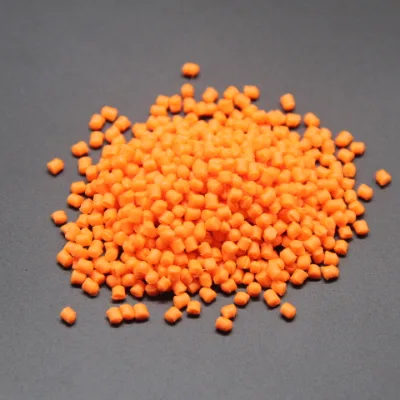
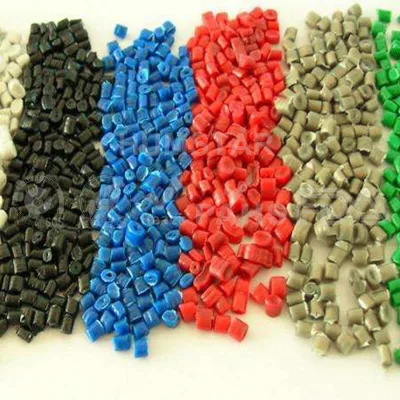
The observed product landscape includes diverse forms such as granules, compounds, and particles, often packaged in 25kg bags with inner PE film and outer kraft paper. Listings frequently indicate customization availability for color, transparency, and specific hardness levels, ranging from soft to rigid Shore A 45-100. Buyers should note that while some products are marketed as transparent sheets, the core keyword focuses on pellets suitable for extrusion processes used in cable and wire manufacturing.
Market signals reveal a wide price variance, suggesting significant differences in purity, recycling content, and additive packages. Some suppliers offer virgin and recycled options, with purity levels reaching up to 99.9% for specific grades. Procurement teams must carefully review the "Kind" attribute to ensure the material is a rigid compound rather than a flexible variant, as the mechanical properties and processing temperatures differ substantially between these two distinct product categories.
Technical Specifications to Verify
Technical verification must begin with the tensile strength, which typically falls between 41 and 50 MPa for rigid grades suitable for structural applications. Buyers should also confirm the contraction percentage, which generally ranges from 0.4% to 1.4%, as this directly impacts dimensional stability during the extrusion and cooling phases. Ensuring the water absorption rate remains within the 0.2% to 0.3% range is critical for maintaining electrical insulation properties in cable jacketing applications.
Further scrutiny is required for the oxygen index, which is often customized to meet specific fire safety standards. The brittle temperature range of -40 to -20°C indicates the material's performance in cold environments, a vital factor for outdoor cable installations. Additionally, verifying the density between 1.1 and 1.45 g/cm³ helps confirm the material composition, ensuring that the filler content and plasticizer levels align with the intended rigid application rather than a flexible one.
Compliance and Safety Documentation
Compliance documentation is a primary filter for sourcing, with ISO, REACH, and RoHS certifications appearing frequently in supplier listings. These certifications are essential for ensuring the material does not contain restricted substances, particularly for applications involving human contact or sensitive environments. Buyers must request current test reports to validate that the specific batch of pellets meets these regulatory thresholds, as certification status can vary between different production runs or product lines.
Safety data must also address the non-toxic nature of the material, with REACH compliance serving as a key indicator of chemical safety. For fire-critical applications, the presence of intumescent fire seal properties or specific flame retardant additives should be explicitly documented. Procurement teams should verify that the supplier provides clear evidence of these safety features, ensuring the final product meets the rigorous safety standards required for construction and electrical infrastructure projects.
Cost Drivers and Commercial Terms
Cost structures are heavily influenced by the raw material source, with virgin PVC commanding a premium over recycled options. The minimum order quantity (MOQ) varies significantly, ranging from single units to 1000 units, which impacts the total landed cost for small-scale projects versus large industrial contracts. Buyers should analyze the packaging specifications, such as 25kg bags or palletized bundles, as these affect shipping efficiency and storage requirements at the destination facility.
Lead times and customization fees are additional variables that can alter the final commercial terms. While some suppliers offer standard models, others may charge extra for specific color requests or tailored hardness levels. It is crucial to negotiate clear terms regarding sample acceptance and the timeline for production, as the availability of customized oxygen indices or specific particle sizes may extend the manufacturing window beyond standard delivery schedules.
Supplier Qualification and Quality Control
Supplier qualification should focus on the consistency of their production standards, with many manufacturers adhering to ISO 9001 and SGS verification protocols. Buyers must assess the supplier's ability to maintain consistent Shore hardness and density across different batches, as fluctuations can lead to processing failures during extrusion. The origin of the material, often from regions like Jiangsu or Guangdong in China, should be verified to ensure the supply chain is stable and capable of meeting volume demands.
Quality control processes must include rigorous testing of the product's appearance, whiteness, and purity. Suppliers should demonstrate a track record of maintaining high whiteness levels, such as 75 minutes at 160°C, which indicates the absence of degradation during processing. Procurement teams should request detailed quality assurance reports that cover impact strength and water absorption, ensuring the material meets the strict performance criteria required for long-term reliability in demanding applications.
Long-Term Procurement Checks
Long-term procurement strategies require regular re-verification of material performance under actual operating conditions. Buyers should establish a schedule for periodic testing of tensile strength and brittleness temperature to ensure the material continues to meet specifications over time. This proactive approach helps identify any drift in quality that might result from changes in raw material sourcing or manufacturing processes at the supplier's facility.
Sustainability and regulatory updates must also be monitored, as environmental standards evolve and may impact the availability of certain additives. Maintaining a relationship with suppliers who offer flexible customization and responsive support is vital for adapting to new fire safety codes or material requirements. Regular audits of the supplier's certification status and production capabilities will ensure a resilient supply chain capable of supporting ongoing project needs without interruption.
FAQs
What certifications are available for flame retardant rigid pvc pellets?
Certifications such as ISO, Reach, and RoHS are available for these materials. These credentials ensure compliance with international safety and environmental standards. Buyers can verify specific documentation to meet regulatory requirements for cable and wire applications. This verification supports quality assurance and facilitates smoother import processes across different global markets.
Can I request samples before placing a bulk order?
Samples are accepted for evaluation prior to committing to large purchases. This allows buyers to test material properties like tensile strength and flexibility. The standard packaging is 25kg per bag with inner PE film. Sampling helps confirm that the product meets specific engineering plastic requirements for your intended application.
What is the typical packaging format for these PVC pellets?
The standard packaging consists of 25kg bags with an inner PE film and outer kraft paper. This method protects the granules from moisture and contamination during transit. Some variants may use bundles on veneer pallets. This secure packaging ensures the material remains stable and ready for immediate processing in manufacturing environments.
Which applications are suitable for this flame retardant PVC material?
This material is primarily used for cable and wire applications, including cable jackets and outer sheaths. It serves as a general, engineering, or specialty plastic. The compound offers high impact strength and hydrolytic degradability. These properties make it ideal for durable electrical insulation and protective casing in various industrial settings.
What are the key physical properties of these rigid PVC pellets?
Key properties include a tensile strength of 41-50MPa and a water absorption rate of 0.2-0.3%. The material exhibits high impact strength and a brittle temperature between -40 to -20 degrees Celsius. These characteristics ensure durability and flexibility under varying environmental conditions, making it suitable for demanding engineering plastic applications.
Is customization available for the oxygen index of these pellets?
Yes, the oxygen index can be customized to meet specific fire safety requirements. This flexibility allows manufacturers to tailor the flame retardant performance for different cable and wire standards. Customization ensures the material aligns with precise engineering specifications. Buyers should consult suppliers to define the exact oxygen index needed for their project.