Source RoHS Blue POM Masterbatch for Injection, Extrusion, and Blow Molding
Find RoHS Blue POM Masterbatch from 30 verified listings. Compare specifications including carrier types like PP, dispersion quality, and color customization options. Evaluate pricing and MOQs for injection, extrusion, and blow molding applications to optimize production costs; compare the available evidence and request quotations based on your requirements.
Key considerations
Products List


Comprehensive Sourcing Guide
RoHS Blue POM Masterbatch Sourcing Guide
Sourcing high-quality colorants for polyoxymethylene (POM) requires careful attention to chemical compatibility and regulatory compliance. The core keyword highlights a specific niche where blue pigmentation meets strict environmental standards. Buyers must distinguish between generic masterbatches and those engineered specifically for the high crystallinity and chemical resistance of POM. This guide provides evidence-based procurement strategies to ensure material performance and supply chain reliability.
Procurement teams should focus on verifying the carrier resin and pigment dispersion before placing orders. The supplied data indicates that blue masterbatches are available with various certifications, including RoHS and ISO standards. Understanding these baseline requirements helps buyers filter suppliers effectively. This guide outlines the critical technical and commercial factors that influence the final selection of a masterbatch supplier for POM injection molding applications.
Product Scope and Observed Listing Signals
The observed market signals indicate a diverse range of masterbatch products, with prices ranging from 1 to 1190 USD and minimum order quantities (MOQs) varying from 1 to 1000 units. While the core keyword specifies blue POM masterbatch, the data shows that blue coloration is available across multiple product lines, often paired with certifications like RoHS and ISO. Buyers should note that some listings offer customization services, allowing for tailored color matching and improved quality control, which is essential for consistent production outcomes.
Application methods for these masterbatches include injection, blow molding, and extrusion processes, suggesting versatility in manufacturing workflows. The observed products feature excellent dispersion properties, which are critical for achieving uniform color distribution in POM parts. Additionally, some listings highlight benefits such as saving production costs and offering no MOQ constraints, which can be advantageous for small-batch or prototype runs. Buyers must verify that the specific blue masterbatch aligns with their POM grade and processing temperature requirements.
Technical Specifications to Verify
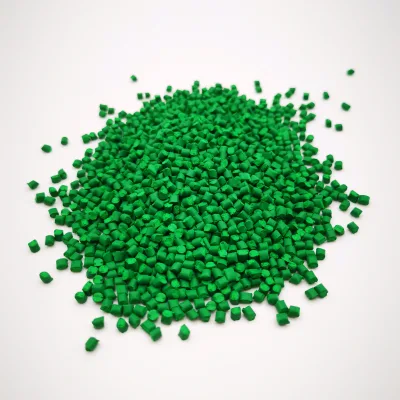
Verifying the carrier resin compatibility is the most critical technical step when sourcing blue masterbatch for POM. Although some listed products use PP carriers, POM requires specific carrier systems to ensure proper dispersion and mechanical integrity. Buyers must confirm that the masterbatch is formulated specifically for POM or compatible engineering plastics to prevent issues like poor adhesion or reduced impact strength. The observed particle size of 3mm and cylindrical granule appearance are standard physical attributes that aid in feeding consistency during extrusion or injection molding.
Pigment content and heat resistance are also vital specifications to validate. Some observed products indicate pigment contents ranging from 20% to 40%, which directly affects the concentration needed in the final part. Heat resistance ratings of at least 240°C are mentioned in related listings, which is relevant given that POM processing temperatures can be high. Buyers should request technical data sheets to confirm that the blue pigment maintains stability under processing conditions without degrading or causing discoloration in the final POM components.
Compliance and Safety Documentation
Regulatory compliance is a non-negotiable aspect of sourcing masterbatches, particularly for applications involving consumer goods or automotive parts. The observed listings frequently mention RoHS and REACH certifications, which are essential for ensuring that the blue pigment and carrier resin do not contain restricted hazardous substances. Buyers must verify that the supplier provides valid, up-to-date certification documents for each batch, as compliance status can change with formulation updates. ISO certifications further indicate a structured quality management system, which supports consistent product quality.
Safety documentation, such as Material Safety Data Sheets (MSDS), should be readily available from the supplier. These documents provide critical information on handling, storage, and emergency procedures, ensuring workplace safety during production. The observed products originate from China, including specific regions like Guangdong and Dezhou, which may have varying regulatory enforcement standards. Buyers should ensure that the supplier’s compliance documentation meets the specific import regulations of their target market, particularly regarding chemical restrictions and environmental standards.
Cost Drivers and Commercial Terms
The cost of blue POM masterbatch is influenced by several factors, including pigment concentration, carrier resin type, and certification requirements. The observed price range of 1 to 1190 USD suggests significant variation based on product specifications and order volume. Buyers should consider that higher pigment content, such as the 20-40% range observed in some listings, may offer better value per unit of color but requires precise dosing control. Factory direct supply models, as mentioned in some listings, can reduce intermediary costs, but buyers must verify the reliability of direct sourcing arrangements.
Commercial terms, including MOQ and packaging, also impact overall procurement costs. The observed MOQs range from 1kg to 1000 units, offering flexibility for different production scales. Packaging options include 25kg plastic bags, woven bags, and waterproof bags, which affect storage and handling requirements. Buyers should negotiate terms that align with their inventory management strategies, considering factors like shelf life and storage conditions. Additionally, services like color customization and improved quality support may incur additional costs but can reduce waste and rework in production.
Supplier Qualification and Quality Control
Evaluating supplier qualifications is essential to ensure consistent quality and reliable supply. Buyers should prioritize suppliers with established certifications such as ISO, RoHS, and CE, as these indicate adherence to international quality and safety standards. The observed products mention manufacturing capabilities and warranty periods of up to 3 years, which can provide assurance of product durability and supplier confidence. However, buyers must conduct independent verification of these claims through audits or third-party inspections to mitigate supply chain risks.
Quality control processes should be clearly defined and communicated by the supplier. Buyers should request information on batch-to-batch consistency, dispersion testing, and color matching procedures. The observed excellent dispersion and good dispersibility attributes suggest that some suppliers have robust quality control systems in place. Buyers should also assess the supplier’s ability to provide technical support and customization services, which can be crucial for addressing specific production challenges or unique color requirements in POM manufacturing.
Long-Term Procurement Checks
Establishing long-term procurement relationships requires ongoing monitoring of supplier performance and product quality. Buyers should implement regular audits and quality checks to ensure that the blue masterbatch continues to meet specified standards over time. The observed customization availability and service offerings suggest that suppliers may adapt to changing requirements, but buyers must verify that these adaptations do not compromise compliance or performance. Tracking key performance indicators such as delivery times, defect rates, and customer support responsiveness is essential for maintaining a reliable supply chain.
Market trends and regulatory changes can impact the availability and cost of masterbatches. Buyers should stay informed about updates to RoHS, REACH, and other relevant regulations that may affect material formulations. The observed product origins in China indicate a significant supply base, but geopolitical and logistical factors can influence lead times and costs. Buyers should diversify their supplier base where possible and maintain open communication with suppliers to anticipate and mitigate potential disruptions in the supply of blue POM masterbatch.
FAQs
What certifications do the blue POM masterbatch products hold?
The products hold ISO, RoHS, and REACH certifications. Some listings also include CE certification and MSDS documentation. These standards ensure the material meets environmental and safety requirements for injection and extrusion applications in various industries.
Can I request custom colors for the masterbatch?
Yes, customization is available for color and other specifications. Buyers can request specific shades like blue or yellow to match their production needs. This service allows for tailored solutions without requiring minimum order quantities for many suppliers.
What is the typical addition percentage for this masterbatch?
The recommended addition percentage ranges from 2% to 4% during processing. This dosage ensures excellent dispersion and effective coloring for injection molding or extrusion processes. Proper mixing is essential to achieve the desired color intensity and product quality.
Which packaging options are available for bulk orders?
Products are commonly packed in 25kg plastic bags or woven bags. Some suppliers offer waterproof bags to protect the granules during transit. The packaging standard ensures the material remains dry and ready for immediate use in manufacturing lines.
What is the minimum order quantity for purchasing?
The minimum order quantity can be as low as 1kg for some suppliers. Other listings indicate an MOQ of up to 1000 units depending on the specific model. Buyers should verify the exact requirement with the manufacturer before placing an order.
Where are these masterbatch products manufactured?
The products originate from China, with specific manufacturing hubs in Guangdong and Dezhou. These locations support the production of various grades including environmental materials. Buyers can expect competitive pricing due to the direct factory supply from these regions.
What is the heat resistance temperature of the granules?
The granules exhibit heat resistance of at least 240 degrees Celsius. This property makes them suitable for high-temperature processing applications like injection molding. The thermal stability ensures the color remains consistent during the manufacturing cycle without degradation.