Source High Temperature Resistance HDPE Granules for Industry
Find High Temperature Resistance HDPE Granules from verified Chinese suppliers. Compare 30 listings featuring HDPE and glass fiber options with CE and ISO certifications. Evaluate virgin and recycled grades for injection and extrusion applications; compare the available evidence and request quotations based on your requirements.
Key considerations
Products List


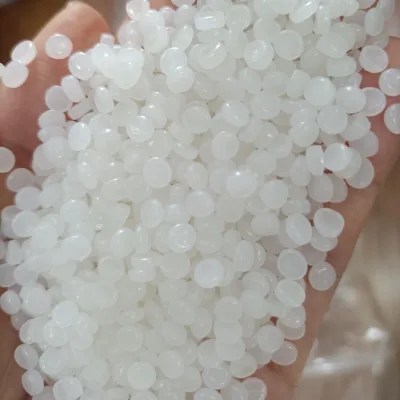


Low Price White Color Low Density Polyethylene LDPE Granules for Shrink Film
$900.00 - $1000.00
MOQ: 1 Tons


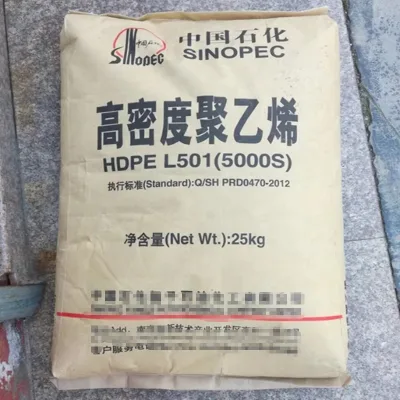


$640.00 - $720.00
MOQ: 20 Tons


Virgin HDPE (high-density polyethylene) Plastic Raw Material Granules
$1100.00 - $1200.00
MOQ: 10 Tons
Comprehensive Sourcing Guide
High Temperature Resistance HDPE Granules Sourcing Guide
Procuring high-density polyethylene (HDPE) granules with enhanced thermal stability requires a nuanced understanding of material grades and processing methods. While standard HDPE offers good chemical resistance, specific formulations are engineered to maintain structural integrity under elevated temperatures. Buyers must distinguish between virgin and recycled materials, as the latter may exhibit inconsistent thermal performance due to polymer degradation during previous processing cycles. The observed market includes options labeled as engineering plastics, which often imply superior mechanical and thermal properties compared to general-purpose grades.
Sourcing decisions should be guided by the intended application’s thermal profile and mechanical load requirements. HDPE is a thermoplastic, meaning it softens when heated, so the specific melting point and heat deflection temperature are critical verification points. Suppliers may offer various forming methods such as injection molding, extrusion, or blow molding, each requiring different granule characteristics. It is essential to confirm that the selected grade aligns with the manufacturing process, ensuring that the material flows correctly and cools uniformly without warping or losing strength at operating temperatures.
Product Scope and Observed Listing Signals
The current market landscape for HDPE granules includes a diverse range of product attributes, from basic white pellets to specialized conductive or flame-retardant variants. Listings frequently highlight customization availability, allowing buyers to tailor material properties to specific needs. The observed product range spans from general plastics to specialty engineering applications, indicating that thermal resistance is often a secondary or tertiary feature rather than the primary selling point for all listed items. Buyers should carefully review product descriptions to identify which specific grades are optimized for high-temperature environments.
Packaging and shipping details provide additional context regarding product handling and quality preservation. Common packaging formats include 25kg bags, cartons, and pallets, with some suppliers offering polywood or plastic pallets for bulk shipments. The presence of free sample policies, often with freight charges borne by the buyer, facilitates initial quality assessment. However, the variability in sample sizes, ranging from small quantities to larger test batches, necessitates a clear agreement on sample logistics before proceeding. Understanding these logistical signals helps in planning the initial procurement phase and assessing supplier responsiveness.
Technical Specifications to Verify
Verifying the technical specifications of HDPE granules is paramount for ensuring performance in high-temperature applications. Key attributes to confirm include the material grade, such as injection, extrusion, or blow molding grades, and the presence of additives like flame retardants or conductive fillers. The physical form, typically pellets or granules, should be consistent to ensure uniform feeding into processing equipment. Buyers must also verify the plastic forming method compatibility, as mismatched specifications can lead to production inefficiencies or product defects.
Thermal properties, including melting point and heat resistance, are critical but often require specific testing or supplier documentation to verify. While some listings mention "high temperature resistance," this term is not standardized and can vary significantly between manufacturers. It is advisable to request detailed technical data sheets that specify the material’s behavior under heat, including any degradation thresholds. Additionally, confirming the material’s origin, such as specific regions in China, can provide insights into the manufacturing standards and quality control practices employed by the supplier.
Compliance and Safety Documentation
Compliance with international standards is essential for ensuring the safety and legality of HDPE granules in various markets. Certifications such as CE, ISO, SGS, RoHS, and GRS are commonly cited, indicating adherence to quality and environmental management systems. Buyers should verify the validity and scope of these certifications, ensuring they cover the specific product grades being purchased. Documentation should clearly state the compliance status for each batch, providing traceability and assurance of consistent quality.
Safety data sheets (SDS) and material safety information are crucial for handling and processing HDPE granules. These documents provide essential information on storage, handling, and potential hazards, including flammability and thermal decomposition risks. Buyers must ensure that suppliers provide up-to-date SDS that align with local regulations in the destination country. Additionally, verifying the material’s recyclability and environmental impact, especially if using recycled grades, is important for meeting sustainability goals and regulatory requirements in increasingly eco-conscious markets.
Cost Drivers and Commercial Terms
The cost of HDPE granules is influenced by several factors, including raw material prices, production methods, and customization requirements. Virgin materials typically command higher prices than recycled grades due to their consistent quality and performance. Customization options, such as specific color, conductivity, or flame retardancy, can also increase costs. Buyers should request detailed quotations that break down these cost components to understand the value proposition and identify potential areas for negotiation.
Commercial terms, including minimum order quantities (MOQ), lead times, and payment terms, significantly impact the overall procurement strategy. Observed MOQs vary widely, from small trial orders to large bulk purchases, allowing flexibility for different buyer needs. Lead times, often ranging from one to two weeks, should be factored into production planning. Clear agreements on shipping marks, transport packages, and delivery schedules are essential to avoid logistical disruptions. Understanding these commercial dynamics helps in optimizing inventory levels and cash flow management.
Supplier Qualification and Quality Control
Evaluating supplier qualifications is a critical step in mitigating procurement risks. Buyers should assess the supplier’s production capacity, quality control processes, and track record in the industry. Suppliers with established quality management systems, such as ISO certification, are more likely to deliver consistent product quality. It is advisable to request references or case studies from previous clients to gauge the supplier’s reliability and customer service standards. Additionally, verifying the supplier’s ability to provide technical support and after-sales service is important for long-term partnership success.
Quality control measures, including incoming material inspection and final product testing, ensure that the HDPE granules meet specified standards. Buyers should inquire about the supplier’s testing protocols, including checks for material purity, particle size distribution, and thermal properties. Implementing a robust quality assurance plan, which may include third-party inspections or laboratory testing of received goods, provides an additional layer of protection against defects. Establishing clear communication channels for addressing quality issues promptly is essential for maintaining production continuity and product integrity.
Long-Term Procurement Checks
Establishing long-term procurement strategies requires continuous monitoring of market trends and supplier performance. Buyers should regularly review pricing fluctuations, supply chain stability, and technological advancements in HDPE production. Building strong relationships with suppliers can lead to better pricing, priority service, and access to new product developments. It is also important to stay informed about regulatory changes and sustainability initiatives that may impact material sourcing and usage.
Periodic audits and performance reviews of suppliers help ensure ongoing compliance and quality. These reviews should assess factors such as delivery reliability, product consistency, and responsiveness to issues. Implementing a supplier scorecard system can facilitate objective evaluation and drive continuous improvement. Additionally, exploring alternative suppliers and materials can provide flexibility and reduce dependency on single sources. By maintaining a proactive approach to supplier management, buyers can secure a stable and cost-effective supply of high-temperature resistant HDPE granules.
FAQs
What certifications do High Temperature Resistance HDPE Granules have?
These granules carry CE, ISO, SGS, RoHS, and GRS certifications. Suppliers often provide these documents to verify material safety and compliance with international standards for engineering and general plastic applications.
Can I get a free sample of High Temperature Resistance HDPE Granules?
Yes, free samples are available, though freight charges usually apply. Some suppliers offer specific sample quantities like 5kg free of charge, allowing buyers to test material properties before placing a larger order.
What is the minimum order quantity for High Temperature Resistance HDPE Granules?
Minimum order quantities vary by supplier, ranging from 1 ton to 1000kg. Some vendors list an MOQ of 1 ton, while others may require 1000kg, so buyers should confirm specific thresholds before purchasing.
How are High Temperature Resistance HDPE Granules packaged for shipping?
Products are typically packed in 25kg bags, cartons, or on polywood and plastic pallets. Packaging options like 25kg bags or custom requirements ensure safe transport and handling during international logistics operations.
Which production methods are used for High Temperature Resistance HDPE Granules?
Manufacturing involves injection, extrusion, and blow molding methods. These processes create virgin or recycled granules suitable for various applications, ensuring the material meets specific engineering plastic requirements and performance standards.
What is the lead time for High Temperature Resistance HDPE Granules?
Delivery times generally range from 7 to 15 days after order confirmation. This timeframe allows for efficient processing and shipping, ensuring timely arrival of materials for production schedules in various industries.
Where are High Temperature Resistance HDPE Granules manufactured?
Production originates from locations such as Xiamen and Shandong in China. These regions host factories with significant monthly capacities, supporting large-scale supply chains for global buyers seeking reliable material sources.