Source Flame Retardant Two-Piece Welding Jacket for Maintenance, Fire, Machinery
Explore 30 listings for the flame retardant two-piece welding jacket designed for maintenance, fire, and machinery applications. Buyers can compare features like anti-static, thermal insulation, and customization options from verified suppliers in China.
Key considerations
Products List

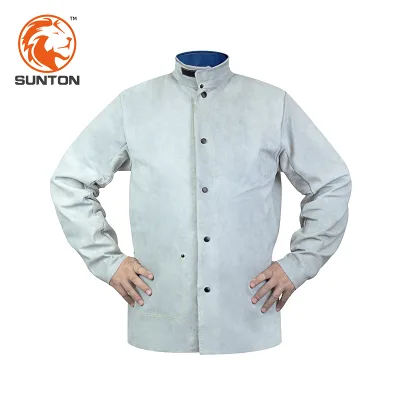

Welding Hi-Vis Reflective Safety Workwear Two Pieces Flame Retardant Work Jacket Pants
$64.00 - $72.00
MOQ: 1000 Sets
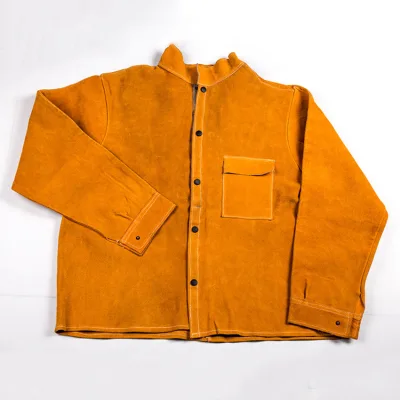
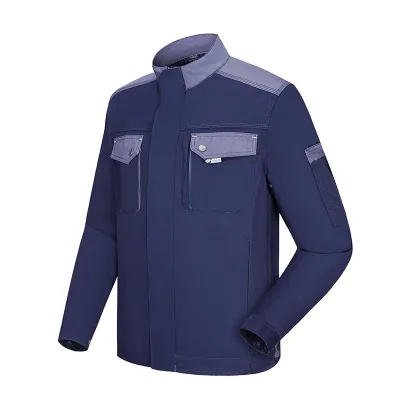


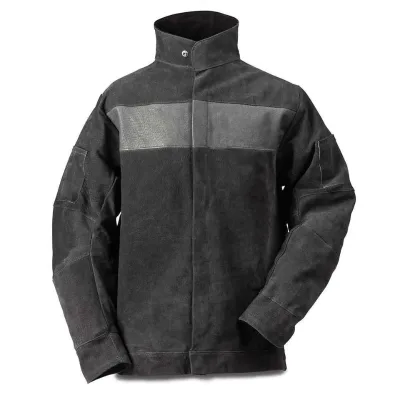
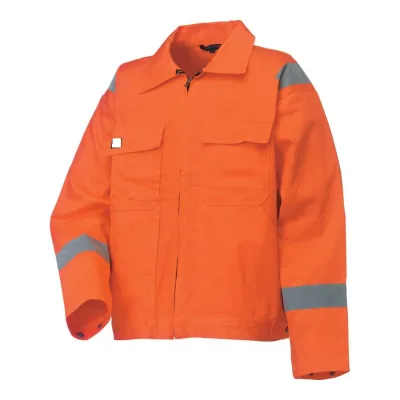
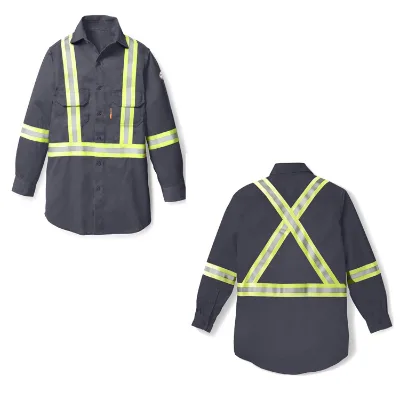
Wholesale Fire Resistant FRC Fireproof Welder Jacket Good Look Workwear
$16.00 - $28.00
MOQ: 1000 sets
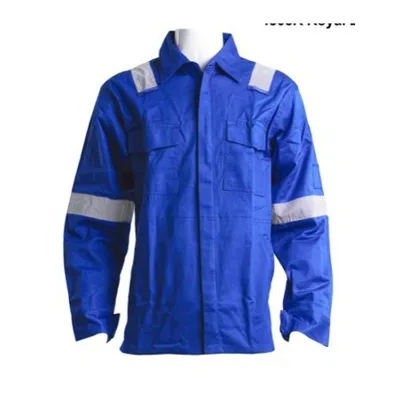
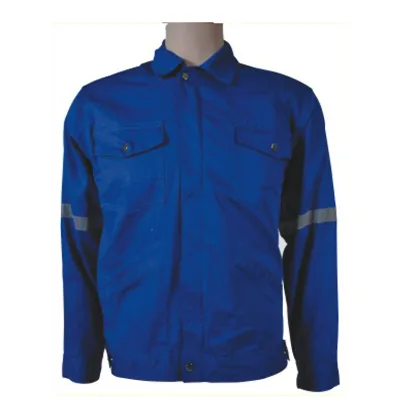
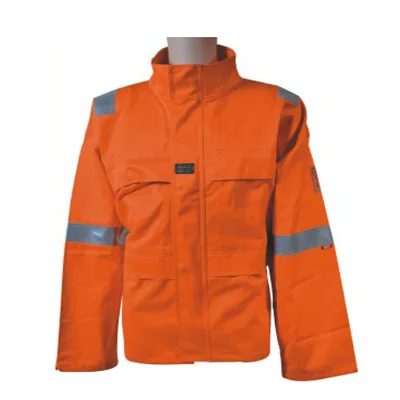
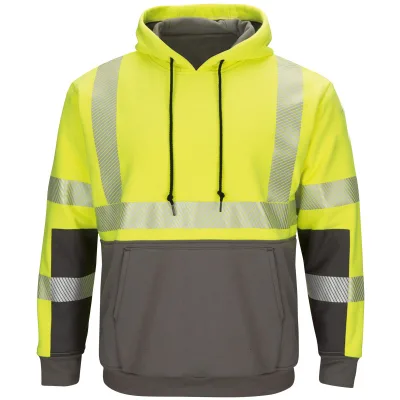
Men's Flame-retardant Cargo Jacket Cargo Jacket Reflective Customization
$13.00 - $14.00
MOQ: 500 pieces


Comprehensive Sourcing Guide
Strategic Sourcing Guide for Flame Retardant Two-Piece Welding Jackets
Selecting the correct protective apparel for welding environments requires a rigorous understanding of material science, regulatory compliance, and supply chain reliability. A flame retardant two-piece welding jacket is not merely a garment; it is a critical component of a Personal Protective Equipment (PPE) system designed to mitigate severe thermal hazards. Buyers must navigate a complex landscape where product attributes vary significantly between suppliers. This guide synthesizes available market data to provide a disciplined framework for evaluating potential vendors and specifications, ensuring that procurement decisions are grounded in verified facts rather than marketing assertions.
Technical Specifications and Material Composition
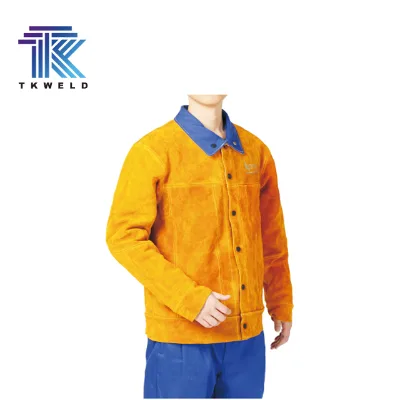
The foundation of any effective welding jacket lies in its material composition and structural design. Market observations indicate a divergence in material choices, with some listings specifying Polyester while others explicitly list cowhide as the primary material. This distinction is paramount. Polyester-based garments often prioritize features such as Quick Dry, Anti-Static, and Rip-Stop capabilities, making them suitable for environments where chemical resistance or moisture management is as critical as thermal protection. In contrast, cowhide options typically align with heavy-duty applications requiring superior Wearproof and Anti-cut properties.
When evaluating the technical specifications of a two-piece system, buyers should verify the Structure and Style. The most common configuration observed is an Open Fronted design, which facilitates ease of movement and rapid donning or doffing in emergency situations. The Style is generally categorized as Safety Protection Clothing or Jacket, often paired with matching trousers to form a complete ensemble.
Dimensional consistency is another critical technical factor. Specific product models, such as the gzf-2 or the GWF-KF24FG01+GWF-KF24FG02 series, offer defined sizing standards. For instance, a size of 180/100B is a documented specification for certain models, indicating a specific fit profile. Buyers must ensure that the Length of the jacket, described as Medium Long in some catalogs, provides adequate coverage for the torso without impeding mobility. The Thickness is generally noted as Normal, but this should be validated against the specific thermal load of the welding process, as thickness directly correlates to heat resistance and breathability.
Compliance Standards and Certification Verification
In the realm of industrial safety, compliance is not optional; it is a legal and operational necessity. The market data highlights several specific standards that serve as benchmarks for quality. Verified listings reference NFPA, EN, and AS 4824-Thermal Protection:A as applicable standards for thermal protection. Additionally, GS and EN certifications are explicitly mentioned as available for certain product lines.
However, buyers must exercise caution regarding broader standard claims. While background knowledge often associates welding gear with EN11611, EN11612, ISO 11612:2015, and ASTM F1959, these specific numerical codes should not be assumed to apply to every product listed without direct verification from the supplier. The presence of a standard in a general description does not guarantee that a specific unit has been tested to that exact protocol.
To ensure compliance, procurement teams must request current, valid test reports from the supplier. The documentation should explicitly state the standard number and the specific test results achieved. For example, if a supplier claims adherence to EN standards, the buyer should verify whether the garment meets the specific requirements for Flame Retardant performance and Thermal Insulation. The Function of the garment, which includes Anti-heat, Anti-Radiant Heat, and Flame Retardant properties, must be substantiated by third-party testing data that aligns with the claimed standards.
Cost Drivers and Pricing Dynamics
Understanding the cost structure of flame retardant two-piece welding jackets is essential for budgeting and value analysis. The observed market price range in the United States spans from $11.8 to $72 per unit. This wide variance is driven by several key factors, primarily material composition and certification depth.
A jacket constructed from Polyester with basic Quick Dry and Anti-Static features will likely fall toward the lower end of the price spectrum. Conversely, garments incorporating cowhide or those that have undergone rigorous testing for NFPA and AS 4824 compliance will command a premium price. The inclusion of advanced features such as Waterproof, Acidproof, and Windproof capabilities also increases the manufacturing cost.
Minimum Order Quantity (MOQ) is another significant cost driver. The market shows an MOQ range from 2 to 5000 units. Buyers purchasing small quantities may face a higher per-unit cost but benefit from lower inventory risk. Conversely, large-volume orders can leverage economies of scale, potentially reducing the unit price, though they require a higher upfront capital commitment. The Selling Units are typically listed as Single item, but bulk purchasing is often facilitated through carton packaging, such as 10 Pieces/ Carton.
Typical Applications and Operational Suitability
The application of a flame retardant two-piece welding jacket is dictated by the specific hazards present in the workplace. The data indicates that these garments are designed for Safety Work Wear in environments involving Fire, Machinery, and Maintenance operations. The Applicable user group is often listed as Maintenance Man, but the Gender specification varies, with some products marked as Unisex and others specifically for Men.
The Usage profile is broad, covering Fire, Machinery, and general Work Protection. The Key attribute of High Visibility Workwear suggests that many of these jackets are designed for environments where visibility is a safety concern, often incorporating reflective elements or bright colors like grey or Customized Color.
For welding specifically, the Welding Capacity is a critical metric. Products claiming Excellent welding capacity are engineered to withstand the intense radiant heat and sparks associated with arc welding processes. The Function list, which includes Thermal Insulation and Anti-Radiant Heat, confirms the garment's suitability for these high-temperature tasks. However, buyers should match the specific Feature set to their operational needs; for instance, if the work environment involves chemical exposure, Acidproof features become a mandatory requirement rather than a luxury.
Supplier Evaluation and Customization Capabilities
Selecting the right supplier involves more than just comparing product specifications; it requires assessing their ability to support the buyer's specific operational needs. The market data reveals a strong emphasis on Customization. Most suppliers offer OEM (Original Equipment Manufacturer) and ODM (Original Design Manufacturer) support, allowing buyers to customize the Logo, Color, and Printing.
The Customized support section confirms that Customized Logo Available and Accept Customized Printed are standard offerings. This is particularly valuable for companies that need to brand their safety gear for corporate identity or to distinguish different teams within a facility. The Design capability is explicitly noted as Accept OEM, indicating that suppliers are willing to modify existing designs or create new ones based on buyer requirements.
When evaluating suppliers, buyers should also consider the Place of Origin. The data points to China as the primary manufacturing hub, with specific regions like Tianjin and Guangdong highlighted. The Port of shipment is often Tianjin, which can influence logistics costs and lead times. The prod_packing method, such as Sea Freight or 1 Piece in PP Bag, should be aligned with the buyer's shipping and storage infrastructure.
Quality Control and Long-Term Procurement Considerations
Ensuring consistent quality over time is a challenge in the PPE industry. Buyers must establish a robust quality control protocol that goes beyond initial sample approval. The Warranty period for these products is noted as 1 month, which is relatively short. This underscores the importance of rigorous pre-shipment inspections. Buyers should verify that the Standard of the product, which can be Customized, aligns with their internal safety protocols before placing a large order.
Long-term procurement considerations include the stability of the supply chain. The Supply Type is listed as ODM, suggesting that the supplier has the capacity to manage custom production runs. However, buyers should confirm the Lead Time and Production Capacity to ensure that the supplier can meet demand during peak operational periods. The Location of the factory, specifically in Tianjin or Guangdong, may impact the ability to conduct on-site audits.
Furthermore, the Feature set of the garment must remain consistent across batches. Variations in Thickness, Material, or Color can compromise safety. Buyers should require a Certificate of Conformity (CoC) for every shipment, ensuring that the Function of Anti-static, Anti-heat, and Anti-cut is maintained. The Product name "PROTECTIVE CLOTHING" is generic, so specific model numbers like gzf-2 or GWF-KF24FG01+GWF-KF24FG02 should be used to track specific quality attributes.
Comparative Analysis of Product Attributes
To assist in decision-making, the following table summarizes the key attributes observed in the market, highlighting the trade-offs between different product types.
| Attribute | Observation A (Polyester Focus) | Observation B (Cowhide/Heavy Duty) |
|---|---|---|
| Primary Material | Polyester | Cowhide |
| Key Features | Quick Dry, Anti-Static, Rip-Stop | Wearproof, Anti-cut, Thermal Insulation |
| Standard Compliance | EN, GS | NFPA, EN, AS 4824 |
| Typical Usage | Maintenance, General Work | Fire, Machinery, Heavy Welding |
| Structure | Open Fronted | Open Fronted |
| Color Options | Grey, Customized | Customized Color |
| MOQ Range | 2 - 5000 | 2 - 5000 |
| Origin | China (Tianjin/Guangdong) | China (Tianjin/Guangdong) |
This comparison illustrates that while the structural design (Open Fronted) and origin (China) remain consistent, the material and feature sets differ significantly based on the intended application. Buyers must prioritize the Function and Standard requirements of their specific work environment when selecting between these options.
Conclusion
Sourcing a flame retardant two-piece welding jacket requires a meticulous approach that balances technical specifications, regulatory compliance, and supplier capabilities. The market offers a diverse range of products, from lightweight polyester options to heavy-duty cowhide garments, each serving different operational needs. By verifying standards such as NFPA, EN, and AS 4824, and by leveraging the available customization options for OEM and ODM, buyers can secure protective gear that meets their safety mandates. The price range of $11.8 to $72 and the flexible MOQ options provide opportunities for both small and large organizations to procure suitable equipment. Ultimately, the success of the procurement process depends on the buyer's ability to demand verified test data, conduct thorough supplier evaluations, and maintain strict quality control measures throughout the supply chain.
FAQs
What materials are used for flame retardant two-piece welding jackets?
Materials vary between Polyester and cowhide depending on the specific product model. Polyester options offer quick dry and anti-static features, while cowhide provides superior wearproof and anti-cut protection for heavy-duty welding tasks.
Which certifications verify the safety standards for these jackets?
Verified listings reference NFPA, EN, AS 4824, and GS certifications for thermal protection. Buyers must request current test reports to confirm specific compliance with flame retardant and thermal insulation requirements before purchasing.
Can buyers customize the logo and color of the protective clothing?
Yes, OEM and ODM support allows for customized logos, colors, and printed designs. Suppliers typically accept customized requests for branding, though specific color options like grey or custom shades depend on the manufacturer's capabilities.
How does the price range vary for these safety work wear jackets?
The observed price range spans from 11.8 to 72 USD per unit. Costs depend on material composition, such as polyester versus cowhide, and the depth of certification or advanced features like waterproof and acidproof capabilities.
What is the typical minimum order quantity for these jackets?
The market shows a minimum order quantity range from 2 to 5000 units. Smaller orders may have higher per-unit costs, while larger volumes leverage economies of scale, often shipped in cartons of ten pieces.
Which standards apply to the thermal protection of these garments?
Applicable standards include NFPA, EN, and AS 4824-Thermal Protection:A for verified listings. Buyers should verify specific test results for flame retardant and thermal insulation functions against these standards rather than assuming general compliance.
Where are these protective clothing items typically manufactured?
Products originate from China, with specific manufacturing hubs in Tianjin and Guangdong. The port of shipment is often Tianjin, which influences logistics costs and lead times for international buyers sourcing these safety jackets.