Source Threaded MIG Welding Insulator Ring for High Voltage
Compare 30 verified listings for the Threaded MIG Welding Insulator Ring from Chinese manufacturers. Buyers can evaluate specifications like operating temperature, material grades, and customization options to find the right component for high-voltage and low-voltage applications; compare the available evidence and request quotations based on your requirements.
Key considerations
Products List


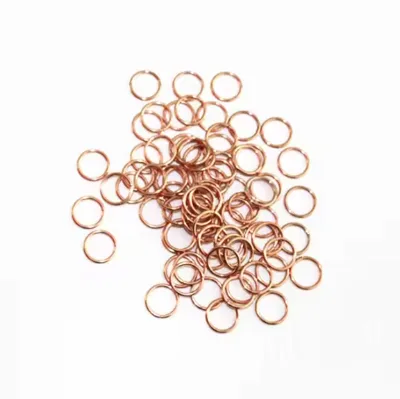


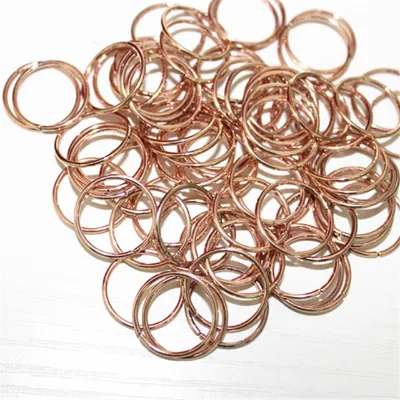
Comprehensive Sourcing Guide
Threaded MIG Welding Insulator Ring Sourcing Guide
Buyers must first distinguish between generic insulating components and specialized threaded rings designed specifically for MIG welding applications. The observed product data indicates a diverse range of materials, including plastic, alloy steel, and rubber compounds like FKM and NBR, which suggests that not all listed items are suitable for high-heat welding environments. Procurement teams should verify that the specific threaded geometry and material composition align with the electrical isolation requirements of the welding torch assembly to prevent short circuits or equipment damage.
The listing signals reveal significant variation in packaging and origin, with items shipped from Zhejiang and Shandong provinces in cartons, wooden boxes, or bubble bags. This logistical diversity implies that buyers need to carefully evaluate the structural integrity of the packaging to ensure the threaded rings arrive without deformation or contamination. Since some products are marked as "Easily Assembled" while others require specific installation instructions, the sourcing strategy must account for the labor time required to integrate these components into the final welding setup.
Product Scope and Observed Listing Signals
The market for threaded MIG welding insulator rings includes components with varying model numbers such as JSFI4028-1 and 24KD, alongside generic descriptions of plastic or alloy steel construction. Buyers should note that while some listings specify standard sizes, others offer custom dimensions, requiring a clear definition of the required thread pitch and diameter before placing an order. The presence of "Metric & Unc Available" stock suggests that both metric and unified thread standards are accessible, but verification of the exact fit is critical to avoid compatibility issues with existing welding equipment.
Observations of color options like black, yellow, white, orange, and red indicate that visual identification is often used to distinguish between different voltage ratings or material grades. However, color alone is not a reliable indicator of performance, and buyers must cross-reference these visual attributes with the stated operating temperature range of -40°C to +200°C. The availability of customization supports the need for tailored solutions, yet the core function remains the electrical insulation of the threaded connection during the welding process.
Technical Specifications to Verify
Technical due diligence must focus on the operating temperature limits and the specific material grade, as the data shows ranges from -40°C to +200°C and materials like G80 alloy steel or Q355b. Buyers should confirm that the selected insulator ring can withstand the thermal shock of MIG welding without degrading, particularly if the application involves high-voltage or low-voltage circuits where insulation failure could be catastrophic. The pivot angle of 180° and safety factors of 4:1 or 5:1 found in related listings highlight the importance of mechanical stability alongside electrical properties.
Dimensional accuracy is another critical specification, with observed standards ranging from regular sizes to specific measurements like 1389 or 42347. Procurement teams must verify that the threaded ring's length and diameter match the welding torch specifications, as the "Long" length attribute in some listings may not apply to compact welding setups. Additionally, the presence of anti-static and heat insulation functions suggests that the material must provide both thermal resistance and static discharge protection to ensure operator safety and equipment longevity.
Compliance and Safety Documentation
Safety compliance is paramount, and buyers should request documentation confirming adherence to standards such as DIN En1677-1 or ISO9001:2008, which are referenced in the available product data. While some listings mention certifications like CE, ISO, and SGS, these should be treated as supplier claims that require independent verification rather than guaranteed attributes of every unit. The presence of MTC 3.1 and ASME references indicates that high-grade industrial components may be available, but the specific certification status must be validated against the intended application's regulatory requirements.
Documentation regarding the installation instructions and warranty terms is equally essential for risk management. The data indicates that installation instructions are provided and a one-year warranty is common, which offers a baseline for recourse in case of premature failure. Buyers must ensure that the supplier provides clear guidance on the correct assembly of the threaded ring to prevent mechanical stress or electrical arcing, as improper installation can void warranties and compromise the safety of the welding operation.
Cost Drivers and Commercial Terms
Cost structures for threaded MIG welding insulator rings are influenced by material complexity, with alloy steel and specialized rubber compounds like FKM and NBR commanding different price points than standard plastic variants. The observed price range of 0.1 to 1350 USD reflects this disparity, suggesting that buyers should budget based on the specific performance requirements rather than the lowest available unit cost. High-performance materials that offer superior heat insulation and anti-static properties will naturally incur higher costs, but they are often necessary for demanding industrial welding environments.
Commercial terms such as MOQ and lead time vary significantly, with minimum order quantities ranging from 1 to 3000 units and lead times as short as 3-7 days for small orders. Buyers should negotiate based on their volume needs, as the "OEM/ODM Support" and "Support" for customization imply flexibility in order sizing. However, the "Single item" selling unit for some products suggests that bulk discounts may not be available for all listings, requiring a strategic approach to inventory management to balance cost efficiency with immediate operational needs.
Supplier Qualification and Quality Control
Supplier qualification should prioritize manufacturers with a proven track record in welding accessories, specifically those located in established industrial hubs like Wenzhou, Zhejiang, or Shandong. The data indicates that many suppliers offer OEM services and support customization, which is a positive signal for their manufacturing capabilities. However, buyers must verify the supplier's ability to maintain consistent quality across batches, as the "Standard or custom sizes" attribute implies that non-standard orders may introduce variability in production tolerances.
Quality control processes must be explicitly defined, with a focus on the "Return and Replacement" policies and the provision of after-sales service. The availability of certifications like CCS and SGS suggests that some suppliers have robust internal quality systems, but these should be confirmed through on-site audits or third-party inspections. Buyers should also assess the supplier's capacity to handle the "Export Standard Package" requirements to ensure that the threaded rings are protected during transit, preventing damage that could compromise the integrity of the insulating ring.
Long-Term Procurement Checks
Long-term procurement strategies should include regular audits of the supplier's ability to maintain the specified operating temperature range and material grades over time. Since the data shows a wide range of materials from plastic to alloy steel, buyers must ensure that the supplier does not substitute materials without notice, which could alter the electrical and thermal performance of the insulator ring. Establishing a clear specification sheet that references the exact model numbers and material compositions is essential for maintaining consistency in future orders.
Continuous monitoring of the supplier's lead times and inventory levels is also critical, as the "3-7 Days for Small Order" lead time may fluctuate with demand. Buyers should maintain a safety stock of critical threaded rings to mitigate supply chain disruptions, especially given the "in Stock" availability of metric and UNC variants. Finally, periodic performance reviews of the installed components will help identify any degradation in anti-static or heat insulation properties, ensuring that the procurement strategy remains aligned with the evolving safety and efficiency standards of the welding operation.
FAQs
What materials are used for threaded mig welding insulator rings?
These insulator rings are typically manufactured from durable plastic or specialized rubber compounds such as FKM, NBR, FPM, and EPDM. The choice of material depends on the specific welding environment and required chemical resistance. Some heavy-duty variants may also utilize alloy steel or Q355b basement materials for enhanced structural integrity and longevity in industrial applications.
Can these insulator rings be customized for specific welding needs?
Yes, customization is available for threaded mig welding insulator rings to meet unique project requirements. Buyers can request specific models like JSFI4028-1 or 24KD, along with standard or custom sizes. OEM and ODM support is provided, allowing for tailored specifications regarding dimensions, colors, and packaging to ensure optimal fit and performance for diverse welding setups.
What certifications do these welding insulator rings typically hold?
Manufacturers often provide rings certified under ISO, CE, DIN, CCS, SGS, and ASME standards. Some products also hold MTC 3.1 documentation and comply with ISO9001:2008 quality management systems. These certifications ensure that the insulator rings meet international safety and quality benchmarks, providing buyers with confidence in the product's reliability and compliance for global sourcing needs.
What is the typical lead time for small orders?
For small orders, the OEM/ODM lead time is generally 3-7 days. This rapid turnaround supports urgent procurement needs and allows for quick integration into production lines. Standard stock items, including metric and UNC variants, are often available immediately, while custom configurations may require the specified manufacturing window to ensure quality control and precise specification adherence.
How are these insulator rings packaged for shipping?
Packaging options include cartons, bubble bags, and wooden boxes to ensure safe transit. Export standard packages are commonly used, with customization available based on client requirements. The choice of packaging depends on the product size and weight, ensuring that items like the 13*8*9 or 42*34*7 models remain protected during international shipping and handling processes.
What is the minimum order quantity for these products?
The minimum order quantity (MOQ) can be as low as 1 unit, facilitating easy sampling and small-scale testing. However, bulk orders may have higher MOQs ranging up to 3000 units depending on the supplier and product type. This flexibility allows buyers to start with minimal investment while scaling up production as needed for larger welding projects.
Where are these welding insulator rings typically manufactured?
These products are primarily manufactured in China, with key production hubs located in Wenzhou, Zhejiang, and Shandong provinces. This regional concentration supports efficient supply chains and competitive pricing. Buyers can source directly from these origins, benefiting from established manufacturing infrastructure and specialized expertise in producing high-quality welding consumables and insulating components.