Source Low Temperature Tin-Lead Solder Bar for Electronics
Find and compare 27 Low Temperature Tin-Lead Solder Bar options for wave soldering, manual soldering, and electronic assembly. Review specifications like Sn63Pb37 and Sn60Pb40 compositions to select the right alloy for your manufacturing needs; compare the available evidence and request quotations based on your requirements.
Key considerations
Products List


Solder Bar Sn25pb75 Tin Lead High Purity Solder Soldering Tin Stick Stripe
$25.00 - $45.00
MOQ: 1 Pieces

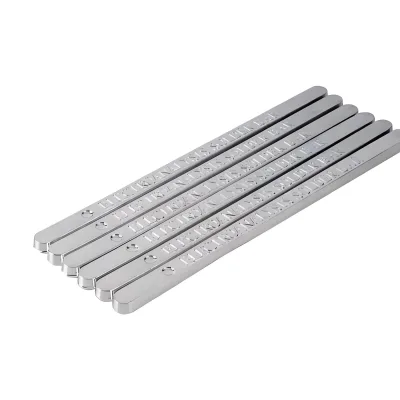




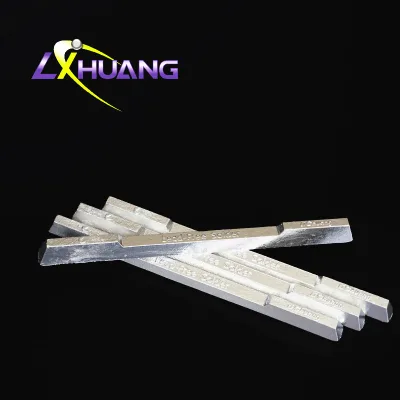
Factory Wholesale Tin Lead Solder Bar Sn25pb75 with Excellent Welding Fluidity
$0.09 - $0.15
MOQ: 500 Pieces


Comprehensive Sourcing Guide
Low Temperature Tin-Lead Solder Bar Sourcing Guide
Procuring low temperature tin lead solder bars requires a precise understanding of alloy composition and thermal properties to ensure reliable electronic assembly. These materials are primarily utilized in wave soldering and manual soldering applications, where consistent wetting and joint integrity are critical for manufacturing quality. Buyers must distinguish between standard tin-lead formulations and specialized variants, as the melting point and mechanical strength vary significantly based on the specific ratio of tin to lead. The observed market data indicates a range of compositions, including Sn60/Pb40 and Sn63/Pb37, each offering distinct thermal profiles that influence the soldering process parameters.
The selection of the correct solder bar is not merely a matter of chemical composition but also involves evaluating physical form factors and packaging standards. Suppliers may offer products in various configurations, such as electrolytic strips or bars, with packaging ranging from neutral packing to customized carton solutions. It is essential to verify the exact model designation, such as Sn63Pb40 or Sn60Pb40, against your technical requirements to avoid compatibility issues with existing soldering equipment. Understanding these foundational attributes allows procurement teams to align their purchasing decisions with the specific thermal and mechanical demands of their production lines.
Product Scope and Observed Listing Signals
The current market landscape for tin lead solder bars reveals a diverse array of product listings that cater to different industrial needs. Observed data highlights a price range from 0.09 to 1000 USD, reflecting variations in alloy purity, packaging, and order volume. Minimum order quantities typically span from 1 to 500 units, providing flexibility for both small-scale prototyping and large-scale manufacturing operations. Buyers should note that while some listings specify standard weights like 500g per bottle, others may offer customized packaging solutions to meet specific logistical or handling requirements.
Significant variations exist in the stated melting points and elemental compositions across different supplier offerings. For instance, some products list a melting point of 183°C, characteristic of the eutectic Sn63Pb37 alloy, while others indicate higher melting points such as 227°C or 277°C for different formulations. These discrepancies underscore the importance of verifying the exact alloy specification, such as Sn99.3cu0.7 or Sn-3.5AG-0.7cu, rather than relying solely on generic product titles. Procurement specialists must carefully cross-reference these technical details to ensure that the selected material meets the precise thermal and conductivity requirements of their electronic assemblies.
Technical Specifications to Verify
When evaluating tin lead solder bars, the primary technical focus should be on the alloy composition and its corresponding melting behavior. The eutectic Sn63Pb37 alloy is widely preferred for its sharp melting point at 183°C, which facilitates rapid solidification and reduces the risk of cold joints. However, non-eutectic alloys like Sn60Pb40 exhibit a plastic range between solidus and liquidus temperatures, which may be suitable for specific manual soldering techniques. Buyers must confirm the exact percentage of tin and lead, as well as the presence of trace elements like copper or silver, which can significantly impact the solder's mechanical strength and wetting characteristics.
Physical dimensions and packaging standards are equally critical for operational efficiency and inventory management. Standard diameters such as 6.0mm or 2.0mm may be available, depending on the intended application and feeding mechanism of the soldering equipment. Packaging options range from standard cartons to customized solutions, with weights often specified as 500g per bottle or 25kg per carton. It is advisable to verify the origin of the product, with China being a common source, and to ensure that the packaging protects the solder bars from moisture and contamination during storage and transit.
Compliance and Safety Documentation
Safety and regulatory compliance are paramount when handling tin lead solder bars due to the potential health risks associated with lead exposure. Buyers should request detailed Material Safety Data Sheets (MSDS) that outline proper handling, storage, and disposal procedures. These documents should confirm the presence of lead and provide guidance on minimizing inhalation of fumes during the soldering process. Ensuring that suppliers adhere to international safety standards is essential for maintaining a safe working environment and complying with occupational health regulations in your facility.
Environmental regulations regarding the use of lead in electronics are increasingly stringent, although tin lead alloys remain necessary for certain high-reliability applications. Procurement teams must verify that the supplied solder bars comply with relevant directives and standards, such as RoHS exemptions where applicable. It is crucial to obtain documentation that certifies the alloy composition and confirms that the product meets the specific regulatory requirements of your target markets. This due diligence helps mitigate legal risks and ensures that the final electronic products can be legally sold in regions with strict environmental controls.
Cost Drivers and Commercial Terms
The cost of tin lead solder bars is influenced by several factors, including the current market price of tin and lead, alloy complexity, and packaging requirements. While observed price ranges are broad, the actual cost per unit will depend on the order volume and the specific alloy composition. Buyers should negotiate terms that account for fluctuations in raw material prices and seek clarity on whether the quoted price includes packaging, shipping, and any applicable taxes. Understanding these cost drivers allows for more accurate budgeting and prevents unexpected expenses during the procurement process.
Commercial terms such as minimum order quantities, payment methods, and shipping ports also play a significant role in the overall procurement strategy. Suppliers may offer customized packing options, which can affect the unit cost and handling efficiency. Shipping ports like Shenzhen are common, but buyers should confirm the logistics arrangements and lead times to ensure timely delivery. Establishing clear commercial terms early in the negotiation process helps avoid misunderstandings and ensures a smooth transaction, particularly when dealing with international suppliers and varying regulatory environments.
Supplier Qualification and Quality Control
Selecting a reliable supplier for tin lead solder bars requires a thorough evaluation of their manufacturing capabilities and quality control processes. Buyers should verify the supplier's ability to provide consistent alloy compositions and adhere to specified standards. Requesting samples for testing is a critical step to validate the melting point, wetting ability, and joint quality of the solder bars. Additionally, assessing the supplier's certification status and their adherence to international quality management systems can provide confidence in their ability to deliver consistent product quality.
Quality control measures should include regular testing of incoming materials and periodic audits of the supplier's production processes. Buyers should inquire about the supplier's procedures for handling defects and their policy for product recalls if necessary. Establishing a clear communication channel for reporting quality issues ensures that any discrepancies are addressed promptly. By prioritizing suppliers with robust quality control systems, procurement teams can minimize the risk of production delays and ensure the reliability of the final electronic assemblies.
Long-Term Procurement Checks
Long-term procurement success depends on continuous monitoring of supplier performance and market trends. Buyers should regularly review supplier delivery times, product consistency, and responsiveness to quality issues. Establishing key performance indicators (KPIs) for these metrics allows for objective evaluation and facilitates data-driven decisions regarding supplier relationships. Additionally, staying informed about changes in raw material prices and regulatory requirements helps in anticipating potential disruptions and adjusting procurement strategies accordingly.
It is also important to periodically reassess the technical requirements of your soldering processes to ensure that the selected alloys remain optimal. As technology evolves, new soldering techniques or materials may become available that offer better performance or compliance with environmental standards. Maintaining a flexible procurement strategy allows for the adoption of new technologies and materials as they become viable. By combining rigorous supplier management with ongoing technical evaluation, buyers can ensure a stable and efficient supply chain for their tin lead solder bar needs.
FAQs
What is the melting point of Low Temperature Tin-Lead Solder Bar?
The melting point is 183 degrees Celsius for the Sn63Pb37 composition. This specific alloy offers a lower melting temperature compared to other variants, making it suitable for wave soldering and manual soldering applications where heat sensitivity is a concern.
Which composition is available for Low Temperature Tin-Lead Solder Bar?
Available compositions include Sn63Pb37 and Sn60Pb40. The Sn63Pb37 variant melts at 183 degrees Celsius, while the Sn60Pb40 variant melts at 227 degrees Celsius. These alloys are designed for specific soldering requirements and are packaged in 500g bottles or cartons.
Can I get customized packaging for Low Temperature Tin-Lead Solder Bar?
Yes, customized packaging is available for this product. Options include neutral packing, OEM packing, or specific carton configurations. Buyers can request tailored solutions to meet their logistical needs while ensuring the product remains protected during transit from the origin in China.
What is the minimum order quantity for Low Temperature Tin-Lead Solder Bar?
The minimum order quantity ranges from 1 to 500 units depending on the specific product configuration. Buyers should verify the exact MOQ with the supplier as it varies based on the alloy type, packaging requirements, and current production capacity of the manufacturing facility.
How is the Low Temperature Tin-Lead Solder Bar shipped from China?
Shipping ports include Shanghai or Shenzhen, with options for customized logistics arrangements. The product originates from China and is typically packed in cartons or bottles. Buyers can arrange specific shipping methods to ensure timely delivery to their destination markets.
What are the standard dimensions for the Low Temperature Tin-Lead Solder Bar?
Standard specifications include a diameter of 6.0mm for certain electrode types and 2.0mm for others. The product also comes in standard weights such as 500g per bottle. Specific dimensions may vary based on the alloy composition and intended application for wave or manual soldering.