Source Flat LiFePO4 Home Battery for UPS, Solar, and Telecom
Compare 30 Flat LiFePO4 Home Battery options with varying voltages, capacities, and certifications. Buyers can evaluate specifications for UPS, solar, and telecom applications to find suitable units.
Key considerations
Products List


Energy 16kwh Lithium Ion Battery LiFePO4 Battery Home Energy System
$1263.00 - $1265.00
MOQ: 10 Pieces


Batteries for Solar System 100ah 200ah Lithium Solar Battery Home Solar Battery Systems
$645.00 - $1139.00
MOQ: 1 Pieces

Renewable Energy LiFePO4 Battery 48V 15kwh Lithium Battery Solar Home Energy Storage Battery System
$1325.00 - $1589.00
MOQ: 1 Pieces
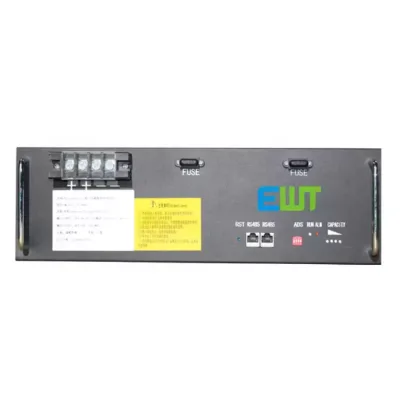


$1020.00 - $1115.00
MOQ: 4 Pieces

$1020.00 - $1115.00
MOQ: 4 Pieces


Comprehensive Sourcing Guide
Strategic Sourcing Guide for Flat LiFePO4 Home Battery Systems
Understanding the Technical Architecture of Flat LiFePO4 Units
When sourcing flat LiFePO4 (Lithium Iron Phosphate) home battery systems, buyers must first distinguish between the physical form factor and the electrochemical composition. The term "flat" in this context often refers to the prismatic or square cell design that allows for compact, stackable, or wall-mounted configurations suitable for residential spaces. Based on available product data, the cathode material is explicitly identified as LFP, which offers superior thermal stability and safety compared to other lithium-ion chemistries. The electrolyte is confirmed as Li-ion, and the discharge rate is characterized as high, indicating suitability for peak load management in home energy systems.
A critical observation in the current market is the variance in nominal voltage ratings. While some units are specified with a nominal voltage of 24V, others operate at 48V, and specific models list a battery rated voltage of 25.6VDC. This discrepancy highlights the necessity for buyers to verify the voltage compatibility with their existing inverter or solar charge controller before procurement. The battery type is frequently categorized as Ep-48314W or Ldp-2450, with specific models like JY-H025 appearing in the catalog. These designations often correlate with the internal cell arrangement and the total energy capacity. For instance, one observed configuration boasts a battery capacity of 5120Wh, which is a significant metric for sizing a home backup system.
The physical dimensions of these units vary significantly, reflecting the "flat" design philosophy aimed at space optimization. Observed sizes include 740520260mm, 328x172x220mm, and 472185765mm. The shape is consistently described as either Prismatic Battery or Square Battery, which facilitates modular stacking. The design life is a crucial long-term metric, with some units advertised with a design life of 12 years. However, buyers should treat this as an observation of specific high-end models rather than a universal guarantee for all flat LiFePO4 units in the market. The maximum input power for certain configurations is listed at 5000W, which dictates the charging speed and the ability to handle high-load surges from household appliances.
Compliance and Certification Verification Protocols
In the B2B procurement of energy storage systems, certification is not merely a formality but a critical risk mitigation strategy. The supplied data indicates that reputable suppliers in this sector often hold a combination of UL, CE, UN38.3, and IEC certifications. The presence of UN38.3 is particularly vital, as it certifies that the lithium batteries have passed rigorous safety tests regarding altitude simulation, thermal cycling, and vibration, ensuring safe transport and operation. Similarly, IEC standards provide a framework for the safety and performance of the battery cells and packs.
Buyers must exercise caution when reviewing certification claims. While some product listings explicitly mention ISO, CE, and UN38.3, others may only list CE or IEC. It is essential to verify that the certification applies to the specific model being purchased, as certifications can sometimes be held for the manufacturing facility rather than the specific product variant. The "Grade" of the battery is another compliance-adjacent factor; one observed listing mentions "B Grade," which implies the use of cells that may not meet the highest tier of performance specifications. For home applications where safety and longevity are paramount, buyers should prioritize suppliers who can provide documentation for A-grade cells and full system-level certifications.
The environmental operating conditions are also part of the compliance and safety profile. Observed specifications list a work environment temperature range of -20 to +5°C, which is notably narrow and potentially restrictive for unheated garages or outdoor installations in colder climates. Furthermore, the operation/storage environment is defined as 0-90% relative humidity with no condensate. These parameters must be strictly adhered to; failure to do so can void warranties and compromise safety. Buyers should verify if the supplier offers units with extended temperature ranges or active thermal management systems if the installation environment is not climate-controlled.
Cost Drivers and Pricing Structure Analysis
The pricing landscape for flat LiFePO4 home batteries is highly variable, with observed listed prices ranging from $1 to over $10,493 USD. This vast range is not indicative of a single product type but rather reflects differences in capacity, voltage, brand positioning, and included accessories. The minimum order quantity (MOQ) also fluctuates, ranging from 1 unit to 1600 units, suggesting that the market serves both individual residential buyers and large-scale commercial distributors.
Several factors drive the cost of these systems. First, the battery capacity is a primary cost driver; a unit with 5120Wh capacity will naturally command a higher price than a smaller, lower-voltage unit. Second, the voltage configuration plays a role; 48V systems are generally more expensive than 24V systems due to the higher energy density and the complexity of the battery management system (BMS) required to handle the higher voltage safely. Third, the inclusion of accessories, such as specific connection modes (Series and Parallel), can influence the final price. The ability to connect batteries in series or parallel allows for scalability, a feature that adds value but also cost.
Shipping and packaging methods also impact the total landed cost. Products are observed to be shipped via Express, Sea, or Railway, with packaging options including Carton Boxes, Wooden Pallets, or Wooden Boxes. The choice of shipping method depends on the urgency and the volume of the order. For heavy units like those measuring 740520260mm, sea freight is often the most economical option, whereas express shipping may be necessary for urgent replacements or small batches. Buyers should calculate the total cost of ownership, including freight, insurance, and potential customs duties, rather than focusing solely on the unit price. The warranty period, observed to be 5 years in some listings, is another value component that should be factored into the cost-benefit analysis.
Typical Applications and System Integration Requirements
Flat LiFePO4 batteries are designed for a diverse range of applications, with the most common uses being UPS (Uninterruptible Power Supply), Lighting, Solar energy storage, and Telecom infrastructure. The versatility of these units is enhanced by their rechargeable nature and high discharge rates. For residential solar setups, the ability to store energy generated during the day for use at night is a primary application. The 48V and 24V configurations allow these batteries to integrate with various inverter systems, though the specific voltage must match the inverter's input requirements.
The installation method is typically "Packaged," meaning the units arrive ready for deployment, often requiring minimal assembly. However, the physical dimensions and shape must be considered during the site planning phase. The "flat" design is ideal for wall mounting or stacking in tight spaces, making it suitable for modern homes with limited utility room space. The connection mode, supporting both Series and Parallel configurations, allows buyers to expand their storage capacity by linking multiple units together. This scalability is crucial for homes that anticipate increasing energy demands or wish to upgrade their system over time.
For telecom and UPS applications, the reliability of the battery is paramount. The high discharge rate ensures that critical loads can be sustained during power outages. The specific model JY-H025, for example, is noted for its usage in these demanding environments. Buyers should also consider the "OEM" (Original Equipment Manufacturer) acceptability, which indicates that suppliers are willing to customize the product branding or specifications. This is particularly useful for integrators who wish to white-label the batteries for their own residential energy solutions. The inclusion of MC4 connectors, a standard in the solar industry, facilitates easy and secure connection to solar panels and inverters, reducing installation time and potential points of failure.
Supplier Evaluation and Quality Control Measures
Evaluating suppliers for flat LiFePO4 batteries requires a rigorous approach to quality control and due diligence. The origin of the products is a key indicator of supply chain stability, with Shenzhen, China, and other regions in China being prominent sources. While the location is a fact, the quality of manufacturing varies significantly between suppliers. Buyers should prioritize suppliers who offer transparent documentation regarding their production processes and quality assurance protocols.
Quality control should begin with the verification of the battery grade. As noted in the data, some units are classified as "B Grade," which may imply the use of recycled or slightly imperfect cells. For home applications where safety and longevity are non-negotiable, buyers should insist on A-grade cells and request test reports that verify the cell capacity, internal resistance, and cycle life. The warranty period, observed to be 5 years in some cases, serves as a proxy for the supplier's confidence in their product quality. A longer warranty period often correlates with higher quality components and better manufacturing standards.
The customization options available, such as the ability to specify the battery type, color (White or Black/Blue), and packaging, indicate a supplier's flexibility and responsiveness to buyer needs. However, customization should not come at the expense of safety standards. Buyers must ensure that any customizations do not compromise the UL, CE, or UN38.3 certifications. Additionally, the supplier's ability to handle different shipping methods (Express, Sea, Railway) and provide appropriate packaging (Carton Box, Wooden Pallets) is essential for ensuring the product arrives in perfect condition.
Long-Term Procurement and Lifecycle Management
Procuring flat LiFePO4 batteries is a long-term investment that requires careful consideration of the product's lifecycle. The design life of 12 years observed in some models suggests a potential for extended service, but this is contingent on proper usage and maintenance. Buyers should verify the cycle life of the battery, which is often linked to the depth of discharge (DoD) and the operating temperature. The narrow temperature range of -20 to +5°C observed in some specifications indicates that these units may require climate-controlled environments to achieve their full design life.
Maintenance and support are critical components of long-term procurement. Buyers should assess the supplier's after-sales support, including the availability of spare parts and technical assistance. The warranty terms, such as the 5-year warranty mentioned, should be clearly understood, including what is covered and what constitutes a voided warranty. The ability to recharge the battery and the high discharge rate are features that contribute to the long-term usability of the system, but they must be managed within the specified parameters to prevent degradation.
Scalability is another long-term consideration. The series and parallel connection modes allow for future expansion, but buyers should ensure that the initial system design accommodates potential upgrades. The standardized dimensions and connection types, such as MC4 connectors, facilitate this scalability. However, mixing different battery models or voltages should be avoided to prevent imbalances and potential safety hazards.
Comparative Analysis of Key Product Attributes
To assist buyers in making informed decisions, the following table summarizes the key attributes observed in the market for flat LiFePO4 home batteries. This comparison highlights the diversity in specifications and helps identify the most suitable options for specific needs.
| Attribute | Observation 1 | Observation 2 | Observation 3 |
|---|---|---|---|
| Battery Type | Ep-48314W | Ldp-2450 | Lithium Iron Phosphate |
| Nominal Voltage | 48V | 24V | 25.6VDC |
| Dimensions | 740520260mm | 328x172x220mm | 472185765mm |
| Capacity | Not specified | 5120Wh | Not specified |
| Shape | Prismatic Battery | Square Battery | Square Battery |
| Certifications | UL/CE/Un38.3/IEC | ISO/CE/Un38.3/IEC | UL/CE/Un38.3/IEC |
| Design Life | 12 Years | Not specified | Not specified |
| Warranty | Not specified | Not specified | 5 Years |
| Color | White | Black/Blue | Not specified |
| Usage | UPS, Lighting, Solar/Telecom | UPS, Lighting, Solar/Telecom | UPS, Lighting, Solar/Telecom |
| Connection Mode | Series and Parallel | Series and Parallel | Series and Parallel |
| Discharge Rate | High Discharge Rate | 50ah | High Discharge Rate |
| Grade | Not specified | Not specified | B Grade |
| Origin | Shenzhen, China | China | China |
This table underscores the importance of verifying specific attributes against project requirements. While the core technology (LiFePO4) and certifications (UL, CE, UN38.3) are consistent, the voltage, dimensions, and capacity vary widely. Buyers must align these specifications with their inverter compatibility, available installation space, and energy storage needs. The presence of "B Grade" in one observation serves as a reminder to scrutinize the quality of the cells, especially for applications where reliability is critical. By carefully evaluating these attributes, buyers can select a flat LiFePO4 battery system that offers the optimal balance of performance, safety, and cost-effectiveness for their specific home energy requirements.
FAQs
What certifications do flat lifepo4 home batteries have?
These batteries typically hold UL, CE, UN38.3, and IEC certifications. Some listings also include ISO standards, ensuring compliance with international safety and transport regulations for lithium-ion products.
How long is the design life of these battery units?
Certain models feature a design life of 12 years. This duration depends on proper usage within specified environmental conditions and adherence to the manufacturer's maintenance guidelines.
Can these batteries be connected in series or parallel?
Yes, the connection mode supports both series and parallel configurations. This feature allows users to scale the system capacity and voltage to match specific home energy storage requirements.
What is the nominal voltage range for these systems?
Nominal voltages vary, with observed ratings of 24V, 25.6VDC, and 48V. Buyers must verify the specific voltage of a model to ensure compatibility with their existing inverters or solar controllers.
Which cathode material is used in these lithium batteries?
The cathode material is explicitly identified as Lithium Iron Phosphate (LFP). This chemistry offers superior thermal stability and safety compared to other lithium-ion battery types.
What are the standard shipping methods for these products?
Products are shipped via Express, Sea, or Railway transport. The choice depends on order urgency and volume, with packaging options including carton boxes, wooden pallets, or wooden boxes.
Is customization available for these flat battery systems?
Customization is available for specifications, colors, and packaging. Suppliers also accept OEM requests, allowing buyers to tailor branding or specific design parameters to their needs.