Source Flat Nylon Rubber Gaskets for Industrial, Vehicle, and Household Use
Find and compare 30 Flat Nylon Rubber Gaskets suitable for industrial, vehicle, and household applications. These durable seals are available in various materials like silicone and EPDM, with customization options for size, shape, and color to meet specific sealing requirements.
Key considerations
Products List


$0.10 - $0.50
MOQ: 100 Pieces


Comprehensive Sourcing Guide
Flat Nylon Rubber Gaskets Sourcing Guide
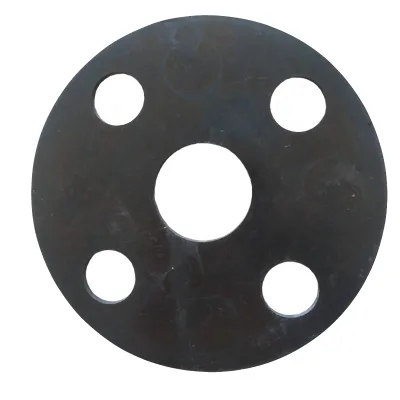
Sourcing Flat Nylon Rubber Gaskets requires a nuanced understanding of material diversity, as the market often blends distinct polymer families under broad descriptive terms. While the core keyword suggests a specific composite, actual listings frequently feature pure rubber compounds like EPDM, Nitrile (NBR), and Silicone, or organic silicone variants, rather than a true nylon-rubber hybrid. Buyers must verify the exact material composition in the product specification to ensure compatibility with the intended sealing environment, as the chemical resistance and temperature tolerances of these materials vary significantly.
The procurement landscape for these components is characterized by high customization capabilities, with suppliers offering tailored shapes, logos, and sizes to meet specific engineering drawings. This flexibility extends to cross-section profiles, which range from drum circles and mountain type circles to rectangle rings, allowing for precise fitment in stationary seal applications. Understanding that "flat" often refers to the gasket's general profile rather than a strict geometric constraint is essential when evaluating supplier catalogs and requesting quotes for non-standard geometries.
Product Scope and Observed Listing Signals
The observed market signals indicate a wide range of applications, spanning agricultural machinery, industrial components, medical devices, and household appliances. Listings frequently highlight features such as reusability, environmental friendliness, durability, and non-spill properties, which are critical for maintaining system integrity in dynamic environments. Buyers should note that while some products are marketed for vehicle and electronic product usage, others are specifically designed for general machinery and industrial components, necessitating a clear definition of the end-use context before selection.
Commercial signals reveal a highly flexible pricing and minimum order quantity (MOQ) structure, with observed price points ranging from $0.01 to $10 and MOQs varying from single units to 1,000 pieces. This variability suggests that the final cost is heavily dependent on the complexity of the customization, the specific material grade selected, and the order volume. Suppliers often list packaging options ranging from standard OPP bags to custom carton cases, indicating that logistics and protection requirements should be factored into the total landed cost calculation.
Technical Specifications to Verify
Material selection is the primary technical decision, as the supply chain offers distinct options including Organic Silicone, EPDM, Nitrile Rubber, and general Rubber compounds. Each material possesses unique properties; for instance, Nitrile Rubber is often cited for its resistance to oils and fuels in vehicle and industrial applications, while Silicone Rubber provides superior temperature stability. Buyers must explicitly confirm the material grade against their specific chemical exposure and temperature range requirements, as the generic term "rubber gasket" does not guarantee performance in all environments.
Dimensional and geometric specifications are equally critical, with suppliers offering standard and non-standard models that can be customized according to customer drawings. The cross-section shapes observed include drum circles, mountain type circles, and rectangle rings, all of which influence the sealing pressure and compression set characteristics. Verification of the standard model, such as AS568, BS1516, or C92, is necessary for interchangeability, while custom orders require precise confirmation of size, shape, and tolerance levels to ensure a proper fit within the assembly.
Compliance and Safety Documentation
Regulatory compliance is a key differentiator in the gasket market, with many suppliers providing certifications such as RoHS, REACH, FDA, and ISO. These certifications are particularly relevant for applications in medical, household, and food-related industrial sectors where chemical leaching or toxicity is a concern. Buyers should request specific test reports or certificates of conformity that align with the intended application, ensuring that the material meets the necessary safety thresholds for the target market, whether it be automotive, electronic, or general industrial use.
Storage life and environmental stability are also critical compliance factors, with some products explicitly stating a storage life of up to 10 years. This longevity claim should be verified against the supplier's recommended storage conditions to prevent premature degradation before installation. Additionally, the "Environmental" feature noted in product attributes suggests a focus on sustainability, but buyers should seek concrete data on recyclability or material composition to validate these claims against corporate sustainability goals.
Cost Drivers and Commercial Terms
The cost of Flat Nylon Rubber Gaskets is driven primarily by the degree of customization required, including shape, logo, size, and color. While standard items may be available at lower price points, the ability to customize all these attributes often incurs additional tooling or setup costs. The observed price range of $0.01 to $10 reflects this spectrum, where simple, off-the-shelf items sit at the lower end, and complex, multi-material, or color-coded custom parts command higher prices.
Lead times and packaging requirements significantly influence the commercial terms, with a standard lead time of 15 days observed for many customized orders. Packaging options vary from standard polybags and cartons to fully inclusive or customer-specific arrangements, which can impact shipping costs and handling efficiency. Buyers should clarify whether the quoted price includes the cost of custom packaging or if it is an additional line item, as this can affect the total budget for large-scale procurement projects.
Supplier Qualification and Quality Control
Supplier qualification should focus on the origin and manufacturing capabilities, with notable production hubs in Jiangsu and Hebei, China. These regions are known for their established rubber processing industries, but buyers must verify the specific factory's quality control processes rather than relying solely on regional reputation. The availability of OEM services for shape, logo, and size customization indicates a mature supply chain, but the buyer must ensure that the supplier has the technical capacity to maintain consistency across different production runs.
Quality control verification should include a review of the supplier's ability to adhere to specific standards, such as AS568 or custom drawings, and their process for handling non-standard requirements. The presence of various certifications like ISO, RoHS, and FDA suggests a commitment to quality, but buyers should request evidence of these certifications and inquire about their internal testing protocols. Ensuring that the supplier can consistently deliver products that meet the specified material and dimensional requirements is essential for maintaining long-term supply chain reliability.
Long-Term Procurement Checks
Establishing a long-term partnership requires regular audits of the supplier's ability to maintain material consistency and dimensional accuracy over time. Buyers should implement a system for periodic re-verification of material properties, such as the storage life and chemical resistance of the rubber compounds, to ensure they have not degraded due to changes in raw material sourcing or manufacturing processes. This proactive approach helps mitigate the risk of unexpected failures in the field, which can be costly and disruptive to operations.
Continuous monitoring of commercial terms and lead times is also vital for long-term procurement success, as market conditions and raw material costs can fluctuate. Buyers should negotiate contracts that allow for flexibility in order volumes while maintaining price stability, and they should regularly review the supplier's performance against agreed-upon lead times and quality metrics. By maintaining open communication and setting clear expectations for customization and delivery, buyers can secure a reliable supply of Flat Nylon Rubber Gaskets that meet their evolving operational needs.
FAQs
What materials are used for flat rubber gaskets?
Flat rubber gaskets are manufactured from various materials including organic silicone, EPDM, nitrile rubber, and HNBR. These materials are selected based on specific application requirements such as chemical resistance, temperature tolerance, and durability. Silicone options offer environmental friendliness and reusability, while nitrile rubber provides robust sealing for industrial components and vehicles.
Can flat rubber gaskets be customized for specific shapes?
Yes, customization is available for shape, logo, size, and color. Manufacturers can produce gaskets according to customer drawings or standard specifications like AS568, BS1516, and C92. Options include round flat gaskets, rectangle rings, and drum circle cross-sections, allowing for precise fitting in household appliances, electronics, and machinery.
What certifications do these rubber gaskets hold?
These products typically hold RoHS, REACH, FDA, and ISO certifications. These standards ensure compliance with safety and environmental regulations for use in medical, agricultural, and household applications. The materials are tested to meet specific industry requirements, ensuring reliability and safety for sealing and fixture effects in various industrial and electronic contexts.
What is the typical lead time for custom orders?
The standard lead time for customized rubber gasket orders is approximately 15 days. This timeframe allows for the production of non-standard sizes and shapes according to specific customer requirements. Packaging can be arranged in polybags, cartons, or customized OPP bags to meet logistical needs and protect the durable, non-spill products during transit.
Where are these rubber gaskets manufactured?
These products are primarily manufactured in China, with specific origins noted in Jiangsu and Hebei provinces. Suppliers offer both standard and non-standard models, with MOQs ranging from 1 to 1000 units. The production facilities support various applications including vehicle, industrial, and electronic product sealing, ensuring consistent quality and availability for global sourcing needs.