Source Flat Packing Jewelry Display Stand for Stores
Compare 30 Flat Packing Jewelry Display Stand options from verified suppliers in China. These stands feature customizable sizes, metal construction, and designs suitable for indoor and outdoor retail environments including supermarkets and specialty stores; compare the available evidence and request quotations based on your requirements.
Key considerations
Products List


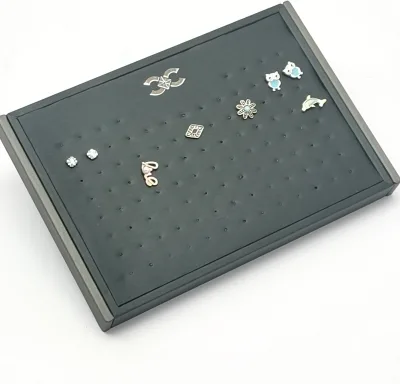


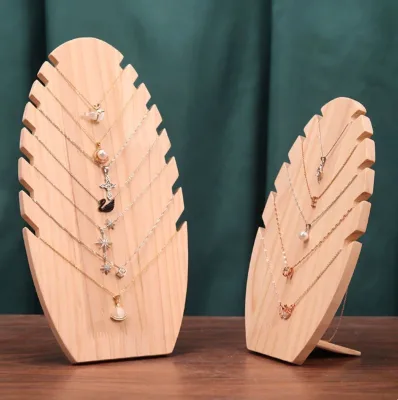


Modern Glass Display Compact Wide Modular Spacious Jewelry Display Stand
$180.00 - $280.00
MOQ: 5 Sets


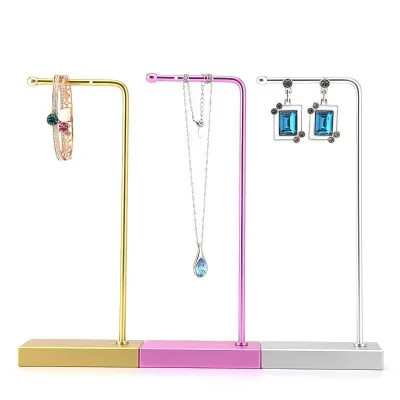


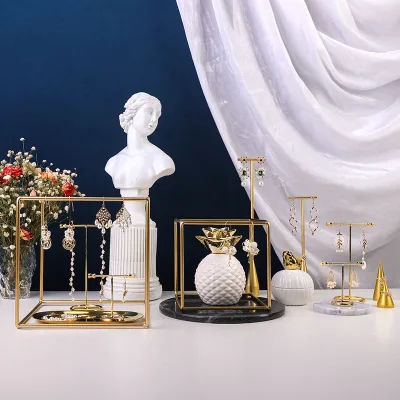


Comprehensive Sourcing Guide
Flat Packing Jewelry Display Stand Sourcing Guide
Procuring flat packing jewelry display stands requires careful attention to the specific configuration of the product, as the market offers both unfolded and folded variants that serve different logistical needs. Buyers must verify whether the unit arrives fully assembled or in a compact state, as this decision directly impacts shipping volume and on-site setup time. The observed listings indicate that while some models are designed as floor-type stands, others function as L-stands, necessitating a clear definition of the intended display environment before placing an order.
The material composition is another critical factor, with metal being the predominant choice for durability and aesthetic appeal in retail settings. Sourcing agents should confirm that the selected metal construction aligns with the specific weight-bearing requirements of the jewelry items to be displayed. Additionally, the availability of customized logos and design artwork allows retailers to brand the stand effectively, ensuring that the visual identity of the store is maintained while the product remains functional and robust for daily use.
Product Scope and Observed Listing Signals
The product scope for flat packing jewelry displays is diverse, ranging from simple single-tier units to complex multi-layer structures designed for high-density retail environments. Buyers should note that while some units are explicitly marked as unfolded, others are engineered to be folded for efficient transport, a feature that is particularly valuable for stores with limited storage space. The observed data suggests that these stands are versatile enough to be used in both indoor and outdoor settings, provided the specific model selected meets the environmental demands of the location.
Commercial listings often highlight specific features such as waterproofing and locking mechanisms, which are essential for protecting valuable inventory from theft and weather elements. The usage scenarios extend beyond standard supermarkets to include specialty stores and exhibition shows, indicating that the design must be adaptable to various display contexts. Buyers must carefully review the product model numbers, such as NCT-403 or AD-81, to ensure the specific dimensions and structural integrity match the intended application without over-specifying or under-specifying the equipment.
Technical Specifications to Verify
When evaluating technical specifications, the size of the display stand is a primary variable that requires precise verification against the available space in the retail area. While many suppliers offer customized sizes, buyers must confirm the exact dimensions, such as the 14.1x17.7x61.4-inch specification observed in certain models, to ensure a proper fit. The build method, whether it utilizes a connect system or a truss structure, significantly influences the stability and assembly process, making it a crucial detail to validate before finalizing the purchase order.
Packaging standards are equally important to prevent damage during transit, with observed listings specifying bubble bag foam pads and five-layer master cartons for protection. Buyers should verify that the packaging method, such as the white box or bubble bag combinations, is sufficient to protect the metal components from scratches and dents. Furthermore, the color options available, including standard white or custom colors, must be confirmed to ensure they align with the store's interior design scheme and branding guidelines.
Compliance and Safety Documentation
Compliance documentation is a non-negotiable aspect of sourcing metal display stands, as retailers must ensure their equipment meets local safety and quality standards. The observed listings frequently cite certifications such as SGS and ISO9001, which serve as indicators of a supplier's commitment to quality management systems. Buyers should request current certificates to verify that the manufacturing processes adhere to these recognized international standards, thereby reducing the risk of product failure or safety incidents in the store.
In addition to general quality certifications, specific product standards like BV and SGS should be reviewed to confirm the material integrity and structural safety of the display units. While some background information mentions FSC or ROHS, these should not be assumed without explicit confirmation from the supplier. It is essential to obtain documented proof of compliance for the specific batch of goods being purchased, ensuring that the metal components and any finishing processes do not contain hazardous substances that could violate local regulations.
Cost Drivers and Commercial Terms
The cost of flat packing jewelry display stands is influenced by several factors, including the complexity of the design, the customization level, and the specific material grade used. Buyers should anticipate that customized sizes and logos will incur additional costs compared to standard off-the-shelf models. The observed price range is broad, reflecting the variability in production methods and the extent of customization required, so detailed quotes are necessary to understand the true cost structure.
Commercial terms such as the minimum order quantity (MOQ) and delivery lead times are critical for supply chain planning. The observed MOQ ranges from 1 to 1000 units, offering flexibility for both small boutiques and large retail chains. Lead times can vary significantly, with sample delivery taking 2 to 15 days and bulk production potentially requiring 35 to 45 days. Buyers must align their inventory planning with these timelines and clarify the FOB port, such as Ningbo, to accurately calculate total landed costs.
Supplier Qualification and Quality Control
Supplier qualification involves verifying the origin and manufacturing capabilities of the vendor to ensure consistent product quality. The observed data indicates that many suppliers are based in Xiamen or Ningbo, China, regions known for their manufacturing expertise in metal products. Buyers should confirm the supplier's ability to handle OEM and custom orders, as well as their experience with specific display models like the TN204 or 711457, to ensure they can meet unique design requirements.
Quality control measures should be established early in the procurement process to prevent defects and ensure the final product meets expectations. Suppliers offering handmade features or specific design services should be evaluated on their ability to maintain consistency across large production runs. It is advisable to request pre-shipment inspections or third-party quality reports to verify that the finished stands match the approved samples and specifications, particularly regarding the folding mechanism and structural stability.
Long-Term Procurement Checks
Long-term procurement success depends on establishing a reliable relationship with suppliers who can consistently deliver high-quality products over time. Buyers should monitor the supplier's ability to maintain the observed certifications and standards, such as ISO9001, throughout the duration of the contract. Regular audits or reviews of the manufacturing process can help identify potential issues before they impact the supply chain, ensuring that the display stands remain safe and functional for years of use.
Continuous communication regarding design updates and market trends is essential for adapting the product line to changing retail needs. Suppliers that offer design and drawing artwork services can be valuable partners in evolving the display strategy to enhance customer engagement. By maintaining a proactive approach to supplier management, buyers can ensure that their flat packing jewelry display stands continue to meet the evolving demands of the market while maintaining high standards of quality and safety.
FAQs
Can flat packing jewelry display stands be customized with a logo?
Yes, customized logos are available for these metal display stands. Buyers can provide design artwork or drawings for the manufacturer to implement. This customization allows brands to maintain visual consistency across their retail environments. The stands are typically made of metal and can be tailored to specific branding requirements.
What certifications do these jewelry display stands typically hold?
These stands often hold SGS and ISO9001 certifications. Some listings may also reference ISO9001-2000 standards. These certifications indicate adherence to quality management systems. Buyers should verify specific certificate validity with the supplier before placing large orders to ensure compliance with their internal procurement standards.
What is the typical lead time for these display stands?
The delivery time is generally 35-45 days for production. Sample lead times range from 2-15 days depending on complexity. These timelines apply to customized orders. Buyers should account for shipping duration from ports like Ningbo or Xiamen when planning inventory replenishment for their retail stores or exhibitions.
How are these stands packaged for shipping?
Packaging typically includes a bubble bag with a foam pad inside a five-layer master carton. Some variants use a white box with a bubble bag. This sturdy packaging protects the unfolded metal structure during transit. Proper packing ensures the stands arrive in pristine condition for immediate setup in supermarkets or specialty stores.
Are these stands suitable for outdoor jewelry display?
Yes, certain models are designed for outdoor display places. These stands may feature waterproof properties and locks for security. They are suitable for exhibitions and specialty stores in open environments. Buyers should confirm specific weather-resistant features with the manufacturer to ensure durability against outdoor elements.
What is the minimum order quantity for these stands?
The observed MOQ range is 1-1000 units. This flexibility allows small businesses to test products or large retailers to bulk order. Customization options may influence the exact MOQ. Buyers should negotiate directly with suppliers to determine the most suitable quantity for their specific budget and storage capacity.