Source 12V 24V Solar Compact Fridge for RVs, Hotels, and Outdoors
Compare 30 models of 12V 24V Solar Compact Fridge units featuring single or double temperatures, manual or auto defrost, and capacities from 60 to 270 liters. These solar-powered appliances are designed for use in RVs, hotels, and outdoor commercial settings with DC voltage inputs.
Key considerations
Products List


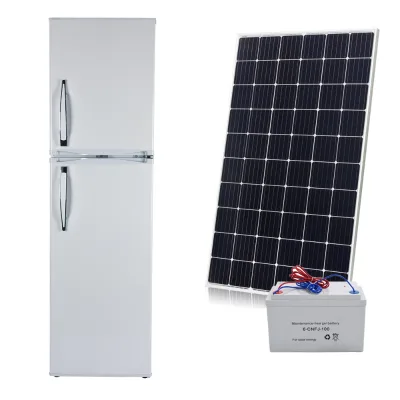
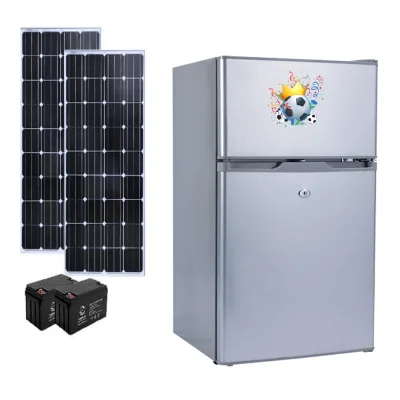
100L 150L 200L Solar AC/DC Refrigerator Freezer 12V / 24V Solar Fridge
$200.00 - $250.00
MOQ: 1 Pieces


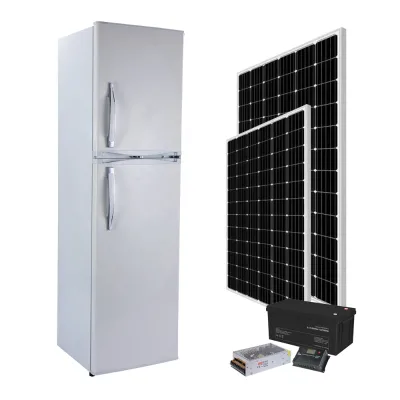
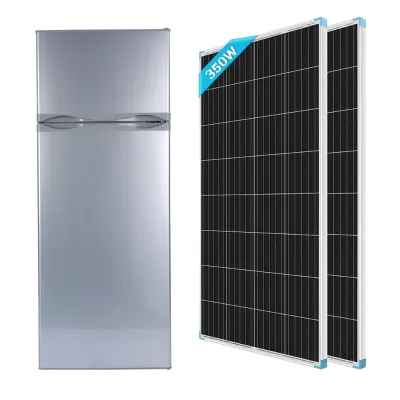
High Quality Combined Top Freezer Solar 12V 24V DC Refrigerator Fridge 95L
$200.00 - $250.00
MOQ: 1 Pieces


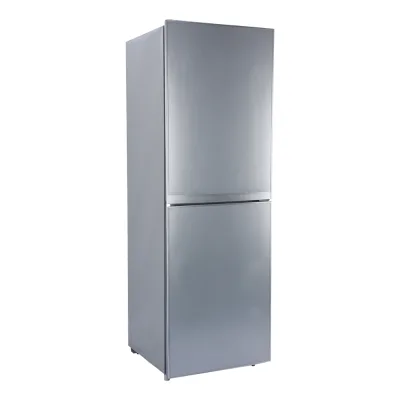
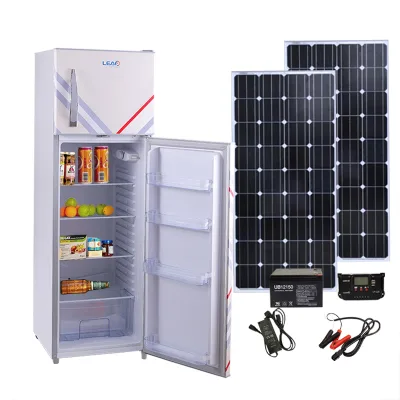
Top Freezer Bottom Fridge off-Grid Cooling Solution Solar DC 12V 24V Fridge Refrigerator
$160.00 - $347.00
MOQ: 1 Pieces

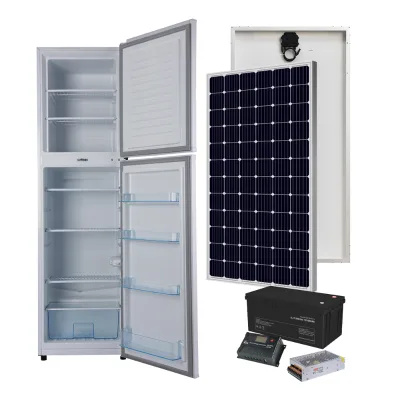
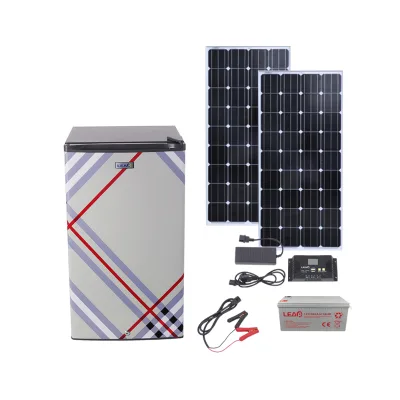
DC12V/24V Double Door Solar Refrigerator Fridge 98L-270L for Home or Office
$160.00 - $347.00
MOQ: 1 Pieces


Comprehensive Sourcing Guide
12V 24V Solar Compact Fridge Sourcing Guide
Sourcing 12v 24v solar compact fridges requires a nuanced understanding of how power architecture intersects with thermal performance in off-grid or mobile environments. These units are engineered to operate on direct current (DC) inputs, typically 12V or 24V, making them ideal for integration with solar battery systems, vehicle electrical networks, or marine power grids. Unlike standard household appliances that rely on alternating current (AC) and complex inverters, these DC-driven compressors offer higher energy efficiency by eliminating conversion losses. Buyers must recognize that "solar" in this context refers to the power source compatibility rather than an integrated photovoltaic panel; the fridge itself is a load that must be matched to the capacity of the solar array and battery bank.
The procurement landscape for these devices is diverse, ranging from single-door portable coolers to multi-compartment freezers designed for commercial or residential use. The observed market includes models with varying capacities, from compact 60-200L units to larger 200-300L configurations, each presenting different thermal mass and power draw characteristics. A critical distinction in this category is the temperature type; some units offer single-temperature zones suitable for refrigeration only, while others provide double-temperature capabilities, allowing for simultaneous refrigeration and freezing. This distinction directly impacts the compressor’s workload and the required solar infrastructure, necessitating precise alignment between the buyer’s cooling needs and the supplier’s technical specifications.
Product Scope and Observed Listing Signals
The current market listings reveal a wide spectrum of product configurations, primarily characterized by their door type, internal layout, and total volume. Observed models include top-freezer designs like the BCD-198, which offers a 198L capacity with double doors, and bottom-freezer variants such as the BCD-270, which provides 270L of space. Single-door options, such as the BCD-128 and BCD-142, cater to users requiring minimal footprint and portability, while French door models like the BCD-218 offer premium aesthetics and stainless steel construction. Buyers should note that capacity ranges observed in listings span from 60-200L to 200-300L, indicating that "compact" is a relative term in this category, often referring to vertical height or width rather than total internal volume.
Installation and physical dimensions are critical signals for integration into specific environments, such as RVs, boats, or hotel rooms. The BCD-198, for instance, measures 5205501515mm and weighs 42kg net, suggesting a freestanding or semi-portable installation suitable for fixed locations with adequate floor space. In contrast, the BCD-128 is smaller at 4804901265mm and weighs 32kg, aligning with mini/portable installation types. The material composition also varies significantly, with some models featuring durable stainless steel exteriors for commercial durability, while others utilize plastic housings for cost efficiency and weight reduction. These physical attributes dictate not only the shipping logistics but also the aesthetic integration into the end-user’s environment.
Technical Specifications to Verify
Voltage compatibility is the most critical technical parameter, as these units are designed for DC 12V/24V input systems. Buyers must verify that the specific model’s voltage requirements match their power source, as mismatching can lead to compressor failure or inefficient operation. The observed specifications confirm DC input capabilities, but the exact amperage draw at various temperature settings is not always explicitly listed in standard catalogs. It is essential to request detailed power consumption data, particularly the running watts and startup surge requirements, to ensure the solar battery bank can handle the initial compressor load without tripping protection circuits.
Temperature range and defrost mechanisms are equally vital for determining the unit’s suitability for specific goods. Most observed models maintain a refrigerator zone between 0-10°C and a freezer zone at or below -18°C. However, the defrost type varies; some units feature manual defrost, which requires periodic user intervention to remove ice buildup, while others offer auto defrost for maintenance-free operation. The BCD-270, for example, is noted for auto defrost, which is advantageous for commercial or high-use applications but may consume additional energy. Buyers should also verify the climate type rating, such as ST (Subtropical) or N (Normal), as this indicates the ambient temperature range in which the compressor can effectively dissipate heat and maintain internal temperatures.
Compliance and Safety Documentation
Certification requirements vary by destination market, but CE and SASO are commonly observed certifications for these DC solar fridges. The CE mark indicates conformity with health, safety, and environmental protection standards for products sold within the European Economic Area, while SASO is the mandatory certification for products entering Saudi Arabia. Buyers must ensure that the supplier provides valid, up-to-date certificates for the specific model being ordered, as certifications are often model-specific and may not cover all variations in the product line. Additionally, electrical safety standards for DC appliances may differ from AC standards, so verifying compliance with relevant IEC or EN standards for low-voltage equipment is prudent.
Battery standards and electrical safety are also key areas of documentation. Some listings reference maintenance-free lead-acid battery compatibility, which implies the fridge’s power management system is designed to work with specific battery chemistries without causing deep discharge damage. Buyers should request documentation on the fridge’s low-voltage protection features, which automatically shut off the unit when the battery voltage drops below a safe threshold. This feature is crucial for preserving battery life in solar applications. Furthermore, material safety data sheets (MSDS) for refrigerants and exterior materials should be available to ensure compliance with environmental regulations regarding refrigerant leakage and material toxicity.
Cost Drivers and Commercial Terms
The price range for these units, observed between $100 and $1260, is driven by factors such as capacity, material quality, and feature set. Higher-priced models typically feature stainless steel construction, auto defrost, and larger capacities, while lower-priced options may use plastic housings and manual defrost. The minimum order quantity (MOQ) ranges from 1 to 114 units, indicating flexibility for both sample testing and bulk procurement. Buyers should be aware that pricing often excludes shipping and import duties, which can significantly impact the total landed cost, especially for heavy items like the 47kg gross weight BCD-198.
Packing and logistics details are essential for accurate cost calculation. The standard packing is carton packaging, with dimensions varying by model; for example, the BCD-198 carton measures 5606001550mm. These dimensions affect container loading efficiency and freight costs. Buyers should verify if the supplier offers palletized shipping for bulk orders to reduce handling damage. Additionally, lead times and production capacity should be clarified, as customizations or specific certifications may extend manufacturing schedules. Understanding the total cost of ownership, including energy consumption and maintenance requirements, is crucial for evaluating the true value of each model beyond the initial purchase price.
Supplier Qualification and Quality Control
Supplier qualification should focus on manufacturing capabilities and quality assurance processes. Buyers should verify if the supplier has experience in producing DC compressor fridges, as this requires specialized knowledge in electrical integration and thermal management. Requesting factory audit reports or third-party quality inspections can provide insight into the supplier’s production standards. It is also important to confirm the supplier’s ability to provide consistent product quality, particularly regarding the performance of the compressor and the integrity of the insulation materials.
Quality control checks should include pre-shipment inspections to verify physical dimensions, weight, and functional performance. Buyers should specify acceptance criteria for temperature stability, noise levels, and electrical safety in their purchase agreements. For models with auto defrost, testing the defrost cycle functionality is essential. Additionally, verifying the accuracy of labeling and documentation, including voltage ratings and certification marks, is critical to avoid customs clearance issues. Establishing a clear communication channel for addressing defects or performance issues post-delivery is also a key component of supplier qualification.
Long-Term Procurement Checks
Long-term procurement success depends on the availability of spare parts and after-sales support. Buyers should inquire about the availability of replacement compressors, control boards, and door seals, as these components may wear out over time. Suppliers with a robust parts inventory can reduce downtime and extend the lifespan of the fleet. Additionally, understanding the warranty terms and the process for claiming warranty service is crucial, especially for international buyers who may face logistical challenges in returning defective units.
Energy efficiency and durability over time are also key considerations. Buyers should monitor the performance of the units in real-world conditions to ensure they maintain their cooling capacity and energy efficiency ratings. Regular maintenance, such as cleaning condenser coils and checking door seals, can significantly impact long-term performance. For solar applications, periodically reviewing the battery health and solar array output is necessary to ensure the power system continues to meet the fridge’s demands. Establishing a routine for these checks can prevent unexpected failures and optimize the operational efficiency of the procurement investment.
FAQs
What voltage options are available for these solar fridges?
These units operate on DC 12V or 24V input voltage to support solar power systems. This direct current compatibility ensures reliable performance in off-grid locations like RVs or remote hotels without needing complex inverters.
Which certifications do these solar refrigerators hold?
The products carry CE and SASO certifications to meet international safety and quality standards. These credentials verify that the manufacturing processes and electrical components comply with required regulations for export and local use.
Can I customize the capacity and size of the fridge?
Customization is available for various capacity ranges from 60 to 300 liters depending on the model. Buyers can select specific dimensions like 520*550*1515mm or 563*620*1682mm to fit their specific storage needs.
How does the defrost system work on these units?
Defrost types vary between manual and auto defrost systems depending on the specific model selected. Some units feature manual defrost for simplicity while others offer auto defrost for convenience in commercial or household applications.
What temperature ranges can the freezer and fridge compartments reach?
The fridge compartment maintains temperatures between 0 to 10 degrees Celsius while the freezer reaches below -18 degrees Celsius. This dual-temperature capability ensures safe storage for both fresh produce and frozen goods simultaneously.
What installation types are supported for these compact fridges?
Installation options include mini portable, free-standing, and top-freezer or bottom-freezer configurations. These versatile designs allow for flexible placement in RVs, hotels, or commercial kitchens without requiring permanent built-in fixtures.