Source Flush Mount Iron Ceiling Lamp with Touch Switch for hotel, living room, and office
Compare 30 Flush Mount Iron Ceiling Lamp with Touch Switch options from verified suppliers. This selection features modern designs with iron and crystal materials, suitable for hotels, living rooms, and offices, offering customizable sizes and various voltage ratings.
Key considerations
Products List
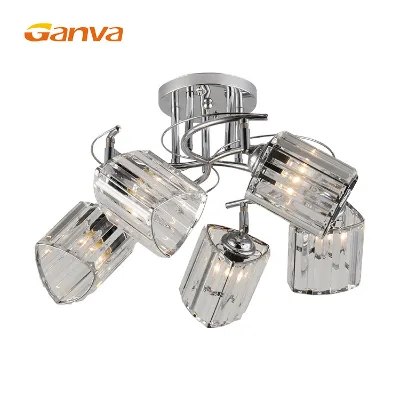


Energy Saving European LED Ceiling Light / Flat Panel Ceiling Flush Mount LED Lamp
$29.50 - $49.90
MOQ: 50 Pieces

4-Light Square Ceiling Flush Mount Light / 2019 Best Selling Chrome LED Ceiling Light
$25.60 - $36.50
MOQ: 50 Pieces


Contemporary Crystal Beads Flush-Mount Ceiling Lamp for Decoration Ceiling Light
$599.00 - $1500.00
MOQ: 2 Pieces

Modern Flush Mount Lights Crystal Ceiling Chandelier Rhys Flushmount Fixtures
$100.00 - $500.00
MOQ: 2 Pieces


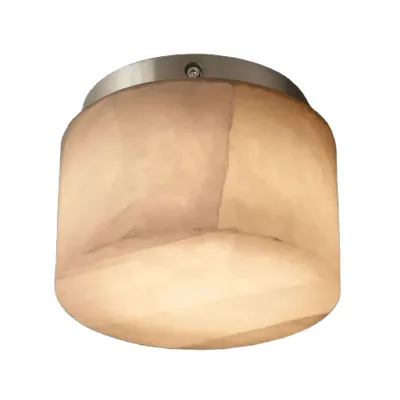
Ceiling Lamp round Flushmount with E26 Base Available in Middle Sizes
$120.00 - $180.00
MOQ: 10 Minimum


Comprehensive Sourcing Guide
Strategic Sourcing Guide for Flush Mount Iron Ceiling Lamps with Touch Switches
The global B2B market for lighting fixtures has seen a significant shift toward integrated smart controls and durable, aesthetically pleasing materials. For procurement professionals specifically targeting flush mount iron ceiling lamps equipped with touch switches, the sourcing landscape requires a nuanced understanding of material integrity, electrical compliance, and the specific integration of touch-sensitive technology. This guide provides a disciplined framework for evaluating suppliers and products, ensuring that the final procurement aligns with technical requirements and long-term operational goals. The focus remains on verifying facts against observed market data rather than relying on unverified marketing claims.
Technical Specifications and Material Integrity
When sourcing flush mount iron ceiling lamps, the primary consideration is the structural composition and the specific lighting configuration. The core material for the frame is typically iron, often finished with a chrome plating to ensure resistance to corrosion and a modern aesthetic. This is distinct from aluminum or plastic alternatives, as iron provides superior weight and stability, which is critical for ceiling-mounted applications where safety is paramount. The observed market data indicates that products often feature a combination of iron and crystal or glass cover materials. The crystal or glass element serves both decorative and functional purposes, diffusing light to create a softer ambiance suitable for residential and commercial spaces.
The electrical configuration is equally critical. While the core keyword specifies a touch switch, the underlying light source technology varies. Market observations show a mix of E27 base sockets designed for incandescent or LED bulbs, as well as integrated LED solutions. Buyers must verify the specific wattage and luminous efficiency. For instance, some observed specifications list a maximum power of 60W per socket, while others indicate integrated LED systems with a luminous efficiency of approximately 100 lm/w. The color temperature is predominantly white, with a Color Rendering Index (Ra) of 80 being a common baseline. This Ra value is sufficient for general illumination but may require verification for high-end retail or hospitality applications where color accuracy is more critical.
The physical dimensions of the fixture are another variable. While some products offer standard sizes like 500*200mm, many suppliers provide custom dimensions to fit specific architectural constraints. The installation style is strictly surface-mounted or flush-mounted, designed to sit close to the ceiling plane. This design minimizes the drop distance, making it ideal for rooms with lower ceiling heights. The beam angle is often observed around 60°, providing a focused yet wide enough spread for general lighting. Buyers should confirm whether the touch switch is integrated into the fixture body or requires a separate wall module, as this impacts the wiring complexity and the overall aesthetic finish.
Compliance, Certification, and Safety Standards
Navigating the regulatory landscape is a non-negotiable aspect of B2B procurement. Lighting products must adhere to strict safety and environmental standards to be legally sold in target markets. The observed data highlights several key certifications that buyers should demand from suppliers. These include CE (Conformité Européenne), which is essential for entry into the European market, and RoHS (Restriction of Hazardous Substances), which ensures the product does not contain specific hazardous materials. Additionally, some listings reference ISO standards and VDE (Verband der Elektrotechnik), indicating compliance with German electrical safety norms, which are often considered a benchmark for quality.
For markets in Asia, specifically India, the BIS (Bureau of Indian Standards) certification is a mandatory requirement. The presence of BIS certification in the observed data suggests that some suppliers are already prepared for this specific regulatory hurdle. However, buyers must not assume that a single product listing satisfies all regional requirements. The certification status must be verified on a per-shipment basis, as regulatory updates can occur frequently. The IP rating is another critical safety metric. While some observed products list an IP20 rating, this indicates protection against solid objects larger than 12.5mm but no protection against water. This is suitable for dry indoor environments like living rooms and offices but would be insufficient for bathrooms or kitchens unless a higher IP rating is explicitly confirmed.
The warranty period observed in the market is typically two years. This serves as a baseline indicator of the manufacturer's confidence in their product's longevity. However, a warranty is only as good as the supplier's ability to honor it. Buyers should ensure that the warranty terms clearly define the scope of coverage, including whether it covers the touch switch mechanism, the iron frame, and the light source separately. The working temperature range of -20°C to 60°C is a standard specification that ensures the fixture can operate in various climates, but extreme conditions may require additional testing data to confirm performance stability.
Cost Drivers and Pricing Dynamics
Understanding the cost structure of flush mount iron ceiling lamps is essential for effective budget management. The price range observed in the market is vast, spanning from $0.25 to $1500 USD. This extreme variance is not indicative of a single product type but rather reflects differences in material quality, design complexity, and order volume. The lower end of the spectrum typically corresponds to basic iron fixtures with standard finishes and simple touch mechanisms, often sold in high volumes. The upper end includes custom-designed units with premium crystal elements, advanced dimming capabilities, and specialized finishes.
The Minimum Order Quantity (MOQ) is a significant factor influencing the unit cost. Observed MOQs range from 1 to 1000 units. Suppliers with lower MOQs often charge a premium per unit to cover setup and handling costs. Conversely, bulk orders of 1000 units or more can significantly reduce the per-unit price, making them ideal for large-scale commercial projects. Buyers should also consider the customization costs. While customization is available for dimensions and finishes, it invariably adds to the lead time and unit price. The "Other" designation for lamp sizes and model numbers suggests that many suppliers operate on a made-to-order basis, which can introduce variability in pricing that is not immediately apparent in standard catalogs.
Labor and manufacturing location also play a role in cost. The majority of observed products originate from Guangdong and Zhongshan, China, regions known for their established lighting manufacturing clusters. The proximity to raw material suppliers and the concentration of specialized labor in these areas help keep production costs competitive. However, buyers must factor in logistics, import duties, and potential currency fluctuations when calculating the total landed cost. The selling unit is typically listed as a single item, but bulk packaging options like standard export carton boxes are available to reduce shipping costs for large orders.
Typical Applications and Design Integration
The application of flush mount iron ceiling lamps with touch switches is diverse, ranging from residential to commercial environments. The observed data lists "Living Room" as a primary application, but the design style—often described as modern, modern simplism, or contemporary—makes these fixtures versatile for bedrooms, hallways, and hotel lobbies. The combination of iron and crystal or glass materials provides a balance of industrial durability and elegant aesthetics, allowing them to blend seamlessly into various interior design schemes.
In hospitality settings, such as hotels, the touch switch feature offers a user-friendly experience for guests who may prefer a silent, contactless method of controlling lighting. The "Lighting And Circuitry Design" service offered by some suppliers indicates that these products can be part of a larger, integrated lighting solution. This is particularly relevant for large commercial projects where the lighting design must coordinate with the building's overall electrical infrastructure. The working lifetime of 30,000 to 50,000 hours suggests that these fixtures are designed for long-term use, reducing the frequency of maintenance and replacement, which is a key consideration for facility managers.
The shape of the fixture, whether round or square, also influences its suitability for different spaces. Round fixtures are often preferred for open-plan areas to create a sense of flow, while square fixtures can better define zones in rectangular rooms. The beam angle of 60° is generally suitable for general illumination, but for task lighting or accent lighting, buyers may need to verify if the touch switch allows for adjustable beam angles or if the fixture is compatible with directional bulbs. The "With Light Source" attribute indicates that some units come with integrated LEDs, simplifying installation, while others require separate bulb purchases, offering flexibility for future upgrades.
Supplier Evaluation and Quality Assurance
Selecting the right supplier is perhaps the most critical step in the procurement process. Buyers should prioritize suppliers who demonstrate transparency in their manufacturing processes and provide verifiable documentation for their certifications. The presence of OEM and ODM capabilities suggests that the supplier can accommodate custom branding and design modifications, which is valuable for buyers looking to create a unique product line. However, the availability of these services does not guarantee quality; therefore, a rigorous evaluation of the supplier's track record is necessary.
Quality control should be a collaborative effort between the buyer and the supplier. Given the wide range of observed specifications, buyers must establish clear quality benchmarks before placing an order. This includes verifying the thickness of the iron frame, the quality of the chrome plating, and the durability of the touch switch mechanism. The touch switch, in particular, is a point of failure that requires careful testing. Buyers should request sample units to test the sensitivity and longevity of the touch interface under various conditions. Additionally, the packaging must be robust enough to prevent damage during transit, especially for fragile components like crystal or glass covers.
The warranty terms should be scrutinized for clarity and enforceability. A two-year warranty is standard, but buyers should ensure that the terms cover the specific components that are most prone to failure, such as the electronic driver for integrated LED units or the touch sensor. The supplier's response time to warranty claims and their ability to provide replacement parts are also important factors. Buyers should also consider the supplier's location and logistics capabilities. While most suppliers are based in Guangdong, the ability to ship internationally and handle customs documentation efficiently can significantly impact the overall procurement timeline.
Long-Term Procurement Considerations and Future-Proofing
Procuring flush mount iron ceiling lamps is not just a one-time transaction but a strategic decision that impacts long-term operational costs and customer satisfaction. The rapid evolution of lighting technology means that buyers should consider the future-proofing of their investments. While the current market offers a mix of E27 sockets and integrated LEDs, the trend is moving toward fully integrated, smart-ready solutions. Buyers should evaluate whether the touch switch can be upgraded to support smart home integration or if the fixture is compatible with future control systems.
Sustainability is another growing concern in the lighting industry. The use of iron and crystal materials is generally environmentally friendly, but the energy efficiency of the light source is crucial. Buyers should prioritize products with high luminous efficiency and long lifespans to reduce energy consumption and waste. The observed working lifetime of up to 50,000 hours is a strong indicator of a product's sustainability profile. Additionally, the availability of recycling programs for end-of-life fixtures should be discussed with suppliers to ensure compliance with environmental regulations.
Finally, buyers should maintain a flexible approach to their procurement strategy. The market is dynamic, with new designs and technologies emerging regularly. Building a strong relationship with a reliable supplier can provide access to early insights into market trends and new product developments. This partnership can help buyers stay ahead of the curve and adapt their product offerings to meet changing consumer demands. By focusing on technical specifications, compliance, cost drivers, and long-term value, buyers can make informed decisions that ensure the success of their lighting projects.
FAQs
What certifications are required for this lamp?
The product typically holds CE, RoHS, and BIS certifications for international compliance. Some listings also reference ISO and VDE standards, but buyers must verify specific shipment documentation for each target market before ordering.
Can I customize the size of the fixture?
Yes, customization is available for dimensions and finishes to meet specific architectural needs. While standard sizes like 500 by 200mm exist, many suppliers operate on a made-to-order basis for custom requirements.
How long is the working lifetime of the light?
The working lifetime ranges from 30,000 to 50,000 hours depending on the specific model configuration. This extended lifespan reduces maintenance frequency, making it suitable for both residential and commercial applications.
What is the minimum order quantity for purchase?
The minimum order quantity varies from 1 to 1000 units depending on the supplier and customization level. Lower MOQs often carry higher unit costs, while bulk orders can significantly reduce the price per item.
Where are these lamps manufactured?
Products originate from manufacturing clusters in Guangdong and Zhongshan, China. These regions offer established supply chains for iron and crystal materials, helping to keep production costs competitive for international buyers.
What material is used for the frame and cover?
The frame is constructed from iron, often finished with chrome plating for durability and aesthetics. The cover material is typically crystal or glass, which diffuses light to create a softer ambiance in living rooms.
Does the lamp come with a warranty?
A standard two-year warranty is typically provided by manufacturers for these fixtures. Buyers should confirm that the warranty terms explicitly cover the touch switch mechanism and the integrated light source components.