Source Fluorescent Orange PVC Flagging Tape for Safety
Find 30 listings for Fluorescent Orange PVC Flagging Tape suitable for industrial safety warnings. Compare customizable roll styles, corrosion-resistant features, and various model specifications from suppliers in China to identify the best fit for your project needs; compare the available evidence and request quotations based on your requirements.
Key considerations
Products List


Survey Measure Marking Flagging Tape High Visibility PVC Pink Transparent
$0.40 - $0.60
MOQ: 200 rolls


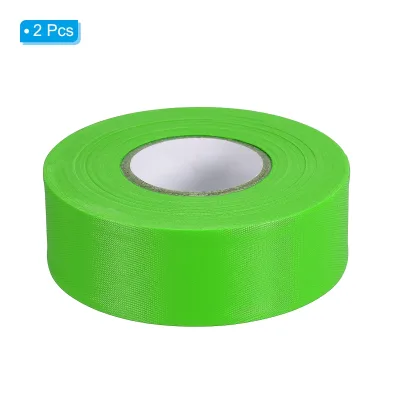
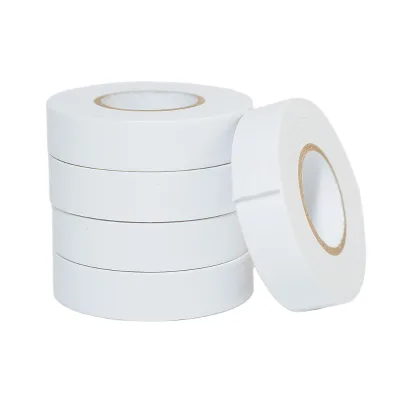
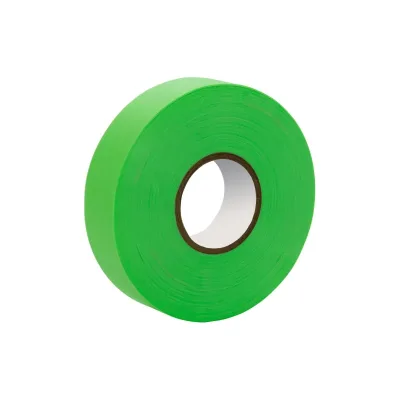


Customized Logo Durable Waterproof Colorful Warning Flagging Tape
$0.20 - $3.00
MOQ: 5000 Square Meters

$0.20 - $3.00
MOQ: 5000 Square Meters

Customized Logo Durable Waterproof Sigle Color Warning Flagging Tape
$0.20 - $3.00
MOQ: 5000 Square Meters


Comprehensive Sourcing Guide
Fluorescent Orange PVC Flagging Tape Sourcing Guide
Fluorescent Orange PVC Flagging Tape is a lightweight, disposable marking product used across construction, forestry, surveying, utility locating, and event management to draw attention to boundaries, hazards, and reference points. Buyers sourcing this product typically seek a balance of high visibility, tear resistance, and low unit cost, since the tape is consumed in large volumes and replaced frequently. The supplied category data reflects this profile: listed products are generally PVC-based, disposable, and priced in a very low per-unit range, with minimum order quantities spanning from small trial orders to tens of thousands of units. This makes the category accessible to both first-time buyers testing a market and distributors placing recurring bulk orders.
This guide is written for procurement teams, distributors, and safety-product resellers evaluating suppliers of fluorescent caution tape, including reflective and fluorescent variants. The observed listings emphasize customization, with manufacturers offering custom printing, sizing, and packaging under models such as SP0021, SP0030, SP-FT-1-20, CT94, and the S-series. Rather than recommending any specific supplier, this guide organizes the decisions you must make—technical verification, documentation, cost analysis, and long-term quality control—so you can compare quotes on equal footing and avoid the most common failures in low-value, high-volume tape sourcing.
Product Scope and Observed Listing Signals
The observed listings sit within a clear product family: PVC-based caution tape in roll style, offered as both reflective caution tape and fluorescent caution tape, with yellow-and-black as a commonly listed color combination alongside fluorescent orange options. Frequency of use is listed as disposable for most items, though some listings note reuse, which typically reflects heavier-gauge material or larger roll formats. Model numbers such as SP0021, SP0030, SP0035, SP-RP, SP-FT-1-20, CT94, S461, S537, S164, and S542 suggest a catalog covering multiple tape types rather than a single SKU, so buyers should confirm which model corresponds to Fluorescent Orange PVC Flagging Tape specifically.
Several listing signals deserve attention. Most listings originate from Shandong and Qingdao, China, a established manufacturing base for plastic film and tape products. Customization is explicitly available across the observed range, including printing options (DOT patterns, stripes, and words), colors up to ten, and customized sizes. Certificates noted include ISO and ISO9001, and samples are listed as available. Packing is described as rolls with shrink wrapping packed in cartons, cartons on pallets, or polybag plus carton, and production time is listed at approximately 20 days—signals that indicate production-line capability rather than trading intermediaries, though this should be verified directly.
Technical Specifications to Verify
Because flagging tape failures usually trace back to film quality, your specification sheet should fix three parameters before requesting quotes. First, thickness: one observed listing cites a 0.08mm film with 11mm width and 50m length as a standard format, but flagging tape widths and roll lengths vary widely, and the same listings state "size customized" or "accept customized." Confirm the exact thickness, width, and roll length you need in writing, since thinner film reduces cost but tears more easily in wind and abrasion. Second, confirm the base material is PVC as listed, and whether additives for cold-weather flexibility or UV stability are included for outdoor deployment.
Third, specify the fluorescent orange color and printing precisely. Listings support printing of DOT patterns, stripes, and words with up to ten colors, so provide artwork and a physical color standard to avoid batch-to-batch shade drift. For reflective variants, clarify whether reflectivity comes from printed ink, embedded beads, or laminated film, as performance differs substantially. One listing cites a 30×30×30cm carton standard and another references a SINOY internal standard, indicating that some specifications are manufacturer-defined rather than industry-standard—so treat every dimension, weight, and performance figure as a line item to verify, not an assumption.
Compliance and Safety Documentation
Flagging tape is generally a low-regulation marking consumable, but documentation still matters for import clearance, customer audits, and liability management. Start by requesting the supplier's quality management certification: the observed listings cite ISO and ISO9001 certificates, which indicate a documented production system but do not by themselves guarantee product performance. Ask for the certificate's scope and validity, and confirm whether it covers the specific factory producing your tape rather than a parent company. For regulated end markets—such as utility marking or public works contracts—check whether your customer requires conformance to a specific national marking standard, and request test evidence for that requirement explicitly, since the supplied data does not establish conformance to any named product standard.
Beyond certificates, request a material safety data sheet for the PVC film and inks, particularly if the tape will be used near workers, food operations, or in markets with chemical reporting obligations. If custom printing includes safety words or symbols, verify the artwork against the destination market's signage conventions before production. Retain documented copies of each shipment's specifications, and note that the "CUSTOMIZED" production standard listed by some suppliers means the contract itself—your written specification—becomes the governing document. A purchase order that references thickness, color, printing, and packing precisely is your strongest compliance artifact.
Cost Drivers and Commercial Terms
The observed price range of roughly USD 0.01 to 3 per unit, with minimum order quantities from 2 to 30,000, reflects how sharply unit cost responds to order size and customization in this category. The main cost drivers are film thickness and width, roll length, printing complexity (number of colors and plate requirements), color matching, and packaging format. Standard unprinted rolls in commodity formats sit at the low end of the range; custom-printed, multi-color, or small-batch orders move toward the top. With production time listed around 20 days, budget for the full cycle including sample approval and shipping when planning replenishment, and note that listings indicate shipping by sea, express, or air.
On commercial terms, listings indicate payment by T/T and selling units of single items, which is typical for this category. Negotiate a tiered price schedule tied to quantity breaks rather than a single quoted price, so growth orders are priced predictably. Clarify incoterms, carton and pallet packing choices (roll shrink-wrap in cartons, cartons on pallets, or polybag plus carton are all listed), and who bears freight for samples. Since customization and design service are offered, confirm whether printing plate or setup charges are one-time or recurring, and whether they are waived at agreed volumes—these fees often exceed the tape cost on small custom runs.
Supplier Qualification and Quality Control
Qualify suppliers with a sequence that cheap consumables often tempt buyers to skip. Begin with a sample request—listings explicitly state samples are available—and evaluate the sample for color match against your fluorescent orange standard, tear behavior, tensile feel, and print durability. Ask which production site will handle your order, since listings point to Shandong and Qingdao origins and certificate coverage can differ by facility. Confirm the stated model number (for example SP-FT-1-20 for fluorescent variants or CT94) maps to your agreed specification in the contract, and request ISO or ISO9001 certificate copies with scope details before committing.
For ongoing quality control, define an inspection protocol at three points: pre-production confirmation of printing plates and color standards; in-process checks on thickness and print registration; and pre-shipment inspection of finished rolls for length, width, print defects, and carton condition. Agree on an acceptable quality limit and sampling method in writing, and request photos or third-party inspection reports for large orders shipped by sea. Because packing formats vary (shrink-wrapped rolls in cartons, cartons on pallets, polybag plus carton), specify the packing you require per shipment to prevent warehouse damage in transit. Keep a retained reference sample from each approved batch to arbitrate disputes on later deliveries.
Long-Term Procurement Checks
Sustained value in this category comes from managing the relationship, not just the initial transaction. Establish annual reviews covering price tiers against raw material movement, since PVC film costs fluctuate and multi-year fixed pricing is rarely realistic at these unit values. Track supplier performance on the documented 20-day production cycle: record actual lead times per order, on-time delivery rate, defect claims, and responsiveness on reprints. If your volumes grow, consolidate SKUs where possible—reducing color and print variants lowers plate costs and improves batch consistency, and the observed catalogs show suppliers can support multiple formats under one relationship.
Plan for continuity and customization evolution. Confirm ownership arrangements for custom printing plates so you can transfer production if needed, and keep your specification, artwork, and color standards documented independently of any one supplier. Re-verify certificates annually, since ISO certifications lapse and renew; the ISO9001 status noted in listings should be confirmed current at each contract renewal. Periodically request updated samples even for repeat orders, as film formulations and ink supplies change. Finally, maintain a qualified second source with a completed sample evaluation, so a supply disruption in the Shandong–Qingdao manufacturing cluster does not leave your marking programs or customer commitments without coverage.
FAQs
What materials are used for Fluorescent Orange PVC Flagging Tape?
The tape is manufactured using PVC material, which provides durability and flexibility for outdoor safety applications. This composition supports features like corrosion resistance, making it suitable for industrial environments. The material choice ensures the tape remains effective for both disposable and reusable usage scenarios in various settings.
Can I customize the design and printing on the tape?
Yes, customization is available for the tape, allowing for specific DOT, strip, or word printing options. Buyers can request customized sizes and styles, including roll formats. The service supports up to ten colors, ensuring the tape meets specific safety warning requirements and branding needs for industrial projects.
What certifications do the Fluorescent Orange PVC Flagging Tape products have?
The products hold ISO9001 and ISO certifications, indicating adherence to quality management standards. These credentials assure buyers of consistent manufacturing processes and product reliability. The standardized quality control helps ensure that the tape meets industry expectations for safety warning applications and durability in challenging environmental conditions.
How is the tape packaged for shipping and export?
Packaging options include rolls shrink-wrapped and packed in cartons, or cartons placed on pallets. Standard export packages are available, and customized packing requests are accepted. This flexible approach ensures safe transport via sea, express, or air, protecting the tape from damage during international logistics and handling processes.
What are the typical lead times and payment terms?
Production time is typically around 20 days after order confirmation. Payment terms generally require TT (Telegraphic Transfer). These standard conditions help streamline the procurement process for bulk orders. Buyers should confirm specific timelines based on order volume and customization requirements to ensure timely delivery for their projects.
Where are the Fluorescent Orange PVC Flagging Tape products manufactured?
The products originate from China, specifically from regions like Shandong and Qingdao. These locations are known for manufacturing capabilities that support large-scale production. Sourcing from these areas allows buyers to access competitive pricing and efficient logistics networks for international distribution of safety warning tapes.