Source Foldable Baby Bathtub with Safety Seat for Bathing, Travel, and Play
Compare 30 listings for a Foldable Baby Bathtub with Safety Seat designed for infants and toddlers. Buyers can evaluate materials like PP and TPE, dimensions, and customization options from suppliers in China to find the right fit for home bathing, travel, or water play.
Key considerations
Products List
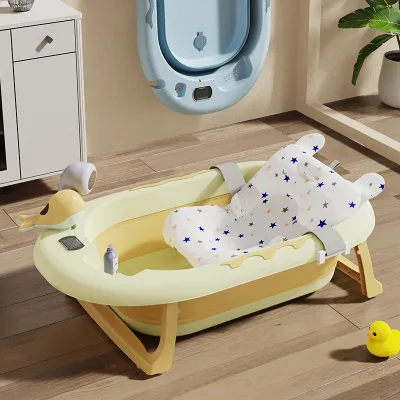


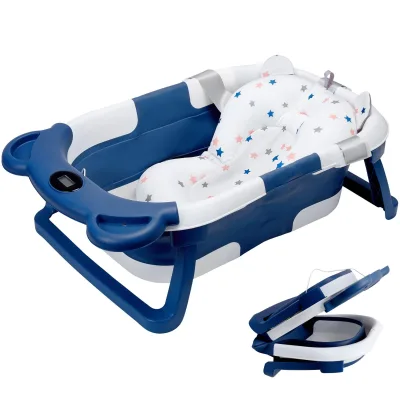


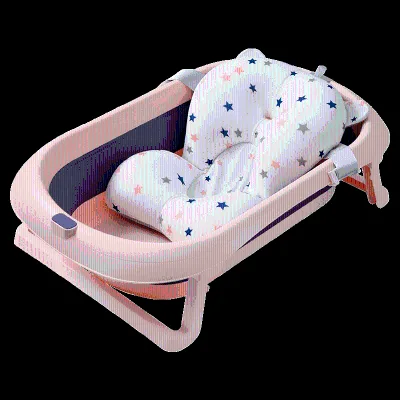
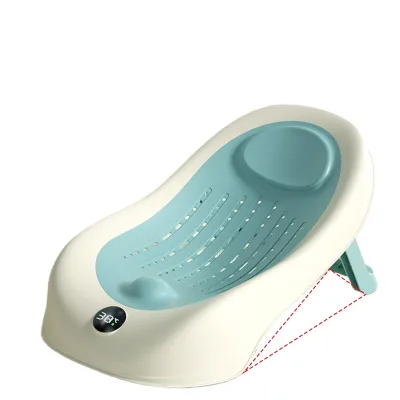
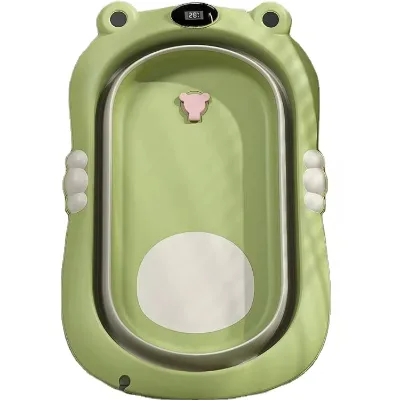
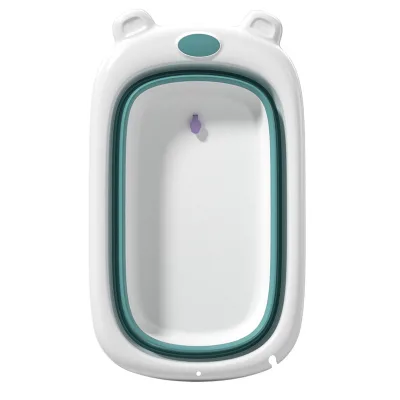
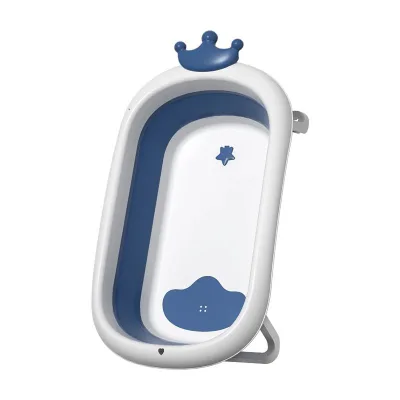
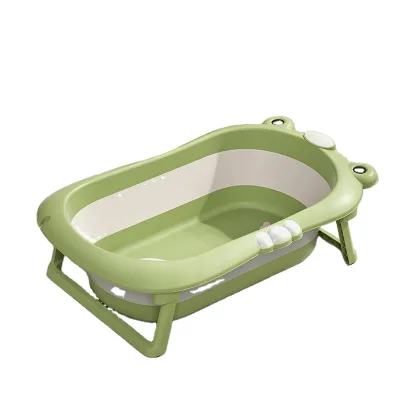
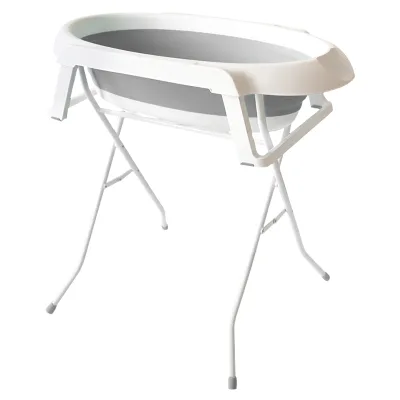
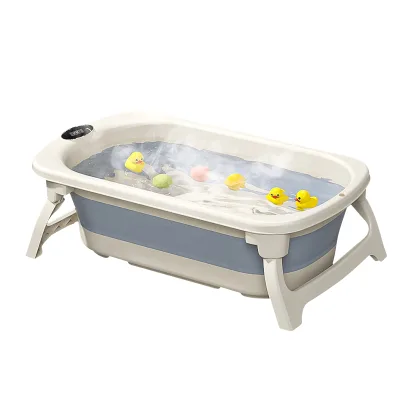
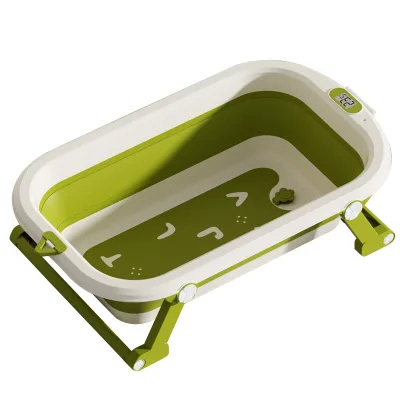
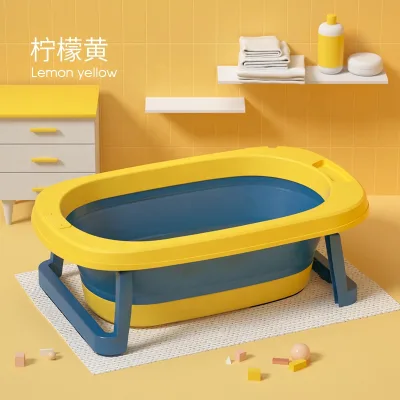


Children Toddler Foldable Bathtub Newborn Baby Plastic Collapsible Fold Bathtub
$7.00 - $10.00
MOQ: 200 Pieces

Comprehensive Sourcing Guide
Strategic Sourcing Guide for Foldable Baby Bathtubs with Safety Seats
Navigating the global market for foldable baby bathtubs with safety seats requires a disciplined approach to verifying product attributes against actual supply chain capabilities. Buyers in the B2B sector must distinguish between marketing descriptions and verified technical specifications to ensure product safety and operational efficiency. The following guide outlines the critical factors for sourcing these items, drawing strictly from observed market data and established procurement principles.
Technical Specifications and Material Composition
The foundation of a reliable sourcing strategy lies in understanding the precise technical specifications of the product. In the current market, foldable baby bathtubs are predominantly constructed from Polypropylene (PP) or a composite of PP and Thermoplastic Elastomer (TPE). The material choice is critical for durability and safety, as these products must withstand repeated exposure to water and the weight of a child while remaining lightweight for storage.
Observed data indicates a specific model, designated as RL-6707, utilizes PP material with dimensions of 837045cm and a weight of 2.1KG. Another variant, model RL-050, lists a weight of 4kg, suggesting a more robust construction or additional features that increase mass. Conversely, a model identified as RL2401 is noted with a weight of 1.2kg, indicating a lighter, potentially more portable design. The material composition often varies; some listings specify PP Plastic, while others explicitly mention PP+TPE. The inclusion of TPE typically enhances the grip and softness of the safety seat or non-slip surfaces, which is a vital feature for preventing slips during bathing.
Dimensions vary significantly across the supply base. While the 837045cm specification represents a standard large capacity, other models such as RL-067 and 6828 list dimensions like 905022cm and 805021cm respectively. These variations suggest that "foldable" designs may compromise on depth or width to achieve portability. Buyers must verify that the internal dimensions accommodate the target age range, which is frequently cited as 0-6 years, though some specific listings restrict usage to children over 4 years old or specify ranges like 1-2 years and 2-4 years. The shape is also a key differentiator; "Large Straight Body" designs are observed alongside "Shower" style configurations, influencing how the tub integrates with bathroom fixtures.
Compliance, Certification, and Safety Standards
Safety is the paramount concern when sourcing products for infants and toddlers. While the observed product data lists "ce" as a standard for certain models, buyers must exercise caution and verify the scope of this certification. The "ce" mark indicates conformity with health, safety, and environmental protection standards for products sold within the European Economic Area, but it does not automatically guarantee compliance with all international safety protocols.
In the context of baby bathtubs, specific ASTM standards are often referenced in the broader industry, such as ASTM F2670 and ASTM F1967-24. However, these specific numerical references appear in low-confidence background data and should not be asserted as guaranteed facts for any specific listing without direct verification from the supplier. Buyers should not assume a product meets these standards based solely on a general "ce" label. Instead, the procurement process must include a request for third-party test reports that explicitly validate the product against relevant regional safety standards.
The "Safety Seat" aspect of the core keyword implies a structural requirement that the product must support a child securely. While the observed data mentions "Multifunctional" designs and "Children Bathing and Playing with Water" functions, the specific engineering of the safety seat—whether it is molded into the PP or added as a TPE insert—must be confirmed. Buyers should verify that the safety seat does not detach easily and that the overall structure can support the maximum weight limit without tipping. The "Disposable: Non-Disposable" attribute confirms that these are durable goods intended for long-term use, which necessitates rigorous stress testing of the folding mechanisms and joints.
Cost Drivers and Pricing Dynamics
The pricing of foldable baby bathtubs is influenced by a complex interplay of material costs, manufacturing complexity, and customization requirements. The observed market price range spans from 2.73 USD to 22.08 USD. This wide disparity suggests significant variation in product quality, feature sets, and order volumes. The lower end of the spectrum likely corresponds to basic PP models with minimal customization and standard packaging, while the higher end may reflect complex PP+TPE composites, advanced safety features, or premium branding.
Material composition is a primary cost driver. The transition from pure PP to PP+TPE increases material costs due to the added value of the elastomer, which improves tactile feel and safety. Additionally, the weight of the product correlates with material usage; a 4kg model will inherently cost more in raw materials than a 1.2kg model. Packaging also impacts the final price. Listings indicate "Color Box" or generic "Box" packaging. Customized packaging, often required for private label brands, adds to the unit cost and minimum order quantity (MOQ) requirements.
The MOQ range observed in the market is between 2 and 1000 units. This flexibility allows buyers to test the market with small orders or scale up for mass distribution. However, the "Selling Units: Single item" attribute suggests that some suppliers may treat these as individual SKUs rather than bulk pallets, which can affect logistics costs. Buyers should be aware that customization options, such as accepting a customized logo or OEM/ODM services, often require higher MOQs to amortize the setup costs for printing and mold modifications.
Supplier Evaluation and Geographic Considerations
When evaluating suppliers, geographic origin plays a significant role in logistics and quality perception. The observed data points to two primary manufacturing hubs: Zhejiang and Fujian, both in China. Zhejiang is known for a robust manufacturing ecosystem, particularly in plastic molding and household goods, while Fujian also has a strong presence in similar industries. The "Place of Origin" being listed as China is consistent across the board, but the specific province can indicate the type of supply chain infrastructure available.
Supplier capabilities should be assessed based on their willingness to accommodate customization. The data confirms that OEM/ODM is acceptable and that customized logos are available. This indicates a mature supply chain capable of handling private label requests. Buyers should verify the supplier's experience with "Multifunctional" designs and their ability to maintain consistency across different color options, which include Yellow, Green, Blue, Grey, Pink, and Dark Blue.
The "Port: xiamen" attribute provides a logistical anchor for suppliers located in Fujian, facilitating export operations. Buyers should confirm the specific port of shipment for Zhejiang-based suppliers, as this affects freight costs and transit times. Furthermore, the availability of samples is a critical evaluation metric. The data explicitly states that samples are "Availalbe" (Available), allowing buyers to physically inspect the product for quality, foldability, and safety seat stability before committing to a large order.
Quality Control and Inspection Protocols
Effective quality control (QC) is essential to mitigate the risks associated with importing baby products. Given the wide range of observed weights and dimensions, buyers must implement strict incoming inspection protocols. The first step is dimensional verification. For instance, a product ordered as model RL-6707 must match the 837045cm specification exactly. Deviations can indicate mold wear or production errors that affect the product's fit and safety.
Material integrity is another critical QC checkpoint. Since the product is intended for bathing, the PP or PP+TPE material must be free from harmful chemicals and capable of withstanding hot water without deforming. Buyers should request material safety data sheets (MSDS) to ensure the plastics used are food-grade or infant-safe. The "Easy Cleaning" advantage listed in the data suggests a smooth surface finish, which should be verified to ensure there are no rough edges or seams where bacteria could accumulate.
The folding mechanism requires specific attention. A "foldable" tub must be tested for the durability of its hinges and locking mechanisms. Repeated folding and unfolding cycles should not result in structural failure or loosening of the safety seat. Inspection should also cover the color consistency, as the market offers a variety of hues. Buyers should ensure that the colorants used are non-toxic and that the color does not fade or bleed during use.
Long-Term Procurement and Market Adaptability
Sourcing a foldable baby bathtub with a safety seat is not a one-time transaction but part of a long-term supply chain strategy. The "Age Range: Children 0-6 Years" indicates a broad market appeal, but buyers must consider the lifecycle of the product. As children grow, the tub's utility changes. Products that offer "Multifunctional" designs, such as those suitable for "Children Bathing and Playing with Water," may have a longer shelf life in the consumer's home, enhancing brand loyalty.
Customization remains a key differentiator for long-term success. The ability to accept a customized logo allows retailers to build brand identity. However, buyers should plan for the lead times associated with custom molds and printing. The "Acceptable" status for OEM/ODM suggests flexibility, but the specific lead times should be negotiated based on the complexity of the customization.
Finally, buyers should monitor the market for evolving safety standards. While "ce" is currently observed, regulations in the US and EU are subject to change. Maintaining a relationship with a supplier who is proactive about compliance and willing to adapt to new standards will ensure the supply chain remains resilient. The "Disposable: Non-Disposable" nature of the product means that durability is a key selling point; any degradation in quality over time can lead to returns and reputational damage. Therefore, selecting a supplier with a proven track record of consistent quality and a robust QC process is essential for sustainable procurement.
Comparative Analysis of Key Product Attributes
To assist in decision-making, the following table summarizes the observed variations in key attributes across different models. This comparison highlights the diversity in the market and the need for precise specification matching.
| Attribute | Model RL-6707 | Model RL-050 | Model RL2401 | Model RL-067 | Model 6828 |
|---|---|---|---|---|---|
| Material | PP | PP+TPE | TPE | PP Plastic | PP Plastic |
| Dimensions | 837045cm | 674224cm | 73945cm | 905022cm | 805021cm |
| Weight | 2.1KG | 4kg | 1.2kg | N/A | N/A |
| Color Options | Yellow, Green, Blue, Grey | N/A | N/A | N/A | N/A |
| Packaging | Color Box | Box | N/A | N/A | N/A |
| Standard | ce | N/A | N/A | N/A | N/A |
| Origin | Zhejiang | N/A | N/A | N/A | N/A |
Note: Data points marked "N/A" indicate that specific attributes were not explicitly listed for those models in the provided context. Buyers must request this information directly from suppliers.
In conclusion, sourcing foldable baby bathtubs with safety seats requires a meticulous approach to verifying specifications, materials, and compliance. By focusing on the tangible attributes observed in the market and maintaining rigorous quality control standards, buyers can secure a supply chain that delivers safe, durable, and high-quality products to their customers. The diversity in models and materials offers flexibility, but it also demands careful due diligence to ensure that the final product meets the highest safety and performance expectations.
FAQs
What materials are used for foldable baby bathtubs with safety seats?
These products are primarily constructed from Polypropylene (PP) or a composite of PP and Thermoplastic Elastomer (TPE). The inclusion of TPE typically enhances grip and softness on safety seats to prevent slips during bathing.
Which age range do these bathtubs accommodate for children?
Most listings specify an age range of 0 to 6 years for general use. Some specific models may restrict usage to older children, such as those over 4 years old or specific ranges like 1 to 2 years.
Can suppliers provide customized logos and OEM services?
Yes, suppliers generally accept OEM and ODM requests with customized logo options available. This customization often requires higher minimum order quantities to amortize the setup costs for printing and mold modifications.
What is the typical weight range for these baby bathtubs?
Observed weights vary significantly, ranging from 1.2kg for lighter portable models to 4kg for more robust constructions. The weight difference often correlates with material usage and the inclusion of additional safety features.
How do dimensions vary across different product models?
Dimensions differ widely, with some large capacity models measuring 83 by 70 by 45cm while others are more compact. Buyers must verify internal dimensions to ensure they accommodate the target age range and safety seat requirements.
What certifications are currently listed for these products?
Some models list CE as a standard, indicating conformity with European safety standards. However, buyers should verify specific test reports for international protocols like ASTM standards rather than assuming compliance based solely on the CE label.
Where are the primary manufacturing locations for these bathtubs?
Manufacturing hubs are primarily located in Zhejiang and Fujian provinces within China. These regions offer robust supply chains for plastic molding and household goods, with specific ports like Xiamen facilitating export operations.