Source Foldable Baby Doll Stroller for Play, Storage, and Display
Explore 30 listings for the Foldable Baby Doll Stroller, comparing models like Daily use-5875D and TLT-400. Buyers can evaluate customization options, materials such as plastic and linen, and dimensions ranging from 20cm to 990mm height across various origins including China and Shantou.
Key considerations
Products List


New Baby Pushchair Lightweight Baby Stroller Foldable Pram Buggy Travel Stroller
$28.30 - $30.30
MOQ: 100 Pieces


Portable Baby Stroller with Easy Folding in Two Directions Baby Stroller
$37.00 - $38.00
MOQ: 1 Pieces


Lightweight Foldable Pocket Baby Strollercompact Pocket Baby Stroller for Travel
$35.00 - $40.00
MOQ: 200 Pieces

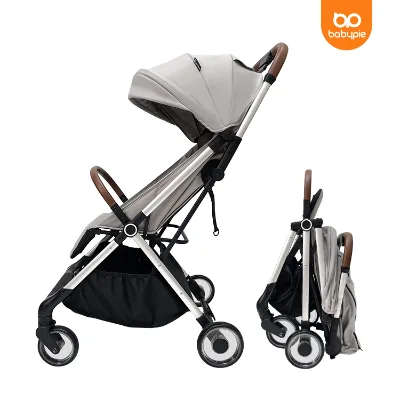


Reversible Push Baby Stroller Useful Lightweight One Button Folding Pram
$34.00 - $35.70
MOQ: 300 Pieces


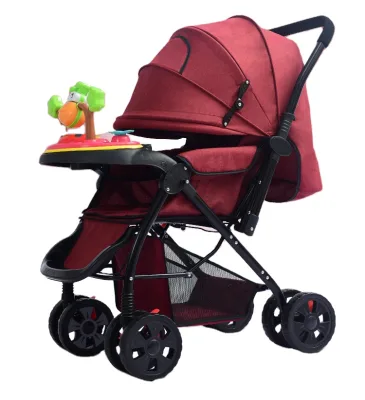


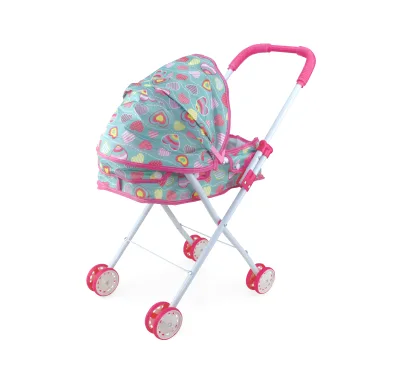


Baby-Walking Artifact Can Sit, Lie Down, Two-Way, Lightweight and Foldable
$72.00 - $82.00
MOQ: 100 Pieces
Comprehensive Sourcing Guide
Foldable Baby Doll Stroller Sourcing Guide
Sourcing foldable baby doll strollers requires a clear understanding of the distinction between functional infant transport and toy replicas. These products serve primarily as play accessories for children, mimicking the design and utility of real-world strollers. Buyers must recognize that while the form factor resembles high-end mobility gear, the structural integrity and safety standards differ significantly. The core appeal lies in the aesthetic fidelity and the interactive elements, such as folding mechanisms and accessory compatibility, which drive engagement during imaginative play.
Procurement teams should focus on identifying suppliers who specialize in plastic and fabric-based toy manufacturing rather than automotive or medical equipment. The market offers a wide variety of models, from basic plastic frames to more complex designs featuring linen fabrics and aluminum tubes. Understanding the specific material composition is crucial, as it directly impacts the product’s durability, weight, and overall perceived quality. This guide outlines the key technical, commercial, and compliance factors necessary for successful sourcing of these specialized toy items.
Product Scope and Observed Listing Signals
The current market landscape for foldable baby doll strollers reveals a diverse range of product configurations and customization options. Listings indicate that manufacturers frequently offer OEM services, allowing buyers to tailor colors, patterns, and logos to match specific brand identities. Common material choices include plastic for the main frame and EVA for the wheels, ensuring a balance between cost-efficiency and functional performance. Some premium models incorporate linen fabric for seating areas, enhancing the tactile experience and visual appeal for end-users.
Observed specifications highlight significant variability in dimensions and packaging requirements. Standard models often feature compact folding designs, with dimensions ranging from approximately 790mm in height to over 900mm in length for larger variants. Packaging is typically customized, with options including individual polybags or standard brown cartons, depending on the order volume and shipping constraints. Buyers should note that origin locations such as Shantou and Zhejiang in China are prominent hubs for these goods, indicating established supply chains for toy manufacturing.
Technical Specifications to Verify
When evaluating technical specifications, the folding mechanism is a critical area for verification. Buyers must ensure that the hinge and locking systems are robust enough to withstand repeated use without failure. Models like the TLT-400 and TLT-200 series often feature reversible handlebars and aluminum tubes, which contribute to a lightweight yet sturdy structure. It is essential to confirm the wheel material, with EVA being a common choice due to its quiet operation and durability on various indoor surfaces.
Dimensional accuracy and weight distribution are equally important for user satisfaction. Specifications such as 990mm height by 895mm length by 570mm width provide a baseline for spatial requirements in retail displays and home storage. The gross weight of approximately 9kg for certain models suggests a substantial build, which may require careful handling during logistics. Buyers should request detailed technical drawings to verify that the folded dimensions align with their packaging and shipping constraints, ensuring efficient container utilization.
Compliance and Safety Documentation
Safety compliance is paramount when sourcing toys intended for children, even if they are classified as dolls or accessories. Buyers must verify that all materials, including plastics, fabrics, and paints, meet relevant international safety standards for chemical content and physical hazards. Although specific certification statuses like OEKO-TEX are mentioned in background data, buyers should independently confirm that suppliers hold valid test reports from accredited laboratories. This ensures that the products are free from harmful substances and meet rigorous safety benchmarks.
Documentation should also cover mechanical safety, particularly regarding small parts and pinch points in the folding mechanism. Suppliers must provide evidence that the stroller meets age-grade recommendations and warning label requirements. Buyers should request a comprehensive compliance package, including material safety data sheets and third-party test certificates, before placing large orders. This due diligence mitigates the risk of regulatory non-compliance in target markets and protects brand reputation from potential safety recalls.
Cost Drivers and Commercial Terms
Cost structures for foldable baby doll strollers are influenced by material selection, customization levels, and order volume. The use of aluminum tubes and linen fabrics typically increases the base cost compared to all-plastic alternatives. Customization options, such as specific color matching or logo printing, add to the manufacturing complexity and may incur additional setup fees. Buyers should negotiate clear pricing tiers based on MOQs, which can range from small trial orders to bulk shipments of up to 1000 units.
Commercial terms should address packaging efficiency and shipping logistics to optimize total landed costs. Since products are often packed in standard cartons or polybags, verifying the cubic meter per unit is essential for freight calculation. Buyers should clarify whether the quoted prices include export packaging standards and if any additional costs apply for custom labeling or barcode insertion. Establishing transparent payment terms and lead time expectations helps in planning inventory levels and cash flow management effectively.
Supplier Qualification and Quality Control
Supplier qualification requires a thorough assessment of manufacturing capabilities and quality management systems. Buyers should prioritize suppliers with proven experience in producing plastic and fabric-based toys, as evidenced by their product portfolios and origin locations. Requesting factory audits or virtual tours can provide insights into production lines, quality control checkpoints, and workforce training. Suppliers offering OEM services should demonstrate flexibility in handling design changes and maintaining consistent quality across batches.
Quality control protocols must be clearly defined and enforced throughout the production process. Buyers should implement pre-shipment inspections to verify dimensional accuracy, material integrity, and functional performance of the folding mechanism. Specific attention should be paid to the stability of the wheels and the smoothness of the handlebar operation. Establishing a clear defect rate threshold and a process for handling non-conforming goods ensures that only products meeting the agreed-upon standards reach the end consumer.
Long-Term Procurement Checks
Long-term procurement success depends on continuous monitoring of supplier performance and market trends. Buyers should regularly review supplier delivery times, product consistency, and responsiveness to issues. Building a strong relationship with reliable manufacturers can facilitate smoother negotiations for future orders and better support for product improvements. Staying informed about emerging design trends, such as new fabric textures or enhanced folding mechanisms, allows buyers to keep their offerings competitive and relevant.
Sustainability and regulatory changes also require ongoing attention. Buyers should encourage suppliers to adopt eco-friendly materials and processes where feasible, aligning with global consumer preferences for responsible manufacturing. Regularly updating compliance documentation ensures that products remain eligible for sale in evolving regulatory environments. By maintaining a proactive approach to supplier management and market analysis, buyers can secure a stable supply chain and drive long-term growth in the Foldable Baby Doll Stroller segment.
FAQs
Can I customize the color and logo on the stroller?
Yes, customization is available for color, pattern, and logo. You can select from custom colors or specific options like blue. The design can be tailored to your requirements, allowing for unique branding on the product. This flexibility supports OEM projects and specific market needs.
What materials are used in the stroller construction?
The stroller is constructed using plastic for the main body and linen fabric for seating areas. The wheels are made of EVA material for smooth movement. Some models feature aluminum tubes for the frame. These materials ensure durability and comfort for daily use while maintaining a lightweight structure.
What are the standard packaging options for orders?
Packaging options include customized cartons or standard brown cartons with one piece per carton. Some items are packed individually in polybags. The packaging dimensions vary by model, such as 79.5*22*55 cm or 90*48*98 cm. Customized packing standards are available to meet specific logistics requirements.
Where are these strollers manufactured?
These strollers are manufactured in China, with specific origins in Shantou, Zhejiang, and Hebei provinces. The production facilities are located in these regions, ensuring efficient supply chain management. Buyers can source directly from these Chinese manufacturing hubs for reliable delivery and quality control throughout the production process.
What is the minimum order quantity for bulk purchases?
The minimum order quantity ranges from 1 to 1000 units depending on the specific model and customization level. Standard models may have lower MOQs, while custom designs might require higher volumes. Buyers should check the specific product page for exact MOQ requirements to plan their procurement strategy effectively.
What are the typical dimensions of the folded stroller?
Folded dimensions vary by model, with some measuring 790mm*500mm*1040mm or 990*895*570mm. Other models have standard sizes like 36.3*11.6*30.6cm. The size range for dolls is 20-59cm. Buyers should verify the specific model dimensions to ensure compatibility with storage spaces and transportation logistics.