Source Baby Food Bowl Options for Independent Feeding
Explore 30 listings for Baby Food Bowl products designed for eating, baby feeding, and kids mealtime. Compare silicone and PP materials, suction bases, and custom colors to find suitable options for infant independence; compare the available evidence and request quotations based on your requirements.
Key considerations
Products List


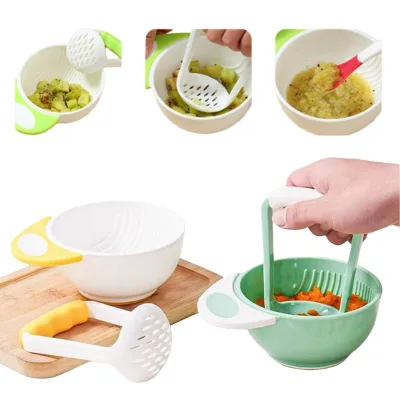

Food Grade Quality Tableware Plastic Suction Baby Feeding Bowl for Kids
$0.45 - $0.95
MOQ: 3000 Pieces


Hot Sale Baby Non-Slip Bowl with Cartoon Patterns Colors Food Grade Safety
$0.46 - $0.78
MOQ: 1000 Pieces


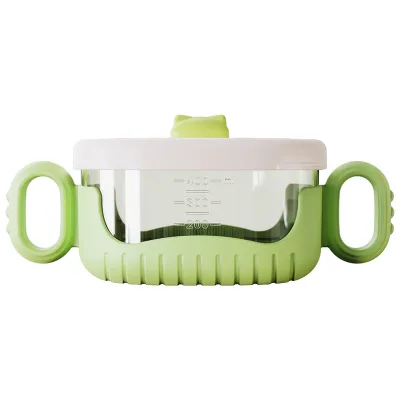
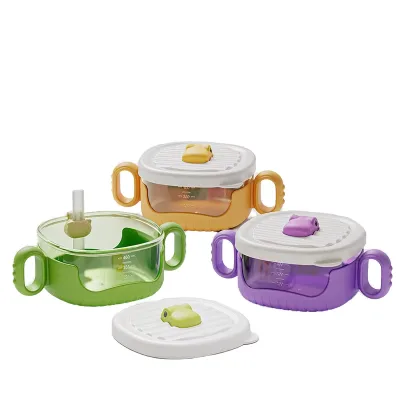
Comprehensive Sourcing Guide
Baby Food Bowl Sourcing Guide
Sourcing baby food bowls requires a careful balance of safety, functionality, and aesthetic appeal to meet the demands of modern parents and childcare providers. The market offers a diverse range of materials, primarily silicone and polypropylene, each presenting distinct advantages in terms of durability, temperature resistance, and ease of cleaning. Buyers must navigate a landscape where customization options, from logo printing to color selection, play a significant role in brand differentiation. Understanding the specific needs of the target age group, typically ranging from infants to young children, is essential for selecting products that support independent eating while minimizing mess and spillage.
The procurement process involves evaluating multiple technical and commercial factors, including minimum order quantities, lead times, and shipping terms. Suppliers often provide flexible packaging solutions, such as OPP bags or custom color boxes, which impact both product protection and retail presentation. Additionally, the origin of manufacture, predominantly China in many listings, influences logistics planning and cost structures. Buyers should prioritize suppliers who demonstrate transparency in their production processes and offer robust quality assurance measures to ensure that every bowl meets stringent safety and performance standards before reaching the end consumer.
Product Scope and Observed Listing Signals
The current market for baby food bowls exhibits a wide variety of product configurations, catering to different stages of infant development and parental preferences. Listings indicate a strong emphasis on customization, with options for tailored colors, logos, and packaging designs to align with specific brand identities. Common features observed include non-spill designs, non-slip bases, and integrated handles or lids, which enhance usability for both babies and caregivers. The age range targeted by these products generally spans from newborns up to eight years, suggesting a versatility that accommodates growing children’s evolving feeding needs and motor skills.
Material composition is a critical differentiator, with silicone and polypropylene being the most prevalent choices. Silicone bowls are often highlighted for their flexibility and temperature resistance, while polypropylene options may offer rigidity and recyclability. Weight variations, such as 100g or 110g, suggest differences in material thickness or design complexity, which can affect durability and handling. Buyers should note that while some products are marketed as sustainable or stocked items, others may require longer lead times for production, impacting inventory management strategies and time-to-market for new product launches.
Technical Specifications to Verify
When evaluating technical specifications, buyers must verify the physical dimensions and structural integrity of the bowls to ensure they meet functional requirements. Standard sizes observed include dimensions like 13x8 cm or 14x10x5 cm, which influence the bowl’s capacity and stability on tables. The inclusion of specific components, such as TPE bases for suction or polypropylene spoons, adds to the product’s utility but requires verification of material compatibility and safety. Buyers should confirm that the temperature range, often cited as -20°C to 120°C, is accurately represented and suitable for both freezing and heating applications, ensuring the product remains safe under various usage conditions.
Model numbers and product standards, such as HG-hx002 or CJ-60, serve as unique identifiers for suppliers and help in tracking specific product lines. It is crucial to verify that the stated standards, whether related to grinding bowls or suction capabilities, align with international safety norms. Additionally, the presence of features like lids and handles should be confirmed through detailed product descriptions or samples. Buyers should also assess the weight of the product, as lighter bowls may be easier for small hands to handle but might lack the stability needed to prevent tipping during mealtime.
Compliance and Safety Documentation
Compliance with safety regulations is paramount when sourcing baby food bowls, given the direct contact with infants and young children. Certifications such as FDA and ISO are frequently cited, indicating that the products meet specific health and quality management standards. Buyers must request and verify these certifications to ensure that the materials used are free from harmful substances like BPA, phthalates, and lead. It is essential to confirm that the certifications are current and issued by recognized bodies, providing assurance that the manufacturing process adheres to strict safety protocols throughout production.
In addition to certifications, buyers should inquire about specific test reports that validate the safety and performance of the bowls. These reports may include migration tests, thermal stability assessments, and mechanical strength evaluations. Understanding the regulatory requirements in the target market is crucial, as standards can vary significantly between regions. Buyers should ensure that their suppliers are capable of providing documentation that meets local import regulations, thereby avoiding potential customs delays or product recalls due to non-compliance with safety standards.
Cost Drivers and Commercial Terms
Cost structures for baby food bowls are influenced by several factors, including material costs, customization levels, and order volumes. The observed price range of $0.41 to $5.10 USD reflects the diversity in product complexity and quality. Minimum order quantities (MOQs) typically range from 2 to 3000 units, offering flexibility for both small businesses and large retailers. Buyers should negotiate terms that align with their inventory capacity and sales forecasts, considering that higher customization may lead to increased costs and longer lead times.
Commercial terms such as shipping options, including sea, air, and express delivery, as well as Incoterms like EXW, FOB, and DDP, significantly impact the total landed cost. Lead times, ranging from 3 to 25 working days, depend on production schedules and order size. Buyers should plan their procurement cycles carefully to account for these variables, ensuring that stock levels are maintained without excessive inventory holding costs. Clear communication with suppliers regarding payment terms and delivery schedules is essential to avoid disruptions in the supply chain.
Supplier Qualification and Quality Control
Supplier qualification involves assessing the manufacturer’s capability to produce consistent, high-quality products that meet specified requirements. Buyers should verify the supplier’s production capacity, quality control processes, and ability to handle customization requests. Samples are often supported by suppliers, allowing buyers to evaluate the product’s physical attributes, such as color accuracy, material texture, and functional features like suction strength. This step is crucial for identifying potential issues before committing to large orders, ensuring that the final product aligns with brand expectations.
Quality control measures should be established to monitor production consistency and address any defects promptly. Buyers may implement pre-shipment inspections or third-party audits to verify that the products meet agreed-upon standards. It is important to maintain open communication with suppliers regarding any changes in materials or processes that could affect product safety or performance. By establishing a robust quality assurance framework, buyers can mitigate risks associated with product failures and ensure customer satisfaction in the competitive baby products market.
Long-Term Procurement Checks
Long-term procurement success depends on continuous monitoring of supplier performance and market trends. Buyers should regularly review supplier metrics, including on-time delivery rates, defect rates, and responsiveness to issues. Building a strong relationship with suppliers can facilitate better pricing, priority production, and access to new product innovations. Additionally, staying informed about changes in safety regulations and consumer preferences allows buyers to adapt their product offerings proactively, maintaining relevance and competitiveness in the market.
Sustainability is becoming an increasingly important factor for consumers, with a growing demand for eco-friendly products. Buyers should explore options for recyclable materials and sustainable packaging solutions to align with these trends. Regularly assessing the environmental impact of the supply chain can also enhance brand reputation and appeal to environmentally conscious consumers. By integrating sustainability into their procurement strategies, buyers can future-proof their operations and contribute to a more responsible industry.
FAQs
What certifications do the baby food bowls have?
The baby food bowls hold FDA and ISO certifications to ensure safety for infants. These standards confirm the materials meet strict health requirements for baby feeding and independence during mealtime. Buyers can rely on these verified attributes for compliance.
Can I customize the color and logo on the bowls?
Yes, customization is available for both colors and logos on these silicone or PP bowls. Buyers can select from pink, blue, green, or purple options and request custom logos. The packaging can also be customized to match specific branding needs.
What is the typical lead time for orders?
Lead times vary between 3 to 25 working days depending on the specific product model and order volume. Some items like suction bowls ship in 3-5 days, while others may take up to 25 days. Buyers should confirm exact timelines based on their selected model.
Which materials are used for the baby food bowls?
The bowls are primarily made from food-grade silicone and polypropylene (PP) materials. These materials offer durability and safety for children aged 0-8 years. Some models feature TPE bases for non-slip stability and include handles with lids for spill prevention.
What are the minimum order quantities for these bowls?
Minimum order quantities range from 2 to 3000 units depending on the specific product configuration. Buyers can start with small quantities for sampling or place larger orders for bulk distribution. Customized packing options are available for various order sizes.
How are the baby food bowls packaged for shipping?
Packaging options include OPP bags, color paper boxes, blister cards, or customized cartons. Specific models come in defined box sizes like 145*80*120mm. Buyers can choose standard or custom packaging to suit their distribution requirements and branding strategies.
What temperature range can the bowls withstand?
The bowls can withstand temperatures ranging from -20 degrees Celsius to 120 degrees Celsius. This range ensures safety for both freezing and heating food during baby feeding. The materials remain stable and non-toxic within these operational limits for daily use.