Source Foldable Collapsible Dish Tub for Kitchen and Storage
Explore 30 options for a Foldable Collapsible Dish Tub suitable for kitchen organization, outdoor activities, and general storage. Compare materials like plastic and bamboo, check capacities from 10L to 36L, and review customization features including logos and eco-friendly designs; compare the available evidence and request quotations based on your requirements.
Key considerations
Products List

Joyclean Collapsible Plastic Laundry Basket Portable Collapsible Dish Tub
$2.90 - $4.00
MOQ: 500 Pieces


Portable Foldable Thick Material SPA Bathing Bucket Large Capacity Waterproof Bath Tub
$8.33 - $10.53
MOQ: 100 Pieces

Foldable Bathtub Extra Long Bathing Tub Eco-Friendly Safe Material Children Bath Tub
$20.29 - $24.29
MOQ: 100 Pieces

High Quality Standalone Portable Bathing Tub Foldable Inflatable Versatile Durable Bathtub
$19.66 - $23.86
MOQ: 100 Pieces

Wholesale Foldable Foot Soaking Tub Adult Bath Household Multicolor Portable Plastic Basin
$0.50 - $0.70
MOQ: 500 Pieces

Bathtub Plastic Child Size Foldable Bathtub Non-Slip Travelling Collapsible
$7.00 - $10.00
MOQ: 200 Pieces


High Quality Foldable Plastic Baby Bath Tub Set Digital Portable Bathtub
$7.00 - $10.00
MOQ: 200 Pieces


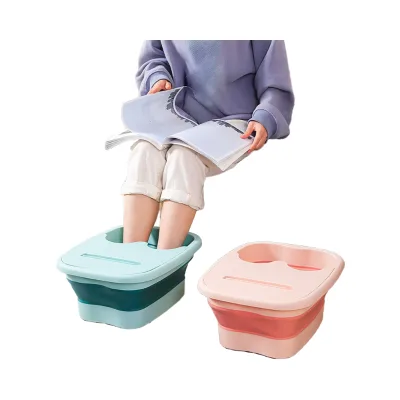

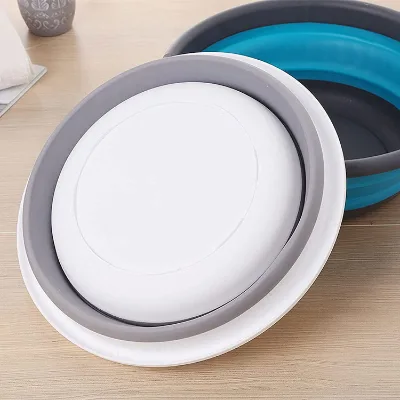
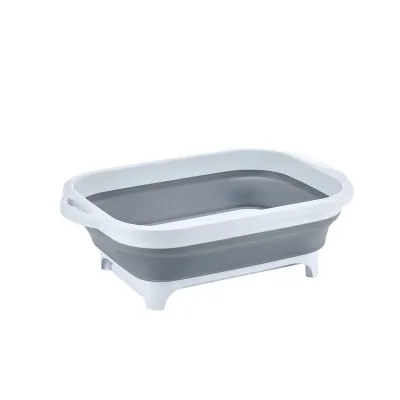


Inflatable Ice Bath Tube Outdoor Inflatable Foldable Portable Ice Bath Tub
$230.80 - $269.20
MOQ: 1 Pieces


Comprehensive Sourcing Guide
Foldable Collapsible Dish Tub Sourcing Guide
Procuring foldable collapsible dish tubs requires a nuanced understanding of material versatility and structural design, as the market offers diverse options ranging from rigid plastics to natural fibers. Buyers must first distinguish between products designed for heavy-duty kitchen storage and those intended for portable outdoor use, as the engineering tolerances differ significantly. The observed product landscape includes items made from plastic, bamboo, wood, and polypropylene, each offering distinct advantages in terms of durability, weight, and aesthetic appeal. Understanding these material distinctions is critical for aligning the product with your specific end-use case, whether it involves commercial dishwashing, home organization, or camping logistics.
Furthermore, the sourcing strategy must account for the wide variance in customization capabilities and packaging requirements found across suppliers. Many manufacturers offer OEM services and customized logos, allowing brands to maintain visual consistency across their product lines. However, this flexibility often comes with varying minimum order quantities and lead times that can impact inventory planning. Buyers should evaluate whether the supplier’s production capacity aligns with their volume needs, particularly when dealing with complex designs that may require additional tooling or specialized finishing processes like polishing.
Product Scope and Observed Listing Signals
The current market for foldable dish tubs exhibits a broad spectrum of styles and functional attributes, reflecting diverse consumer and commercial needs. Listings indicate the availability of Japanese-style storage baskets, folding buckets, and collapsible basins, catering to both indoor kitchen organization and outdoor activity requirements. These products are often marketed with features such as eco-friendly materials, natural aesthetics, and space-saving folded designs. The presence of unicolor options and specific size specifications, such as 16.4 x 13.5 x 4.4 cm or larger volumes like 10 liters, suggests that buyers can find solutions tailored to precise spatial constraints and capacity demands.
Observations also reveal a significant emphasis on versatility, with products suitable for storing food, apparel, tableware, and sundries. Some listings highlight the inclusion of lids and round shapes, enhancing hygiene and aesthetic integration into home environments. The availability of sets ranging from one to three pieces indicates that suppliers are targeting bulk purchasing for household or commercial efficiency. Additionally, the distinction between disposable and non-disposable items helps buyers filter options based on sustainability goals and long-term usage expectations, ensuring that the selected product aligns with their operational or retail strategy.
Technical Specifications to Verify
When evaluating technical specifications, buyers must prioritize dimensional accuracy and volume capacity to ensure the product meets their storage or usage requirements. Key parameters to verify include the unfolded dimensions, folded thickness, and rated volume, which can range from small personal basins to large 36-liter containers. It is essential to confirm whether the product features an open mouth or includes a lid, as this affects usability and hygiene. Additionally, the shape, whether round or rectangular, influences stacking efficiency and shelf space utilization, making it a critical factor for retail display or warehouse storage planning.
Material composition and structural integrity are equally important technical considerations. Products made from polypropylene or plastic often offer high durability and water resistance, while bamboo and wood variants provide a natural aesthetic but may require different care instructions. Buyers should verify the presence of specific features such as retractable folding mechanisms, which impact ease of use and longevity. Furthermore, checking the product model numbers, such as JH-051 or ATSLS-01, can help in tracking specific design iterations and ensuring consistency across reorder cycles, especially when dealing with multiple suppliers or production batches.
Compliance and Safety Documentation
Compliance with international safety and quality standards is paramount, particularly for products intended for food contact or household use. Buyers should request documentation verifying adherence to certifications such as FDA, CE/EU, and CIQ, which indicate that the materials and manufacturing processes meet specific regulatory requirements. These certifications are crucial for mitigating legal risks and ensuring that the products are safe for storing food, drinks, fruits, and other consumables. Additionally, certifications like Sedex and SGS can provide insights into the supplier’s ethical sourcing practices and overall quality management systems, adding an extra layer of assurance for socially conscious procurement strategies.
Beyond product-specific certifications, buyers must also consider the broader implications of material safety and environmental impact. Eco-friendly claims should be substantiated by relevant documentation, ensuring that the products do not contain harmful substances that could leach into food or the environment. It is advisable to request material safety data sheets and test reports that confirm the absence of toxic chemicals, particularly for plastic and wood-based products. This due diligence not only protects end-users but also enhances the brand’s reputation for responsible sourcing and sustainability, which is increasingly valued by consumers and regulatory bodies alike.
Cost Drivers and Commercial Terms
Cost structures for foldable dish tubs are influenced by several key factors, including material selection, customization complexity, and order volume. Products made from premium materials like bamboo or those requiring intricate polishing processes typically command higher prices compared to standard plastic alternatives. Customization options, such as logo printing or unique color schemes, can also add to the unit cost, especially when dealing with lower minimum order quantities. Buyers should carefully analyze the price-to-value ratio, considering not just the initial cost but also the durability and aesthetic appeal of the product to ensure long-term satisfaction.
Commercial terms, including minimum order quantities and packaging specifications, play a significant role in total procurement costs. MOQs can vary widely, from as low as one piece to thousands, impacting inventory holding costs and cash flow. Packaging methods, such as shrinkage, inner boxes, or outer cartons, affect shipping efficiency and potential damage rates during transit. Buyers should negotiate terms that balance cost efficiency with flexibility, ensuring that they can meet demand without overstocking. Additionally, understanding the supplier’s production lead times and payment terms can help in planning cash flow and managing supply chain risks effectively.
Supplier Qualification and Quality Control
Supplier qualification is a critical step in ensuring the reliability and consistency of foldable dish tub procurement. Buyers should assess suppliers based on their production capabilities, quality control processes, and track record in delivering compliant products. Verifying the supplier’s origin, such as Zhejiang China, can provide insights into the local manufacturing ecosystem and potential logistical advantages. It is also important to evaluate the supplier’s ability to handle customization requests and maintain consistent quality across different product batches, which is essential for maintaining brand integrity.
Quality control measures should be rigorously enforced throughout the production process, from raw material inspection to final product testing. Buyers should implement pre-shipment inspections to verify that the products meet the agreed-upon specifications, including dimensions, material quality, and finish. Establishing clear communication channels with suppliers for addressing any defects or discrepancies is crucial for maintaining a smooth supply chain. Additionally, considering third-party inspection services can provide an objective assessment of product quality and supplier performance, helping to mitigate risks and ensure that the delivered goods meet the buyer’s standards.
Long-Term Procurement Checks
Long-term procurement success depends on continuous monitoring of supplier performance and market trends. Buyers should regularly review supplier metrics, such as on-time delivery rates, defect rates, and responsiveness to issues, to identify potential areas for improvement. Building strong relationships with reliable suppliers can lead to better pricing, priority production, and access to new product innovations. Additionally, staying informed about changes in material costs, regulatory requirements, and consumer preferences can help buyers adapt their sourcing strategies to remain competitive and compliant.
Sustainability and ethical sourcing should also be prioritized in long-term procurement strategies. Buyers should regularly audit their suppliers’ practices to ensure alignment with their corporate social responsibility goals. This includes verifying that suppliers adhere to fair labor practices and environmental standards, which can enhance brand reputation and customer loyalty. By integrating these considerations into their procurement processes, buyers can create a resilient and responsible supply chain that supports both business growth and positive social impact, ensuring long-term value and stability.
FAQs
What materials are used for foldable collapsible dish tubs?
These tubs are commonly made from plastic, PP, or bamboo and wood. Some models feature a folding design for compact storage. The material choice ensures durability while maintaining an eco-friendly profile for kitchen and sundry applications.
Can I get a customized logo on these folding buckets?
Yes, customized logos are available for these folding buckets. Manufacturers accept OEM requests to personalize the product. This customization option allows buyers to brand the tubs for specific commercial or promotional uses in various industries.
What is the typical MOQ for ordering these storage baskets?
The minimum order quantity varies between 100 and 2000 pieces depending on the supplier. Some listings show an MOQ of 100 PCS for specific models. Buyers should verify the exact requirement with the manufacturer before placing an order.
Which certifications do these folding tubs typically hold?
These tubs often hold FDA, CE/EU, CIQ, and Sedex/SGS certifications. These standards ensure safety for food and drink applications. Buyers can rely on these documented certifications to verify product compliance for international trade requirements.
How much capacity do these folding buckets offer?
Capacity ranges from 10 liters to 36 liters for different models. Specific sizes include 15 liters or 4 gallons. The volume is suitable for storing food, fruit, or general household items in both indoor and outdoor settings.
Where are these foldable dish tubs manufactured?
Most products originate from Zhejiang, China. The manufacturing location ensures access to established supply chains for plastic and wood materials. Buyers can expect consistent production capabilities from these regional factories for bulk orders.
Are these tubs suitable for food storage applications?
Yes, they are designed for food, drink, fruit, and bread storage. The materials are safe and eco-friendly for direct contact. These features make them ideal for kitchen use and serving desserts or coffee in various settings.